
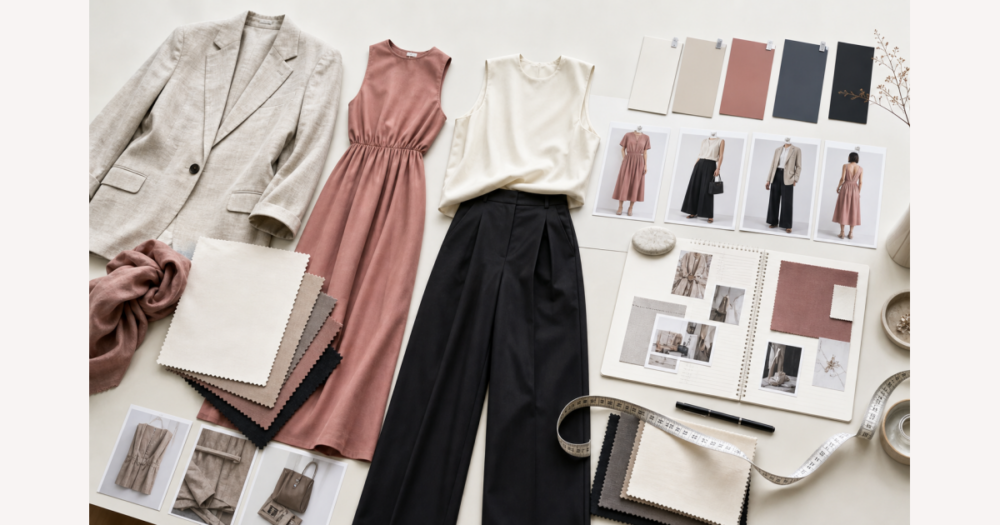
DHgate provides the marketplace and payment infrastructure for Creatmo‑related fashion, but it does not guarantee that any item labeled “unique” or “custom” will meet a particular creative standard. You can find distinctive or custom‑style pieces there, yet terms like “one‑of‑a‑kind” are defined by each seller and must be judged from their listings, portfolios, reviews, and on‑platform communication. This guide explains what those labels usually mean in practice and how to use DHgate’s normal order, shipping, and dispute structures to protect yourself when you decide whether to place a custom fashion order.
Are Creatmo and DHgate good places to look for unique or custom fashion items?
DHgate and Creatmo‑related fashion spaces can be used to look for distinctive or custom‑style items, but DHgate’s core role is to host listings and process payments rather than to guarantee creativity or uniqueness. You may see garments described as “unique,” “custom,” or “one‑of‑a‑kind,” yet those claims are made and defined by individual sellers: they might mean a one‑off design, a limited run, or a standard piece with personalized printing or details. DHgate does not centrally verify or certify these labels, so it is safer to treat them as marketing language and judge them by the seller’s listing details, portfolio examples, reviews, and how clearly they communicate about your request. If that process and documentation inside DHgate feel vague or hard to trace, I would personally be cautious about placing the order, even if the design itself looks exciting.
What do “custom” and “unique” usually mean on Creatmo or DHgate?
On marketplaces like DHgate, “custom” usually means the seller is willing to adjust or create a garment to your specifications rather than only shipping a pre‑made catalog piece. That can cover made‑to‑order sizing or measurements, choosing from different colors, fabrics, or trims, adding extra embellishments, or printing your own graphics, logo, or branding. Some creators also offer small‑batch runs or single designs that they will not reproduce, which is often what they mean by “unique” or “one‑of‑a‑kind.”
By contrast, a standard catalog listing typically offers a fixed design where your only choices are size and perhaps a limited color menu, with no changes to fit, materials, or artwork. Because detailed platform documentation for Creatmo is limited, these patterns should be understood as common marketplace practices rather than guaranteed Creatmo features. The real options always depend on each seller’s capabilities and any program rules described on DHgate, so you need to read the listing text, customization notes, and policies carefully to see what is actually available for a given item.
How does a custom idea become a documented fashion order on DHgate?
- Contact the seller through DHgate messaging or the platform’s contact tools, briefly outlining your garment idea and sharing reference images or text if they help explain it.
- Ask which customization options they can realistically provide—such as specific measurements, fabric or material choices, colors, prints, quantity, and any technical limits or minimum order sizes.
- Discuss and agree on precise specifications: sizes or measurements, materials, embellishments or graphics, quantity, price, production time, and the shipping method they will use.
- Make sure these agreed details are captured inside DHgate—through an updated custom listing, selectable options, or clearly written order notes and messages that can be referenced later.
- Only move on to payment once the order record and in‑platform messages clearly match the agreed design and terms, because this documentation is what DHgate can rely on if you need to raise a dispute.
What buyer checks should I do before confirming a custom or unique order?
- Review the seller’s ratings, transaction volume, and written feedback, paying special attention to comments about custom work, communication quality, and on‑time delivery.
- Check that the listing has clear photos, size charts, and a specific explanation of what can and cannot be customized, rather than vague claims like “any design possible.”
- Confirm expected production and shipping timelines, including how long custom work will take before dispatch and which shipping methods and estimated delivery dates are offered.
- Look for stated policies on returns, remakes, alterations, or partial refunds for custom items, and decide whether those terms feel fair and easy to understand.
- Compare the cart or order summary and any DHgate messages with the design and specifications you agreed on, making sure there are no missing details or contradictions.
- If documentation, policies, or communication feel vague or inconsistent, be ready to skip the order—even if the design is appealing—and favor sellers who provide clear, well‑structured information instead.
How do payment, shipping, and tracking work for custom fashion orders?
For custom or unique fashion orders placed through DHgate or a Creatmo‑related environment, the core transaction flow is the same as for standard marketplace purchases. You pay through DHgate’s usual secure payment systems, and the platform applies its normal order and buyer‑protection structure rather than any special Creatmo rules.
Shipping is still determined by the seller: they choose which postal services or couriers to offer, set handling and dispatch times, and provide a tracking number once the parcel is shipped. You will usually see available shipping methods, estimated delivery windows, and costs in the listing and at checkout, and you can track the parcel through DHgate’s order‑tracking tools once it is on the way.
The main practical difference with custom work is lead time before shipment. Production may take days or weeks, and that extra time should be reflected in the seller’s estimated delivery dates and in any messages you exchange. Before committing to a custom order, confirm the current payment options, shipping methods, delivery estimates, and any relevant policies on the listing, in the checkout flow, and in DHgate’s help center. If payment or tracking details are unclear or hard to verify, it is reasonable to hold off rather than pay for a design that you cannot easily follow or support through the usual DHgate systems.
What happens if my custom or unique item isn’t what I expected?
What are the main risks and limits of seeking unique fashion on Creatmo platforms?
What should I do next if I’m considering a custom Creatmo or DHgate order?
If you are still interested in a custom or unique Creatmo or DHgate order, start by browsing relevant fashion categories or any visible Creatmo-branded areas with a critical eye. Look for listings that spell out what can be customized—sizes, colors, fabrics, graphics or logos—along with clear production timelines, shipment methods, and after-sales policies. Detailed photos, examples of previous custom work, and reviews that mention communication quality and successful customization are good signs that the seller handles these projects in a structured way.
Before deciding, take a moment to read DHgate’s current help center or policy pages for up-to-date details on payments, shipping, buyer protection, and any special programs that might affect custom orders. Then compare what you see there with the information on the seller’s page: if pricing, timelines, and policies line up and the documentation feels solid, you may be comfortable proceeding. If you cannot quickly find clear answers on these points or the listing leaves key specs vague, I would treat that as a reason to hold off on custom orders from that seller and keep looking for a better-documented option that fits your own tolerance for risk and desire for distinctiveness.
Do Creatmo or DHgate charge extra platform fees for custom fashion orders?
Do Creatmo or DHgate charge extra platform fees for custom fashion orders beyond the item price and shipping?
Based on currently available information, there is no clear public documentation of special platform surcharges that apply only to Creatmo‑related custom fashion orders. In general, the payable costs for a DHgate order are those shown at checkout: the item price, shipping charges, and any taxes or fees explicitly listed in the payment breakdown. Sellers can still factor extra labor or materials for customization into the product price itself, so a custom item may simply be priced higher than a standard one.
Because DHgate’s fee and tax policies can change and may vary by location, the only reliable way to confirm your total cost is to review the full breakdown on the checkout screen for your specific order and consult DHgate’s current help center or fee documentation. Do not assume that past examples or other buyers’ reports will match your situation; always verify the latest charges directly before you confirm payment.