
You can use DHgate to look for trouser presses, but it’s primarily a marketplace for new, factory‑made equipment, not a curated source of genuine antiques. If I wanted a trouser press there, I’d start from the assumption that most listings are modern or retro‑styled pieces and that any “vintage” claim is something I’d need to verify from the seller’s description, photos, and store history before I felt comfortable placing an order.
Can you actually look for vintage trouser presses on DHgate?
DHgate is a general cross‑border marketplace, not a curated vintage or antiques site, so most trouser presses you might find there are likely to be new, factory‑made pieces of pressing equipment. Sellers can list a wide range of household appliances, and that can include trouser presses, but there is no platform‑wide promise that any given model—let alone a specific vintage brand or year—will be available at the moment you look.
Listing language such as “vintage,” “retro,” “classic,” or “old‑fashioned” often refers to design cues, like a wood‑effect finish or 1970s‑style control panel, rather than the item’s true age or collectible status. Whether something is actually second‑hand, refurbished, or genuinely decades old depends entirely on what that individual seller writes in the description and shows in their photos. DHgate does not inspect or date trouser presses itself, and it does not certify that a claimed year, brand, or provenance is accurate.
Because of that, I would personally treat DHgate primarily as a place to look for new or retro‑styled trouser presses where the platform’s normal buyer protections are clearer, rather than as a first choice for serious antiques hunting. If I were tempted by a listing that called itself “vintage,” I’d go in assuming there is extra uncertainty about age and condition and only proceed if I was comfortable with that risk and the information the seller provides.

On DHgate, even listings that mention vintage or retro styling use the same standard product page layout as other new goods, with photos, specifications, price, and seller information presented in a familiar format.
Using DHgate seller ratings and reviews to judge a ‘vintage’ listing
A DHgate seller profile usually shows the store name, how long the seller has been active on the platform, an overall rating score, how many transactions they’ve completed, and a stream of buyer feedback. Taken together, these details give a rough picture of how reliably that seller describes items, ships on time, and resolves problems. I’d give more weight to a store that has traded for several years with a solid rating and steady order volume than to a brand‑new account with little visible history, especially for something as specific as a supposed vintage trouser press.
Buyer reviews are most useful when you look for patterns rather than fixating on a single glowing or angry comment. Repeated mentions that items arrive as described, that packaging is sturdy, or that appliances feel well built are reassuring signals; recurring complaints about wrong products, damaged goods, or poor communication are red flags. For niche products like trouser presses there may be few or no reviews on that exact item, so it often makes sense to lean on feedback about the seller’s other orders to judge their general standards.
DHgate’s ratings and review tools are designed to make outright fraud and persistent poor service easier to spot, but they do not certify item age or originality. A highly rated seller can still use “vintage” or “retro” language to describe a new trouser press with an old‑school look, and there is no platform badge that proves a press is genuinely from a particular decade or production run. When the age or collectible value really matters to you, treat seller feedback as a tool for spotting trustworthy merchants, not as proof that a “vintage” label is literally true.
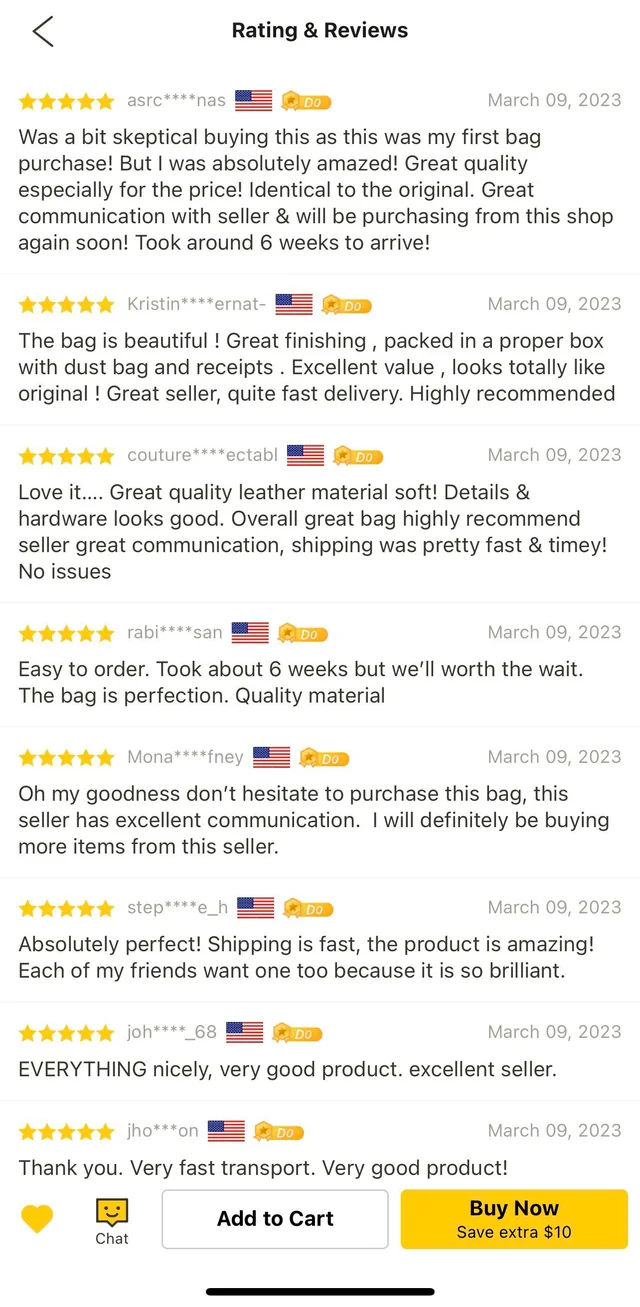
On a typical DHgate seller page, you’ll see the overall rating, store age, transaction count, and a list of written buyer reviews grouped together so you can quickly scan for trust signals.
How ordering and payment work for trouser presses on DHgate
- Open the trouser press listing you’re interested in, read the description carefully, and check any options such as voltage, plug type, size, or colour. Make sure the specifications match UK power standards and your space before adding the item to your cart.
- Go to the cart and proceed to checkout, where you confirm your delivery address, choose a shipping option, and select from DHgate-supported payment methods. You complete payment inside DHgate’s checkout rather than sending money directly to the seller or using informal off-platform transfers.
- After you place the order, DHgate processes the payment within its system and records the transaction in your account. You’ll see order updates such as payment received, seller preparing shipment, and shipped, so you can monitor the progress of your trouser press without chasing emails or private messages.
- Because payment and order status stay inside DHgate, there is a clear record of what you ordered, what you paid, and how the seller handled the shipment. I would only be comfortable ordering a bulky appliance like a trouser press when I can see those status updates and know that, if something goes wrong later, I have a platform-based trail to refer to rather than an untraceable side payment.
Shipping, delivery times, and UK customs for pressing equipment
A trouser press counts as a relatively bulky household appliance, so it is likely to cost more and take longer to ship than small accessories. Sellers may use economy or consolidated services to keep prices down, or ship from overseas warehouses, which adds extra days or weeks compared with domestic delivery.
On each DHgate listing, you can usually see the available shipping methods, estimated delivery window, and whether the item ships from within your region or from another country. I’d pay close attention to these details, favour options that include tracking, and assume that a heavy appliance will move more slowly and be more sensitive to handling than a lightweight parcel.
When a trouser press is shipped from abroad to the UK, the parcel may be assessed for import VAT and possibly customs duties based on the value of the goods and shipping. DHgate and the seller might show estimated taxes at checkout, but the exact rules and thresholds come from current UK customs regulations rather than the marketplace itself, so it’s worth checking up-to-date guidance from UK authorities and budgeting for possible charges and clearance delays before committing to the order.
What DHgate can do if your trouser press order goes wrong
If a trouser press order on DHgate goes wrong, start by contacting the seller through the order’s message panel. Explain the problem clearly—whether the press arrived damaged, is missing parts, doesn’t work, or is clearly not what was described, such as a modern unit sold as a ‘1950s’ model—and give the seller a chance to respond or offer a fix.
If that conversation doesn’t resolve things, the next step is to open a dispute from the order page within DHgate’s buyer protection period. The platform may ask you to upload photos or videos showing the condition of the trouser press, packaging, and any details that contradict the listing, and it uses this evidence, along with messages, to decide how to handle the case.
Outcomes can include a partial refund, a full refund without return, or a return‑and‑refund arrangement where you send the item back under terms set by the seller and DHgate’s rules at the time; in some cases, the dispute may be closed with no refund if the platform decides the claim is not supported. Responsibility for return shipping and other costs can vary by listing and policy, so I would only go ahead with a higher‑risk ‘vintage’ listing if I understood those terms in advance and was prepared to document any mismatch thoroughly.
Because buyer protection is time‑limited, it’s important to track delivery dates, inspect the trouser press as soon as it arrives, and keep all packaging and paperwork until you’re satisfied. Read the listing’s return or warranty terms before ordering, and note the last day you can open a dispute so you can act quickly if something is wrong.
Checks to make before buying a trouser press on DHgate
- Check the seller’s overall rating, how long their store has been active, how many transactions they’ve completed, and the tone of recent reviews, favouring longer‑standing stores with consistent, detailed positive feedback over new or low‑feedback sellers.
- Read the full product description for wording such as “vintage‑style” versus specific dates, brands, model names, or condition notes, and compare those claims with the photos to judge whether the item looks genuinely old or simply designed with a retro aesthetic.
- Look closely at listing photos for signs of wear, repairs, and modern components: power cables and plugs, control panels, indicator lights, and any refurbished parts that might suggest a newer unit being marketed as vintage.
- Confirm the stated voltage, plug type, and any compatibility notes so you know whether the trouser press can be used safely in the UK, and whether you would need an adapter or transformer.
- Review the available shipping methods, estimated delivery windows, and costs, and factor in the possibility of UK import VAT or customs charges so you have a realistic total cost and timescale before ordering.
- Check the buyer protection period shown on the order or listing page and any seller‑specific return policy, and make a note of dispute deadlines and what evidence you might need so you are ready to act quickly if the order arrives damaged, late, or not as described.
Common questions about vintage trouser presses and DHgate
Does DHgate allow second-hand or used items, and how common are they for trouser presses?
DHgate is mainly set up for new, factory-made goods, and most listings on the site are for brand‑new products. Individual merchants can, in principle, describe an item as used, refurbished, or second‑hand in their own listing text, but DHgate does not run a dedicated used‑goods marketplace or prominently badge second‑hand stock. For something like a trouser press, you should assume that genuinely used or clearly second‑hand units will be uncommon and that most results, even if they mention vintage or retro themes, are likely to be new equipment.
How can I tell if a ‘vintage’ trouser press on DHgate is genuinely old rather than just vintage-style marketing?
Treat “vintage” on DHgate as marketing language unless the listing backs it up with specifics. A genuinely older or second‑hand trouser press should have details such as an approximate manufacture year or decade, a clear brand and model name, explicit condition notes (for example, scratches, wear, or refurbished parts), and photos that show close‑ups of labels, control panels, and any signs of age. By contrast, language like “vintage-style,” “retro design,” or “classic look” with only studio‑style product images usually means a modern unit styled to look old. DHgate does not independently verify age or provenance, so if precise vintage status really matters to you, only proceed where the description and photos give enough concrete evidence and you are comfortable with the remaining uncertainty.
Are there any UK-specific customs issues for trouser presses beyond standard VAT and duties?
For UK buyers, customs, VAT, and duty rules are set by UK authorities, not by DHgate, and they can change over time. A trouser press is a relatively bulky electrical appliance, so it may fall into tariff categories that attract import VAT and, in some cases, additional duties or clearance fees when shipped from overseas. DHgate and the seller might show estimated taxes at checkout, but they do not replace official guidance. If you need exact thresholds or rates for pressing equipment, check up‑to‑date information from HMRC or other official UK customs resources and budget for possible charges and processing delays before placing your order.