
You can buy blue aluminum in many formats on major marketplaces, but you won’t find it under a single tidy category. It appears as dyed or coated sheet metal, CNC-ready plates, hardware, signage blanks, and finished décor or window products. Your real decision is not “Can I find it?” but which platform type best matches your volume, quality, and customization needs.
For a US buyer or small ecommerce business, that means first understanding what “blue aluminum” usually is, then deciding whether you’re shopping as a consumer, a small manufacturer, or a signage/industrial buyer. From there, retail marketplaces, wholesale marketplaces, and direct supplier platforms each make sense in different ways.
What “Blue Aluminum” Actually Is – and How It Shows Up Online
In most listings, “blue aluminum” means standard aluminum that’s either:
- Anodized and dyed blue. Anodizing builds a controlled oxide layer on the surface, which can absorb dye. Blue anodized aluminum is still lightweight and corrosion-resistant, but the colored layer gives extra wear resistance and a consistent blue finish.
- Coated or painted in blue. For example, pre-finished sheet used in architecture or branded products.
Manufacturers describe this as anodized blue or blue anodized sheet/plate. Flat stock is sold in multiple thicknesses and sheet sizes for fabrication, CNC engraving, panels, or decorative use, as you can see on specialized sheet suppliers like Chalco Aluminium.
On marketplaces, you’ll see blue aluminum in three broad product formats:
- Raw stock: sheets, plates, bars, and profiles. These show size, thickness, alloy, and finish (e.g., “blue anodized, 0.5-2 mm thick”), aimed at DIY, signage, or light fabrication.
- Components and hardware: blue-anodized plates for electronics enclosures, machine parts, or decorative panels.
- Finished goods: consumer products that happen to be made of blue aluminum, such as sky-blue aluminum mini blinds on Amazon that combine color, light control, and durability for home or office use.
This mix matters because buying a pack of blue anodized sheets for laser engraving is a very different platform decision than buying finished blinds for a rental property.
Platform Types Selling Blue Aluminum, Explained With Real Use Cases
You’ll encounter blue aluminum on three main platform types, each shaped around different kinds of buyers.
Retail marketplaces: consumer and micro‑business friendly
Platforms like Amazon or eBay are built around individual and small-business buyers. Blue aluminum shows up here mostly as:
- Finished décor or home products. The sky-blue aluminum blinds mentioned above are a typical example: they’re listed in Home & Kitchen, sized for specific window widths and heights, and sold per unit.
- Small packs of sheet or plate. Hobby-level quantities (a few sheets or plates) for DIY projects, model-making, or craft engraving.
Retail marketplaces tend to suit:
- One-off purchases for home or office (e.g., upgrading blinds).
- Small Etsy or Shopify sellers testing a product idea who only need a handful of panels.
- Buyers who want easy checkout and fast shipping more than deep customization.
Wholesale marketplaces: signage, OEM, and bulk
Wholesale platforms like Alibaba focus on business and institutional buyers. Blue aluminum often appears here as:
- Signage blanks and traffic sign panels. For instance, reflective blue rectangular aluminum panels marketed for traffic or safety signage, aimed at buyers who will add graphics or reflective film themselves.
- Bulk sheet and plate orders. Large runs of pre-finished blue material for fabrication or construction.
These listings often emphasize:
- Business use (traffic signs, building signage, branded panels).
- Batch ordering and long-term supply, not single pieces.
Wholesale marketplaces are a better fit if you’re a signage shop, local government contractor, or small manufacturer looking to standardize on a blue aluminum panel for a product line and you’re comfortable with higher volumes.
Supplier platforms and direct mills: engineered, consistent stock
Beyond marketplaces, many mills, service centers, and specialty suppliers sell blue anodized sheet and plate directly through their own sites or B2B portals. These channels focus on:
- Detailed alloy, temper, and finish specs.
- Repeatable quality across lots.
- Support for fabrication (cut-to-size, CNC, engraving).
This route makes sense if you care more about engineering and consistency than marketplace convenience—say, a small CNC shop producing blue aluminum instrument panels or branded store fixtures.
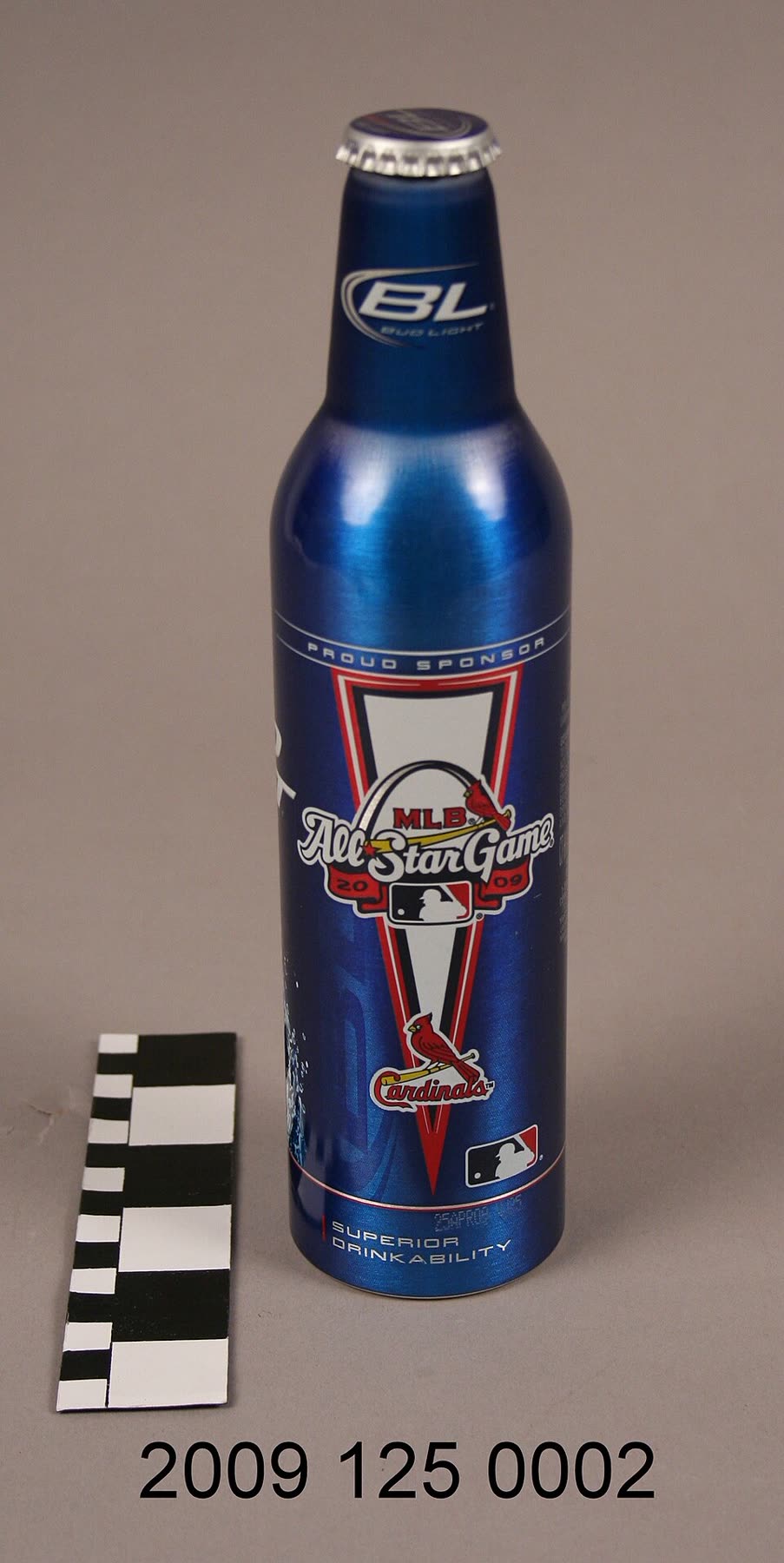
The image above is a branded aluminum bottle: a good reminder that blue aluminum isn’t just sheet stock—it’s also visible consumer packaging sold through retail channels.
Quick Comparison: Retail vs Wholesale vs Supplier Routes
Here’s how those platform types line up for typical blue aluminum scenarios:
| Buyer scenario / need | Retail marketplaces (e.g., Amazon) | Wholesale marketplaces (e.g., Alibaba) | Direct suppliers / mills |
|---|---|---|---|
| Hobbyist needing a few blue sheets | Easy: small packs, simple specs, fast checkout | Overkill: many listings assume bulk or business use | Sometimes possible but often higher minimums |
| Etsy seller testing engraved blue panels | Good: buy 5-20 sheets or finished items to test demand | Good once demand is proven and you’re ready for larger recurring orders | Strong if you want consistent material long term |
| Sign shop sourcing blue traffic sign blanks | Limited choice; sizes may not match industry standards | Strong fit: many listings are explicitly traffic/safety sign panels | Strong if you need certified panels and local stock |
| Small manufacturer standardizing a panel color | OK for early prototyping, not ideal for long-term supply | Useful for cost and supplier breadth, but requires careful vetting | Best for stable specs, repeat orders, and technical support |
| Property owner buying blue aluminum blinds | Best fit: product-level listings, color & size options, reviews | Not practical: most listings assume bulk and customization | Rare; most sell raw stock, not finished blinds |
The right route shifts once you move from “I need a few blue pieces” to “I need a reliable, spec’d material for a product line.”
Matching Platform Routes to Your Blue Aluminum Use Case
Because aluminum is light, corrosion-resistant, and recyclable, it shows up everywhere—from construction panels to transport and consumer goods, as outlined in references like Metal Supermarkets’ overview of aluminum uses. That breadth means you should choose your platform based on how you’ll actually use the blue material.
Scenario 1: Hobbyist or DIY builder
If you’re building a one-off sign, PC front panel, or art piece:
- Start with retail marketplaces or local hardware/specialty stores. You’ll find small packs of blue plates or decorative aluminum where sizes and finishes are easy to understand and you don’t have to negotiate.
- Focus on listings that clearly state thickness and finish (“blue anodized” vs “painted”) so your engraving or cutting tools behave as expected.
Scenario 2: Etsy or small ecommerce seller
If you’re engraving blue anodized panels or selling small blue aluminum décor items:
- Use retail platforms to source initial material—small quantities let you test design and pricing.
- Once you see stable demand, explore wholesale marketplaces and direct suppliers for better per-unit economics and consistent lots.
- Be prepared to request spec sheets or photos of previous batches if color consistency matters for your brand.
Scenario 3: Signage shop or B2B contractor
For traffic safety signs, building nameplates, or branded blue panels:
- Wholesale marketplaces give you global supplier options for reflective blue aluminum sign blanks and panels aimed at traffic and institutional uses.
- Direct suppliers or regional metal service centers may be preferable when you need to align with local standards or get predictable lead times.
- Cross-border orders add transit time and customs steps; factor that into project schedules and consider keeping a buffer of stock.
Scenario 4: Small manufacturer specifying blue aluminum
If you’re designing a product that always uses blue aluminum (instrument housings, furniture accents, branded fixtures):
- Use direct suppliers or mills for engineering support and long-term consistency.
- Retail platforms are useful early for prototypes, but they don’t offer much control over alloy or finish beyond basic descriptions.
- Wholesale marketplaces can supplement when you want alternative suppliers or cost comparisons, as long as you’re comfortable doing more qualification work.
Where DHgate fits in that platform picture
Alongside Amazon and Alibaba, cross-border marketplaces such as DHgate also list aluminum products and sometimes finished blue aluminum goods or components. DHgate behaves more like a marketplace layer between international sellers and buyers than a direct manufacturer.
If you look at DHgate for blue aluminum parts or décor, treat it as one option in the mix, not a default:
- Take time to compare it with other marketplaces using a broader view of platform mechanics (you can read a neutral explainer in What DHgate is and how the marketplace works).
If you’re still weighing retail vs wholesale vs supplier routes more generally, you may also find it useful to step back and look at broader marketplace mechanics in Compare online marketplaces and shopping platforms or, for China-focused options, Compare DHgate with AliExpress, Alibaba and Temu.
A few cross‑border and shipping realities for aluminum
Aluminum’s low density makes it relatively easy to ship, but two factors matter as you move online or cross-border:
- Form factor: Flat sheet and plate are more efficient to ship than bulky finished products like blinds or fixtures. If you’re a maker, it may be cheaper to import stock and finish it locally than to import finished goods.
- Damage risk vs value: Anodized and coated surfaces can scratch. For high-value blue anodized panels, it’s often worth paying for better packaging or using suppliers who regularly ship similar items.
Local stores—especially metal service centers and building-supply outlets—remain competitive for aluminum because you can inspect material before buying and avoid long transit. Online retailers and marketplaces win on selection and convenience. For blue aluminum, your best move is often a hybrid: prototype with easily sourced retail or local stock, then lock in a repeatable supplier route (wholesale or direct) once your use case is clear.