
Online “bazaar and marketplaces” today means platforms where many independent sellers share one digital space—like stalls in a traditional bazaar—so you can browse, compare, and buy in one place. Some of these platforms are built for everyday shoppers buying one item at a time; others are wholesale or B2B marketplaces aimed at small businesses importing or sourcing inventory. The right type of bazaar depends on how much you plan to buy, how involved you want to be with suppliers, and your tolerance for shipping time and complexity.
From Street Bazaar to Online Marketplace: What These Platforms Actually Are
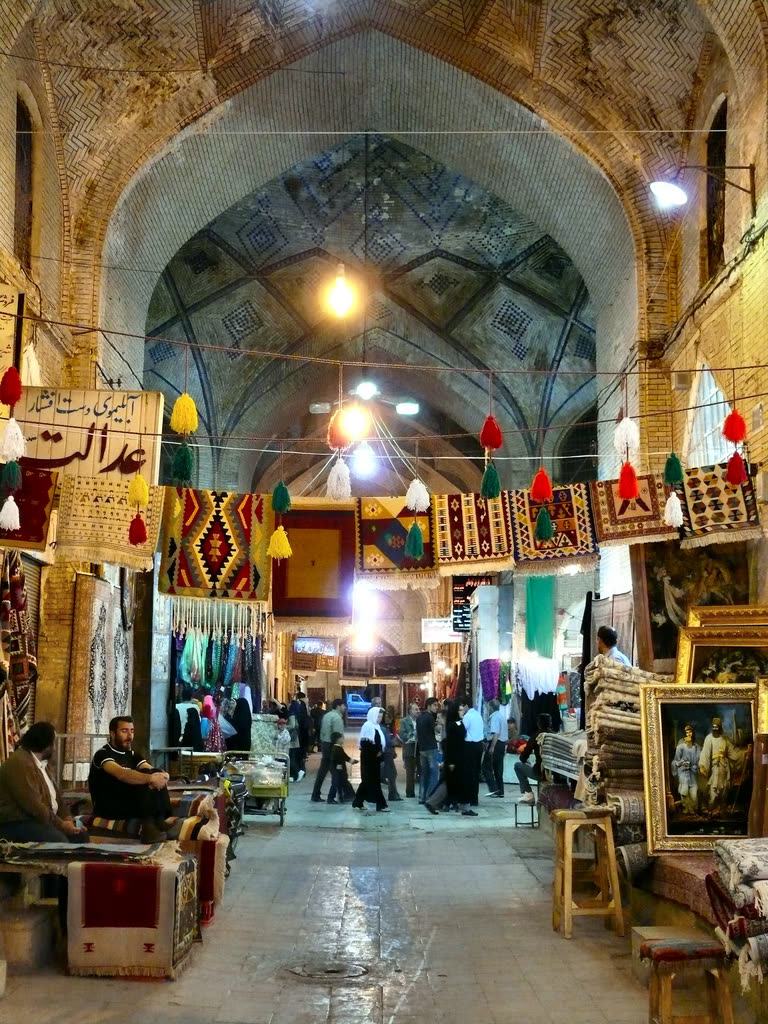
Historically, a bazaar is a physical marketplace made up of many small stalls or shops clustered along streets or under a covered roof, often acting as a commercial hub for a city or region.“Bazaar” on Wikipedia describes this multi-stall structure clearly: lots of independent merchants, side by side, each with their own goods and pricing.
A marketplace, more broadly, is any system where multiple independent sellers offer goods or services to buyers using a shared infrastructure—whether that “infrastructure” is a town square or a website.Marketplace explained frames it as a platform that connects buyers and sellers, without being the seller itself.
Online marketplaces take that bazaar idea and digitize it:
- Sellers list products on a shared platform.
- Buyers use search, categories, and filters instead of walking the aisles.
- The platform generally provides payment rails and listing tools.
Editorial coverage of online marketplaces notes common traits: wide product ranges, competition between sellers that can lead to sharper pricing, buyer/seller reviews, secure payment systems, and global reach so you can buy from sellers around the world.DHgate blog overview of marketplaces These traits are what make “online bazaars” attractive for both casual shoppers and small ecommerce operations.
Types of Online Bazaars: Retail, Wholesale, and Supplier Marketplaces
Not every marketplace works the same way. For a US buyer or small ecommerce business, three broad bazaar-style models matter most.
1. Retail consumer marketplaces
These are the platforms most US shoppers start with: Amazon, eBay, Etsy, and similar sites. Editorial guides describe them as online marketplaces where individuals or businesses list products and buyers can purchase with familiar checkout flows and protections.Online marketplaces explainer
Typical traits for retail marketplaces:
- Focus on single-unit or small-quantity purchases
- Clear product pages with reviews and ratings
- Fast or at least predictable shipping for US buyers
- Simple returns processes and strong brand expectations
For a small reseller, these platforms can also be sales channels—but as sourcing channels, they tend to be more expensive per unit and less flexible on customization.
2. Wholesale and B2B online marketplaces
Wholesale/B2B marketplaces are closer to an export bazaar. Platforms such as Alibaba and various cross-border B2B sites focus on connecting international buyers to manufacturers, trading companies, or larger wholesalers. Buyers are often sourcing in bulk and may negotiate pricing and specifications directly.
These marketplaces tend to offer:
- Tiered prices based on volume
- Minimum order quantities (MOQs), sometimes flexible after negotiation
- Direct contact with suppliers for specification changes and branding
- A mix of factory-direct listings and intermediaries
DHgate, for example, is described in editorial material as a China-based international B2B marketplace that connects global buyers with Chinese manufacturers and suppliers, often at low MOQs.How DHgate works That positions it as one of several options when you need something more “bazaar-like” than a fixed-price retail site but you aren’t ready for massive factory orders.
3. Supplier directories and lead-generation platforms
Supplier directories sit between a marketplace and a phone book. Instead of handling the full transaction, they list manufacturers, wholesalers, or service providers and help buyers discover them.
Common traits:
- Company-level profiles (not always product-level listings)
- Contact details and sometimes basic certifications or focus areas
- Deals often negotiated off-platform by email, phone, or messaging apps
For a micro-brand that wants long-term relationships, a directory can help you locate a supplier, then move the detailed negotiation and production offline. You lose some platform convenience but gain flexibility.
Comparing Platform Models and Choosing the Right Bazaar for Your Needs
You can think of retail, wholesale/B2B, and supplier directories as different “channels” into the global bazaar. Here’s a compact comparison focused on buyers and very small businesses:
| Bazaar model | Typical buyer use case | MOQ & volume flexibility (editorial view) | Relationship depth |
|---|---|---|---|
| Retail marketplace | Single items, small test orders | High flexibility for 1-5 units | Shallow; seller is often anonymous brand on platform |
| Wholesale/B2B marketplace | Reselling, private label, bulk imports | Moderate; MOQs exist but may be negotiable | Medium; repeated orders and direct messaging with suppliers |
| Supplier directory | Long-term sourcing, custom production | High; fully negotiable off-platform | Deep; direct, ongoing business relationship |
Online marketplace history sources point out that platforms like Amazon and Alibaba have driven mainstream ecommerce since the mid-1990s, creating both retail shopping channels and wholesale sourcing paths.Online shopping history As a US buyer or small ecommerce operator, you now effectively choose which kind of bazaar to walk into.
How DHgate fits into this decision
Because DHgate is framed as an international B2B marketplace connecting global buyers with Chinese suppliers, it tends to sit in the “Wholesale/B2B” row of the table above.How DHgate works It can be relevant when:
- You want lower per-unit pricing than typical US retail marketplaces.
- You need access to Chinese manufacturers or wholesalers without committing to very high MOQs.
- You’re comfortable comparing multiple suppliers and reading listing details yourself.
It’s less ideal if you:
If you’re weighing DHgate against other platforms, it’s worth reviewing broader marketplace comparisons such as online marketplaces and shopping platforms or a focused look at DHgate vs AliExpress, Alibaba and Temu to see how it stacks up in practice.
Scenario-based picks for US buyers and micro-brands
1. Casual US shopper buying occasionally You’re buying gifts, electronics, clothes, or home goods a few times a month. You care about fast shipping and familiar customer service more than saving every last dollar on unit cost. In this case, retail marketplaces like Amazon, eBay, or Etsy are usually the right bazaar: they favor low friction over maximum price optimization.
2. Side-hustle reseller or small online shop testing products
3. Micro-brand going private label You want custom packaging, maybe logo printing, and consistent supply. Supplier directories and B2B marketplaces are better suited here. Directories help you find factories, while marketplaces let you test suppliers through small orders before committing. Your decision is less about the cheapest bazaar and more about who can reliably make your product to spec.
4. Local boutique importing unique items If you run a small physical shop and want distinctive cross-border products, wholesale/B2B marketplaces are often the sweet spot. You can source limited runs from multiple suppliers, mimicking a physical bazaar’s variety inside your store. That does mean budgeting for longer shipping times and doing your own vetting.
If you decide DHgate specifically might be relevant for your sourcing, you can read a neutral overview of what DHgate is and how the marketplace works before committing to any channel.
The key is to pick the bazaar model that matches your role: shopper, reseller, importer, or brand-builder. Once you know which type of marketplace fits that role, comparing individual platforms becomes much more straightforward.