
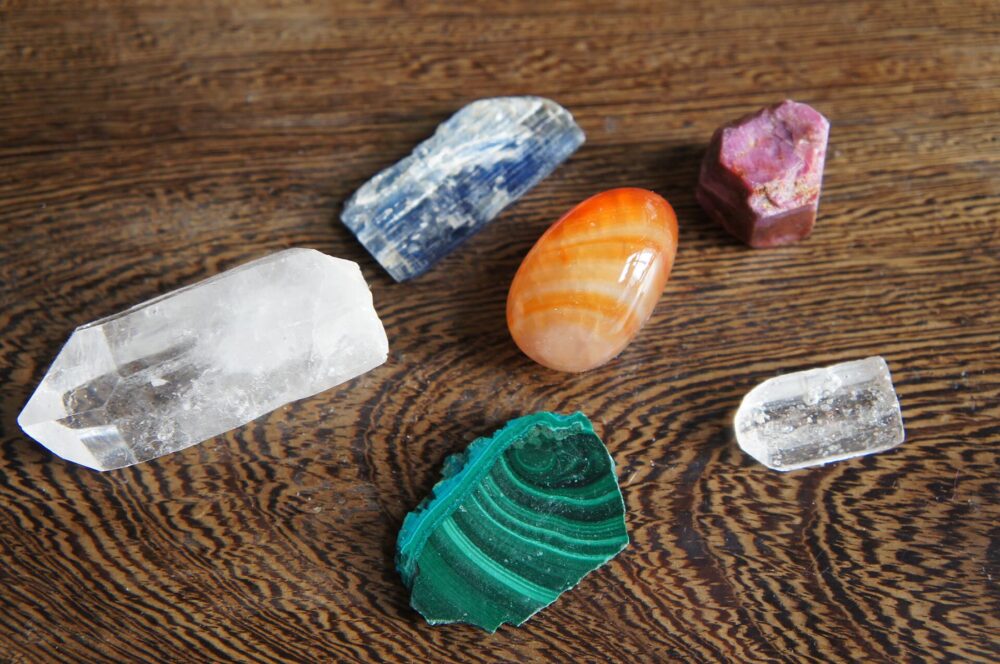
Amazon does not run a special “Gemstones and Gems” program. On Amazon, every crystal, bead strand, or rough stone you see is just part of its general marketplace, listed by thousands of independent sellers. That means the platform gives you reach and convenience, but it does not guarantee that a stone is natural, untreated, or well‑graded. Your results depend heavily on which seller you choose and how carefully you read the listing.
Independent reviewers have shown how wide this range can be. For example, CrystalsAlchemy’s review of Amazon crystal sellers tested multiple brands and ranked only a handful as consistently supplying real crystals. External rating sites like CherryPicks’ page on Hypnotic Gems track seller‑level reputation data, reinforcing the point: Amazon can work for stones, but you have to treat it as a seller marketplace, not a curated gem catalog.
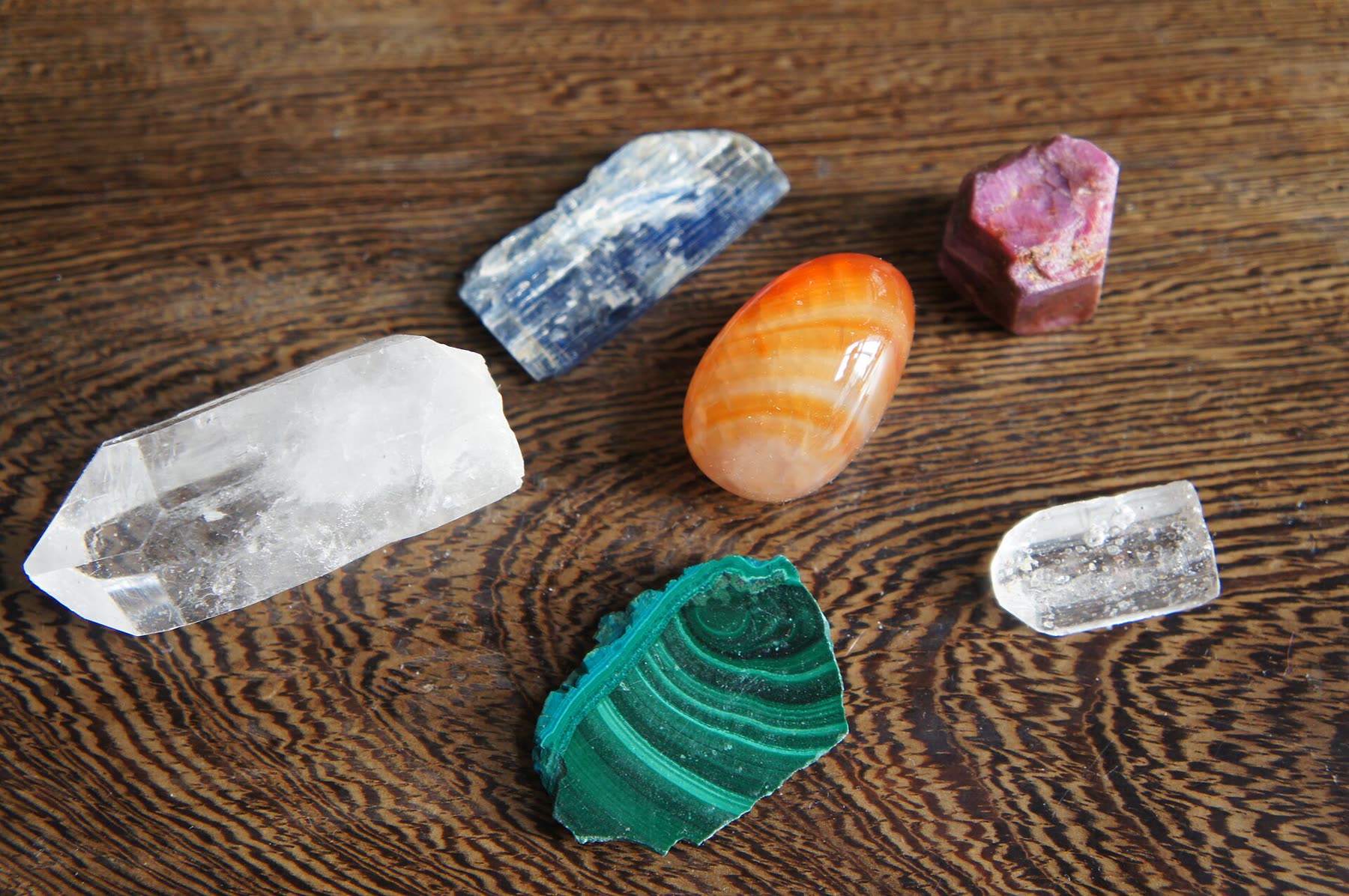
How Amazon Actually Works for Gemstones and Crystals
On Amazon you’ll find raw mineral chunks, tumbled stones, cabochons, bead strands, metaphysical crystal sets, and finished gemstone jewelry. All of these sit side by side in standard Amazon categories and search results. A single search for “amethyst crystal” can surface:
- Bulk bags of tumbled stones
- Single display pieces and points
- Jewelry components like drilled beads
- Fashion jewelry with “amethyst” in the title but unclear materials
Because Amazon is open to many third‑party sellers, listing quality and honesty vary. CrystalsAlchemy’s testing showed some Amazon sellers offering genuine stones with accurate names, while others mixed synthetics, glass, or mislabelled materials into their inventory and marketing copy.
A practical micro‑checklist while you scroll Amazon gemstone listings:
- Look for a real brand identity. Does the seller use a consistent brand name on multiple listings, and do they have off‑Amazon presence (site, social, or mention in independent reviews)? CrystalsAlchemy calls out specific brands that passed their tests, which is more useful than generic 5‑star averages.
- Check seller‑level reviews, not just product stars. Sites like CherryPicks Reviews aggregate performance across Amazon brands. Seeing a pattern of satisfied buyers for a gemstone seller can matter more than a single product’s rating.
- Read material descriptions closely. Vague phrases like “gemstone style,” “healing crystal,” or “birthstone necklace” without a clear statement of whether the stone is natural, lab‑grown, dyed, or imitation are a red flag.
Guides to buying gemstones online, such as Folkmarketgems’ advice for US buyers, stress verifying reputation and understanding treatments no matter where you shop. On Amazon, those same checks just happen in a more chaotic, mass‑market environment.
Types of Gemstone Platforms and Where Amazon Fits
If you’re deciding whether to use Amazon for stones, it helps to see where it sits among other platform types.
Here’s a simplified view:
| Platform type | Typical use for stones | How Amazon compares |
|---|---|---|
| General retail marketplace (Amazon, eBay) | Everyday buyers, small batches, kits, gifts | Huge selection, mixed seller quality, strong convenience |
| Artisan marketplace (Etsy‑style) | Handmade jewelry, custom cuts, small studio brands | More storytelling and photos; still variable authenticity |
| Specialist gem site | Loose gems, graded stones, serious collectors | Narrower selection but deeper specs and education |
| Wholesale/cross‑border marketplace (Alibaba‑style) | Bulk beads, rough, components for resale | Designed around MOQs and supplier relationships |
Editorial comparisons of gemstone marketplaces, like Hermj’s overview of online gemstone jewelry sites, highlight differences you’ll feel as a buyer:
- Pricing: General marketplaces push prices down but encourage cost‑cutting on quality. Specialist sites and established gem dealers often charge more but publish more detail on color, clarity, origin, and treatment.
- Transparency: Amazon listings may only say “natural gemstone” without supporting info. Specialist platforms often talk openly about heat treatment, dye, or lab‑grown origins, echoing the kind of clarity folkmarketgems recommends.
- Protection expectations: On any platform, you rely on its general consumer protections plus the seller’s own policies. Comparison guides focus less on specific policy text, more on whether platforms make it easy to understand who you’re buying from and what happens if the stone isn’t as described.
For small US jewelry or crystal businesses, this translates into trade‑offs:
- Amazon and similar sites are great for testing a design with a few strands or sets, or for top‑up inventory when you run short.
- Wholesale or cross‑border marketplaces (including names like Alibaba or DHgate) are often where you go once you know exactly what you need in bulk and are ready to vet suppliers directly.
If you’re new to gem quality itself, it’s worth reviewing basics like hardness (via the Mohs scale), color, clarity, and cut. Editorial guides on DHgate’s blog, such as their Mohs‑scale explainer, emphasize that hardness is only one factor and that you still need to examine color saturation, inclusions, and cut symmetry when evaluating stones, wherever you buy.
Choosing the Right Marketplace for Your Gemstone Use Case
There isn’t a single “best” platform for gemstones; it depends on what you’re trying to do and how much risk and homework you’re willing to accept.
Hobbyist or casual crystal buyer
If you’re buying a gemstone dig kit for a child, a small bag of mixed tumbled stones, or a simple beaded bracelet, Amazon is often fine:
- You can lean on listing reviews plus brand‑level reputation checks like CrystalsAlchemy’s tested seller list.
- Convenience and fast fulfillment matter more than perfect provenance.
You still want to avoid listings that hide the material type or make grand claims (“rare museum quality”) on very cheap items. Folkmarketgems’ guidance is clear that fake or misrepresented stones are common across the online market, not just Amazon, especially at extremely low price points.
Small jewelry brand or Etsy seller sourcing components
If you’re a US‑based maker sourcing gemstone beads or cabochons for resale:
- Use Amazon for experiments and small runs. Buy limited quantities from sellers that have both strong on‑Amazon reviews and some third‑party validation (e.g., mentioned positively in an independent guide).
- Move recurring designs to more controlled channels. Once you know what you want—say, a specific grade of garnet rondelle or labradorite cabochons—specialist bead or gem suppliers and wholesale marketplaces give you more control over specs, continuity, and price.
Metaphysical shop or crystal reseller
If your business sells crystals for metaphysical use, your customers often care about both appearance and perceived authenticity.
In that case, Amazon is best treated as a secondary source:
- Use it for display props, lower‑priced sets, or to fill gaps when local and specialist suppliers are out of stock.
- Build your core assortment through suppliers who are willing to discuss origin, treatment, and ethical sourcing in more detail than a typical Amazon listing.
Hermj’s comparison advice—that serious gemstone buyers should favor platforms with clearer seller identities and descriptions—aligns well with this. It’s hard to tell the story behind a stone if your only documentation is “Ships from Amazon seller X.”
Quick platform sanity check
Before you decide “Amazon vs. elsewhere” for a specific gemstone project, run through this short decision filter:
- Quantity: If you need a handful of stones or strands, Amazon or an artisan marketplace is fine. For hundreds or thousands of units, look at wholesale and cross‑border marketplaces.
- Specification: If you care about exact grade, treatment disclosure, or origin, lean toward specialist gem sites and well‑known dealers.
- Speed vs. control: If you need stones next week and can tolerate some variation, Amazon has the edge. If you’re building a brand line you’ll sell for years, invest time in sourcing channels that give you more direct control.
For broader context on how platforms differ beyond gemstones, you can explore online marketplaces and shopping platforms or deeper comparisons such as DHgate vs AliExpress, Alibaba and Temu. The key takeaway for stones: Amazon is a convenient retail marketplace with uneven gemstone quality, workable for small purchases and tests, but serious stone buyers and small brands should treat it as one channel among several—not as their only source.