
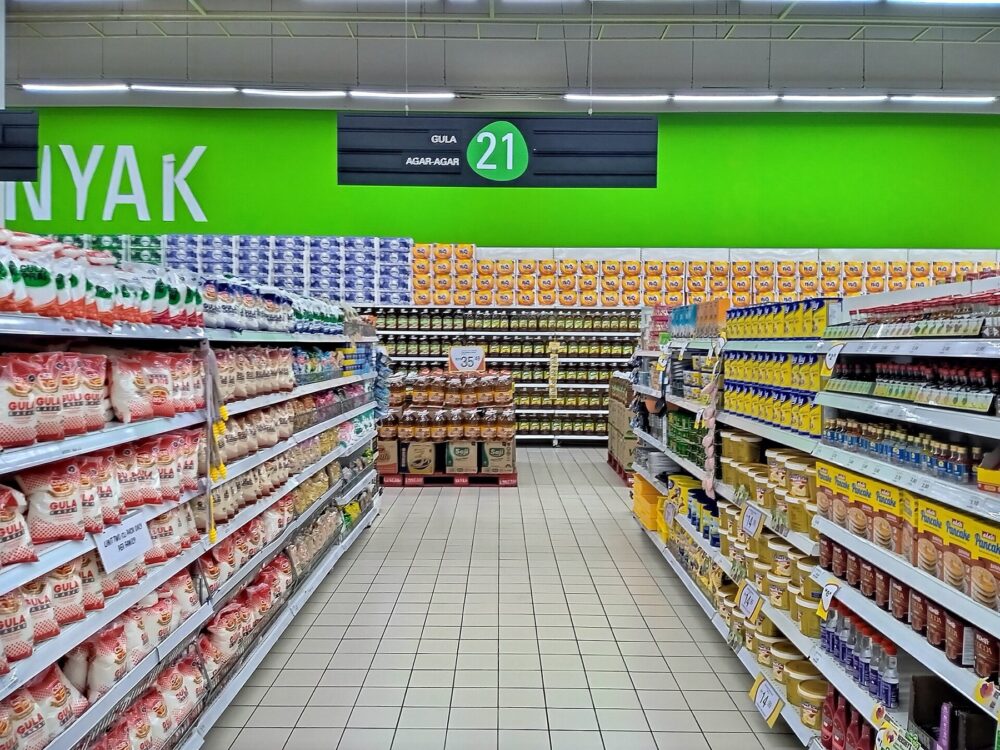
You can buy agar agar powder and gel in the US from three main types of platforms: everyday retail (grocery and Amazon-style sites), specialist ingredient suppliers, and wholesale B2B marketplaces. For home cooking, mainstream retail is usually simplest. For a cottage-food operation or small brand that needs bulk, consistent gels, specialist suppliers or cross-border marketplaces can make sense—if you’re ready to handle more verification and paperwork yourself.
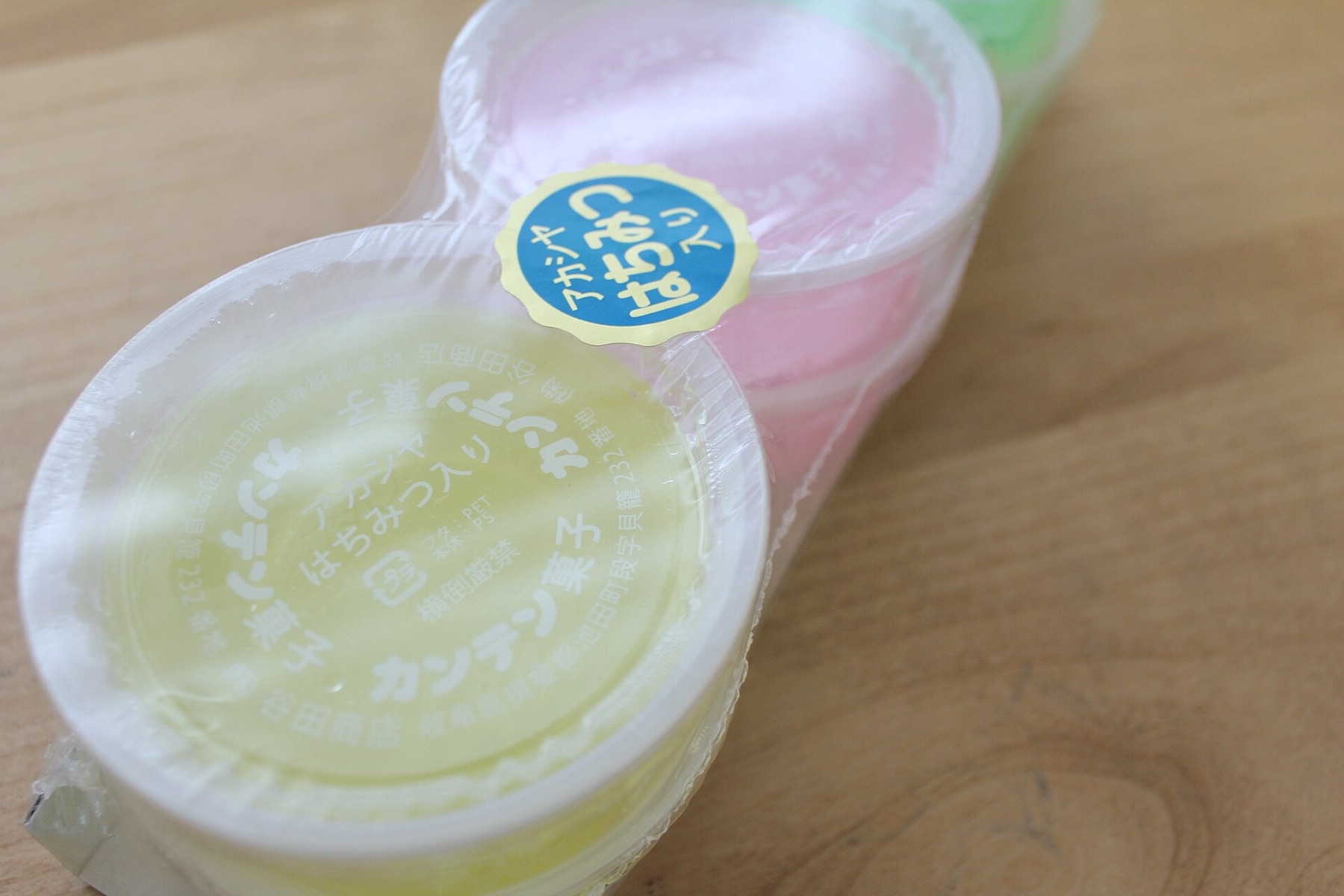
Agar agar is a plant-based gelling agent extracted from red algae and is widely used as a vegan alternative to gelatin in desserts and other foods.scienceinsights.org/what-is-agar-agar-powder-and-how-do-you-use-it In US stores it usually appears as food-grade powder or flakes in small packets under a few ounces, often near baking supplies or in the international/Asian aisle.https://www.foodchamps.org/buy-agar-powder-in-grocery-store That consumer-facing packaging is convenient, but it hides most of the specs that serious buyers care about.
The Agar Agar Buying Landscape for US Shoppers
If you’re just trying to make vegan jellies at home, your options are straightforward:
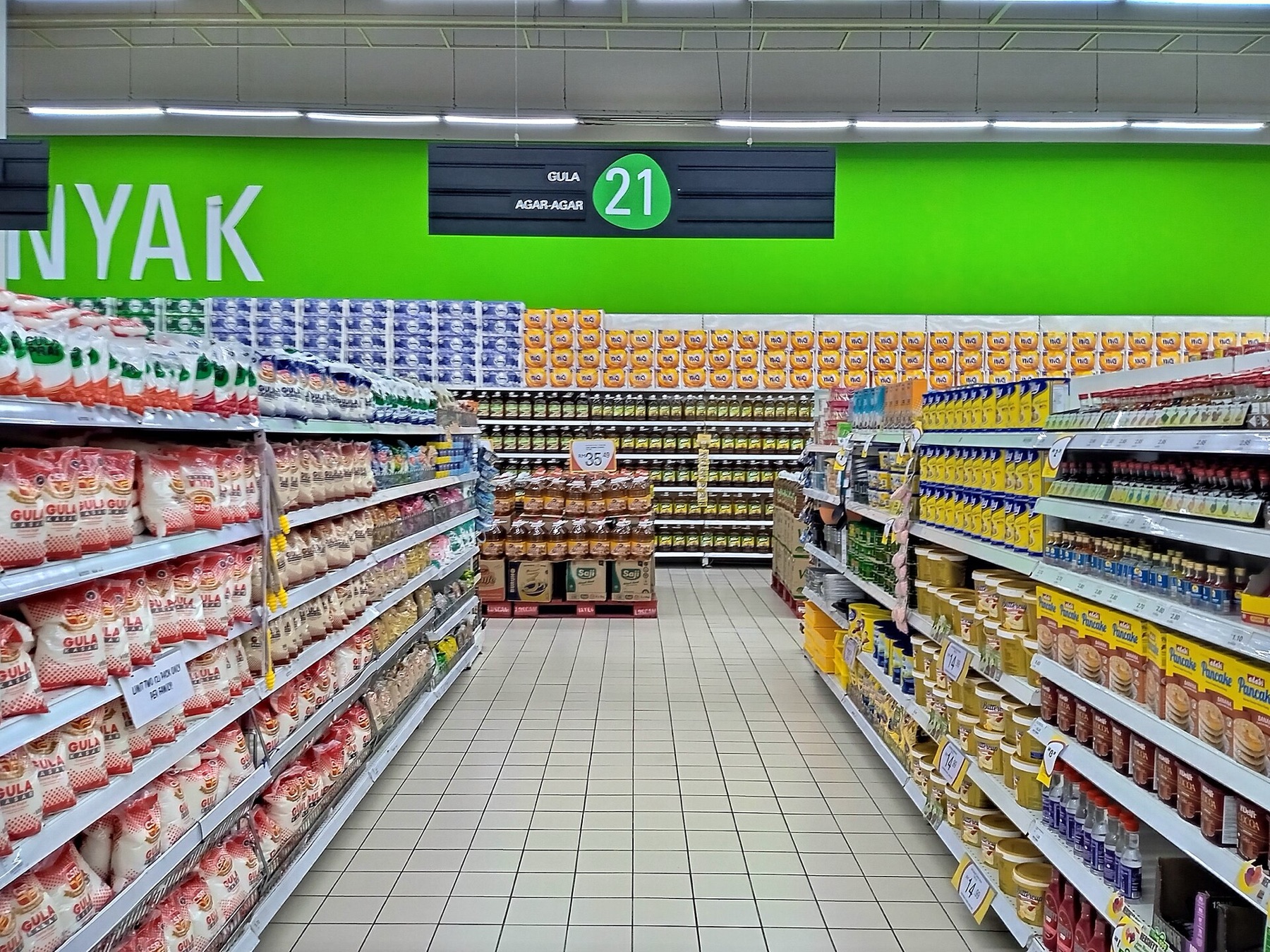
- Local grocery chains and Asian markets. Many carry agar in small sachets or boxes, labeled simply as “agar” or “agar powder.” Pack sizes work for recipes, not for production.
- Retail marketplaces like Amazon. These add brand variety and often highlight “vegan gelatin alternative” positioning, but still focus on consumer packs.
US buyers with business needs start to look beyond that:
- Specialty food and ingredient sites. Some niche vendors sell agar by the pound or kilo, sometimes with more detail on the product page (seaweed origin, typical gel strength). Their packaging is still food-grade and ready for kitchen use.
- Wholesale/B2B marketplaces. Platforms such as Alibaba host listings of agar agar powders aimed at manufacturers, labs, and food brands. These are often offered in bulk (bags or drums) with technical specs and minimum order quantities.
The landscape is basically split between “buy it like a home cook” and “buy it like a manufacturer.” The more you look like the latter, the more you’ll be interacting with platforms built for B2B trade, not casual shopping.
How Platform Types Handle Quality, Pack Size, and Documentation
The quality of agar agar matters more once you’re selling food or using the gel for repeatable results. Better suppliers talk about factors like:
- Seaweed source. Agar made from Gelidium typically gives a stronger, clearer gel than Gracilaria-based product.https://commercialtoolry.com/materials/how-to-choose-agar-agar-powder-900-strength-a-complete-buying-guide
- Gel strength. Often described in g/cm² or as a “900 strength”-style figure; higher numbers mean firmer gels.
- Purity and ash content. These influence clarity and texture.
Different platform types expose those details very differently.
Quick comparison by platform type
| Platform type | Typical pack sizes | Quality info shown | Docs & interaction |
|---|---|---|---|
| Grocery / mass retail sites | 1-4 oz consumer packs | Basic label, maybe “vegan” | Standard ingredient label only |
| Specialist ingredient sites | 8 oz–1 lb bags, some bulk | Seaweed source, sometimes strength | Email or phone for spec sheets |
| Wholesale B2B marketplaces | 25 kg bags, drums, bulk | Gel strength, purity, origin, grade | Messaging to request COAs, certificates |
Wholesale marketplaces like Alibaba commonly list agar agar powders with technical specs such as gel strength, purity, and sometimes origin or grade, aimed at business buyers comparing inputs.https://plantin.alibaba.com/buyingguides/agar-agar-powder On those listings, you’ll often see:
- A range of gel-strength values.
- Statements about the seaweed species used.
- Notes on whether the product is food-grade, industrial-grade, or lab-grade.
Buyer guides for food businesses repeatedly recommend asking suppliers for certificates (for example vegan, kosher, or halal), lab test reports, and proof of reputation when you’re sourcing agar that will go into products for sale.https://veganfoundry.com/where-to-buy-agar-agar-powder Retail platforms seldom surface that detail; on B2B marketplaces, it’s something you request or download, not something baked into a consumer-style product page.
Matching Platforms to Home Use, Cottage Food, and Small Brand Needs
The right buying route changes once you move from a single kitchen to repeated production.
Scenario 1: Home cook or hobby baker
If you’re setting vegan pannacotta or fruit jelly for yourself:
- Platform fit: Local grocery, Asian market, or retail sites like Amazon.
- Why: Small packs, familiar brands, simple returns through normal retail channels.
- Trade-offs: Limited technical information. If a recipe fails, you’ll troubleshoot by brand rather than by gel strength specs.
For this use case, going into wholesale marketplaces usually adds more complexity than benefit.
Scenario 2: Cottage food or micro e-commerce seller
Running small batches from a home or shared kitchen, you need stability from batch to batch but probably don’t need a pallet of agar.
- Best starting point: Specialist ingredient suppliers or retail packs from consistent brands.
- Look for: Product pages that mention seaweed source (Gelidium vs Gracilaria) and at least a rough gel-strength description.https://commercialtoolry.com/materials/how-to-choose-agar-agar-powder-900-strength-a-complete-buying-guide
- Documentation: Start collecting labels, any spec sheets the supplier will share, and certificates relevant to your customer base (vegan, kosher, etc.) where available.https://veganfoundry.com/where-to-buy-agar-agar-powder
Wholesale marketplaces can work here only if you’re comfortable with higher minimum orders and the legwork of checking supplier documents yourself.
Scenario 3: Small brand or food producer scaling up
If you’re moving into regular production or private-label products, your agar purchase begins to look like an industrial input.
Buyer guides for agar stress that cross-border sourcing via marketplaces can suit small brands needing bulk powder, but minimum order quantities tend to be higher and you shoulder more responsibility for verifying specs, certificates, and supplier reliability.https://plantin.alibaba.com/buyingguides/agar-agar-powder
For this scenario:
- Domestic options: Ingredient distributors and specialty importers with published specs and existing US customers are often the least-friction path.
- Cross-border marketplace options: Platforms like Alibaba, and sometimes general marketplaces such as DHgate, list bulk agar from overseas suppliers. These can help you explore lower per-kilo pricing or specific grades, but you must independently review each listing, request lab reports and certifications, and assess the seller’s track record.
- Trade-offs: You’re trading retail-style convenience for more control over technical parameters and packaging—along with extra work on documentation and any regulatory or labeling obligations your products face.
If you do consider DHgate or another broad marketplace for agar, treat it as one sourcing channel among several, not a shortcut. It helps to first understand how these marketplaces work overall, for example through an explainer like What DHgate is and how the marketplace works or broader comparisons such as online marketplaces and shopping platforms and DHgate vs AliExpress, Alibaba and Temu.
Across all three scenarios, the decision isn’t “where’s the cheapest agar” so much as “how much control do I need over gel strength, purity, and documentation—and which platform type actually surfaces that information.” Retail sites win on simplicity, specialist suppliers balance access and detail, and wholesale marketplaces reward buyers willing to do more homework for bulk and spec choice.