
If you’re just grabbing a 4‑pack of AA alkalines for the TV remote, local stores in Australia are usually the easiest option and the overall cost difference is minor. As soon as you move to 20-40+ cells at a time—whether for a busy household, office, or small ecommerce business—multi‑packs and bulk listings online usually bring the per‑battery price down, even after shipping. Most buyers end up using a mix: supermarkets and big‑box chains for emergencies, online retail marketplaces for mid‑size packs, and wholesale‑style channels only when volumes and margins justify the extra complexity.
This page looks at which buying platforms make sense for AA alkaline batteries in Australia, rather than pushing a single marketplace. You’ll see how local chains like Woolworths and Officeworks, specialist stores like Jaycar, global retail marketplaces like Amazon.com.au, and cross‑border wholesale sites each fit different kinds of battery demand.
AA Alkaline Batteries and the Australian Buying Landscape
AA alkaline batteries are 1.5 V, non‑rechargeable cylindrical cells widely used in household devices such as remote controls, toys, torches, wireless keyboards and bathroom scales. The AA format and alkaline chemistry are popular because they’re affordable, disposable, and offer steady output with a relatively long shelf life when stored correctly.Source
In Australia, AA alkaline cells are deeply embedded in mainstream retail:
- Supermarkets and discount chains such as Woolworths and Kmart list AA alkaline multi‑packs from brands like Energizer and Duracell. For example, Woolworths sells Energizer Max AA alkaline batteries in standard consumer pack sizes.Source
- Officeworks has an AA batteries category featuring AA alkaline packs from brands like Energizer, often in 10‑, 24‑ or similar multi‑pack configurations.Source
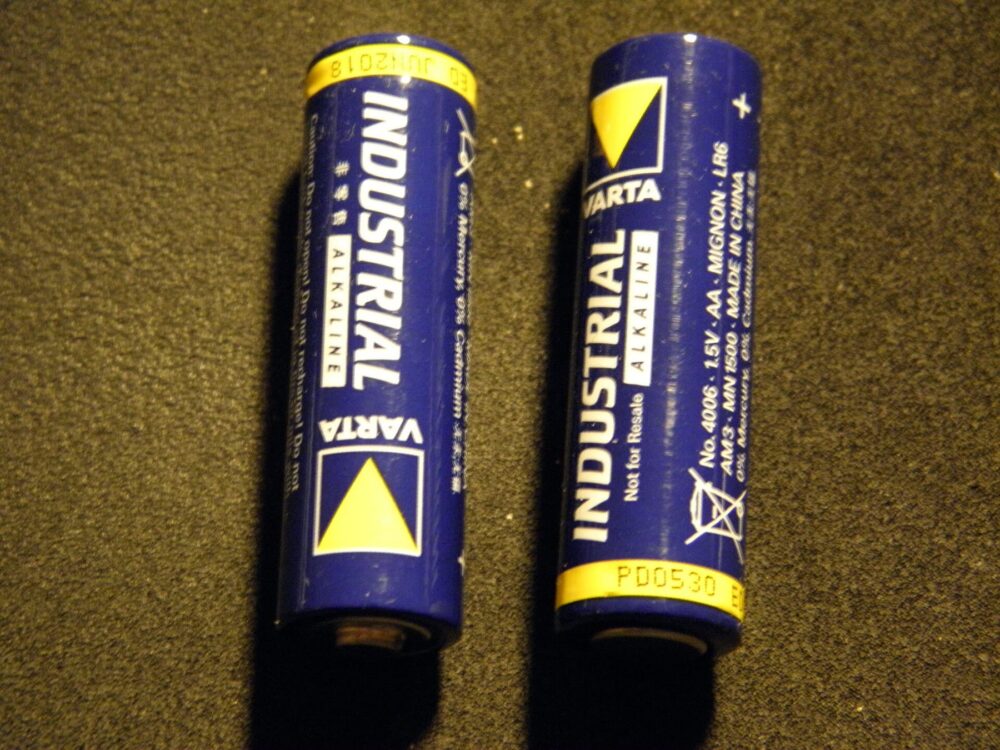
- Bunnings offers large AA alkaline packs such as Varta AA alkaline batteries in 30‑pack formats, catering to DIY users and households that burn through cells in torches and tools.Source
- Jaycar and Battery World stock non‑rechargeable alkaline batteries, including bulk‑style packs of Eclipse and other labels for more technical or high‑usage buyers.Source
Parallel to that domestic layer, you have online retail marketplaces (Amazon.com.au, eBay) and cross‑border wholesale platforms that let Australian buyers import larger volumes from overseas. The result is a layered market: you can buy the same basic AA alkaline format via a quick supermarket run, an Amazon delivered multi‑pack, or a high‑volume order from an overseas supplier.
Alkaline chemistry itself is widely used in everyday devices and is generally cheaper than many lithium options for low‑ to moderate‑drain applications.Source
Platform Types for Buying AA Alkaline Batteries
Here’s how the main platform types work in practice for AA alkaline batteries.
1. Supermarkets and discount department stores
Chains like Woolworths, Coles, Aldi, and Kmart treat AA batteries as a fast‑moving convenience item.
- How they operate: Batteries sit in general merchandise aisles and at checkouts. The mix is heavily skewed toward known brands (Duracell, Energizer) plus house brands in small and mid‑size packs.
- What this means for you: Ideal for “need it now” purchases and small quantities. You get predictable brands and don’t have to think about shipping. Per‑cell pricing on 2‑ to 4‑packs is typically higher than what you’d see if you bought larger multi‑packs elsewhere.
2. Big‑box and office supply chains
Stores like Officeworks and Bunnings bridge the gap between household and light commercial usage.
- Officeworks groups AA batteries under a dedicated category and offers AA alkaline multi‑packs (for example, Energizer Max AA alkaline 10‑packs).
- Bunnings lists larger multi‑packs such as Varta AA alkaline 30‑packs.Source
- What this means for you: These platforms suit people who routinely buy more than a handful of cells but don’t necessarily want cross‑border shipping. The pattern is lower per‑cell cost than supermarkets’ small blister packs, with simple click‑and‑collect and delivery options.
3. Specialist electronics and battery retailers
Retailers like Jaycar and Battery World focus on power and electronics.
- How they operate: They carry a wide range of non‑rechargeable alkaline batteries (including AA) and often bulk boxes alongside smaller retail packs, plus in‑store technical advice.Source
- What this means for you: Better suited to offices, small workshops, and resellers who care about consistent specifications and bulk packaging. Per‑cell prices can be competitive once you’re into 30-40+ units. For one‑off emergency purchases, these shops are usually more than you need.
4. Retail marketplaces (Amazon, eBay and similar)
Global retail marketplaces offer both branded and own‑brand AA alkaline batteries.
- Amazon.com.au sells Amazon Basics AA alkaline batteries in multi‑packs to Australian buyers.Source
- eBay listings range from local resellers offering branded multi‑packs to overseas sellers offering generic AA alkaline cells.
- How they operate: These platforms aggregate many sellers. You can filter by location (Australia vs overseas), brand, and pack size, and see customer ratings.
- What this means for you: They’re often a sweet spot for mid‑size bulk buys—say tens of cells—where you want better pricing than supermarkets but don’t need freight pallets. You do need to check seller location and pack specs to avoid long shipping times or mismatched chemistries.
5. Cross‑border wholesale marketplaces and supplier platforms
For true bulk and cross‑border sourcing, you move into wholesale‑style platforms.
- Alibaba and similar sites connect you directly with manufacturers or large traders, usually overseas, offering AA alkaline batteries in large cartons with options such as custom branding.
- DHgate is a cross‑border wholesale marketplace whose own editorial content describes suppliers selling battery products, including standard sizes such as AA, to buyers in countries such as Australia.Source
- Direct supplier platforms (manufacturer websites or B2B portals) may accept export orders for AA alkaline cells.
- What this means for you: These channels start to make sense only once your volumes are high enough that unit cost and branding matter more than freight, lead times, and import paperwork. They are geared more to ecommerce sellers and corporate buyers than casual consumers.
Comparing Channels and Matching Them to Your AA Battery Needs
You’re not choosing a single “correct” channel; you’re matching platforms to how many AA alkaline batteries you actually go through and how much complexity you’re willing to manage.
Below is a simplified comparison of how the main platform types stack up for Australian buyers.
| Platform type | Typical AA alkaline pack sizes | Per‑cell price pattern (general) | Convenience & speed | Best‑fit scenarios |
|---|---|---|---|---|
| Supermarkets / discount stores | 2-4‑packs; some 8-12‑packs | Highest on small packs | Very high – walk‑in or same‑day | Occasional home use, emergencies |
| Big‑box / office supply (e.g., Officeworks, Bunnings) | Around 10-30‑packs (e.g., Varta 30‑packs) | Lower than supermarkets for 10+ | High – click‑and‑collect, regular delivery | Busy households, small offices |
| Specialist battery / electronics stores | 20-40‑packs and bulk cartons | Competitive once you buy dozens | Moderate – store trips, business ordering | Offices, workshops, small resellers |
| Retail marketplaces (Amazon, eBay) | Multi‑packs from about 10 up to 100+ cells | Often low for mid‑size bulk | Moderate to high – depends on seller location | Households and offices buying in bulk, online‑first shoppers |
| Cross‑border wholesale (Alibaba, Cross-border multi-seller, supplier sites) | Cartons, often hundreds+ cells | Designed for low unit cost at high volume | Low on speed; longer lead times and import steps | Ecommerce sellers, corporate procurement |
The general pattern is that per‑cell prices tend to fall as pack size increases, especially once you move from supermarket blister packs to multi‑packs from big‑box chains, specialist retailers, or online marketplaces. Crossing borders to wholesale platforms can reduce unit cost further, but only if your order volumes and logistics setup justify the extra effort.
Scenario‑based routes for Australian buyers and small ecommerce businesses
1. Ordinary household user
You replace AA batteries in remotes and kids’ toys a few times a year.
- Supermarkets or Kmart are still fine for very small, urgent needs.
- You’ll usually pay less per battery by stepping up to a 10‑ or similar multi‑pack from Officeworks or a multi‑pack from a marketplace such as Amazon.com.au.
- Cross‑border wholesale channels are rarely necessary for this profile.
2. Home office or small business
Wireless keyboards, mice, and security sensors can chew through AA alkalines.
- Buying mid‑size multi‑packs (around 24-30 cells) from Officeworks, Bunnings’ Varta packs, or bulk boxes from specialist retailers typically reduces your per‑cell cost without adding much risk.
- Retail marketplaces become useful when you want delivered multi‑packs and you’re comfortable filtering for reputable sellers and practical shipping times.
3. Small ecommerce reseller
If AA alkaline batteries are part of your catalog, the platform choice is more nuanced.
- For modest volumes or add‑on bundles, sourcing locally via specialist retailers or domestic wholesale accounts keeps logistics simple and avoids cross‑border battery‑shipping constraints.
- Once you’re ordering hundreds or thousands of cells at a time and need to protect margins, exploring supplier platforms or wholesale marketplaces (such as Alibaba, DHgate or manufacturer portals) can be worthwhile. In that case you’d compare landed cost and regulatory requirements against local wholesale pricing, and verify individual suppliers carefully.
Across all three scenarios, the broad pattern holds: buying AA alkaline batteries in larger multi‑packs—usually via big‑box chains, specialist retailers, or online marketplaces—tends to be cheaper per cell than picking up single blister packs in local supermarkets. The more volume and commercial intent you have, the more it makes sense to add marketplaces and wholesale platforms to your mix, while keeping an eye on shipping times and any carrier limitations on battery transport.