
You can use A5 labels for shipping and mailing if your address block and any barcodes fit cleanly within the roughly 148 x 210 mm sheet and remain easy to read and scan once applied to the package. For a US small business, the real decision is whether that larger format works with your carrier’s label layout and your printer setup, then choosing the right platform—retail, marketplace or specialist supplier—to source both an A5-capable printer and the label stock.
Most US shipping workflows standardize on 4×6 thermal labels because they’re compact and work smoothly with many carrier integrations. If you decide to experiment with A5, confirm in your shipping software documentation that you can export or print labels onto larger sheets without shrinking barcodes or the address too far.
A5 Labels and Printers: What They Are and When They Work for Shipping
A5 labels are adhesive sheets roughly 148 x 210 mm (about 5.8 x 8.3 inches). Vendors such as APLI and A4labels sell A5-size sheets specifically as blank labels, typically on paper you can run through common office printers.
Many sites, including Evolabels, market these for address labels, packaging and organizational uses, not just warehouse barcodes. You’ll see templates for portrait and landscape layouts, multi-label per sheet, or single large labels that cover most of the page.
An “A5 label printer” isn’t always a separate product line; it’s often either:
- A sheet-fed inkjet or laser printer that can handle A5 trays and print onto label media.
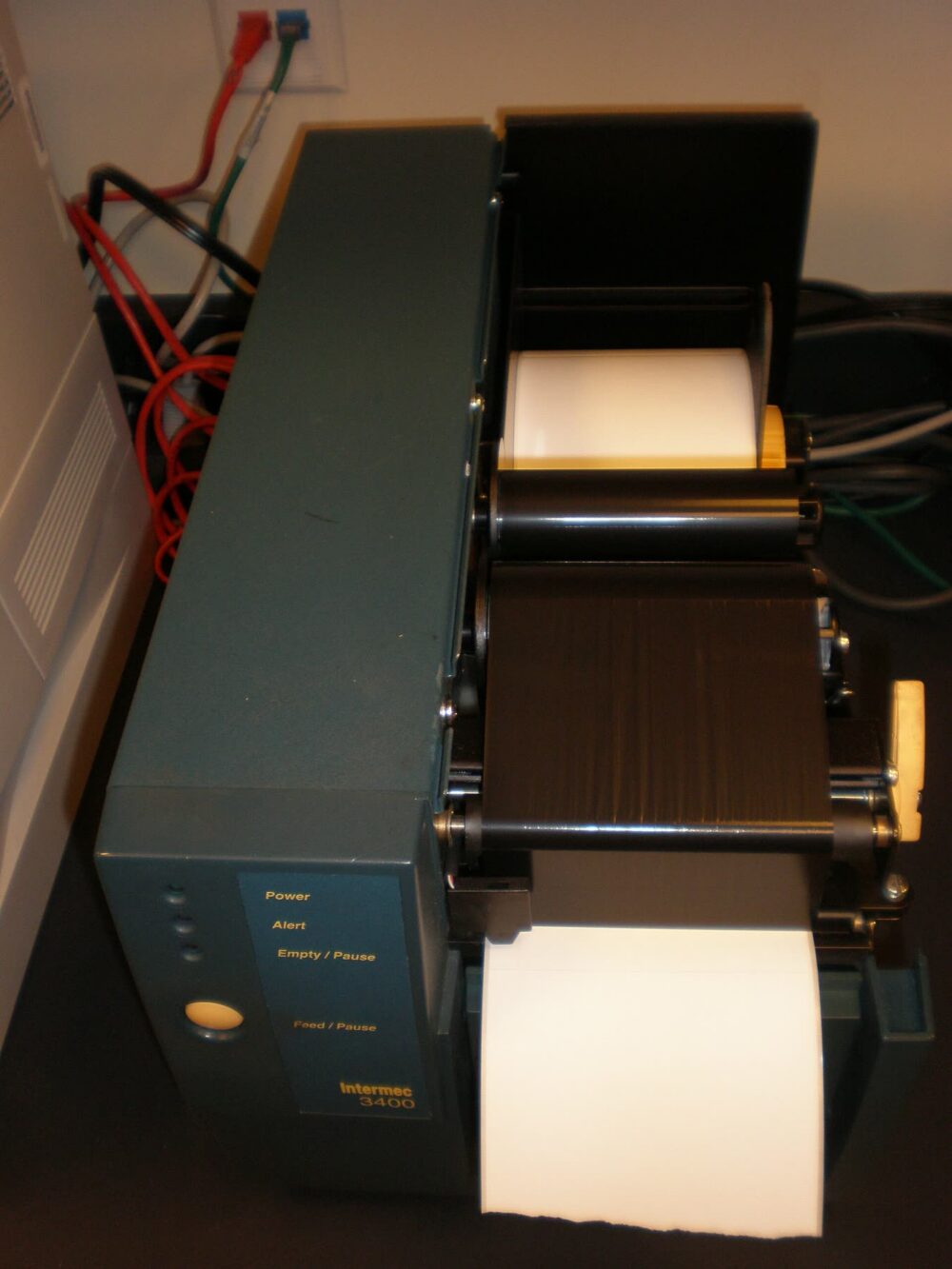
- A configurable thermal printer that accepts roll or fanfold media cut to dimensions similar to an A5 sheet. Industrial units like the Microplex logiJET T6-2 are designed to handle different label sizes for logistics applications.
For shipping use, the key question is layout, not just size:
- Barcodes and 2D codes need quiet zones and enough resolution to scan.
- Addresses must be readable at arm’s length and placed where carriers expect them.
- Optional branding (logo, return address, warnings) shares the same space.
On an A5 sheet, you have plenty of real estate. That’s helpful if you ship fragile items and want big handling instructions, or if you add return labels and marketing copy. It’s less helpful if your fulfillment workflow is tuned for 4×6 labels from a thermal printer—switching to A5 might slow packing or waste label area.
A5 works best when:
- You already use an office printer and want to stick with sheet labels.
- Your label templates (from Shopify, WooCommerce, marketplace tools or desktop software) can be resized to fill A5 without shrinking barcodes.
- You mail envelopes and small parcels where a large address/branding block looks professional.
It’s a poor fit if your operation depends on speed from dedicated thermal shipping-label printers and pre-sized 4×6 media.
Platform Options for Buying A5 Label Printers and Labels
You have three broad platform types for sourcing A5-capable printers and labels: general retail marketplaces, B2B/wholesale marketplaces, and specialist label suppliers.
Here’s a compact comparison focused on how each type typically handles label media variety, order size and cross-border sourcing:
| Platform type | Typical order size focus | A5 / large-sheet label variety | Cross-border sourcing role |
|---|---|---|---|
| Retail marketplaces (Amazon, eBay) | Consumer to small-business; single boxes or small multi-packs | Mixed: a blend of A5 sheets and more common sizes like 4×6 and A4 | Optional; many US-local listings, some overseas sellers |
| B2B marketplaces (Alibaba-style, Cross-border multi-seller) | Business buyers; cartons or bulk lots | Often broad: unbranded A5-compatible media plus generic logistics labels | Core; designed for cross-border supplier discovery and bulk orders |
| Specialist label/print suppliers (A4labels, similar sites) | Small to mid-sized business; repeat shipments | Targeted: clearly specified A5 labels and related formats | Secondary; primarily regional but may ship internationally |
Retail marketplaces (Amazon, eBay, etc.)
Retail marketplaces are usually the easiest starting point for US micro-sellers. You’ll find A5-compatible sheet labels, generic office printers with A5 trays, and sometimes compact thermal printers marketed for shipping. Search results tend to show single packs or modest multi-packs rather than true wholesale lots. That suits you if you ship dozens of parcels a month and want to test A5 without committing to cases of label stock.
Media variety is broad but uneven: you’ll see everything from branded stationery-style A5 labels to generic office supplies, alongside common 4×6 and A4 formats. The trade-off is simplicity and fast ordering versus occasionally sparse technical detail in listings.
B2B and cross-border marketplaces
On B2B platforms, A5 label printers show up as a distinct segment. Alibaba’s electronics buying guide, for example, discusses business-focused features like media flexibility and connectivity for A5-capable devices. Similar marketplaces can list both unbranded and OEM-style A5-capable printers plus bulk A5 labels.
DHgate is one such cross-border marketplace: you may see A5-capable label printers and adhesive sheets offered by individual sellers. If you go this route, treat each listing as its own business deal—confirm media size support, interface options (USB, network, Bluetooth) and label material directly in the product description and with the seller before you commit. Don’t assume every “label printer” is tuned for your exact A5 workflow.
For US buyers, cross-border B2B platforms are most attractive when unit cost and access to niche hardware or bulk media matter more than fast, predictable delivery—for example, stocking a year’s worth of A5 sheet labels for a growing shop.
Specialist label and printing suppliers
Specialist sites like A4labels focus on adhesive media. Their A5 products tend to have clear specs: sheet size, label layout, adhesive type, and printer compatibility (inkjet vs laser). Some also distribute or recommend printers that handle those sheets.
Other suppliers and manufacturer channels, such as A5 IT’s label-printer catalog or industrial vendors behind devices like the logiJET T6-2, cater to business buyers who need configurable systems and known media performance.
These platforms lean toward predictable quality and repeatability. You may pay more per sheet than on a mass marketplace, but you’re trading for stable specs and support rather than chasing the lowest price from a rotating pool of sellers.
Why printer type still matters
General label-printer guides, such as the overview on TechRadar, highlight a core reality: you need to match printer type to media and volume. For A5 shipping labels, that translates to:
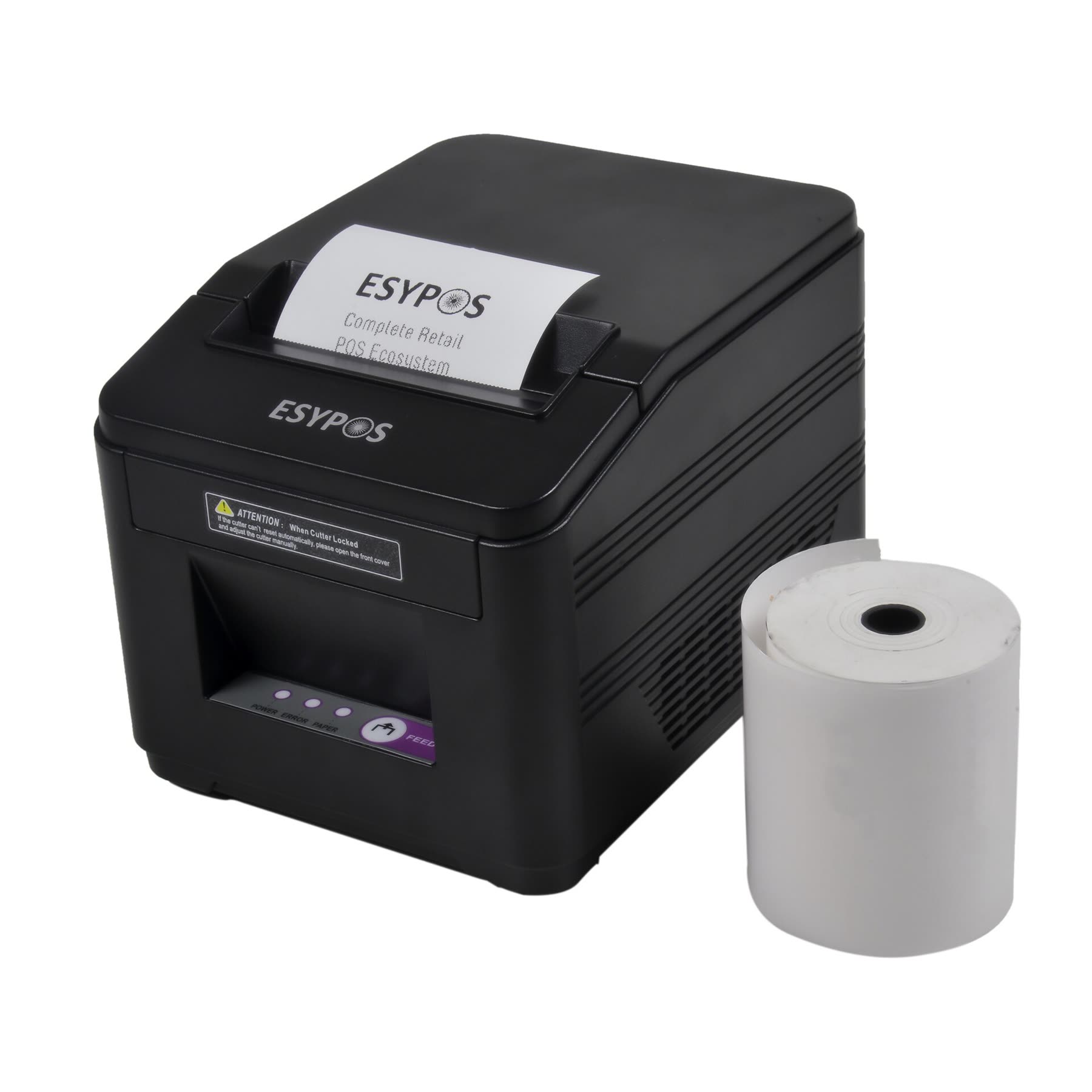
- Thermal printers if you want fast, durable, no-ink labels and can source A5-like media in rolls or fanfold.
- Inkjet/laser printers if you prefer sheet-based workflows, color logos, and flexible formatting at lower upfront hardware cost.
Platforms differ mainly in how wide a hardware range they expose and how clearly they document which media is compatible.
Matching Platform Types to Your Shipping Volume and Risk Tolerance
To pick a platform route, start with two numbers: how many labels you print per month, and how much uncertainty you’re willing to accept on delivery times and product specs.
Scenario 1: Hobby seller or very small ecommerce shop
You ship 20-100 parcels a month, maybe from Etsy or a small Shopify store. You likely:
- Already own an inkjet or laser printer.
- Want simple, adhesive sheets that handle addresses and basic branding.
Retail marketplaces or specialist label sites are a practical choice. Buy a small A5 pack, print test labels from your shipping software, and confirm that barcodes scan and addresses read cleanly. If everything looks good, reordering from the same supplier keeps your workflow stable.
At this stage, cross-border B2B marketplaces are often more complex than you need—minimum orders and transit times can clash with your relatively low volume and need for quick restocks.
Scenario 2: Growing Shopify or marketplace store
Now you’re shipping a few hundred orders a month. You may be hitting pain points:
- Ink costs for dense shipping labels.
- Slower fulfillment from office printers.
Here, the first fork in the road is whether you standardize on 4×6 thermal labels or intentionally design a larger A5-style label for branding and instructions.
If you stay with A5:
- Specialist label suppliers become appealing for consistent A5 media with known specs.
- A business-oriented label printer from channels like A5 IT can give you more robust hardware without going fully industrial.
If you move to 4×6 thermal, you’ll lean more on platforms that emphasize shipping-label printers and supplies, but you can still keep A5 sheets for special mailers or branded inserts.
Scenario 3: Higher-volume shipper or light industrial use
If you’re printing thousands of labels a month, the question often shifts from “A5 vs 4×6” to “Which industrial system best fits my logistics stack?” Configurable thermal printers like the Microplex logiJET T6-2 show how industrial devices can be tuned for different label sizes, including formats in the A5 neighborhood.
For this level, specialist distributors and manufacturer channels are usually the primary platforms. They’re set up for business purchasing, integration questions, and repeat orders of specific media. B2B marketplaces can still be useful for price discovery or sourcing compatible consumables, but they’re more of a supplement than a core procurement tool unless you have strong internal QA and are comfortable qualifying overseas suppliers.
Quick gut-check for your next move
- If you’re experimenting or shipping modest volumes, start with A5 labels on a printer you already own, sourced from retail or specialist label sites.
- If you’re scaling and want more control over hardware and media, consider A5-capable business label printers and contract with a specialist supplier; add cross-border marketplaces when your specs are well defined.
- If you need industrial throughput, treat A5 as one possible format within a broader label strategy and work directly with vendors and integrators.
A5 can play a role in shipping and mailing; the trick is pairing the format with the right platform type and printer so your labels look clean, scan reliably and keep your fulfillment workflow moving.