
At a Glance
Temu is a consumer shopping platform built around low prices, broad product variety, and a fast-moving marketplace experience. For U.S. shoppers, it often makes sense when the purchase is inexpensive, non-urgent, and easy to evaluate from photos, reviews, and specs.
The key question is not whether Temu is “good” in the abstract. It is whether Temu is the right route for your specific buying need.
In practical terms:
- Choose Temu when price matters most and you can wait for delivery.
- Choose a more established retail platform when you want faster shipping, simpler returns, or more predictable product standards.
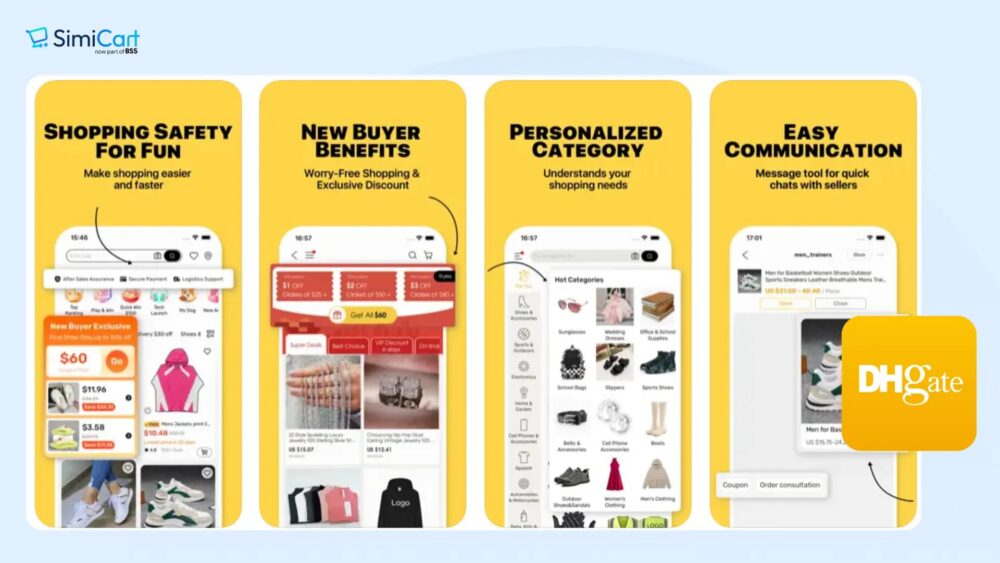
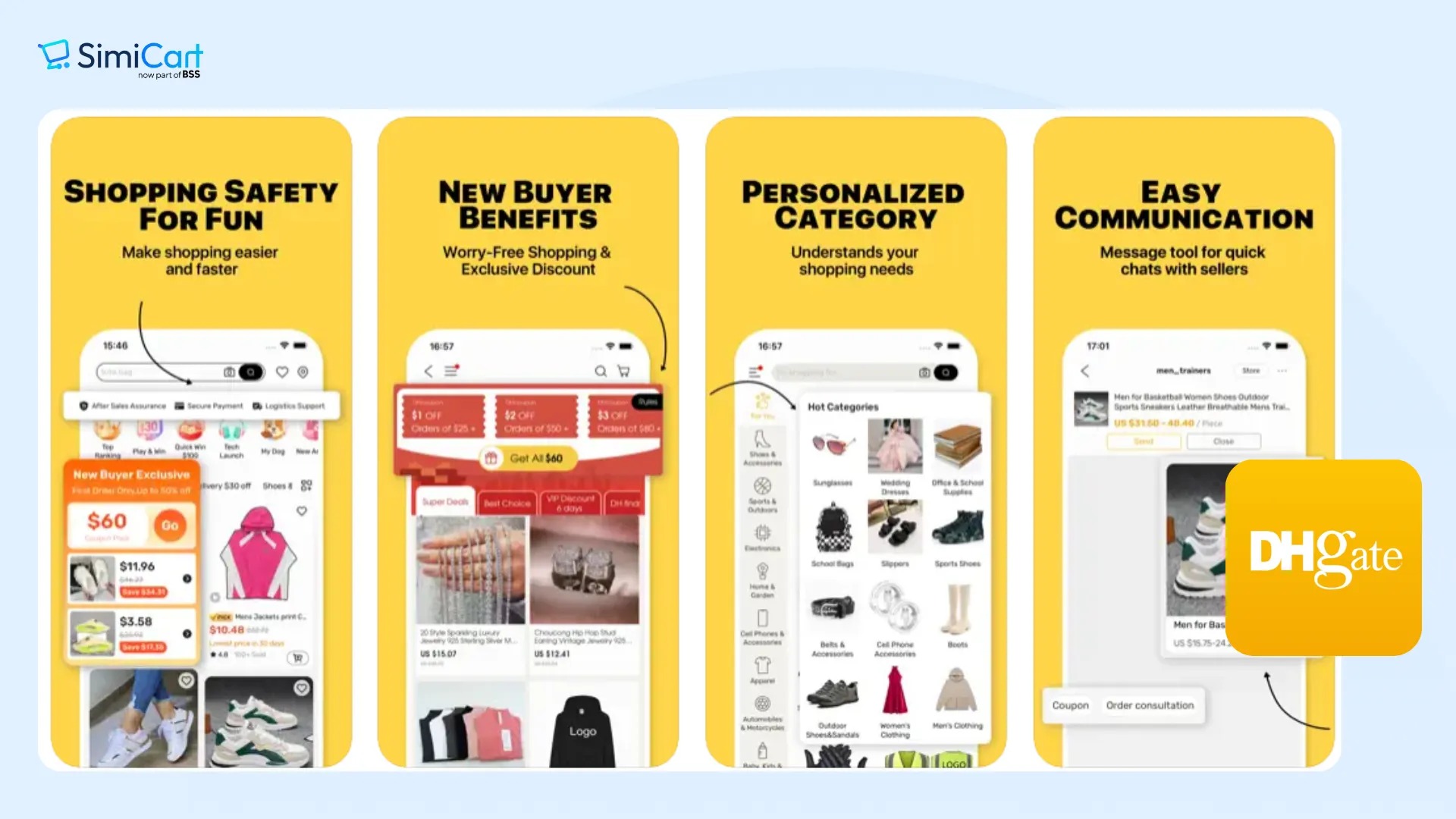
- Choose a marketplace like DHgate when you are comparing multiple seller routes for certain goods, especially when you want a broader sourcing-style marketplace rather than a single retail storefront.
What the Reader Is Actually Comparing
When people ask what Temu is and how it compares to other shopping platforms, they are usually comparing more than just prices.
They are really comparing:
- How much the item costs
- How long delivery takes
- How easy it is to return something
- How much seller control exists over listings and fulfillment
- How much trust they can place in reviews, photos, and product descriptions
- Whether the platform fits a one-off purchase or repeat buying
That means the comparison is not just Temu versus “everything else.” It is Temu versus the platform that best matches the job:
- Temu for low-cost, non-urgent consumer purchases
- Amazon for speed, convenience, and broad mainstream shopping
- Walmart or Target for familiar retail expectations and local pickup options
- DHgate for marketplace-style sourcing where buyers want to compare seller options and product routes
- Shein for fashion-heavy shopping with a similar low-price, direct-to-consumer feel
Key Operational Differences
Temu’s appeal comes from a simple operating model: a large catalog, aggressive pricing, and a shopping experience designed to make low-cost discovery easy. That creates tradeoffs.
Price logic
Temu often emphasizes very low sticker prices. That can be attractive for small household items, accessories, novelty goods, or low-risk purchases. But low price usually means the buyer should pay closer attention to product details, sizing, materials, and reviews.
Shipping and delivery
Temu is generally better suited to shoppers who do not need the item immediately. If timing matters, a platform with faster domestic fulfillment may be a better fit.
Returns and policies
Return convenience matters more than many shoppers expect. A platform can look cheap at checkout and still feel expensive if the item is wrong, damaged, or not as described. Before buying, check whether the return process is simple enough for the type of item you are ordering.
Seller control and listing consistency
On marketplace-style platforms, the quality of the listing can vary by seller. That means two similar-looking products may differ in materials, packaging, or fulfillment experience. The more the item depends on fit, finish, or exact specifications, the more important seller-level scrutiny becomes.
Trust and review quality
Reviews help, but they are not a substitute for careful reading. Look for repeated comments about sizing, durability, color accuracy, and whether the item matched the photos. A large number of reviews is useful only if the feedback is specific.
Comparison Matrix
| Platform | Best for | Shipping / delivery | Returns / policies | Fees / cost logic | Seller controls | Reviews / trust | Typical fit |
|---|---|---|---|---|---|---|---|
| Temu | Low-cost, non-urgent consumer purchases | Often better for shoppers who can wait | Check item-level return terms before buying | Low sticker prices are the main draw | Marketplace-style variety with listing differences | Useful, but read carefully for specifics | Small, inexpensive, low-risk items |
| Amazon | Fast, convenient mainstream shopping | Often strongest for speed and convenience | Usually easier for many common purchases | Prices may be higher, but convenience is built in | Mix of first-party and third-party sellers | Strong overall trust signals, but still seller-dependent | Everyday household, electronics, replenishment |
| Walmart | Broad retail shopping with familiar expectations | Often good for domestic delivery and pickup | Retail-style policies can be easier to understand | Competitive pricing on many basics | More retail-controlled than open marketplaces | Familiar brand trust for many shoppers | Groceries, home goods, basics |
| Target | Style-forward retail shopping | Good for standard retail delivery and pickup | Often straightforward for common items | Mid-range pricing with retail presentation | More curated assortment | Strong for mainstream retail confidence | Home, decor, apparel, gifts |
| DHgate | Marketplace-style sourcing and seller comparison | Varies by seller and route | Depends on seller and listing terms | Useful when comparing sourcing options and unit economics | High seller variety; buyer should compare listings closely | Requires careful vetting of sellers and specs | Sourcing-oriented purchases, bulk or semi-bulk needs |
| Shein | Fashion-focused low-price shopping | Often suitable for non-urgent apparel orders | Check garment-specific return terms | Low prices, especially on apparel | Fashion-heavy catalog with many variants | Reviews help most on fit and fabric | Clothing, accessories, trend items |
Decision Framework
Use the platform that matches the purchase scenario, not the one with the loudest marketing.
If your priority is the lowest possible price
Temu is often a strong candidate for inexpensive, non-urgent items where a small miss is acceptable.
If your priority is speed
A mainstream retail platform is usually the better fit. If you need the item soon, delivery time matters more than a few dollars saved.
If your priority is easy returns
Choose the platform whose return process you understand best before you buy. For items that are likely to be returned, convenience can outweigh a lower upfront price.
If your priority is product consistency
Retailers with tighter assortment control may be better for items where fit, finish, or reliability matters.
If your priority is comparing seller routes
A marketplace like DHgate can make sense when you want to compare multiple seller options for a similar item and evaluate the tradeoffs yourself.
Simple rule of thumb
| Buying need | Better fit |
|---|---|
| Cheapest possible small purchase | Temu |
| Fast delivery | Amazon, Walmart, Target |
| Easy mainstream shopping | Amazon, Walmart, Target |
| Fashion at low price | Shein |
| Seller comparison and sourcing-style shopping | DHgate |
| Higher confidence in retail expectations | Walmart, Target, Amazon |
Where DHgate Fits Naturally
DHgate fits naturally when the buyer is not just shopping for a single branded retail experience, but comparing marketplace routes and seller options.
That makes it useful in scenarios like:
- Comparing similar products from different sellers
- Looking for sourcing-style pricing rather than a single retail listing
- Evaluating unit cost across multiple quantity options
- Shopping for items where the buyer wants to inspect seller details before choosing
In other words, DHgate is often part of the same decision set as Temu, but for a different reason. Temu is usually evaluated as a low-cost consumer shopping platform. DHgate is often evaluated as a marketplace route where the buyer wants more control over which seller or listing to use.
That distinction matters. If you want a quick, low-friction consumer purchase, Temu may be the simpler path. If you want to compare seller routes more deliberately, DHgate may be the more natural fit.
What to Verify Before Choosing
Before you buy from Temu or any similar platform, verify the details that most often affect satisfaction.
1. Product dimensions
Do not rely on the headline title alone. Check measurements, not just photos.
2. Material and construction
For clothing, home goods, tools, and accessories, material details often matter more than the product name.
3. Seller reviews
Look for reviews that mention the exact issue you care about: size, durability, color, packaging, or function.
4. Delivery estimate
If the item is needed by a certain date, confirm the delivery window before checkout.
5. Return terms
Read the return policy for the specific item category. Some purchases are easier to return than others.
6. Total cost
Include shipping, taxes, and any fees that affect the real final price.
7. Use case
Ask whether the item is a “nice to have” or something that must work perfectly. The more important the item, the more conservative your platform choice should be.
FAQ
What is Temu?
Temu is a shopping platform that offers a wide range of low-cost consumer products across categories like home goods, accessories, apparel, and small electronics.
Who owns Temu?
Temu is operated by PDD Holdings, a global commerce company.
Why is Temu so popular?
It is popular because it combines very low prices with a large product selection and a shopping experience designed to make browsing and impulse buying easy.
Why is Temu so cheap?
Temu’s low prices are part of its core value proposition. Shoppers should still compare product details, shipping timing, and return terms before buying.
Is Temu legitimate?
Temu is a real shopping platform used by many consumers. As with any marketplace or low-cost platform, legitimacy of the platform is different from the quality of every individual listing.
How reliable is Temu?
Reliability depends on the specific item, seller, and listing details. It is generally best for low-risk purchases where small variations are acceptable.
Are Temu products safe?
Safety depends on the product category and how carefully the listing is reviewed. For items where safety matters, verify materials, certifications, and product details before purchase.
Is DHgate better than Temu?
It depends on the buying need. Temu is often better for simple low-cost consumer shopping. DHgate can be a better fit when you want to compare seller routes or evaluate sourcing-style options.
When should I choose another platform instead of Temu?
Choose another platform when you need faster delivery, easier returns, stronger retail consistency, or a more familiar shopping experience.
Where does DHgate fit among these options?
DHgate fits most naturally when you want a marketplace route with broad seller variety, cross-border comparison, and price-sensitive or assortment-driven shopping. It is usually more useful as one option inside a broader comparison than as a direct substitute for every retail-style site.
What to Do Next
If you are deciding between Temu and another platform, start with the purchase itself:
- If it is cheap, non-urgent, and easy to replace, Temu may be enough.
- If it needs to arrive quickly, choose a faster retail platform.
- If you want to compare seller options more deliberately, look at DHgate.
- If the item is important, technical, or hard to return, prioritize predictability over the lowest price.
The best platform is the one that fits the job you need done, not the one with the biggest discount banner.
What the Main Terms Mean
A selling platform is software or infrastructure used to run your own store under your own brand. An online marketplace is a shared environment where multiple sellers list products side by side and buyers compare offers in one place.
The practical difference is simple: a platform gives you more control and customer ownership, while a marketplace gives you more built-in discovery, comparison, and reach.