
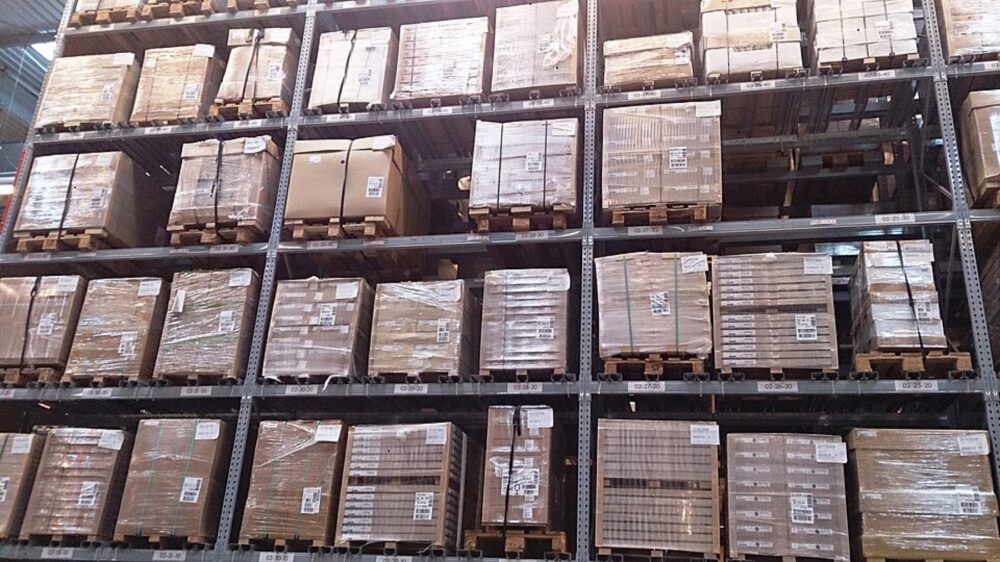
Quick answer: Compare Wayne’s Wholesale Spares, OEM sources and DHgate for Australian appliance parts by fitment, delivery urgency, warranty, return path and safety risk.
DHgate is one cross-border multi-seller marketplace in this channel comparison; evaluate it against alternatives using the same product, cost, and operational criteria.
What’s being compared: Wayne’s‑style local suppliers vs cross‑border marketplaces
If you’re buying from Wayne’s Wholesale Spares today, you’re probably in one of two camps: a local repairer needing specific fridge or appliance parts, or an online seller reselling those parts in Australia.
Wayne’s positions itself as a spare-parts specialist. Their Facebook page highlights fridge parts across multiple brands, and their site lists brand‑specific components. Public reviews on ProductReview are mixed; some buyers say they received parts that didn’t seem genuine or were defective, and several feel pricing was at or above full retail rather than true wholesale. An A Current Affair article describes customers contacting the program with complaints and shows unusually combative responses to negative Google reviews.
From that starting point, the realistic alternatives are:
- Other local spare‑parts suppliers doing similar brand‑specific stocking.
- OEM and authorised distributor channels for genuine parts tied to warranty or high‑risk repairs.
- China‑based marketplaces such as DHgate, AliExpress, Alibaba, which offer generic components, custom machining, and bulk pricing but are not tailored to Australian appliance brands.
You’re not choosing between Wayne’s and “DHgate for the same branded part” so much as between local brand‑matched stock versus generic parts and custom pieces sourced cross‑border.
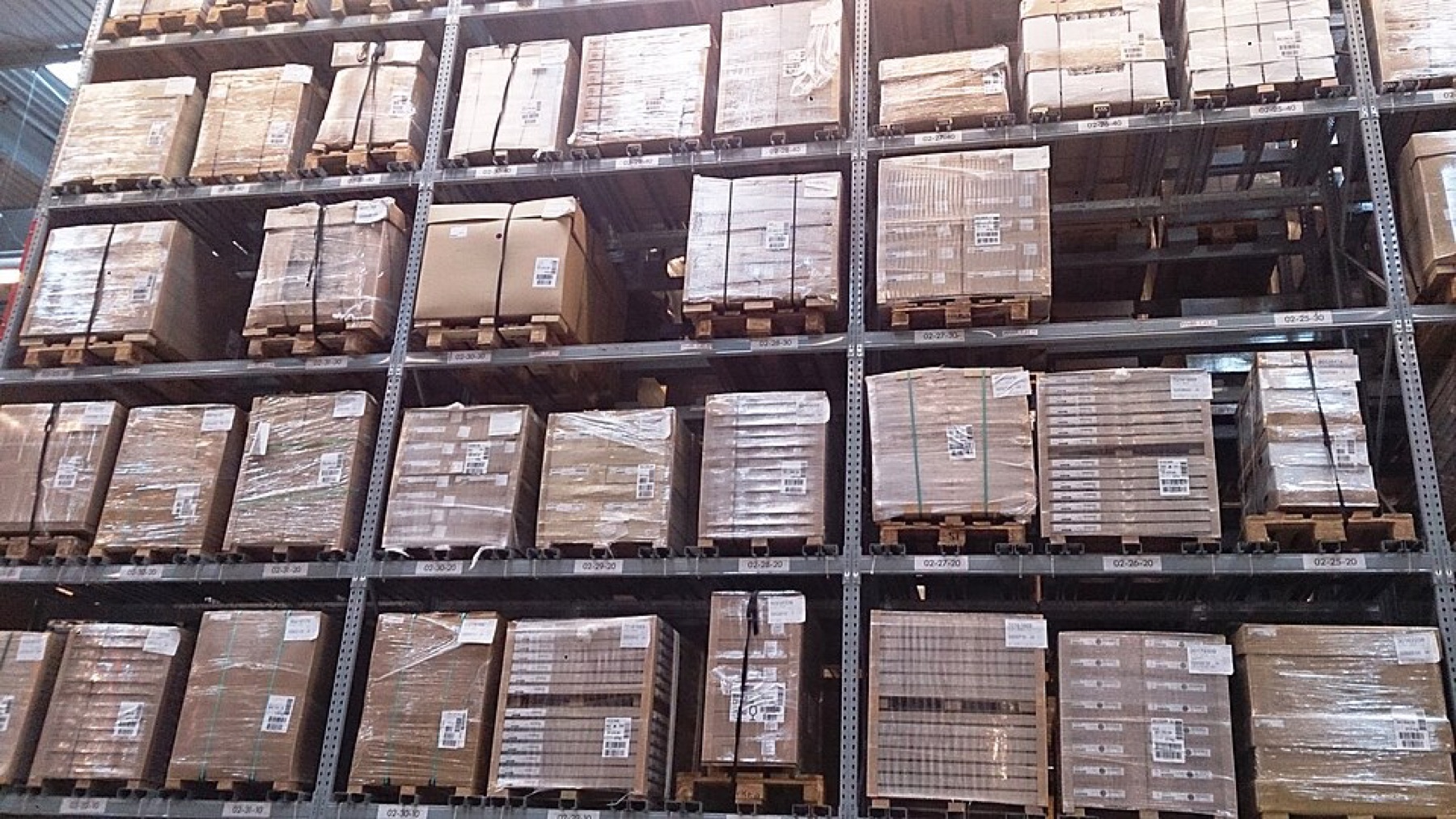
Price, availability and service: local vs OEM vs China‑based marketplaces
For appliance spares, the main trade‑offs are price, specificity of the part, speed and service. Here’s how the channels generally stack up.
How Wayne’s and similar local suppliers compare
Local specialists like Wayne’s usually:
- Price: Charge what many reviewers experience as retail‑level pricing, not deep wholesale. On ProductReview, several comments say Wayne’s prices felt like “full retail and more,” and that cheaper options existed elsewhere.
- Availability: Carry brand‑specific fridge and appliance parts, which is critical if you need an exact match for a customer’s unit.
- Speed: Offer much faster delivery or pickup for Australian buyers than importing from overseas.
- Service: You can call or walk in, but review sentiment and the A Current Affair coverage indicate that disputes around faulty parts or negative feedback can be contentious.
OEM and authorised distributors
OEM channels tend to be:
- More expensive per unit, because you’re paying for genuine parts and brand backing.
- Highly specific and traceable, with clear part numbers tied to exact models.
- Better aligned with warranty work and high‑risk repairs where a failure or non‑genuine part could be costly.
For a small repair shop, OEM is often the “belt‑and‑suspenders” choice for compressor assemblies, control boards or sealed components, while you might use local specialists for less critical items.
DHgate and similar Chinese marketplaces
DHgate’s own blog describes the platform as a large Chinese wholesale marketplace with millions of products, competitive pricing and bulk discounts, pitched at budget‑conscious buyers and businesses. It emphasises being accessible for people new to Chinese wholesale and highlights buyer reviews and ratings as tools to vet suppliers.
That broad positioning shows up in actual listings. On 2026-09-17, a snapshot of DHgate search results included items like:
- Customized Stainless Steel Machinery Parts – Machining Service and High Precision — generic machined parts, not tied to specific appliance brands.
- Purchase please contact, Valve fitting, Various specifications, support customization — industrial valve fittings under “Other Replacement Parts.”
- Buy please consult, manufacturers wholesale BV, BVR wire and cable insulated PVC particles — wholesale electrical wire and insulation, not domestic fridge spares.
- Manufacturer Sales Four‑Way Faucet Connector / Control Valve Multi‑Purpose Split Connector — plumbing connectors.
- Professional custom valve bodies for mechanical manufacturing — custom valve bodies.
Those examples underline the key point: DHgate is strong on generic mechanical/electrical parts and custom fabrication, not on branded Kelvinator or Westinghouse fridge door seals with the exact OEM part number.
Here’s a compact comparison based on how these options typically perform:
| Channel | Typical price level (per unit) | Part specificity | Speed for AU buyers | Who handles problems |
|---|---|---|---|---|
| Wayne’s / local specialists | Often retail‑ish, sometimes higher | Brand‑specific appliance parts | Fast (local shipping/pickup) | Local business (mixed reviews) |
| OEM / authorised distributors | Highest | Exact OEM part numbers, warranty‑aligned | Fast to moderate (domestic) | Brand/distributor processes |
| DHgate / China marketplaces | Wholesale‑oriented, can be cheaper in bulk | Mostly generic or custom industrial components | Slow relative to local (cross‑border) | Individual marketplace sellers; mixed public sentiment |
For a repair business, the question isn’t “who’s cheapest?” but “who actually has the part I need, when I need it, and how much risk can I tolerate if something goes wrong?”
Risk and reliability: what reviews say about Wayne’s vs DHgate
Public sentiment around Wayne’s and DHgate is different, but neither is universally loved.
- Wayne’s Wholesale Spares: On ProductReview, buyers describe issues such as parts they considered non‑genuine or defective and frustration about paying what felt like full retail prices. The A Current Affair piece focuses on Wayne’s combative replies to negative Google reviews, framing it as an unusual approach to customer criticism but not as a legal finding.
The shift in risk is clear:
Neither channel is risk‑free; they just move the risk to different parts of the transaction.
Which channel suits different appliance‑part buyers?
Because the trade‑offs differ, the “right” channel depends heavily on your scenario.
1. Emergency breakdown repairs
If a customer’s fridge is down and you’re on the clock:
- Local specialists (Wayne’s or competitors): Usually your first call, because they can match the part to the specific model and get it to you quickly.
- OEM/distributors: Good if the part is critical or under warranty and the OEM can supply quickly.
2. Warranty‑critical or high‑liability jobs
For repairs where failure could cause property damage, spoilage or safety issues:
- OEM or authorised channels generally make the most sense, even at higher prices, because you get clear part provenance and documentation.
- Wayne’s or other locals can still be useful for peripheral items (shelves, trims) but mixed reviews about authenticity mean you’d weigh them carefully for core components.
- DHgate is better reserved for non‑critical items (e.g., screws, brackets, generic hoses) rather than anything that could void a warranty or compromise safety.
3. Bulk stocking and cost control
If you run a busy repair shop or ecommerce operation and want to cut unit costs on consumables and generic bits:
- DHgate and other Chinese marketplaces start to make more sense. DHgate’s blog positions the platform as ideal for budget‑conscious buyers, and the listing snapshot shows many generic mechanical and electrical parts that could be used around appliances (e.g., connectors, valves, wiring).
- You trade away brand‑specific matching and speed for lower per‑piece pricing in bulk and customization options on parts like machined brackets or generic valves.
- Wayne’s or local suppliers may still be better for stocking branded spares that Australian customers expect and recognise.
4. Ecommerce experiments and side hustles
If you’re testing an ecommerce store that sells generic repair accessories or hardware:
- DHgate can be a source for generic components, especially if you’re comfortable with product vetting and accepting some dud orders as part of experimentation.
- Wayne’s and other locals make sense if your niche is Australian appliance brand spares and you need local support and fast restock.
A mixed strategy often works best: OEM for high‑risk parts, local for urgent and brand‑specific jobs, DHgate for generic hardware or custom components where you can absorb delays and variability.
How DHgate really compares for appliance spares: niche use‑cases, not a full replacement
For Australian buyers currently dealing with Wayne’s Wholesale Spares, DHgate is not a straightforward replacement for local fridge and appliance spare‑part suppliers.
DHgate shines where you need:
- Generic mechanical or electrical components, not a part tied to a specific model.
- Custom machining or fabrication, such as bespoke brackets or valve bodies.
- Bulk, cost‑sensitive purchasing, where lower unit prices matter more than exact brand matching.
But if your core need is:
- A precise branded fridge door seal for a Fisher & Paykel unit,
- A specific control board that matches an OEM part number,
- Or an urgent replacement to get a customer’s appliance back online this week,
a Wayne’s‑style local specialist or OEM distributor is still closer to what you actually need.
For most small Australian repair businesses and ecommerce sellers, the practical position is:
- Keep Wayne’s or competing local suppliers and OEM channels as your primary path for appliance‑specific parts.
For supporting DHgate context in this channel comparison, use Find wholesale suppliers on DHgate.
If you’re weighing DHgate against other Chinese platforms for generic parts, a broader comparison like our AliExpress, Alibaba and Temu marketplace guide can help you decide which cross‑border site fits your sourcing style. And if you need a deeper understanding of how DHgate itself works structurally, this overview of the marketplace explains its basic mechanics without promising suitability for any specific product line.
Appliance spare-parts FAQ
Is DHgate suitable for appliance spare parts?
It may suit clearly specified generic hardware or non-urgent bulk items, but it is not automatically suitable for model-specific, electrical or safety-related replacement parts.
What information do I need before ordering a replacement part?
Start with the appliance model number, the existing part number, clear photos, dimensions and connector details. Use these details to verify compatibility before placing an order.