
Thieve.co sits in a narrow, useful niche: it’s a curated AliExpress product-research tool for dropshippers, not a full marketplace or store builder. You use it to discover low-cost, trending products and get data and descriptions; you still fulfill through AliExpress or another supply channel. That makes Thieve strong if you already have a Shopify, WooCommerce, or marketplace store and need better ideas, but weaker than end‑to‑end dropshipping platforms that handle sourcing, automation, and order routing for you.
Thieve also shows up in “Thieve Store” or similar domains, which can confuse buyers. These are typically front-end store or landing pages that use Thieve’s curated catalog and links, but they aren’t independent marketplaces with their own supplier ecosystem. Think of Thieve as a smart layer on top of AliExpress, not as a replacement for a sourcing marketplace.
What Thieve.co and “Thieve Store”-Style Domains Actually Are
Independent reviews consistently describe Thieve as a curated AliExpress product selection aimed at dropshippers, rather than a standalone marketplace. The DSMTool review calls it an AliExpress product research solution that surfaces trending items, including prices and order volumes, even on a free tier, without needing to sign up for basic browsing (DSMTool review). RevenueGeeks similarly frames it as a curated AliExpress product research tool, emphasizing that fulfillment still happens on AliExpress.
Key parts of how Thieve works, based on these reviews:
- Curation layer: Thieve’s team (and data tools) pre-select AliExpress products they consider “quality” or “winning” from a dropshipping perspective, filtering out obvious low-quality or non-viable items.
- Search modes: You can browse products, niches, and keywords, or use “store search” to see what others are selling and find gaps. DSMTool highlights these as distinct tools inside the platform.
- Data and signals: For each product, Thieve shows AliExpress-based data such as pricing and order volume, helping you estimate margin potential and demand before you add it to your store.
- AI and content tools: The DoDropshipping review notes that Thieve’s newer interface adds AI features such as description-writing and content generation, making it easier to turn a product idea into a polished listing (DoDropshipping review).
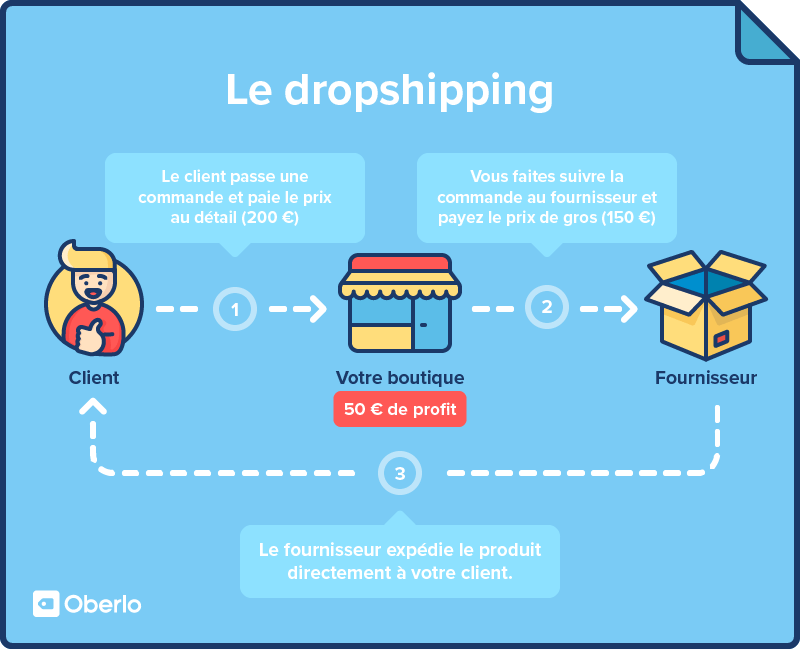
“Thieve Store”-style domains are typically just branded front ends that use Thieve’s curated selections or affiliate links. They don’t change the underlying reality: orders are still fulfilled by AliExpress (or another marketplace), and customer experience depends entirely on those suppliers and your store setup.
So, if you’re trying to decide where Thieve fits, treat it as:
- A discovery and analysis tool. It helps you pick what to sell.
- Not your supplier. You still need to choose actual sellers on AliExpress or elsewhere and manage shipping, returns, and customer service.
Feature-by-Feature: Thieve vs Other Dropshipping and Research Platforms
For a US small ecommerce business, the key comparison dimensions are:
- Catalog source and breadth
- Automation (listing, fulfillment, tracking)
- Data depth and research tools
- Beginner friendliness
- Cost vs value
Here’s a simplified comparison using Thieve and a few common alternatives, based on independent reviews and category overviews like Shopify’s dropshipping sites guide (Shopify overview) and Doba’s platform comparison (Doba guide):
| Tool / Platform | Main role | Catalog source | Automation level | Notable strengths |
|---|---|---|---|---|
| Thieve.co | Product research & curation | Curated subset of AliExpress | Limited (no native fulfillment) | Cheap ideas, curated picks, AI content |
| AliExpress (direct) | Supply marketplace & dropship source | Massive global catalog, low-cost items | Via third-party apps (e.g., for Shopify) | Variety, price flexibility |
| All-in-one tools | Research + automation (e.g., Sell The Trend, Dropship tools cited by DoDropshipping) | Multiple marketplaces & sources (varies by tool) | Higher: import listings, route orders, track | End‑to‑end workflow for beginners |
| Inventory-based platforms (e.g., Doba) | Centralized dropship catalog & data | Own vetted supplier network | High: inventory sync, order routing | Emphasis on data reliability and safety |
A few practical contrasts based on the linked reviews:
- Catalog source: Thieve is tied tightly to AliExpress. That’s good if you want low-cost, widely used products; less useful if you want diversity across many marketplaces or prefer non-Chinese suppliers.
- Automation: Thieve doesn’t try to be your logistics brain. It offers links and data, plus some tools like AI descriptions and store search, but you still rely on apps or manual processes to import products and manage orders.
- Beginner experience: Tools like Thieve can be easier to understand than navigating AliExpress directly because they show curated picks instead of millions of listings. But all-in-one platforms (including some of the alternatives listed in the DoDropshipping review) layer on guided workflows, import buttons, and built-in analytics aimed specifically at new dropshippers.
- Safety and data reliability: Doba’s editorial comparison of dropshipping platforms stresses safety, pricing clarity, data accuracy, and support for beginners as important dimensions. Thieve’s role here is mostly about surfacing AliExpress data in a clearer way. It doesn’t add its own guarantees about supplier behavior, shipping times, or product quality.
In short, Thieve is a focused tool: excellent for finding promising AliExpress products with some helpful data and content, but not a replacement for a full-stack dropshipping environment.
Which Type of Seller Should Use Thieve—and What to Pair It With
Whether Thieve deserves a spot in your stack depends on how you sell.
Scenario 1: New Shopify or WooCommerce store
If you’re launching a general or niche store on Shopify or WooCommerce, Thieve can:
- Help you quickly build a shortlist of AliExpress products with real order volume.
- Provide AI-generated descriptions you can customize for your brand.
You’d then pair Thieve with:
- A supply marketplace like AliExpress or DHgate for the actual sourcing.
- A connector app to import listings and route orders.
DHgate, for example, is a large marketplace with its own dropshipping-oriented tool, MyyShop, described in DHgate’s editorial as a supply-side platform that plugs DHgate’s catalog into store builders. If you use Thieve to spot a winning product style on AliExpress, you could look for similar items on DHgate and compare prices, MOQs, and seller profiles, then independently verify each supplier before committing. DHgate-focused guides like What DHgate is and how the marketplace works and Compare DHgate with AliExpress, Alibaba and Temu can help you understand those tradeoffs.
Scenario 2: Amazon FBA or wholesale-style business
For FBA or bulk buying, Thieve is less central. You usually need:
- Direct relationships with manufacturers or wholesalers.
- Reliable, consistent supply and packaging options.
Thieve’s AliExpress focus and dropshipping orientation mean its strongest use-case here is early product inspiration—spotting what’s trending before you go negotiate with suppliers elsewhere. You’d still need separate tools and marketplaces for samples, negotiations, and bulk logistics.
Scenario 3: Niche boutique or brand-led store
If your selling point is brand uniqueness, Thieve’s curated catalog can be both helpful and risky:
- Helpful because it surfaces products with demand signals you can remix (bundle, customize, private label later).
- Risky because many of these AliExpress products are widely available; your exact item may already appear in other dropshippers’ stores.
In this case, Thieve makes the most sense as a trend radar. Use it to understand what styles and functions are resonating, then source variations from a broader set of marketplaces or manufacturers and customize packaging, imagery, and messaging so you’re not just another generic dropshipper.
When you might skip Thieve entirely
You might not need Thieve if:
- You already have a strong data-driven tool that combines product research with automation from multiple sources.
- You’re committed to non-AliExpress sourcing (e.g., local, handmade, or highly regulated categories) where Thieve’s catalog doesn’t add much.
- Your main bottleneck is operations (shipping, returns, support), not product ideas; in that case, investing in fulfillment and systems will likely move the needle more than adding another research layer.
Thieve’s sweet spot is clear: low-cost product discovery, especially for AliExpress-focused dropshippers who value curation and content tools but are comfortable managing their own sourcing and logistics. If that describes your store, it’s worth testing. If you need a single platform to handle everything from catalog to fulfillment, you’ll likely lean on broader dropshipping solutions and treat Thieve as optional.