
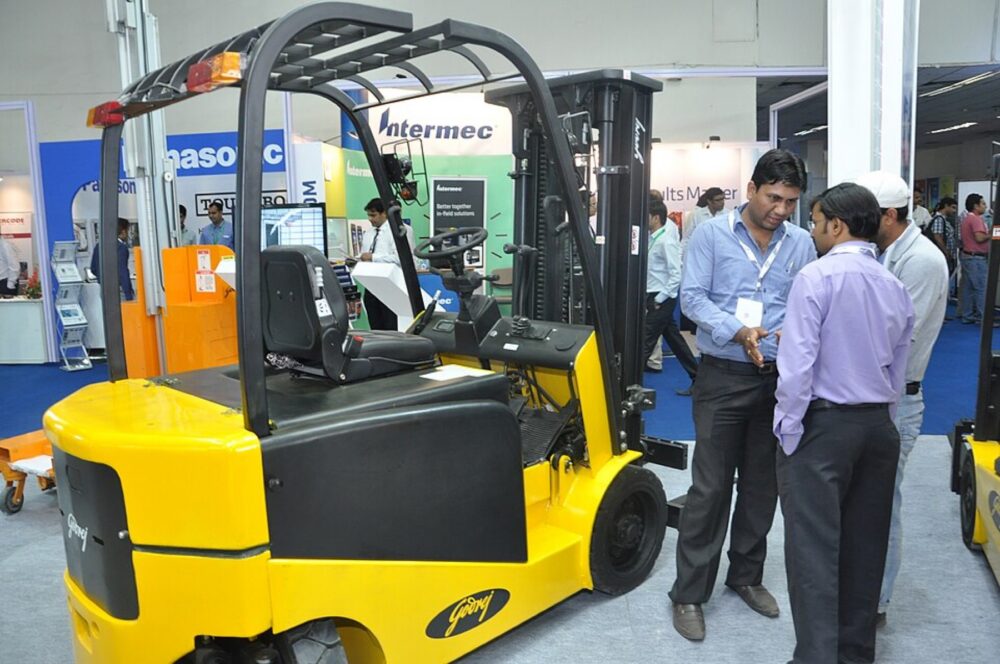
Pacific Materials Handling is a good fit if you want industrial‑grade handling equipment in Australia with local expertise and ongoing support, and you’re willing to pay more upfront for that. If your priority is simply the lowest price on a few pallet jacks or a budget forklift, you should also get quotes from other Australian dealers, direct from OEMs, and from global B2B marketplaces, then compare total cost, specs, and the real value of support.
How to Compare Pacific Materials Handling with Other Forklift and Pallet Gear Sources
Before you decide who to buy from, decide what problem you’re actually solving:
- Do you need heavy, continuous-duty machines for recycling timber, scrap or demolition work?
- Or do you just need a couple of pallet jacks and a basic counterbalance forklift for light warehouse use?
Those answers determine whether a specialist like Pacific Materials Handling, a general dealer, or an overseas marketplace makes economic sense.
1. Equipment type and workload
Pacific Materials Handling presents itself as an industry specialist supplying machinery for recycling, demolition, timber and broader materials handling in Australia and New Zealand, and it positions itself around established global brands in those niches with after‑sales support.Pacific Materials Handling site That profile is closer to heavy industrial plant than to cheap, light‑duty gear. If you mainly need low‑lift pallet trucks for ecommerce inventory, a general dealer or import marketplace may cover you at lower cost.
2. Total cost, not just sticker price
For forklifts and handling gear, list out: purchase price, freight, installation or commissioning, training, maintenance, consumables, and downtime risk. General sourcing advice for industrial and metal products stresses that comparing price alone is misleading; quality, any available certifications, and durability can justify paying more because failures are expensive to fix. A locally supported machine that avoids one major breakdown may be cheaper over five years than a rock‑bottom import.
3. Support coverage and response
On its LinkedIn profile, Pacific Materials Handling emphasizes representing high‑quality global brands and backing them with strong aftersales support.Pacific Materials Handling LinkedIn That matters if you have large fleets or remote sites where service delays hurt. When you compare, ask competitors how they handle on‑site repairs, spare parts, and response times; supplier reputation and responsiveness are critical factors when choosing a machinery supplier.
4. Logistics and cross‑border complexity
Buying inside Australia usually simplifies delivery, commissioning, and compliance. Going offshore through a marketplace can lower headline equipment prices but introduces freight risk, lead times, import duties and taxes, and the need to manage quality and documentation yourself.
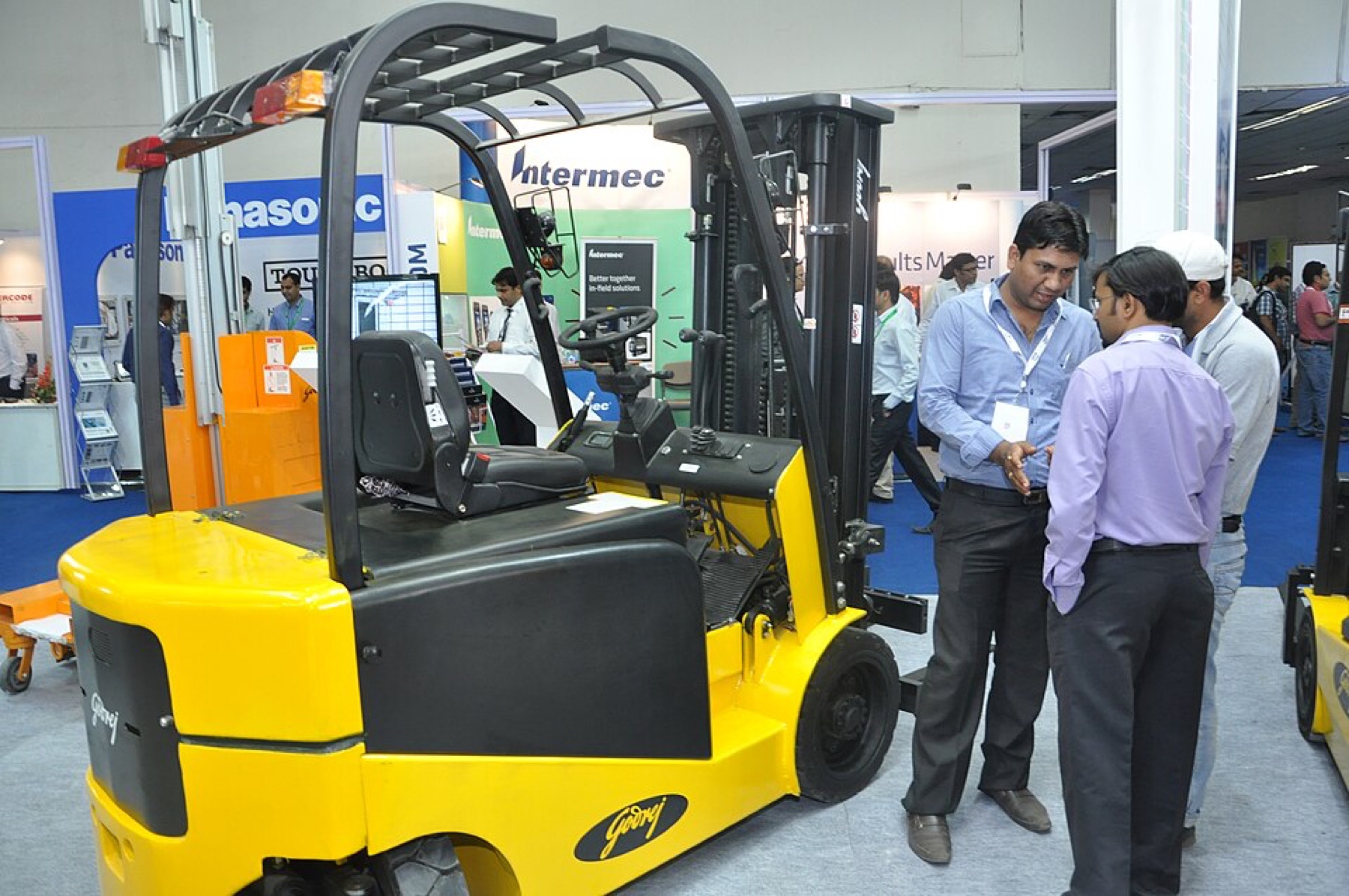
What Pacific Materials Handling Offers Compared with Other Channels
Think of Pacific Materials Handling as a specialist dealer, not a marketplace. That shapes how you compare your options.
Pacific Materials Handling vs other Australian options
Pacific Materials Handling:
- Profile: Australian machinery supplier with local locations listed in directories such as the White Pages business listing.
- Focus: Industrial material‑handling for scrap/recycling, demolition, timber and ports across Australia and New Zealand, with equipment, parts and service presented as a package.Pacific Materials Handling site
- Brands and support: Public descriptions stress quality global brands in its categories and strong after‑sales support rather than bargain pricing.Pacific Materials Handling LinkedIn
By contrast, other local channels typically look like this:
- Generalist forklift dealers: Often sell multiple brands of counterbalance forklifts, reach trucks and pallet jacks aimed at warehouses and logistics. They may offer cheaper, lower‑capacity units and short‑term rentals that a heavy‑industry specialist doesn’t emphasize.
- Direct from OEMs: Some major forklift manufacturers sell or lease directly in Australia. You may gain tighter integration and brand‑specific expertise, but you’ll usually be tied to that brand’s ecosystem.
- Used‑equipment yards and auctions: Useful if you’re opportunistic on spec and mainly chasing low purchase price, but service and history can be uneven.
Here’s a compact way to compare those roles, plus overseas marketplaces as a category:
| Channel type | Best for | Typical strengths | Typical trade‑offs |
|---|---|---|---|
| Pacific Materials Handling | Heavy recycling, timber, scrap, demolition, ports | Specialist know‑how, quality brands, after‑sales support | Less focus on ultra‑cheap or light‑duty gear |
| Generalist forklift dealer | Standard warehouse or light industrial fleets | Broad range, entry‑level gear, rentals | May lack niche‑industry engineering expertise |
| Direct OEM sales | Buyers standardizing on one forklift brand | Deep product knowledge, integration | Less flexibility across brands; negotiation power needed |
| Used yards / local auctions | Very price‑sensitive buyers with in‑house mechanics | Low upfront prices | Variable quality and history, limited structured support |
| Overseas B2B marketplaces | Buyers willing to import equipment or parts to save on unit cost | Wide global supplier pool, potential for lower unit prices | Must manage import duties, lead time, specs verification, and servicing |
Where global B2B marketplaces fit in
Global B2B marketplaces, including platforms such as DHgate, can connect you with overseas factories and trading companies for industrial equipment or components. For some buyers this is attractive because suppliers in countries like China or India may offer significantly lower unit prices than local Australian dealers.
The trade‑off: for a forklift or major handling asset, you’ll need to independently verify the supplier, scrutinize detailed specifications and any available quality indicators, model total landed cost (product, freight, insurance, duties, GST, customs brokerage), and think through how you’ll service the machine in Australia. General sourcing guides recommend comparing multiple suppliers, checking reviews, and clarifying specs in writing because supplier reputation, responsiveness, and clear documentation are as important as price.
Marketplaces can be useful for attachments, spare parts, or lighter equipment where failure risk is lower and you can afford to replace items, but they’re rarely a straight substitute for a full‑service local dealer relationship.
For a deeper comparison of global multi‑seller platforms themselves, including DHgate alongside other marketplaces, see this broader marketplace overview on DHgateWiki: DHgate vs AliExpress vs Alibaba vs Temu.
Which Channel Fits Your Buying Scenario
Use these scenarios to decide whether to call Pacific Materials Handling first or look elsewhere.
1. Australian industrial operator with heavy, gnarly workloads
You run scrap, timber, demolition, ports, or large recycling operations inside Australia or New Zealand.
- Channel that usually fits: A specialist like Pacific Materials Handling or a comparable industrial dealer.
- Why: Your machines will be used hard, and unplanned downtime is expensive. Paying more for high‑quality brands plus strong after‑sales support is often justified by lower lifecycle cost and fewer failures.Pacific Materials Handling LinkedIn
- Cross‑border imports? Possibly for attachments or consumables, but full machines are typically better sourced via local specialists who can support them on site.
2. Australian ecommerce or 3PL warehouse with modest loads
You need a few pallet jacks, maybe one or two forklifts, to move cartons and pallets in a small or mid‑size warehouse.
- Channel that usually fits: Generalist forklift dealers, used‑equipment dealers, or direct OEMs with smaller models.
- Where Pacific Materials Handling can fit: If you’re near one of its locations and can justify industrial‑grade equipment for long hours or harsh conditions, it’s worth requesting a quote, but it may not be the price leader on entry‑level items.
- Cross‑border imports? Could be viable for simple pallet jacks or racking if you’re willing to handle shipping and duties; ensure specs (capacity, fork size, materials) are adequate and compare the landed price against Australian quotes.
3. US‑based business supplying projects in Australia
You might be a US contractor or integrator managing a project that includes material‑handling equipment at an Australian site.
- Channel that usually fits: An Australian specialist dealer (such as Pacific Materials Handling for recycling/timber‑type work) or OEM branch. They understand local standards, can deliver and commission equipment locally, and handle ongoing service.
- Why not just ship from the US or Asia? Overseas B2B marketplaces can offer lower unit prices, but you add freight timing risk, import duties, and potential mismatch with Australian operating norms. You also lose local accountability if a machine arrives out of spec.
Quick checklist before you choose a channel
Use this short checklist to firm up your choice:
- Define duty and lifespan clearly. How many hours per day and in what conditions will the forklift or pallet gear run? Heavy daily use leans toward Pacific Materials Handling–type specialists or OEMs; occasional use leans toward generalist or used sources.
- Request detailed written specs from each source. For each quote, line up capacity, lift height, power type, attachments, and any available certifications or quality indicators. Sourcing best practices for metal and machinery stress that reviewing detailed specifications is essential, not optional.
- Score suppliers on reputation and responsiveness. Look beyond star ratings: who answers technical questions promptly, provides drawings or manuals, and gives clear lead times? Guidance on comparing suppliers highlights reputation and responsiveness as central decision factors.
- Model total cost over 5-7 years. Include service visits, parts, consumables, expected downtime, and any internal labor needed to keep older or imported machines running. A higher upfront quote from a specialist may pencil out cheaper over the life of the asset.
- Choose your risk comfort level for cross‑border buys. If saving on unit cost via an overseas marketplace would be wiped out by one major breakdown or compliance issue, keep your primary machines with local specialists and reserve cross‑border sourcing for non‑critical items.