
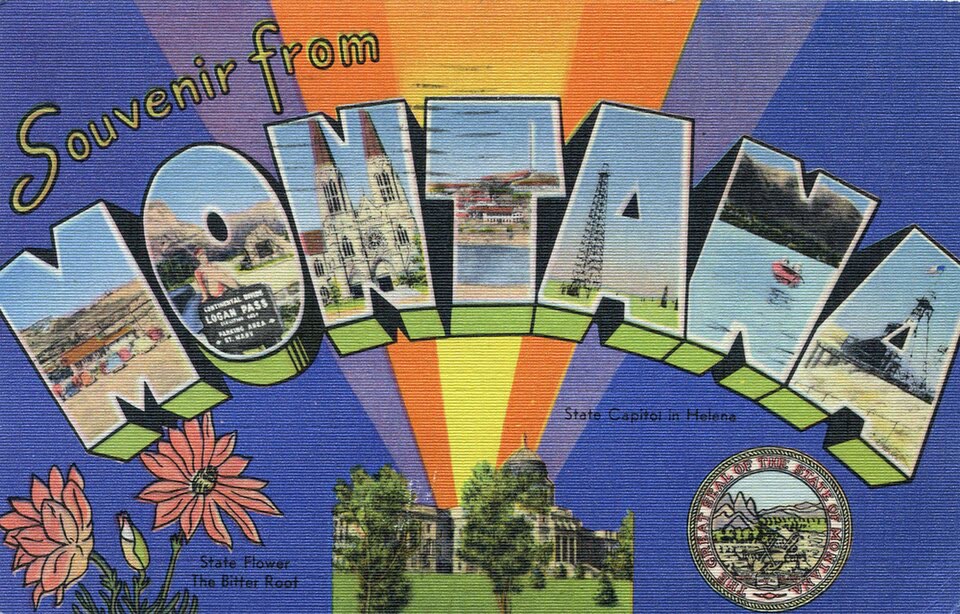
Montana postcards and souvenirs swing from cheap, generic “Greetings from Montana” cards to museum-quality art reproductions and locally made gifts. Local and museum shops usually deliver the highest authenticity and print quality at higher prices per piece. Online vintage postcard sites and mass marketplaces tend to be cheaper and broader in selection, but much less about supporting Montana artists or capturing the real feel of a specific town or landscape. For collectors, paying more at a local or museum shop is often worth it; for resellers, the right mix depends on whether you’re selling artisan Montana goods or budget Montana-themed stock.
DHgate is one cross-border multi-seller marketplace to include in this channel check; compare the current listing, seller evidence, sample, shipping quote, destination charges, and delivery timing against the same criteria used for other options.
What actually varies when you buy Montana postcards and souvenirs?
If you’re comparing Montana postcards across different stores, you’re really weighing five concrete factors:
- Price per card or item. Specialty card shops in the U.S. often charge a few dollars up to around $10 for designed paper goods depending on customization and complexity. Montana souvenir shops and museum stores typically sit somewhere in that band, with simple tourist postcards near the low end and art or limited-run cards higher.
- Print and material quality. You’ll see differences in cardstock thickness, color accuracy, and finish (matte vs glossy). A museum postcard set like the Art of Charlie Russell collection sold by the C.M. Russell Museum is positioned as art reproduction—usually meaning better image curation and a more premium feel than a rack of highway-gas-station cards.
- Authenticity and local connection. Unique or handmade postcards generally feel more personal and memorable than mass-produced tourist cards, and they often support local artists. For Montana, that could mean a card featuring a Missoula illustrator’s take on the Clark Fork, or a small print run celebrating a specific town, rather than a generic Big Sky collage.
- Uniqueness and collectability. Vintage and region-specific cards—historic Yellowstone views, old Butte mining scenes—carry history and scarcity. Sites like OldPostcards.com’s Montana section and Vintage Postcard Boutique’s Montana collection organize postcards by region and theme so collectors can hunt for specific eras and locations.
- Resale margin. If you’re a small ecommerce seller, you care about your spread between buy price and sell price. Artisan or museum cards cost more per unit but can justify higher retail pricing. Highway gift-shop and cross-border cards cost less but may cap what you can charge unless you bundle them or position them as low-friction impulse buys.
How key Montana stores and online marketplaces stack up
Here’s how the main types of channels generally line up on price, quality, and authenticity for Montana postcards and souvenirs, using real examples as anchors rather than declaring any single “best” source.
| Channel / example | Typical price feel | Quality & focus | Authenticity & uniqueness |
|---|---|---|---|
| Local Montana gift shops (e.g., Montana Gift Corral) | Mid-range; often a few dollars per postcard or small paper souvenir | Curated Montana-themed gifts, many items positioned as Montana-made or regionally sourced | Strong Montana focus; mix of classic tourist designs and locally themed art and products |
| Montana Postcards and Souvenirs / 56 Counties (56 Counties) | Mid to upper-mid, depending on artisan content | Specializes in Montana-themed merchandise including postcards and gifts sourced from regional artisans and suppliers | High on local flavor; good fit if you want cards and gifts tied to specific communities and makers |
| Record/variety and tourist shops (e.g., Rockin’ Rudy’s, Snuffies Trading Post, Montana Love) | Wide range; cheap rack cards up through higher-priced collectibles | Eclectic mix of music, pop culture, and Montana souvenirs | Good for quirky or humorous Montana cards; authenticity varies by individual item |
| Vintage postcard sites (OldPostcards.com, Vintage Postcard Boutique) | Collector pricing; single cards often higher than new tourist postcards | Focused on condition and rarity; postcards categorized by city, park, or theme | High historical authenticity; unique images of past Montana landscapes, hotels, and attractions |
| Museum stores (e.g., C.M. Russell Museum postcard set) | Upper-mid per card within a set | Art-forward printing and curation; postcards tied to museum collections | Strong cultural authenticity; great if you want Montana art and heritage represented |
| Mass consumer marketplaces (Etsy, eBay, similar) | Broad range from budget printed cards to pricey vintage | Mixed; anything from home-printed cards to high-end vintage listings | Depends entirely on the seller; you can find both generic and highly authentic pieces |
Local shops as Montana specialists.
Montana Gift Corral’s souvenir collection is explicitly Montana-themed, ranging from postcards to home décor and gifts positioned around local scenery and culture. A store like this is useful if you want cards that match other Montana items you’re stocking in a physical shop—or if you want a one-stop place to pick out a handful of postcards, magnets, and small gifts that feel regionally curated.
The downtown Missoula store branded as Montana Postcards and Souvenirs and represented online by 56 Counties leans into regional artisans and suppliers. That positioning matters: if your buyers value “Made in Montana” or at least “designed here,” sourcing cards and souvenirs from this kind of channel helps you tell a clear story about where your stock comes from.
Museum stores and art-focused cards.
On the museum side, the C.M. Russell Museum’s postcard set featuring images from the Montana Historical Society is a good example of higher-art paper souvenirs. You’re not just selling or collecting a view of a mountain; you’re dealing in reproductions tied to specific Montana artists and institutions. That often justifies a higher resale price and makes these cards better for framing or long-term collecting.
Vintage postcard sites for collectors.
For collectors, sites like OldPostcards.com and Vintage Postcard Boutique organize Montana cards into regional categories—Western Montana, Yellowstone National Park, cities and towns. You can zero in on a specific era or location, which is nearly impossible with generic tourist racks. You’ll usually pay more per card but gain historical context and scarcity.
Mass marketplaces and cross-border options.
On Etsy and eBay, you’ll see a mix: handmade Montana cards, printable designs, and lots of vintage finds. Quality and authenticity vary hugely, so your job is filtering for sellers who specify where the image was shot, how the card is printed, and whether it’s original vintage or a reproduction.
Which channel fits collectors vs small ecommerce sellers?
Your best mix of channels depends on what you’re trying to do.
If you’re a collector:
- Prioritize vintage postcard sites and museum stores. They’re built for historical authenticity and art value.
- Use local shops like Montana Gift Corral or the Missoula 56 Counties store for contemporary cards that still feel genuinely tied to place and people.
- Treat mass marketplaces as secondary sources for specific gaps or oddities you can’t find elsewhere.
If you’re a local-leaning seller (brick-and-mortar or regional online):
- Lean on Montana-focused shops and artisan suppliers—Gift Corral, 56 Counties, and similar—to build a coherent Montana story across postcards, magnets, prints, and small gifts.
- Add select museum-store products when you want to offer premium art cards or sets at higher price points.
- Avoid over-relying on generic cards; they undermine the “local” positioning that justifies your margins.
If you’re a budget or bulk-focused online seller:
- Use mass marketplaces and cross-border platforms for low-cost, high-volume Montana-themed designs, but be transparent that these are generic souvenirs, not local art.
- Consider mixing in a smaller line of artisan or museum cards as your “premium” tier; the contrast can help explain why those cost more.
- Keep an eye on your unit costs: specialty cards sourced from local and museum channels will eat into margins if you don’t raise prices accordingly.
For many buyers and small sellers, the best strategy isn’t choosing a single source; it’s combining one or two authentic Montana channels for “hero” products with cheaper, more generic cards for volume. Decide first whether you’re selling the idea of Montana as a place or just meeting a demand for Montana-labeled souvenirs—and pick your stores and marketplaces to match.