
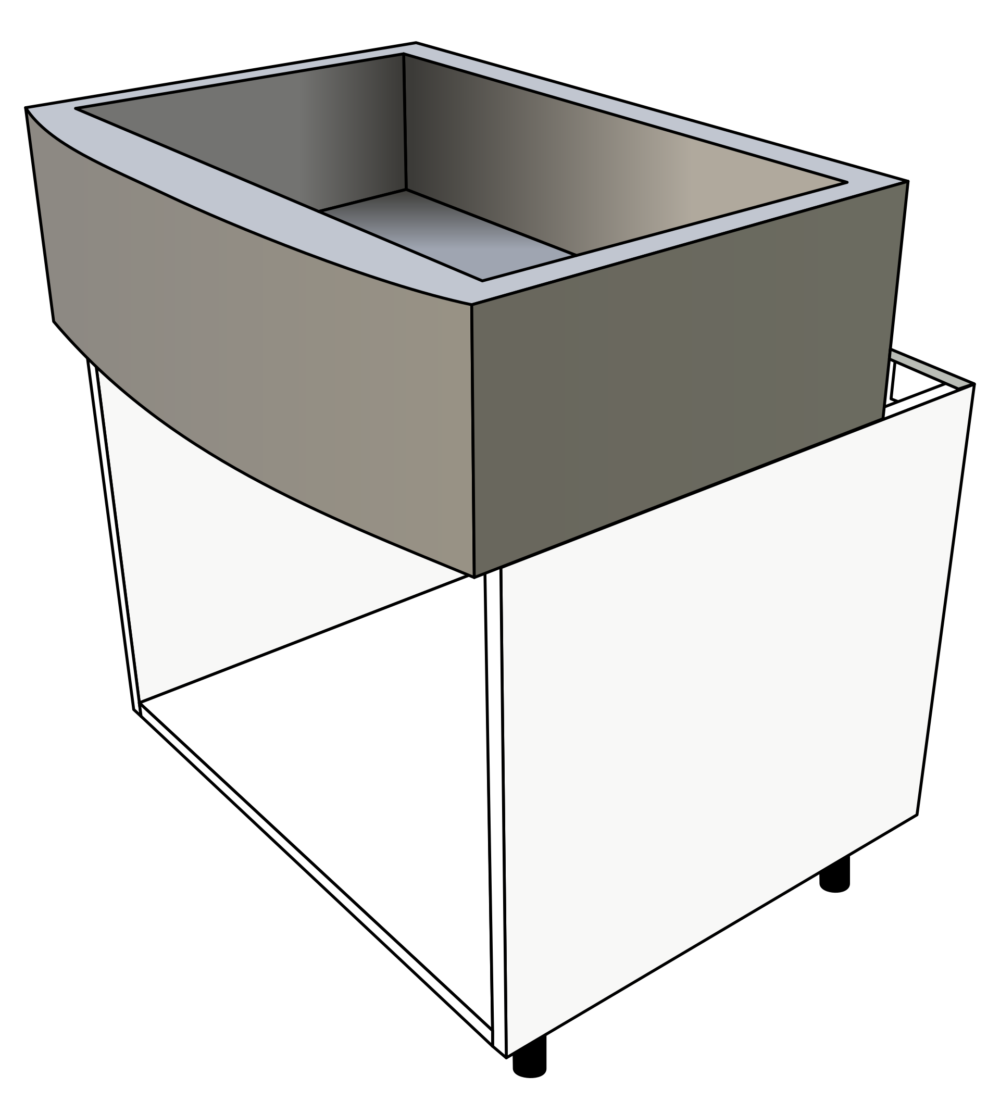
If you’re comparing 18″×20″ and 20″×16″ kitchen sinks from Canada, you’ll get the clearest picture by doing two things: first, standardize the dimensions you care about (overall width, front-to-back depth, bowl depth, and cabinet size); second, check those same fields on every marketplace you use—Home Depot Canada, Amazon, Wayfair, and smaller Canadian plumbing sites. Style and material matter, but size and fit are what make or break an installation.
What Actually Matters When Comparing Kitchen Sink Sizes Online
Online listings often drown you in style names and marketing copy, but you need a size-first checklist. For any sink—especially compact ones like 18″×20″ and 20″×16″—treat these as non‑negotiable:
- Overall width (left to right)
This is usually the first number in a size like 18″×20″. It has to work with your sink base cabinet, so measure that interior space and confirm what your cabinet or kitchen supplier recommends. If your cabinet is small (say, a 21-24″ base in a condo or basement kitchen), 18″ or 20″ wide sinks can be the right category.
- Front-to-back depth (countertop depth)
The second number (20″ or 16″ in our examples) is the front-to-back dimension. Countertops in Canadian kitchens are often around 24″ deep. You need enough space for the faucet behind the sink and some counter at the front, so a 20″ deep sink leaves tighter room than a 16″ one. In very tight galley layouts, that 4″ difference can decide whether you can keep a backsplash or not.
- Bowl depth (vertical)
This is often listed separately as 8-10″. A deeper bowl helps with big pots, but in smaller sinks, very deep bowls can crowd the under‑sink area and make garbage disposals or pull‑out bins harder to fit. For compact 18″×20″ or 20″×16″ sinks, many buyers prefer moderate depth so they don’t lose all their under‑cabinet storage.
- Mounting type (drop‑in vs undermount vs apron)
Mounting style changes usable size. For example, an 18″ undermount may require extra counter cut‑out compared with a drop‑in of the same nominal size. A stainless steel sink guide on DHgate’s editorial blog notes that size and style need to work with your countertop and cabinets together, not just look good in isolation.
- Configuration (single vs double, accessories)
On compact sizes like 18″×20″ or 20″×16″, double bowls usually make each side too small for everyday pots. Workstation-style single bowls with ledges for cutting boards or drying racks can stretch what a small footprint can do—but only if you confirm the internal bowl dimensions, not just the outer size.
Lock these five points in before opening any marketplace. Then every listing, from budget stainless to designer composite, gets checked against the same grid.
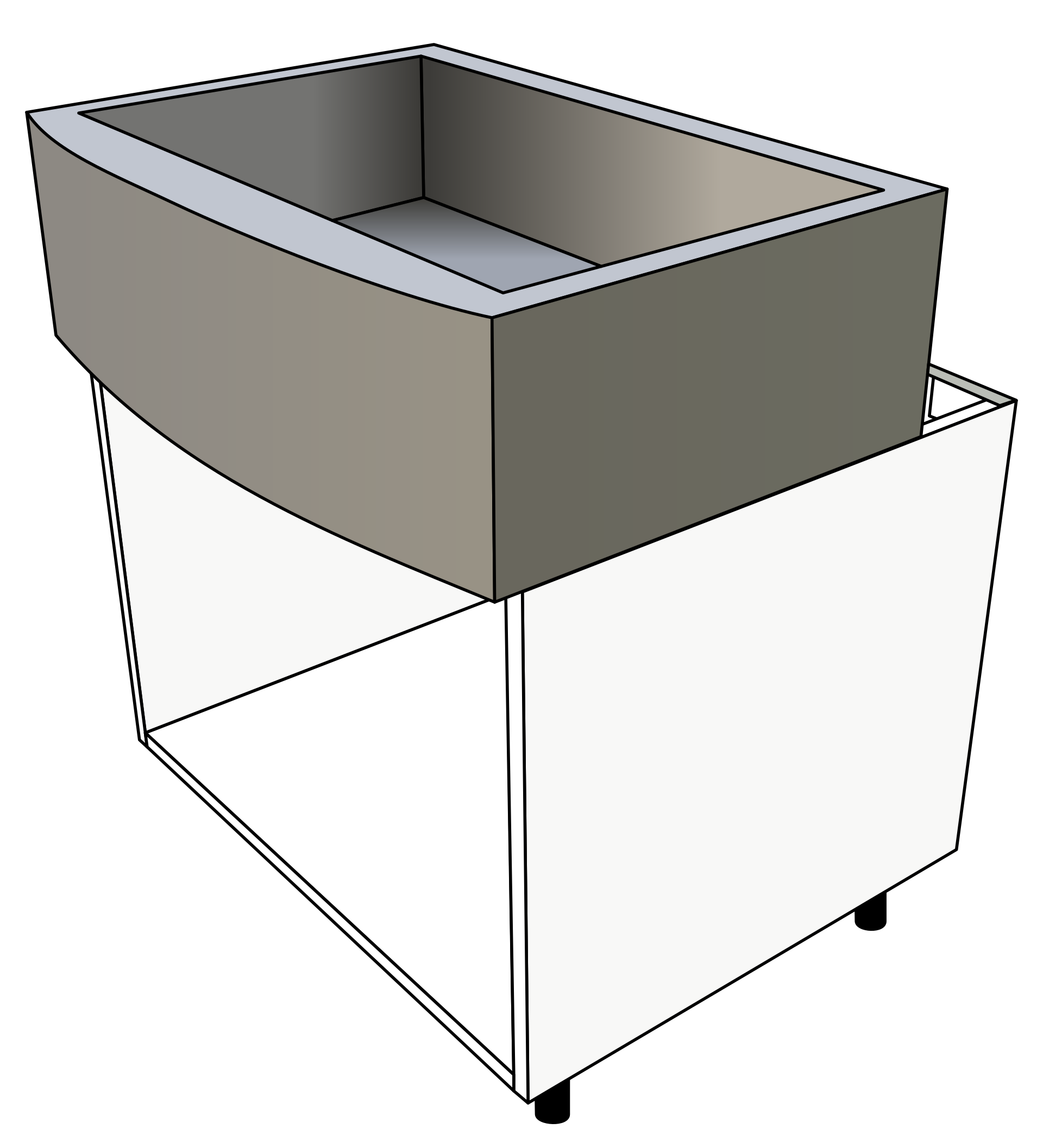
How Major Marketplaces Let Canadians Compare Specific Sink Sizes
Several Canadian guides, including one from Aquarina, point to Home Depot Canada and Wayfair as common places to shop for sinks. An HGTV kitchen sink roundup highlights Amazon and Wayfair as big sources for a wide range of styles and sizes, giving Canadian buyers a mix of big-box and marketplace options.
Here’s how those channels—and a cross‑border option—fit when you’re trying to compare 18″×20″ vs 20″×16″.
Home Depot Canada
Home Depot’s online kitchen sink category is a typical starting point for Canadian homeowners who want to browse sizes and styles in one place.
How to work size into your search:
- Go to the Kitchen Sinks category, then refine by width and bowl configuration where possible. For non‑standard widths like 18-20″, you may not see a dedicated filter, so use the search bar with queries such as `18 inch kitchen sink` or `20 x 16 sink`.
- Once you open a product, scroll down to the Specifications area to confirm overall width, front‑to‑back depth, and bowl depth. Many listings also include minimum cabinet size, which is critical if your base is narrow.
Where Home Depot works best:
- One‑off Canadian installs where you want clear dimensions and familiar retail support.
- Comparing a few compact sizes side by side in a relatively consistent spec format.
Where it’s weaker:
- Very narrow widths or unusual footprints; selection typically thins out once you go below common sizes like 25-30″.
Wayfair (Canadian Site)
Wayfair.ca is often called out in Canadian sink guides for carrying many brands, including more design‑driven options. HGTV also uses Wayfair as a source for multiple sink picks.
How to make Wayfair work for 18″×20″ or 20″×16″ comparisons:
- Start under Kitchen Sinks, then use the Overall Width slider or filters to get into the under‑24″ range.
- Use the search field with keywords like `18 inch single bowl kitchen sink` or `small undermount kitchen sink`. Wayfair’s search tends to surface a mix of roughly 17-20″ wide models this way.
- Check the Dimensions & Measurements section on each product. Wayfair often breaks out overall size, bowl size, and sometimes cutout size, which is invaluable for non‑standard formats.
Where Wayfair excels:
- Visual comparison of lots of compact sinks in stainless, fireclay, and composites.
- Helpful for homeowners who want photos, diagrams, and user photos to see how small sinks look in real kitchens.
Trade‑offs:
- Many sellers and brands, so dimension formats can vary slightly. Always confirm whether the listed number is the outer frame or the bowl interior.
Amazon (Canada)
Amazon.ca also appears in HGTV’s coverage as a major source for kitchen sinks, including many off‑brand and private‑label stainless models.
Size‑first workflow on Amazon:
- Use queries like `18 x 20 kitchen sink` or `20 x 16 stainless steel sink`, then refine by material (stainless) and mounting type if needed.
- Look for listings with clear product description tables that specify overall dimensions and minimum cabinet size. Some brands include line drawings; these can be useful if you’re sending specs to a contractor.
Where Amazon fits:
- Filling a very specific niche size or budget that big‑box stores don’t cover.
- Small ecommerce sellers who want to see how competing sellers describe 18″×20″ and 20″×16″ sinks before writing their own product pages.
Risks to manage:
- Mixed formatting: dimensions might be buried in images or non‑standard text, so you have to read more carefully.
- Not all listings clearly state whether sizes are in inches or millimetres, which matters if you’re importing or cross‑listing.
Canadian Specialty Bathroom & Kitchen Retailers
Specialist retailers in Canada focus heavily on technical spec. A Canadian bathroom supplier, for example, offers detailed comparisons of stainless, fireclay, and granite sinks for the Canadian market and reviews multiple brands in depth in its article on the best kitchen sinks in Canada.
Why they’re valuable for 18″×20″ and 20″×16″ sizing work:
- Product pages often include technical drawings with exact cutout sizes, radius corners, and drain positions, which matters more as the sink footprint shrinks.
- Smaller retailers sometimes carry European or boutique brands that build compact sinks specifically for condos, secondary suites, or bar/kitchenette combos.
These sites are especially useful if you’re a small ecommerce seller planning to stock a narrow size range and want to benchmark how Canadian specialists present size and configuration.
Cross-Border Marketplaces (Example: DHgate)
Beyond Canadian and US‑based marketplaces, cross‑border platforms list stainless steel kitchen sinks with detailed dimension fields. DHgate, for instance, has listings for multifunctional stainless sinks where you can scan descriptions for specific width and depth ranges.
One DHgate kitchen sink listing observed on 2026-09-30 described a stainless steel single-bowl sink with integrated accessories and grouped it under kitchen sinks. For a Canadian buyer or small reseller, this kind of cross‑border option is relevant when you:
- need unusual size‑plus‑feature combinations (for example, a compact sink plus integrated waterfall faucet and accessories), or
- are comparing documented supplier offers for a future wholesale program.
However, you’re now dealing with different measurement conventions and standards. Before considering import:
- Confirm the units (inches vs millimetres) and ask for a technical drawing.
- Cross‑check the listed size against your cabinet and countertop plan—don’t rely solely on the nominal size in the title.
- Evaluate individual seller reputations and reviews, since quality and finish can vary.
- Remember that listings, availability, and prices can change over time.
If you later want detailed help on choosing between DHgate and alternative cross‑border channels, that broader marketplace comparison is handled in other coverage so this guide can stay focused on size and fit.
Which Marketplace Fits Your Project or Sourcing Plan?
Different channels make more sense depending on whether you’re doing a single kitchen or building inventory for a small ecommerce operation. Use this as a quick match‑up:
| Buyer scenario (Canada) | Best starting channels for 18″×20″ / 20″×16″ | Why they fit size comparison | Extra steps to avoid sizing mistakes |
|---|---|---|---|
| Homeowner replacing one sink in a small kitchen | Home Depot Canada, Wayfair.ca | Clear categories for kitchen sinks, familiar brands, specs often include minimum cabinet size | Bring your cabinet interior width and countertop depth; double‑check overall width and front‑to‑back depth before ordering |
| Condo or kitchenette needing very compact sink | Wayfair.ca, Canadian specialty bath/kitchen retailers | Better range of narrow and designer compact sinks, more technical drawings | Use product diagrams to confirm cutout size and faucet clearance; confirm if nominal 18″ or 20″ size is outer frame or bowl |
| Small ecommerce seller testing an 18-20″ sink line for Canada | Amazon.ca, Wayfair.ca | Many competing listings to study dimension formats and buyer keywords | Standardize your own listing template with overall size, bowl size, depth, minimum cabinet width so you’re consistent across channels |
| Small seller exploring direct import of niche sizes or workstation sinks | Cross‑border marketplaces (e.g., DHgate) plus specialty Canadian retailers for benchmarks | Cross‑border sites may offer unusual size/feature mixes; Canadian retailers show how those sizes are marketed locally | Request technical drawings, confirm measurement units, and compare against Canadian tech sheets to ensure compatibility with local cabinets and plumbing |
For most Canadian buyers, the most reliable workflow is hybrid:
- Use Home Depot Canada or a similar big‑box site to anchor your understanding of what an 18-20″ sink footprint looks like relative to common cabinet sizes.
- Hop to Wayfair and Amazon to see more variety around those dimensions and how brands handle depth and accessories.
- Check a Canadian specialty retailer’s tech drawings to confirm how detailed your own dimension checks should be.
- Only then consider cross‑border options if you still can’t find the exact combination of size, depth, and features you want.
Measured this way, 18″×20″ and 20″×16″ stop being vague catalogue numbers. They become precise choices about how much counter you keep, how much cabinet you lose, and how easy your install will be—no matter which marketplace you buy from.