
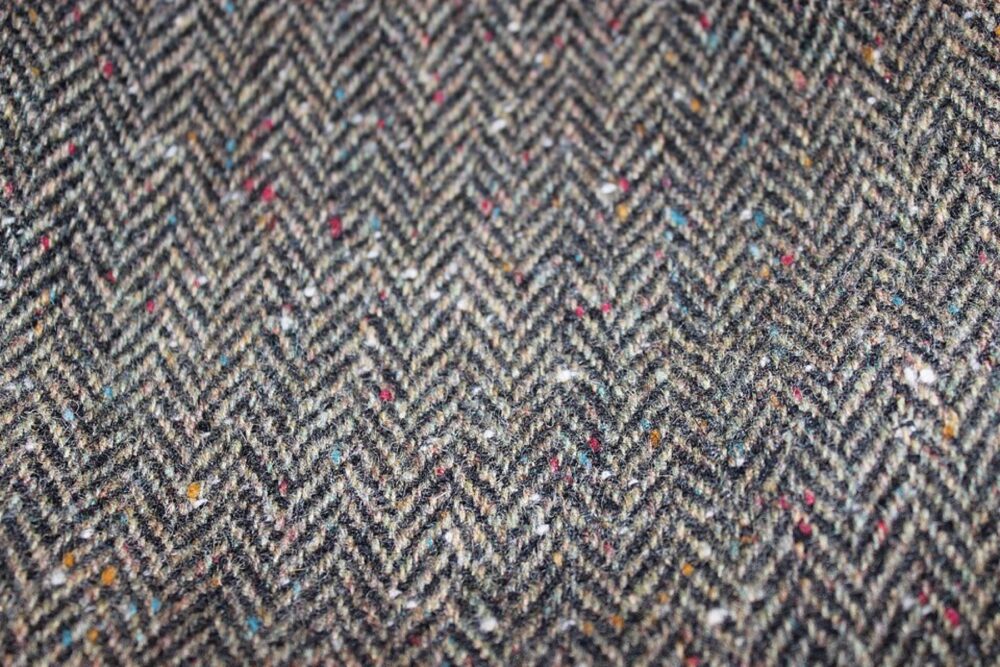
Authentic Donegal tweed is still a niche fabric for Canadian buyers, and the most reliable sources are Irish and UK mills and specialist wool fabric retailers that ship internationally. They sell tweed by the metre/yard for jackets, caps, and even upholstery-weight cloth, typically at mid-to-high prices but with clear origin and fiber details. General online fabric stores and broad marketplaces reach lower price points and offer more patterns, yet usually treat “Donegal” as a style rather than a place of origin, so you trade authenticity for cost and convenience.
What Counts as Authentic Donegal Tweed, and Why It Matters for Your Project
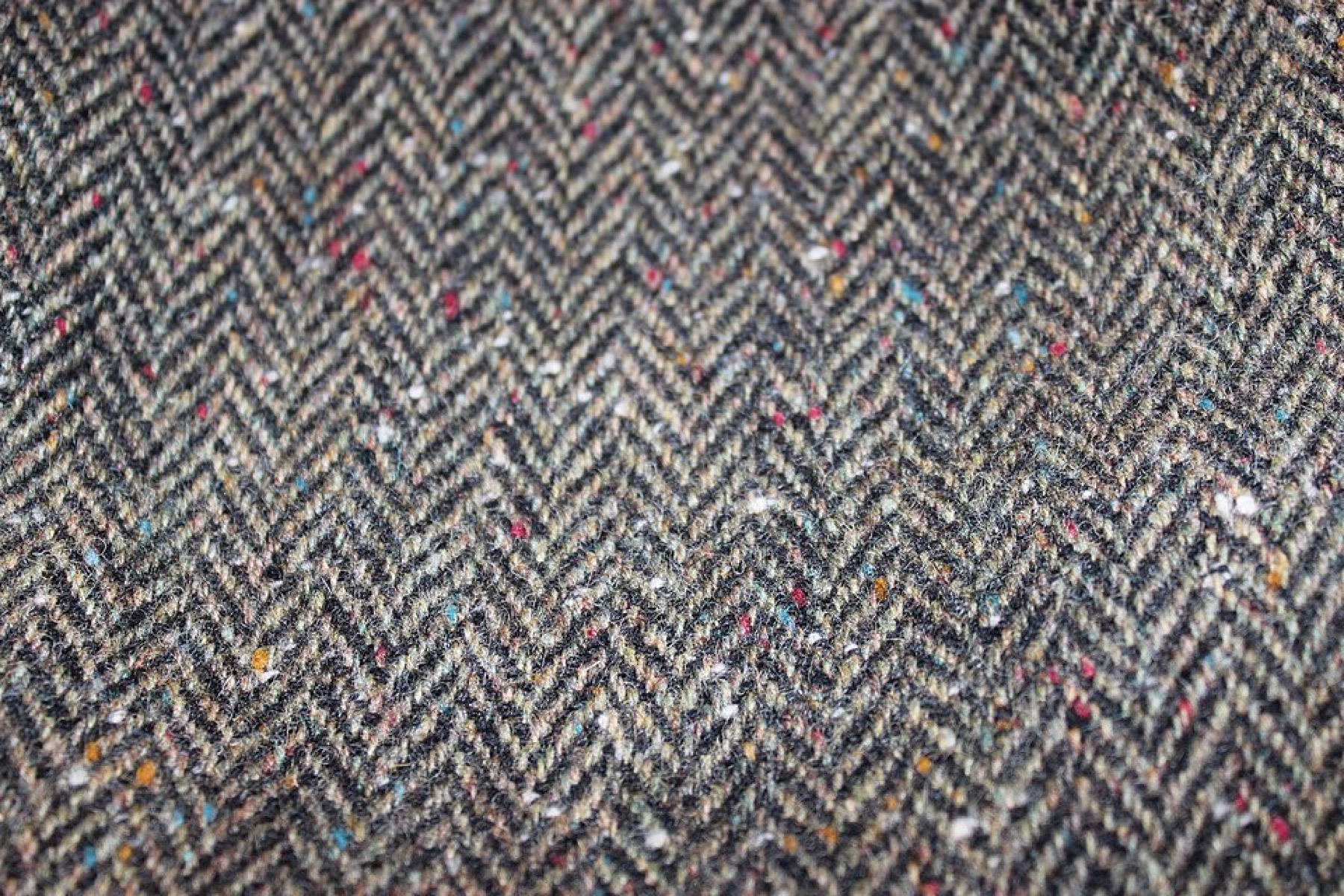
Donegal tweed originally refers to wool cloth woven in County Donegal, Ireland. Editorial fabric guides point out its speckled look: the yarns contain colorful flecks that give Donegal a more casual, textured appearance than flat worsteds or many Scottish tweeds, and it shows up in apparel and soft furnishings alike (The Artefact tweed guide).
Authentic products from Irish mills back this up. One Donegal producer selling fabric by the metre describes its cloth as 100% lambswool, woven in Donegal, and suitable for jackets, coats, caps and upholstery projects (tweed.ie Donegal tweed by the metre). UK shops also label bolts as “Authentic Donegal Irish Tweed” and market them for traditional tailoring and upholstery, suggesting a medium to heavy weight with enough body for furniture, cushions, and clothing (Loome Fabrics Donegal Irish Tweed).
For your project, three specs matter more than the marketing term:
- Origin & labeling – Woven in Donegal vs. “Donegal-style” tweed from elsewhere.
- Fiber & weight – Pure wool or lambswool in medium–heavy weights for coats and upholstery; lighter or blended tweeds for skirts and soft accessories.
- Finish & durability – Tighter weave and firmer hand for upholstery; softer handle for garments and caps.
Upholstery guidance from tweed-focused retailers notes that Donegal tweed is a medium-weight, soft but luxurious fabric that can work for homewares and decor when matched to the right furniture and usage level (Clan upholstery article). That’s a good sanity check: tweed can be robust enough for furniture, but you still need to choose the right weight and backing for a high-wear sofa vs. occasional chairs or cushions.
Main Sourcing Channels for Donegal Tweed Fabric and How They Compare
For a Canadian buyer, the choice isn’t just “who sells Donegal tweed?” but which channel fits your budget and authenticity expectations. Here’s how the main options stack up.
1. Irish mills selling by the metre
Irish mills that spin and weave Donegal tweed often sell yardage directly. One such mill markets its lambswool Donegal tweed as ideal for jackets, coats, caps and upholstery, sold by the metre and woven in Donegal (tweed.ie).
- Provenance: Highest. You’re close to source and can usually see the mill’s story.
- Price range: Generally premium; you pay for origin, pure wool, and small-batch weaving.
- Minimums: Often sold per metre with no industrial MOQ, but the per-metre price is not bargain-level.
- Upholstery vs fashion: Same cloth can often serve both; heavier weaves suit coats and furniture.
This route suits smaller apparel runs and high-end upholstery where the Donegal name itself carries value.
2. UK and Irish specialist tweed retailers
Specialist retailers aggregate tweeds from different mills and ship internationally, including to Canada. For example, UK shop ScotlandShop sells pure wool tweed cloth by the yard, describing it as authentic and suitable for upholstery upcycles and textile projects (ScotlandShop tweed cloth). Some listings focus on Scottish tweeds, while others highlight Irish Donegal tweed specifically.
Similarly, UK fabric stores like Loome list “Authentic Donegal Irish Tweed” bolts by the metre, suitable for clothing and upholstery (Loome Fabrics Donegal).
- Provenance: Often good, with clear mill attribution, but mixed (Scottish, Irish, generic).
- Price range: Mid-to-high; retailers add a margin but sometimes offer more options and shorter cuts than mills.
- Minimums: Typically low (1 metre/yard), friendly to hobbyists and small brands.
- Upholstery vs fashion: Retailers label weight and intended use, making it easier to pick for garments vs furniture.
For a Canadian buyer, these retailers balance authenticity and flexibility. Shipping costs and currency conversion add up, but you gain selection without committing to a full roll.
3. General online fabric stores
Large fabric e-commerce sites carry wool tweed, blends, and upholstery fabrics, sometimes tagging designs as “Donegal” based on speckled appearance rather than origin. A broad tweed guide from a luxury fabric retailer shows how many mills and regions produce tweed-like textiles and positions them across fashion and interior uses (Tissura tweed fabric article).
- Provenance: Variable and often vague; “Donegal” can describe a look, not where it’s woven.
- Price range: Wider band, from affordable blends to luxury designer cloth.
- Minimums: Usually low; half-metre or one-yard cuts common.
- Upholstery vs fashion: You have to read fiber content, weight and abrasion notes carefully.
This route is attractive if you mainly care about color, pattern, and price, and can live without mill-level origin.
4. Broad marketplaces and Chinese wholesalers
Global marketplaces give access to inexpensive fabrics and tweed-style textiles made in China. One upholstery-focused blog piece describes how buyers can source sofa fabrics from Chinese factories via a marketplace like DHgate, emphasizing the wide range of upholstery textiles and lower production costs in China (DHgate upholstery fabric article). Listings there and on similar platforms include tweed-style fabric, wool-blend yardage, and many synthetic upholstery options.
For Donegal tweed specifically, these platforms are markets for generic tweed, not authenticated Irish origin.
- Provenance: Usually just country of manufacture; origin rarely ties back to Donegal or named Irish mills.
- Price range: Typically lower for synthetic or blended upholstery fabrics; pure wool tweeds may still be cheaper than European mill cloth.
- Minimums: Vary by seller; some offer half-metre cuts, others wholesale quantities.
- Upholstery vs fashion: Strong on budget upholstery and costume-weight fabrics; speckled “Donegal look” may be visual only.
This channel suits buyers who prioritize cost and pattern variety over geographic authenticity, and are comfortable doing their own supplier vetting and handling cross-border logistics from Asia.
Quick channel comparison
| Channel type | Authentic Donegal origin clarity | Typical price band* | Practical for Canada (small orders) | Best suited projects |
|---|---|---|---|---|
| Irish Donegal mills | Very high (woven in Donegal) | Premium pure-wool | Yes, via international shipping | High-end coats, caps, statement upholstery |
| UK/Irish specialist tweed shops | High, but mixed regions | Mid-to-high | Yes, 1m/yard cuts common | Fashion capsules, chairs, cushions |
| General online fabric stores | Low-to-medium, often style-only | Budget to luxury | Yes | Cost-conscious apparel & decor |
| Broad marketplaces/wholesalers | Low for Donegal, high for price | Low-to-mid (esp. synthetics) | Yes, but with more buyer legwork | Budget upholstery, tweed-look garments |
*Price band is qualitative and will vary by seller, season and exchange rate.
Matching Channels to Use Cases: Fashion, Upholstery, and Small-Batch Ecommerce
How you source Donegal tweed from Canada should track your project type and how much the story of the fabric matters to your buyer.
Scenario 1: A single coat or small fashion capsule
If you’re sewing one coat, a limited run of jackets, or flat caps:
- Start with Irish mills or UK/Irish specialist shops that explicitly state “woven in Donegal” and list lambswool content. Tweed.ie’s by-the-metre model is a good reference for the kind of listing you want to see (Donegal tweed by the metre).
- Expect to pay more per metre and to absorb international shipping plus Canadian import duties and sales tax. For a capsule, that cost is easier to justify than for mass-market garments.
If the Donegal name is less critical than the look, a general fabric site with speckled tweed can cut fabric costs significantly while still delivering the aesthetic.
Scenario 2: Upholstery and home decor projects
For re-covering a sofa or chairs, the fabric sees more abrasion and light exposure than a coat.
- Look for medium-to-heavy tweed weight and any upholstery suitability notes. Clan’s guidance that Donegal tweed can be a popular upholstery choice underscores that at least some Donegal weaves are up to the job (Clan tweed upholstery overview).
- For a hero piece (like a statement armchair), Donegal-origin tweed from a mill or specialist shop makes sense. For multiple seats or a rental property, general upholstery fabrics or marketplace-sourced synthetics may be more economical.
From Canada, ordering several metres from Europe quickly climbs in cost once you add transatlantic shipping, insurance, and duties on wool textiles. If your primary constraint is budget, marketplaces and Chinese wholesalers selling upholstery fabrics — including tweed-like designs — can be a pragmatic alternative, provided you accept that the fabric will not be Irish Donegal.
Scenario 3: Testing a tweed product as a small ecommerce brand
If you’re a small brand trialing Donegal tweed accessories or jackets:
- Use specialist UK/Irish retailers for your first small batch. Their low minimums and variety let you prototype with real tweed while keeping inventory manageable.
- Once the product proves itself, consider direct mill relationships for better long-term pricing and storytelling leverage (“woven in Donegal” is a strong marketing hook).
- Keep an eye on cross-border costs: exchange rates, customs brokerage fees, and Canadian GST/HST can materially change your landed cost per metre.
If your brand leans more toward “tweed-inspired” fashion at accessible prices, general fabric sites and broad marketplaces are viable for sourcing speckled or textured cloth. Just be transparent in your product copy: call it tweed or wool-blend, not “Donegal tweed,” unless you can point to an Irish or clearly documented Donegal source.
For broader marketplace dynamics — how DHgate stacks up against platforms like AliExpress, Alibaba, and Temu for fabric and apparel sourcing — you can look at DHgateWiki’s wider comparison coverage, for example the multi-platform overview in Compare DHgate with AliExpress, Alibaba and Temu. That kind of framing helps you decide whether a low-cost, high-variety marketplace belongs in your mix alongside origin-focused tweed suppliers.