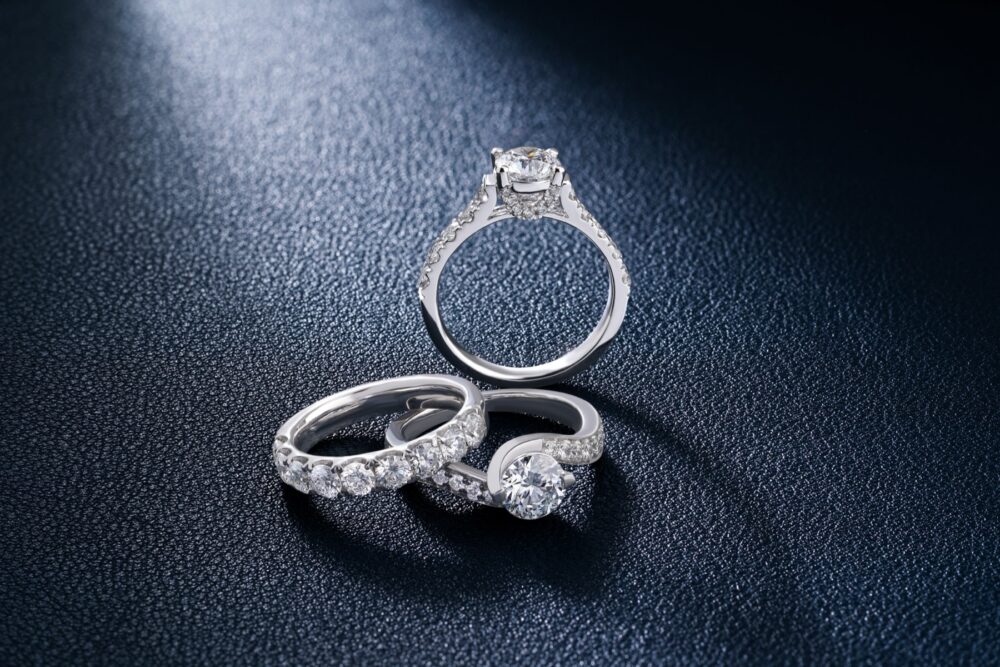
For US jewelry buyers, DHgate is usually a good fit for low‑ to mid‑priced fashion jewelry and accessories, not for building your core inventory of high‑value, certified diamonds. For small online stores and boutiques, DHgate’s strengths are variety, hip‑hop and minimalist styles, jewelry boxes, and often low or flexible minimum order quantities. If most of your revenue comes from graded diamonds or fine bridal pieces, specialist exchanges (RapNet, IDEX, Polygon) or vetted wholesalers and factories are usually better ground, with stronger industry vetting and certification routines. Most small businesses end up with a mix: open marketplaces like DHgate for fashion lines and packaging, and more specialized channels for stones and consistent production.
How DHgate compares to other B2B diamond and jewelry channels
Think of sourcing channels in two big buckets:
- Open B2B marketplaces (DHgate, Alibaba, Global Sources, Made‑in‑China, AliExpress)
- Industry‑level channels and factories (diamond exchanges like RapNet/Polygon/IDEX, direct jewelry factories in places like Yiwu, plus local wholesalers)
DHgate sits squarely in the first bucket. It’s a China‑based cross‑border B2B marketplace that connects global buyers to mainly Chinese suppliers across many categories; DHgate’s own editorial content reports over two million jewelry items listed, from necklaces and pendants to bracelets, earrings, rings, anklets, men’s jewelry, and packaging (DHgate jewelry overview).
According to third‑party editors like Yuhive and GTSetu, DHgate tends to suit small and medium wholesale orders, while Alibaba, Global Sources, and Made‑in‑China skew more toward larger, factory‑level orders and private label work (Yuhive, GTSetu). DHgate is not a specialist diamond exchange. Platforms like Polygon, IDEX, and RapNet, which Valigara highlights as popular gemstone channels, generally require membership, industry credentials, and focus explicitly on certified stones.
So your choice isn’t just “DHgate vs Alibaba.” It’s:
- DHgate or similar marketplaces for fashion jewelry and accessories, especially at low MOQs.
- Specialist diamond exchanges or vetted wholesalers for certified loose stones and high‑ticket diamond jewelry.
- Direct factories/Yiwu when you need deeper customization and have enough volume to justify a relationship.
The main channels for B2B diamond and jewelry sourcing
Valigara’s breakdown of jewelry B2B distribution and the Yuhive guide on DHgate alternatives point to a few realistic sourcing paths (Valigara, Yuhive).
1. Large open B2B marketplaces Examples: DHgate, Alibaba, Global Sources, Made‑in‑China, AliExpress.
- Product focus: Wide, with jewelry as one category among many. DHgate’s catalog includes fashion rings, earrings, pendant necklaces, watches, and jewelry storage.
- Suppliers: Mix of factories, trading companies, and wholesalers. Yuhive notes it can be hard to tell true manufacturers from trading companies on these sites.
- MOQ habits: Third‑party comparisons describe DHgate as more friendly to smaller orders; Alibaba and Global Sources often revolve around higher MOQs and larger‑scale purchasing.
2. Specialist diamond and gemstone exchanges Examples highlighted by Valigara: Polygon, IDEX, RapNet.
- Product focus: Loose diamonds, gemstones, and sometimes fine jewelry parts.
- Suppliers: Established industry players—diamond dealers, cutters, and wholesalers with business‑to‑business track records.
- Access: Often membership‑based, with some level of vetting or industry references.
- Use case: Sourcing certified stones, matching specific grading requirements, and trading within a professional network.
3. Direct factories and Yiwu‑based suppliers Yuhive describes a common pattern: buyers start on marketplaces, then move to direct Yiwu factories for fashion jewelry once they need more control.
- Product focus: Fashion and costume jewelry, findings, and packaging; often the same styles you see on DHgate or Alibaba but with more customization.
- Suppliers: Factories or design houses, usually reached via agents, trade shows, factory sites, or selected marketplace listings.
- MOQ habits: Typically higher than on DHgate; factories expect stable orders and often want custom tooling or molds.
4. Local or regional wholesalers Not always online‑platform based, but still part of many US jewelers’ mix.
- Product focus: Fine jewelry, certified stones, branded lines, or stocking programs.
- Suppliers: Wholesalers, manufacturers’ reps, or importers operating in the US.
No single channel covers everything well. Your product mix—fashion vs fine, finished pieces vs loose stones—should drive which set of channels you lean on.
Key differences: fashion jewelry vs certified diamond sourcing
Valigara stresses that selling finished jewelry is different from selling gemstones, and that distribution channels may vary depending on whether you trade finished pieces or stones (Valigara). That’s exactly why DHgate fits some jewelry businesses very well and others poorly.
Fashion jewelry and accessories Here you care most about:
- Style breadth and trend variety
- Low MOQs so you can test designs
- Decent quality at prices your customers accept
Open marketplaces and Yiwu factories excel at this. DHgate product snapshots on 2026-09-11 illustrate the pattern:
- A “Crystal Dangle Earrings For Women Rhinestone Earrings Weddings Ladies Party Fashion Jewelry Accessories Wholesale Gifts 241016” listing in the Dangle & Chandelier category was priced roughly between $25.03 and $30.43 per lot on 2026-09-11 (DHgate listing example).
- Diamond‑themed wristwatches such as “Golden Quartz Watch Diamonds Bracelet Watches For Women…” sat around $18.33–$19.32 on 2026-09-11 (DHgate watch example).
- A single‑layer jewelry box—“Cross-Border Multifunctional Earrings Necklace Storage Gift Wholesale Single Layer Diamond Jewelry Box”—was near $18.29–$18.76 on 2026-09-11 (DHgate box example).
These are clearly fashion or mid‑range accessories, not investment‑grade diamonds. On these items, certification is less central than style, customer appeal, and cost.
Certified diamonds and fine stones For loose stones or fine diamond jewelry, your priorities flip:
- Reliable grading (e.g., GIA, IGI, AGS reports)
- Traceability and ethical sourcing
- Consistent cut/clarity/color matching across orders
If your core business is selling engagement rings with guaranteed lab reports, you typically:
- Source stones via exchanges or vetted wholesalers.
- Use marketplaces more for settings, boxes, accessories, or lower‑ticket fashion lines.
Across all channels, marketplaces themselves do not inherently guarantee stone authenticity. Outcomes depend on specific suppliers and your own verification (samples, third‑party grading, inspections).
DHgate vs other channels: practical comparison for jewelry buyers
| Channel type | Product sweet spot | Typical order size & flexibility | How buyers usually handle supplier reliability |
|---|---|---|---|
| DHgate & similar open marketplaces | Fashion jewelry, hip‑hop/minimalist pieces, mid‑range accessories, boxes, tools | Often small to medium wholesale orders; third‑party editors like GTSetu and Yuhive describe DHgate as more approachable for smaller orders than Alibaba | Buyers compare multiple listings, read reviews, request samples, and may start with small test orders before scaling with a given supplier |
| Specialist diamond exchanges (RapNet, IDEX, Polygon) | Certified diamonds and gemstones for trade buyers | Transactions assume professional‑level budgets; order sizes vary but are usually higher‑value | Membership, industry references, and shared grading data help screen dealers, while buyers still confirm stones via lab reports and inspections |
| Direct factories / Yiwu | Custom fashion jewelry, private‑label lines, findings, packaging | Higher MOQs; factories expect ongoing or repeat orders to justify custom work | Buyers rely on relationships, factory visits (in person or via agents), third‑party inspections, and pre‑production samples |
| Local wholesalers | Fine jewelry, certified stones, and branded lines | Orders aligned with store programs and replenishment cycles | Buyers often rely on long‑term relationships, trade references, and in‑person stone review |
A few grounded takeaways:
- DHgate behaves a lot like AliExpress or a smaller‑order‑friendly counterpart to Alibaba: easier entry, broad assortment, and more suitable for testing styles than for building a whole diamond program.
- For diamonds, DHgate is closer to a general marketplace than a trade exchange. You’ll find diamond‑look pieces, lab‑grown claims, and tools like jewelers’ loupes (DHgate’s blog highlights loupes and magnifiers for jewelers in its jewelers’ loupe article), but the platform itself does not perform grading.
- For fashion jewelry, DHgate, Alibaba, Global Sources, and Yiwu factories can all work; the right choice depends on whether you prioritize small tests (DHgate and similar) or large, highly customized runs (factories via channels like Alibaba/Global Sources or direct contacts).
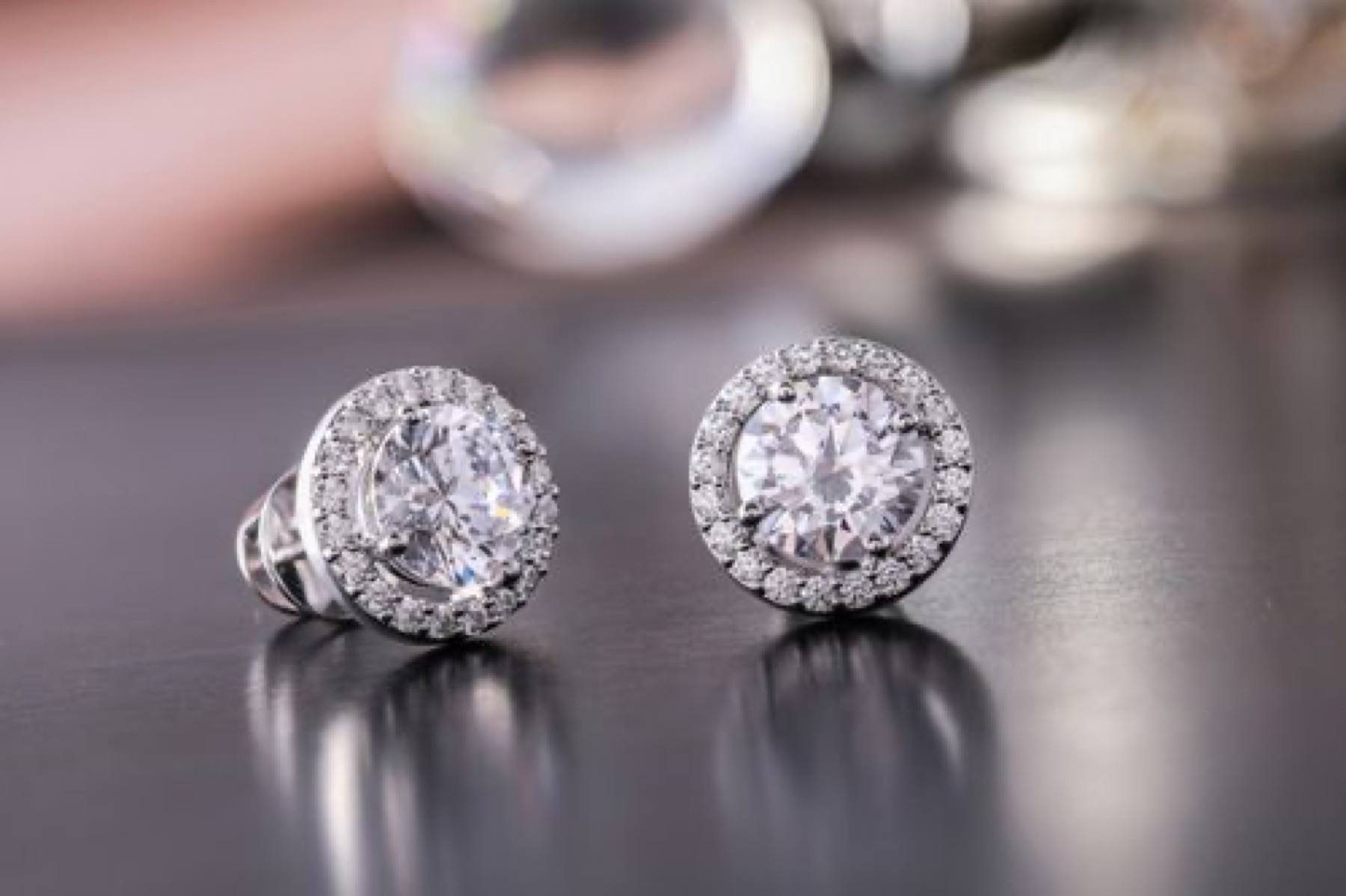
Which channels fit different jewelry business models?
Because jewelry and diamonds are so segmented, it helps to map channels to specific business types. Here are typical mixes, plus one concrete sequence for each of the two most common online profiles.
1. Small online fashion jewelry store (Shopify, Etsy, TikTok Shop) Core need: fast style turnover, low MOQs, mid‑range pricing.
- Primary channels: DHgate, AliExpress, selected Alibaba suppliers, and possibly Yiwu factories once your volume grows.
- Why DHgate fits: DHgate’s editorial content reports millions of fashion listings, including hip‑hop jewelry with over 95,000 collections (DHgate hip‑hop jewelry article), and minimalist designs, often with low minimums.
- What to source elsewhere: If you add a small fine line, use local wholesalers or a diamond exchange member for stones.
2. Boutique jeweler needing custom findings and small batches Core need: unique designs, consistent quality, modest but repeat orders.
- Primary channels: Combination of Alibaba/Global Sources for factory hunting, plus direct relationships with a handful of Yiwu or other factories.
- DHgate’s role: Supplementary. Use it to test new accessory styles, source jewelry boxes, or pull in occasional trendy pieces without committing.
- Diamond sourcing: Still via vetted wholesalers or exchanges; marketplaces are generally a last option for stones, not the base of your fine inventory.
3. Lab‑grown diamond or engagement‑ring startup Core need: credible, certified stones; tight control over grading and branding.
- Primary channels: Specialist diamond exchanges (RapNet, IDEX, Polygon) and direct agreements with lab‑grown manufacturers or US‑based wholesalers.
- Concrete sourcing sequence: Join an exchange (e.g., Polygon) once you meet their membership criteria, source GIA‑ or IGI‑graded stones that match your specs, then use a marketplace like DHgate only for packaging (e.g., jewelry boxes around the $18 range in the 2026-09-11 snapshot) and lower‑ticket CZ or lab‑grown fashion add‑ons.
- DHgate’s role: Non‑core. Helpful for accessories and tools, not for your main stones.
4. Established multi‑store retailer in the US Core need: consistent replenishment, multi‑store assortments, risk management.
- Primary channels: Distributor chains, existing networks, local wholesalers, and possibly select factories for private label collections (as Valigara’s channel mapping suggests).
- DHgate’s role: Occasional opportunistic buys—trend‑driven fashion lines, seasonal accessories, or budget‑friendly gift items—but not a hub for diamonds.
5. Dropshipper or influencer brand testing accessories Core need: ultra‑low capital, fast product testing, low commitment.
- Channel mix: Start with DHgate for low‑risk fashion jewelry and accessories, then graduate to direct factory sourcing (Yiwu) once you find winners and need better control, in line with Yuhive’s advice.
Across these profiles, DHgate is strongest where fashion jewelry, hip‑hop/minimalist styles, and small‑batch experimentation matter. It is weaker as the backbone for certified diamond inventory.
Where DHgate actually fits in your diamond and jewelry sourcing mix
Putting it all together, DHgate’s realistic niche for a US jewelry business looks like this:
- Strengths
- Large assortment of affordable fashion jewelry and accessories—DHgate’s own editorial mentions over two million jewelry items spanning necklaces, pendants, bracelets, rings, anklets, men’s jewelry, and packaging (DHgate jewelry overview).
- Good access to hip‑hop and minimalist lines; the hip‑hop jewelry article cites tens of thousands of hip‑hop collections (DHgate hip‑hop jewelry article).
- Often low or flexible MOQs for many listings, making it friendly to small ecommerce brands and dropshippers, as supported by DHgate’s small‑business wholesale editorial (DHgate wholesale overview) and third‑party comparisons.
- Access to jewelry, boxes, loupes, and other tools in one marketplace.
- Limitations
- Not a specialist diamond exchange; there is no marketplace‑level diamond grading or certification service.
- Less suitable as a primary channel for businesses whose main value proposition is high‑ticket, certified diamonds.
- Smart ways to use DHgate alongside other channels
- Test fashion lines: Use DHgate for low‑risk experiments—rhinestone statement earrings around the $30 range (e.g., the “Crystal Dangle Earrings” listings in the 2026-09-11 snapshot), diamond‑look watches around $18–$19, minimalist chains—before committing to factory runs.
- Fill assortment gaps: When you have core fine jewelry covered by exchanges or wholesalers, DHgate can supply add‑on pieces, giftable accessories, and jewelry boxes in the high‑teens price band (based on the 2026-09-11 observation) that round out your catalog.
- Tools and extras: Source jewelers’ magnifiers and diamond loupes through DHgate listings (as highlighted in DHgate’s loupe article) as part of your workshop kit, while keeping actual stones within more controlled channels.
A simple rule of thumb:
- Use DHgate for fashion jewelry, accessories, packaging, and tools—especially if you’re a small or mid‑size online seller.
- Use specialist diamond exchanges, vetted wholesalers, or factories for certified stones and long‑term fine jewelry production.
Treat DHgate as one tool in a broader sourcing toolbox, not a universal solution.