
Chinese glass bongs and pipes are usually cheaper and more visually varied than American-made glass, but the quality is uneven. At the low end you get thin, generic glass that chips or cracks easily; at the higher end, factory-made Chinese borosilicate pieces can rival mid-tier US brand glass in durability and smoothness. For a US buyer or small reseller, Chinese glass is a good value when you can confirm borosilicate material, decent thickness, and a reputable factory behind it. If you want guaranteed, consistent quality or a strong brand story, American or other domestic glass is still the safer bet.
What “Chinese Glass Bongs and Pipes” Actually Covers
“Chinese glass bongs and pipes” is a broad label. It spans:
- Mass-produced glass water pipes, dab rigs, and hand pipes made in large factories.
- Mid-range borosilicate bongs with percs and branded logos.
- Ultra-budget copies of popular American designs.
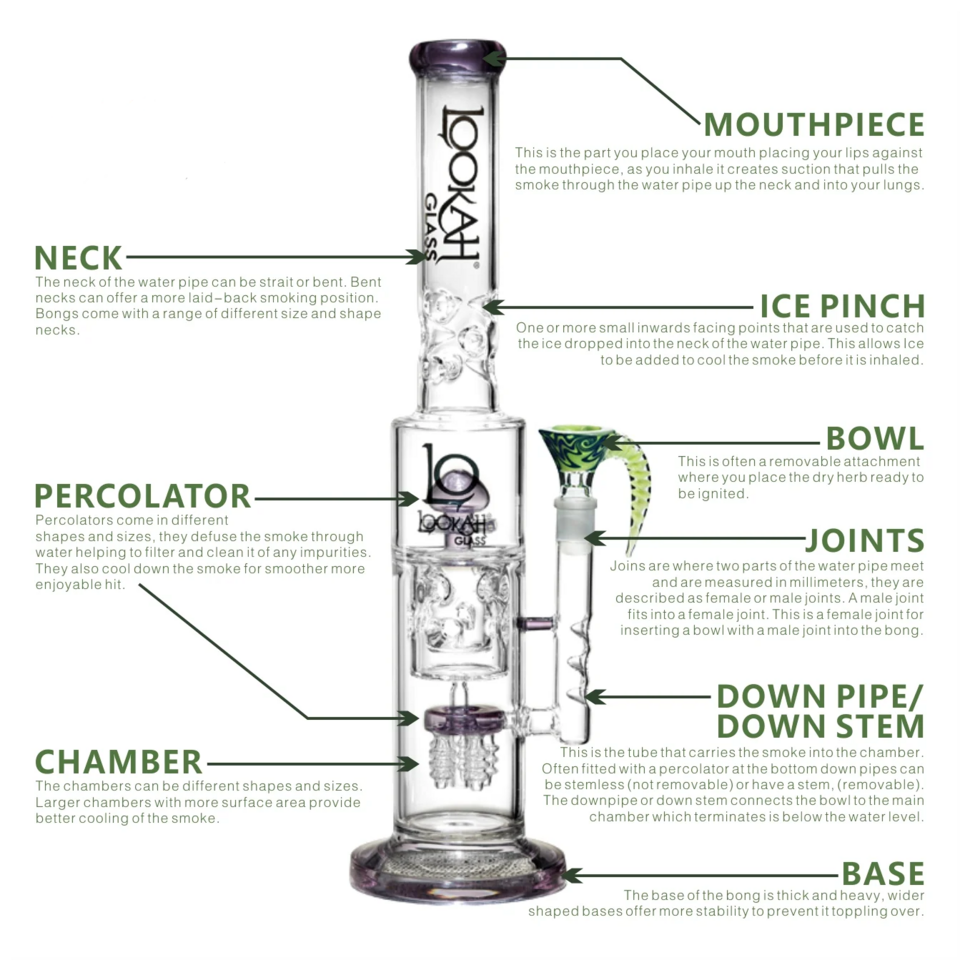
Chinese manufacturers highlighted on sites like Glory Glass Pipe, Chinax, and TWT-bongs advertise a full range of glass smoking products for wholesale and retail buyers: straight tubes, beaker bongs, recyclers, spoon pipes, chillums, and more.
The biggest quality divider is glass type:
- Borosilicate glass (often marketed as Pyrex-type): better thermal shock resistance, less prone to cracking, generally stronger and more reliable for repeated heating/cooling.
- Generic soda-lime or “China glass”: softer, more likely to chip, and can be inconsistent from batch to batch.
Large factory production tends to produce more consistent joints, welds, and percolator cuts than very small improvised workshops. Editorial coverage of factory bongs notes that industrial-grade equipment and standardized processes help deliver more uniform thickness and reliable performance, especially when high-grade borosilicate is used.
Price bands relative to American glass usually look like this:
- Budget Chinese glass: significantly cheaper than almost any American-made piece; often thin, simple, and unbranded.
- Mid-range factory Chinese borosilicate: priced below comparable American-brand pieces with similar percs and size.
- American artisanal or brand-name glass: highest prices, reflecting domestic labor, brand marketing, and small-batch craftsmanship.
For US resellers, these tiers define where the margin and risk sit: budget imports maximize spread but also breakage and returns; factory borosilicate is a middle ground; domestic glass is a premium play.
Quality and Price: Chinese Glass vs American and Other Options
For a given budget, Chinese and American glass tend to trade off consistency vs cost. Here’s how they typically compare.
Side-by-side overview
| Aspect | Chinese factory borosilicate | Ultra-budget Chinese glass | American-made brand glass |
|---|---|---|---|
| Typical price tier | Lower than comparable US brands | Lowest overall | Highest |
| Material | Borosilicate (advertised) | Often generic soda-lime | Borosilicate, heavily marketed |
| Durability | Can be strong and long-lasting | Prone to chips/cracks | Generally thick, durable |
| Craftsmanship | Clean but mostly non-artisanal | Simple, may have uneven joints | More refined shaping and finishing |
| Design variety | Very wide: percs, recyclers, art | Simple tubes, basic colors | Wide, but fewer budget experimentals |
| Consistency between units | Good in reputable factories | Inconsistent | High, backed by brand reputation |
US-headquartered brands such as Thick Ass Glass describe American-made glass as “much better” and more reliable than imported China glass, and they emphasize thicker walls and stricter quality control as part of the pitch. That’s marketing language, but it reflects a real pattern: domestic pieces usually aim for heavy-duty builds and consistent specs, while imported glass spans both solid factory borosilicate and very cheap knockoffs.
On the other side, DHgate’s editorial blog and China-based manufacturers stress that China has become a major hub for glass water pipe production, with cost-effective manufacturing and a huge design catalog. Factory-made Chinese borosilicate pieces are described as providing smooth hits, easy cleaning, and long service life when cared for properly—benefits that line up with how borosilicate behaves in lab glassware generally.
Where Chinese glass is competitive
Chinese glass holds its own when:
- The seller specifically advertises borosilicate and demonstrates they’re a factory operation (consistent product line, clear photos, repeat wholesale buyers).
- You’re buying functional, mid-range pieces: percolator straight tubes, beaker bongs, simple recyclers. Here the performance gains from high-end American artisan work are modest compared with the price gap.
- Design variety matters. Chinese factories often push out experimental shapes, themed pieces, and multi-color builds faster than domestic brands.
For a US buyer willing to inspect listings carefully, those pieces can offer strong value—especially for personal use or budget-conscious reselling.
Where it often falls short
Chinese glass commonly disappoints when:
- You dip into the lowest price tier, where generic glass and thin walls dominate.
- You want museum-level craftsmanship—perfect symmetry, complex hand-worked sections, flawless polishing and branding.
- You need tight consistency across many units for a retail brand that promises a specific feel and weight.
For those scenarios, paying more for American or other domestic glass is often justified.
Best Channels to Source Chinese Glass Bongs and Pipes
If you decide Chinese-made glass fits your budget and audience, the next question is where to buy. The best channel depends heavily on whether you’re a personal-use buyer or a reseller.
1. Wholesale marketplaces for resellers
For US small ecommerce businesses or smoke shops, wholesale-focused platforms are usually the starting point:
- Alibaba: The China-country search for glass water bongs and pipes shows many suppliers offering bulk lots, often with customization options (logos, colorways). It’s built around MOQs and long-term factory relationships, which suits buyers planning larger orders.
- Direct manufacturer sites: Some factories operate their own English-language sites, such as Glory Glass Pipe, Chinax’s borosilicate bong listings, or TWT-bongs. These can be useful for seeing a catalog and then negotiating directly.
These channels favor buyers who can handle sampling, ongoing communication, and some degree of product selection risk. They’re strong fits for:
- Shops building a house-brand line of mid-range glass.
- Online resellers who want bulk import pricing and can manage broken units and QC themselves.
2. Cross-border marketplaces for smaller orders
If you’re buying a few pieces—either as a consumer or to test designs before committing to wholesale—cross-border marketplaces offer smaller commitments and wide variety.
- DHgate: As a general marketplace, DHgate hosts various China-based glass pipe and bong sellers. It’s one example of a channel where you can source Chinese glass in low quantities, often with themed or novelty designs. Since policies and seller practices vary, you should treat each listing as its own relationship: inspect photos closely, look for clear material descriptions (borosilicate vs generic), and compare multiple suppliers.
For a personal-use buyer, these channels make sense if you want:
- A cheap, visually interesting piece and can tolerate some variance.
- To test China glass quality before deciding whether to pay more for an American-made branded bong.
For a small reseller, they’re useful for:
- Trial runs on specific styles (e.g., themed recyclers) before placing factory orders.
- Filling out a budget section of your catalog without committing to full-container imports.
3. Scenario-based recommendations
If you’re buying for yourself and care mostly about cost:
- Chinese mid-range factory borosilicate is often the sweet spot: cheaper than US brand glass, with solid durability when you choose well-described pieces.
- Start with one or two pieces from a seller whose catalog looks consistent, then decide if the experience justifies sticking with China glass.
If you’re a small US ecommerce business testing a glass category:
- Use a mix of cross-border marketplaces (for low-quantity, fast market tests) and one or two factory contacts via Alibaba or direct sites for future scaling.
- Treat ultra-budget China glass as a limited “entry-level” offer; rely on factory borosilicate or domestic glass for your core reputation.
If you’re building a premium, brand-heavy retail concept:
- Lean toward American-made or other domestic glass for your flagship line—this aligns with US brand narratives around quality and reliability and simplifies consistency.
- Consider select, higher-end Chinese factory pieces as value options, but be clear with customers about origin and positioning.
By separating factory-grade Chinese borosilicate from ultra-budget imports and matching sourcing channels to your actual profile, you can use Chinese glass where it truly offers value—and walk away when it doesn’t.