
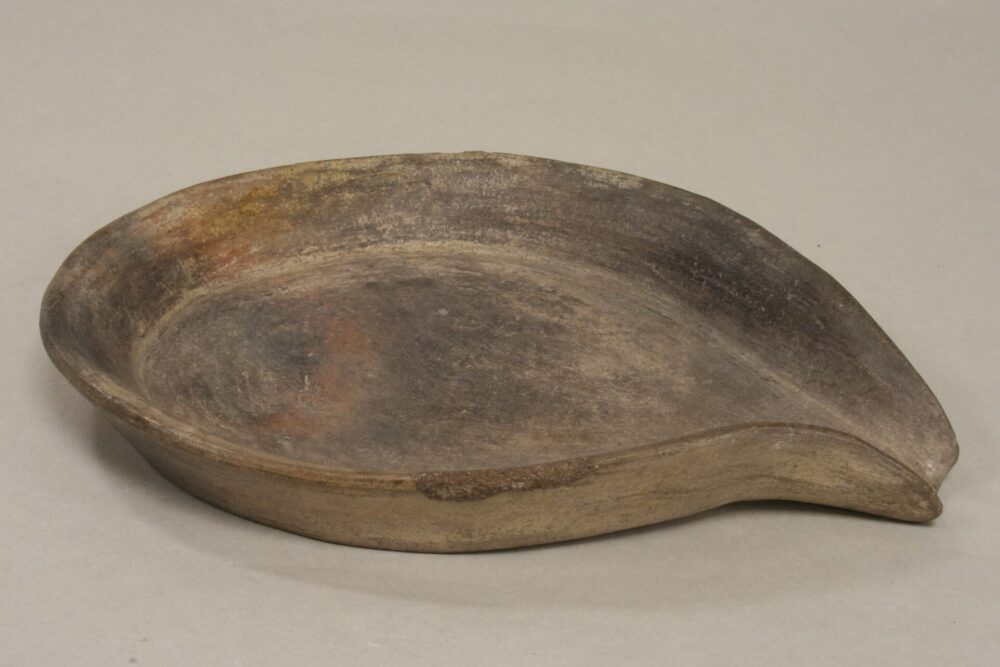
For small US art studios and ecommerce shops, DHgate is useful for low‑MOQ and test runs of ceramic paint mixing trays, but once you need consistent, branded, high‑volume trays, direct manufacturers or larger B2B platforms usually make more sense. The smart move is often to start with marketplaces for samples and small batches, then shift your dependable, repeat orders to a supplier you can control more tightly.
What Matters When You Source Ceramic Paint Mixing Trays Wholesale
Ceramic paint mixing trays look simple, but they’re a fragile, low‑ticket item. That combination changes how you should source them.
You’ll want to lock down:
- Tray specs and use case. Decide on well count (e.g., 8‑well watercolor palettes vs 12‑well trays), depth, glaze type (smooth, non‑staining), and whether you need lids. Retail platforms like Etsy’s ceramic mixing tray listings show how diverse shapes and sizes are in real use.
- MOQ flexibility. A small studio may only need 20-100 trays; a growing ecommerce brand might need 500-2,000 over a year. You need a channel that doesn’t force you into container‑scale orders too early.
- Quality proof before you commit. Because ceramic quality swings a lot—glaze pinholes, warping, uneven wells—you should insist on samples and clear photos. DHgate’s own editorial guidance encourages buyers to filter by ratings and reviews and order samples before larger wholesale commitments.
- Total landed cost, not just unit price. Trays are heavy and breakable. Your real cost lives in packaging and freight. A cheap ex‑factory price can become ugly once you factor in protective packaging, double boxing, and international shipping.
- Breakage risk and packaging standards. Unlike fabric or plastic accessories, you can’t tolerate sloppy packing. Ask how the supplier boxes individual trays, how many go in a master carton, and what their historical breakage rate is—even if they won’t give precise numbers.
- Reorder reliability. If you plan to sell the same tray for years, you need a route where clay body, glaze and dimensions stay stable across runs, and where the supplier is still around when you reorder.
Think of the first order as a test of both product and channel. You’re not just buying ceramic—you’re checking whether this route can scale with you.
Wholesale Marketplaces vs Direct Manufacturers for Ceramic Trays
From a buyer’s perspective, you’re typically choosing among:
- Cross‑border wholesale marketplaces (DHgate, Alibaba‑style sites)
- Retail/wholesale hybrid platforms (Etsy, Faire‑style marketplaces)
- Direct ceramic manufacturers or factories
Here’s a compact comparison tailored to ceramic trays:
| Sourcing route | MOQ flexibility for trays | Quality & vetting control | Sampling & experimentation | Long‑term pricing power |
|---|---|---|---|---|
| Wholesale marketplaces (incl. DHgate) | Often low; some sellers allow very small lots or even single pieces; varies by seller | Platform gives ratings/reviews, but factories vary; you have moderate control via listing checks and chat | Strong: easy to mix SKUs, order samples, and test niches without big contracts | Medium: you can negotiate per seller but you’re still in a marketplace environment |
| Retail/craft platforms (Etsy, Faire) | Usually small to medium; good for 10-200 pieces and boutique designs | Often higher artisanal quality; vetting is mostly by brand reputation and reviews | Good for design testing and unique shapes; limited for OEM customization | Weak to medium: prices reflect retail positioning and craft margins |
| Direct manufacturers (ceramic factories) | Typically higher; expect structured MOQs and production runs | Highest potential control if you manage QC; vetting is on you (factory visits, audits, references) | Sampling is slower but deeper: you can tweak clay, glaze, mold dimensions | Strong: once volume is steady, you can negotiate better ex‑factory pricing and terms |
Independent sourcing guidance generally frames marketplaces as flexible but less controllable, and direct manufacturers as more work upfront but more control and potentially better long‑term pricing.
DHgate sits squarely in the wholesale marketplace bucket. Its own editorial material describes it as a major China‑based B2B marketplace with millions of products and suppliers, and highlights that buyers can often order very low quantities with tiered pricing. It also pushes a basic playbook: use search filters, check supplier ratings and transaction history, and request samples before committing to larger orders.
Direct factories, by contrast, rarely give you that kind of low‑MOQ experimentation. You might need to commit to a specific tray mold, pay for tooling, and run a minimum batch that’s larger than a small shop needs. But you gain real control over clay body, glaze recipe and dimensional consistency—critical if you’re building a brand around a flagship ceramic palette.
When DHgate Is the Right Ceramic Tray Channel—and When to Switch
The right route depends heavily on who you are and where you are in the life of your business.
Scenario 1: Small art studio or new online shop
You’re buying 20-100 trays to resell or bundle with paint sets.
Here, DHgate and similar wholesale marketplaces are often a good starting point:
- You can search for generic white ceramic palettes, filter by minimum order quantity, and see multiple factories’ takes on roughly the same design.
- You follow DHgate’s suggested playbook: shortlist sellers via filters, ratings and reviews; chat to clarify tray specs and packaging; order samples from 2-3 suppliers.
- You can treat the first import as a proof of concept without committing to a single factory.
Retail platforms like Etsy or Faire can also work at this stage if you want distinctive, artisanal trays with a story and are willing to pay closer to retail prices. They’re less about squeezing margin, more about aesthetic differentiation.
In this scenario, DHgate is relevant and useful because it tolerates low‑MOQ, mixed orders and makes sample buying easy. You’re optimizing for flexibility and learning, not yet for perfect long‑term control.
Scenario 2: Growing ecommerce brand with repeat sales
Now you’re selling a specific tray design every day, and reorders are regular. Your problems shift:
- You need consistent specs and glaze across batches.
- You care more about carton optimization, breakage rates, and predictable timelines.
- You want better pricing as volume rises.
At this point, you can still place some reorders through DHgate if a particular seller has proven reliable, but it’s worth exploring:
- Direct contact with that factory outside the marketplace (subject to their rules and your risk tolerance).
- Larger B2B platforms or sourcing agents who specialize in ceramics and can help you audit the factory.
DHgate’s editorial positioning talks about connecting buyers to OEM factories and using competitive pricing and sample‑based checks as profit levers. For trays, that translates into: use it to identify capable factories and refine your spec, then consider negotiating more formal supply once your numbers justify it.
Scenario 3: Wholesaler or large art retailer
You’re thinking in pallet or container loads, supplying multiple stores.
Here, DHgate becomes supporting, not primary:
- You might still use it to source accessories and secondary SKUs: small ceramic pans, niche palette shapes, or packaging components.
- For your main tray line, direct manufacturer relationships or structured B2B sourcing platforms generally beat marketplaces on consistency, serious QC, and long‑term cost.
You’ll be weighing factory audits, third‑party inspections, and negotiated contracts—things marketplaces don’t inherently provide.
Practical way to use DHgate in your tray sourcing mix
A pragmatic approach for US buyers is:
- Use DHgate for discovery and testing. Search broadly, filter hard, and buy 2-4 tray variations as samples. Treat this as paid market research.
- Decide your next channel based on volume. If you’ll stay under a few hundred trays per year, staying with a proven DHgate seller or a craft platform can be fine. If you see demand heading into thousands, start parallel conversations with direct manufacturers.
For supporting DHgate context in this channel comparison, use Compare DHgate with AliExpress, Alibaba and Temu, What DHgate is and how the marketplace works, and Find wholesale suppliers on DHgate.
If you search DHgate and don’t find listings that match your needed tray specs or quality evidence, don’t force it. That’s the clear signal to shift your energy toward other marketplaces or direct factories for this product, and perhaps reserve DHgate for less fragile accessories or packaging instead.