
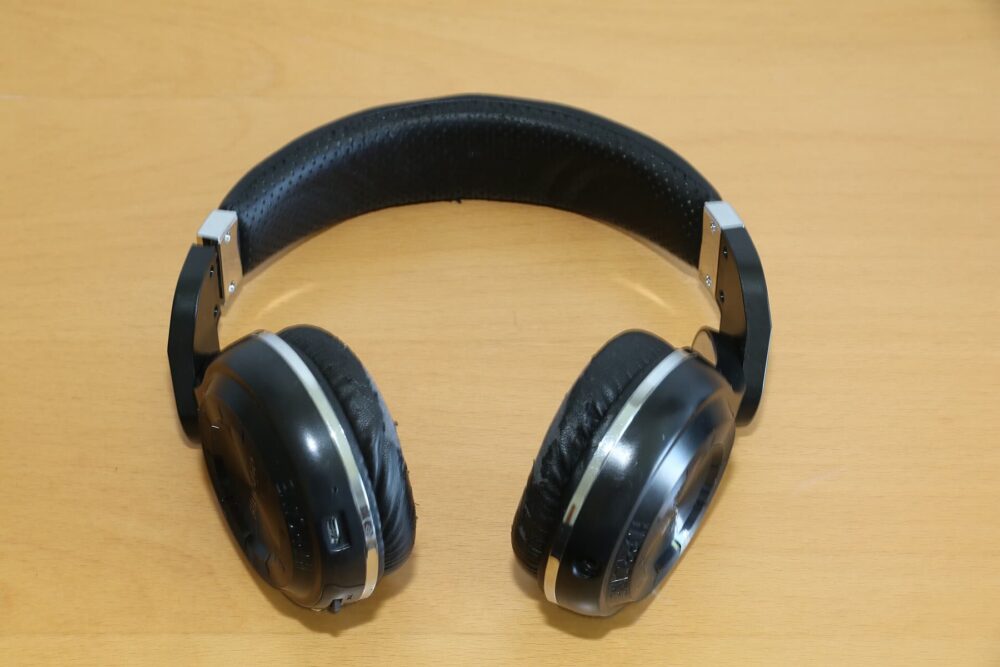
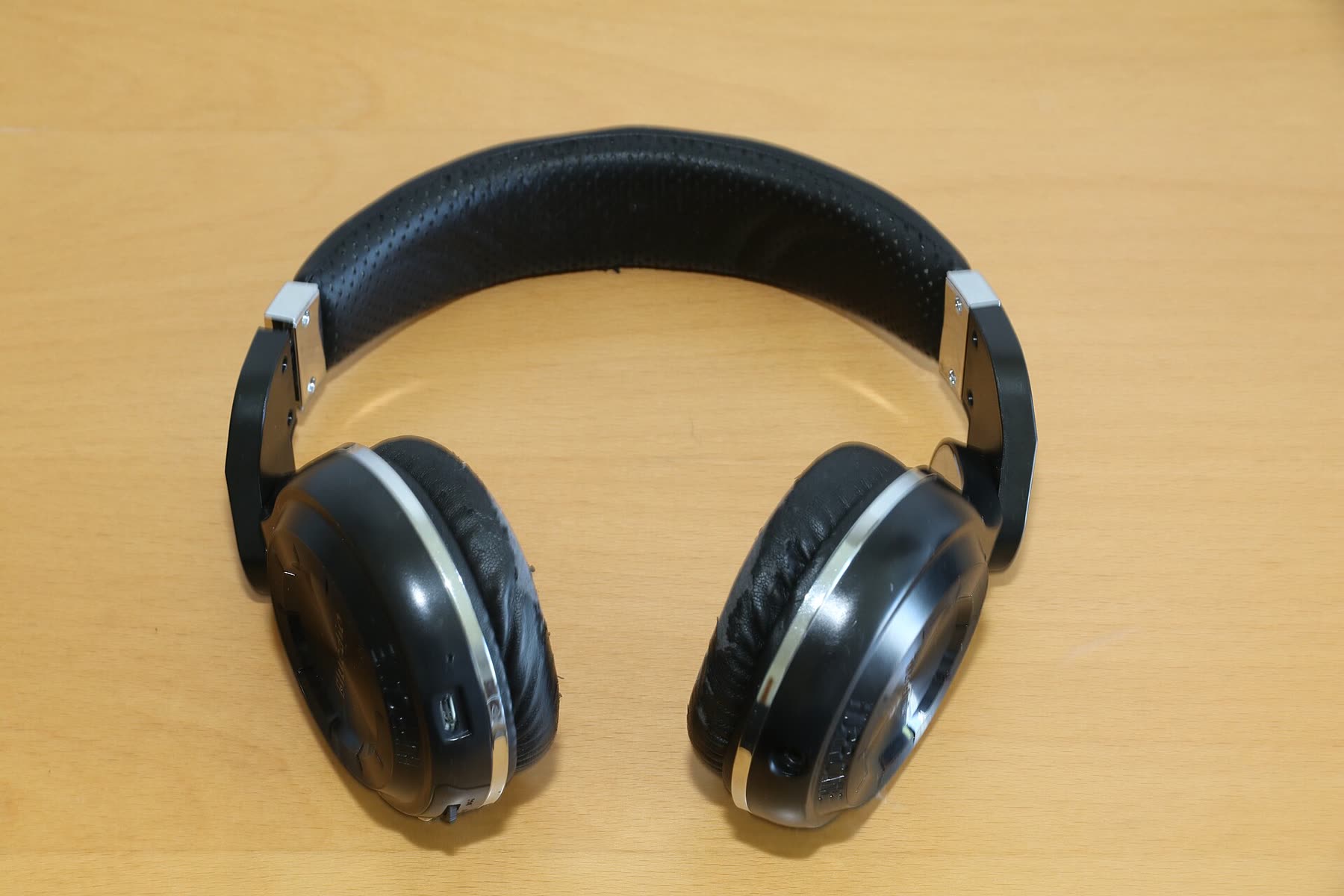
Bluedio sits firmly in the budget headphone segment. For Australian buyers, its over‑ear Turbine series and true wireless earphones often deliver Bluetooth, long battery life and sometimes noise cancelling at prices below big brands. Reviewers typically call them “good value for the money,” but also clear that they don’t match premium names on refinement, build or support. That makes Bluedio attractive if you care more about feature-per-dollar than polish, and less appealing if you want guaranteed consistency or top‑tier ANC.
How Bluedio Headphones Are Positioned vs Other Brands
Bluedio is a China-based audio brand focused on wireless headphones and earbuds. Its range includes over‑ear models such as the Turbine series and in‑ear true wireless sets, often highlighting Bluetooth connectivity, long battery life and comfort-first designs on its official product pages.[Bluedio product overview] These specs put Bluedio in direct competition with other budget wireless players rather than mid-range or flagship lines from Sony or Bose.
Popular examples include:
- Turbine T-series over‑ear headphones (e.g., T2, T4): budget wireless cans often praised by some reviewers on YouTube as strong sub‑US$50 options, emphasising lightweight design and solid sound for the price.[Bluedio T2 review]
- Bluedio Air 2: wireless over‑ear model reviewers describe as lightweight with surprisingly decent audio for its low price bracket.[Bluedio Air 2 review]
- Bluedio Hi TWS: compact true wireless earbuds that an independent review found competitive with other budget brands, noting that sound quality dips at maximum volume.[Bluedio Hi TWS review]
- Bluedio TE sports earphones: Australian user feedback mentions sturdy build and good Bluetooth range, with overall satisfaction described as only “average”—acceptable but not impressive.[Bluedio TE user reviews]
Rather than one hero product, Bluedio’s positioning is clear: pack in modern wireless features at low cost, accept some variance in tuning and materials, and forgo the brand cachet and tighter quality control that come with established audio manufacturers.
Key criteria to judge Bluedio against rivals:
- Price band: budget (often under mainstream brands’ entry-level models).
- Core features: Bluetooth version, battery claims, optional ANC, microphone quality.
- Real-world performance: sound consistency at different volumes, comfort over time, build wear.
- Support expectations: how much you rely on warranty and local after-sales versus treating them as disposable or test stock.
Bluedio vs Rival Brands on Price, Features and Everyday Use
Instead of lining Bluedio up against ultra‑premium ANC flagships, it’s more useful to compare it with other budget and lower mid-range brands you’ll see on Australian marketplaces and electronics stores.
Here’s a compact snapshot of how Bluedio generally stacks up by segment:
| Segment / Use Case | Bluedio (T-series, Hi TWS, TE) | Other Budget Brands (e.g., Avantree, Boat, house brands) | Mainstream Mid-Range (Sony, JBL, etc.) |
|---|---|---|---|
| Price level | Low budget | Low to lower mid-budget | Mid-range and above |
| Sound at normal volume | Often called “good for price” | Similar tier; some models slightly better tuned | Noticeably more refined, balanced |
| Sound at max volume | Reviewers note quality dip on Hi TWS | Often strained too, varies by brand | Stays cleaner on reputable models |
| Battery & Bluetooth | Modern Bluetooth, decent life | Comparable; some boast newer Bluetooth versions | Typically longer life, newer standards |
| Build & comfort | Sturdy but basic, mixed comfort reports | Basic plastics; varies widely | More consistent materials and ergonomics |
| Extras (ANC, app, codecs) | Occasional basic ANC, minimal extras | Rarely advanced features | ANC, apps, better codecs common |
Music and casual listening For listening around the house or office at moderate volume, many independent and YouTube reviewers describe Bluedio Turbine and Air 2 as offering surprisingly decent sound for their price point.[Bluedio Air 2 review] The tuning often leans towards fun, bass‑friendly playback rather than accurate studio sound. In budget comparisons, Bluedio Hi TWS was judged competitive with other cheap true wireless models, though the review highlighted that at top volume the sound becomes harsher and less controlled.[Bluedio Hi TWS review]
That’s typical of low-cost audio: fine at 60-80% volume, less refined when pushed. If you’re used to mid-range JBL or Sony, you’ll likely notice thinner mids and less detail, but Bluedio can still feel like a step up from no-name generic buds.
Commuting and light travel Some Bluedio models advertise noise reduction features, and aggregated reviews on WikiBrand describe ANC as “effective for the price but not comparable to premium brands”.[Bluedio reviews summary] That makes them usable on the bus or train but not in the same league as serious ANC cans. For daily commuting, the choice becomes:
- Bluedio: low outlay, acceptable isolation, simple controls.
- Other budget brands: similar trade-offs, with occasional standouts on comfort.
- Mid-range ANC from mainstream brands: higher cost, but far more consistent isolation, app control and travel features.
If you want headphones primarily to tame aircraft cabin noise or CBD traffic, you’ll usually be happier stretching to mid-range ANC models from established brands.
Sports and outdoor use Australian user reviews of Bluedio TE highlight sturdy construction and good Bluetooth range—the basics you want for running or gym use—but overall satisfaction was described as average.[Bluedio TE user reviews] In practice, that means they’re workable if you care more about staying connected than about perfect fit or audio finesse.
Competing sports earbuds from other budget brands sometimes offer newer Bluetooth versions, better water resistance or more refined ergonomics, but you see similar patterns: good connectivity, variable long‑term comfort, and sound tuned more for energy than nuance. Name brands tend to invest more in ear tip design, stability fins and sweat resistance testing, which matters if you’re using them several times a week.
Gaming and video Bluedio wireless models are not positioned as specialised gaming headsets. Latency on Bluetooth-only headphones is generally acceptable for video and casual mobile games, but serious PC or console gamers often prefer wired or low‑latency dongle-based models. Budget rivals marketed around gaming sometimes tout reduced delay modes; Bluedio’s mainstream lines focus more on everyday music and calls.
Which Buyers and Channels Fit Bluedio Best?
Bluedio makes the most sense in specific scenarios rather than as a one-size-fits-all solution.
Best-fit buyers
- Budget-conscious listeners: If your priority is keeping spend low while still getting wireless freedom and workable sound, Bluedio T-series or Hi TWS can be good experiments. You accept some rough edges in sound and finish in exchange for modern features at a low cost.
- Backup or travel beater headphones: Need a spare pair for the office, kids or occasional flights? Bluedio can be a sensible “second set” where you’re less worried about long-term durability.
- Small ecommerce sellers testing budget audio stock: For resellers, Bluedio is a case study in the broader budget-headphone category: appealing specs on paper, but with variable user satisfaction. It’s the sort of brand you’d trial in small batches and keep only if review sentiment in your customer base is solid.
Where Bluedio is not ideal:
- Buyers who want predictable top‑tier ANC and polished app ecosystems.
- Audiophiles chasing detailed, neutral sound.
- Shoppers who place heavy weight on robust local warranty and service.
Local vs cross-border buying for Australians
Australian shoppers can encounter Bluedio through a mix of local retailers, global platforms and smaller cross-border marketplaces. For a budget brand with mixed but often “good for the price” reviews, channel choice affects your risk profile more than your feature set.
A sensible approach is:
- Use local or regionally-focused retailers if you value easier returns, predictable shipping and clearer consumer-rights recourse.
- Consider cross-border marketplaces if you’re price-sensitive, comfortable vetting sellers yourself, or sourcing small batches for resale.
Editorial guides on wireless headphones value-for-money emphasise checking features, brand reputation, and user reviews relative to price before you commit.[Bluetooth headphone value guide] That applies directly to Bluedio: don’t buy on specs alone; briefly scan independent and local reviews for the exact model you’re eyeing.
Cross-border platforms such as DHgate can surface a wide mix of budget Bluetooth headphones, including Bluedio and similar brands. If you go that route, treat each listing as its own bet: compare Bluetooth version, claimed battery life, and whether real buyers mention the same strengths and weaknesses you see in independent reviews. For broader marketplace pros and cons beyond Bluedio, you can look at how channels like DHgate, AliExpress, Alibaba and Temu differ in structure and typical use cases in this overview: compare DHgate with AliExpress, Alibaba and Temu.
For small ecommerce businesses in Australia, Bluedio is best used as a budget anchor in a broader assortment. Pair it with at least one mid-range brand whose quality and consistency are better established, and position Bluedio transparently as a value option. That way, price-sensitive customers still have a wireless choice, while those willing to spend more can migrate up the ladder.