
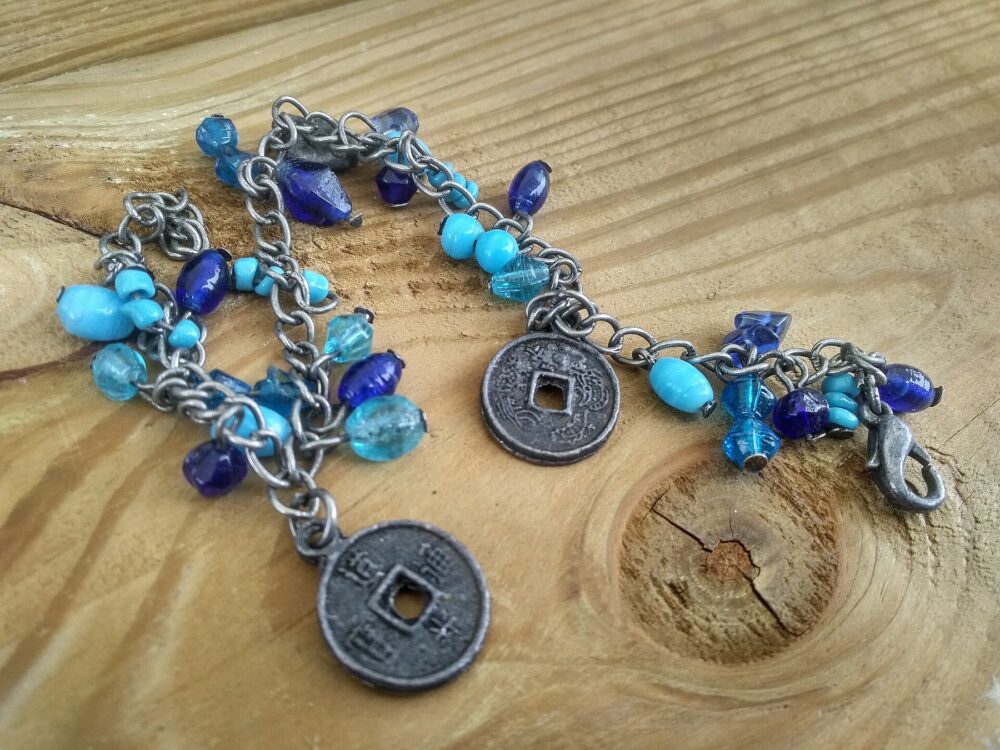
Prices for Bali-style bracelets differ more by platform role than by any single design. Etsy and Bali-focused artisan sites usually sit at the higher end, with hand-carved silver cuffs or intricate beaded pieces priced as small artworks. Amazon and similar mass marketplaces skew cheaper on Bali-inspired styles, but those bracelets are often standardized designs rather than directly sourced from Balinese artisans.
For Australian buyers and small ecommerce brands, the practical decision is less “where is cheapest” and more “how much uniqueness, story and margin do I need, and how much effort can I put into sourcing?” The sections below break the Bali bracelet market down so you can pick channels that match your budget and brand.
How the Bali bracelet market breaks down across online channels
“Bali bracelet market” can mean three distinct things:
- Physical Bali art markets – places like Ubud or Kuta art markets in Bali are traditional hubs where local artisans sell hand-carved silver, woven cords, and beaded spiritual bracelets. Many micro-brands and resellers start here, then list the pieces online for Australian customers.
- Global marketplaces with Bali-inspired designs – Etsy, Amazon, and similar platforms host thousands of bracelets tagged as Bali or Balinese. Some are genuinely made in Bali; others simply borrow the aesthetic (foxtail chains, floral motifs, Buddhist bead stacks).
- Specialist Bali bracelet stores – sites such as Love Is Project’s Bali bracelets collection, Bali Necklaces bracelets or Bali Parcel’s bracelet category focus specifically on Bali-inspired or Bali-made jewelry.
To compare prices and value across these channels from Australia, a simple framework helps:
- Price band – rough per-piece pricing once converted to AUD, knowing you’ll still need to add shipping and any customs exposure.
- Craftsmanship & authenticity – is the bracelet likely to be handmade in or around Bali, or manufactured elsewhere to a Bali-inspired design?
- Design uniqueness – can your bracelet or product line stand out, or will buyers see near-identical listings across multiple platforms?
- Logistics effort – how much work is involved in shipping to Australia, handling returns, and reordering for a small ecommerce operation?
Once you see each platform through those four lenses, the price differences between Etsy, Amazon, Bali artisan sites and other sources start to feel predictable rather than random.
What Etsy, Amazon Handmade and Bali artisan sites offer for Bali bracelets
Here’s how the main online channels look for Bali-style bracelets.
Etsy: handmade-first, usually higher priced but more unique
Etsy is widely known as a marketplace centered on handmade and vintage goods, and that positioning carries through strongly in bracelet listings. For Bali-style bracelets, you’ll find:
- High craftsmanship examples – e.g., a handcrafted 925 sterling silver floral Bali cuff on Etsy’s Australian site, priced like a small piece of art rather than a fashion accessory.
- Typical price band – many Balinese or Bali-inspired silver cuffs, beaded spiritual bracelets and woven cord designs fall in an artisan range rather than budget fashion. It’s common to see single bracelets priced where a mass marketplace might sell a full set.
- Uniqueness – each seller often has their own twists on foxtail chains, floral motifs or temple-inspired patterns. That’s attractive if you’re building a brand around distinct pieces.
Independent comparisons of Etsy and Amazon Handmade note that Etsy leans into a niche, artisan audience rather than trying to be the default mass retailer. That’s exactly how Bali bracelets feel on Etsy: more storytelling, more variation, and less pure price competition.
Amazon & Amazon Handmade: broad selection, strong price competition
Amazon is described in bracelet guides as a giant retailer with a vast collection of jewelry, known for discounted rates and broad choice. Amazon Handmade sits inside that ecosystem for artisan-labelled items.
For Bali-style or Bali-inspired bracelets, that translates to:
- Broad but uneven selection – everything from generic “Bali foxtail” chain bracelets in stainless steel, to Bali-flavored charm bracelets and beaded stacks.
- Price behavior – listings often compete hard on price. Bali-style chains and sets are frequently cheaper per piece than similar-looking items on Etsy or Bali specialist sites.
- Mass-design feel – many bracelets look standardized: same foxtail pattern, similar clasp, color variations. Great for buyers who just want the look, less ideal if your brand depends on one-of-a-kind pieces.
Guides that compare Amazon Handmade with Etsy point out that Amazon emphasizes reach and volume, while Etsy targets artisans and collectors. For Bali bracelets, that means Amazon is good for affordable Bali-inspired inventory, but weaker if you want direct, traceable artisan sourcing from Bali.
Bali-focused artisan sites: niche, story-driven, priced as ethical or boutique
Several online stores dedicate whole collections to Bali bracelets:
- Love Is Project sells Indonesia/Bali bracelet lines with a social-impact narrative.
- Bali Necklaces offers hand-carved island-ocean themed bracelets.
- Bali Parcel aggregates Bali jewelry, including bracelets.
These sites typically:
- Price as boutique or ethical goods – single bracelets are often positioned closer to Etsy artisan pricing than to Amazon mass-market levels.
- Lean into authenticity and story – copy and imagery highlight Bali locations, artisans, and cultural motifs.
- Offer curated selection – fewer SKUs than Amazon, but each piece is chosen to fit a specific Bali aesthetic.
For Australian micro-brands, these sites can act as semi-wholesale partners for small batches, though you’ll usually pay near-retail prices unless you negotiate.
Contextual low-cost sourcing: Bali foxtail styles on DHgate
If your priority is testing Bali-inspired designs at low cost rather than sourcing directly from Bali, cross-border marketplaces like DHgate can be relevant.
On 2026-10-13, a search for Bali-style chain bracelets on DHgate showed listings such as:
| Example style | Category | Price range (USD) | Notes |
|---|---|---|---|
| Stylish Stainless Steel Bali Foxtail Chain Bracelet for Men | Chain | 13.82-33.36 | Double Franco/foxtail-style chain, Bali-inspired naming |
| Stylish Franco Link Bracelets for Men Boys, 6.5mm Stainless Steel Bali Foxtail Chain Wristband | Bangle | 12.52-13.11 | Wristband format with Bali foxtail wording |
| Stylish Stainless Steel Bali Foxtail Chain Bracelet for MenDouble Franco Link Chain Bracelets | Charm Bracelets | 9.60-24.52 | Price range suitable for small test orders |
| Bali Foxtail Bracelet for Men, Single Franco Link | Wedding Bracelets | 12.29-13.98 | Bali-named, likely Bali-inspired rather than Bali-made |
Prices and availability can change, but this snapshot shows typical per-piece pricing that’s significantly lower than most artisan silver cuffs on Etsy or Bali specialist sites.
For Australian buyers and small brands, DHgate-like sourcing works best if:
- You clearly label products as Bali-inspired, not Bali-made, unless you’ve verified origin with the seller.
- You treat these listings as a way to test foxtail and chain aesthetics with limited capital, while keeping your main brand story elsewhere.
If you’re considering broader DHgate sourcing beyond Bali bracelets, you can use neutral explainers such as What DHgate is and how the marketplace works or Compare DHgate with AliExpress, Alibaba and Temu to understand how it fits alongside other wholesale platforms.
Which platform fits different Bali bracelet buyer and reseller profiles
Different Australian buyers need different channels. Here’s how the main profiles line up.
1. Personal gift buyer: a few meaningful pieces
If you’re buying 1-3 bracelets as gifts or for yourself:
- Best fits: Etsy or Bali-focused artisan sites.
- Why: strong stories, hand-crafted designs, and customization options (sizes, engraving, color tweaks) that make a single bracelet feel special.
- Trade-off: you’ll pay more than on Amazon, and shipping from overseas sellers can take longer, but the perceived value for the recipient is usually higher.
Amazon works if you care more about budget and fast fulfillment, and less about artisan provenance.
2. Collector or Bali enthusiast: authenticity and design depth
If you care about Bali’s culture and craftsmanship:
- Start with: Bali-focused sites like Love Is Project, Bali Necklaces, and Bali Parcel, plus handmade sellers on Etsy who clearly describe where and how the bracelet is made.
- Use marketplaces with filters: on Amazon or other large sites, focus on Amazon Handmade or sellers who provide detailed origin stories and photos that look like small studio work, not factory catalog shots.
Price becomes secondary; you’re trading up for depth of design and believable connection to Bali.
3. Small ecommerce brand in Australia: margin, repeatability, and brand story
If you’re a micro-brand planning to resell Bali-style bracelets into Australia, think in terms of product roles:
- Hero pieces (front-page, higher price)
- Source from Etsy artisans willing to do small wholesale runs, or from Bali-focused sites and even direct relationships with artisans in Ubud or Kuta markets.
- Accept higher per-unit cost in exchange for distinctive designs and strong photography.
- Volume pieces (bundle fillers, lower price)
- Use Amazon or price-competitive marketplaces for Bali-inspired foxtail chains, charm bracelets and bead stacks that can be reordered easily.
- Consider DHgate-style sourcing for generic Bali-inspired chains if you need to reach a certain margin on multi-pack offers, while keeping branding honest about origin.
- Brand logistics
- Mix channels: artisan sources for brand-defining products, mass marketplaces or cross-border wholesalers for add-ons.
- Keep an eye on total landed cost (product + freight + currency conversion) rather than sticker price alone.
For more wholesale-oriented decisions beyond this niche, you can explore resources such as Find wholesale suppliers on DHgate to understand how low-cost marketplaces slot into a broader sourcing stack.
4. Test-and-learn seller: validating demand before investing
If you’re still in the “does anyone in Australia want Bali-style bracelets from me?” phase:
- Use low-cost, Bali-inspired pieces from Amazon or DHgate to test aesthetics (foxtail versus floral cuffs versus beaded spiritual stacks) in small quantities.
- Track which styles get traction, then upgrade your sourcing for those winners to Bali artisan sites or Etsy makers for stronger stories and higher price points.
This staged approach lets you enter the Bali bracelet market without betting heavily on one sourcing path before you know what your buyers respond to.
The right platform mix depends on how you balance price, uniqueness and authenticity. Etsy and Bali artisan sites reward buyers who value story and craftsmanship; Amazon and low-cost marketplaces favor scale and margin. As an Australian buyer or small brand, you’ll usually get the best results by treating them as complementary channels rather than picking a single “winner.”