
Fillet knives sold on Amazon can be excellent or mediocre depending on what you buy. Well-known brands like Wüsthof, Victorinox, Rapala, Shun, Bubba, and KastKing generally match specialist retailer quality and have thousands of reviews backing them up. The cheaper, generic Amazon fillet knives (Golden Bird, FLISSA sets, Huusk-style blades, etc.) often deliver decent performance for light use, but materials and consistency are more hit-or-miss. Specialist brands and cross-border marketplaces can match or beat Amazon on value, especially for bulk sourcing, if you’re willing to do more vetting and accept less review data.
Quality isn’t tied to the marketplace logo; it’s tied to blade design, materials, and how much signal you have about real-world performance. That’s what we’ll focus on.
What actually defines fillet knife quality (before you look at Amazon)
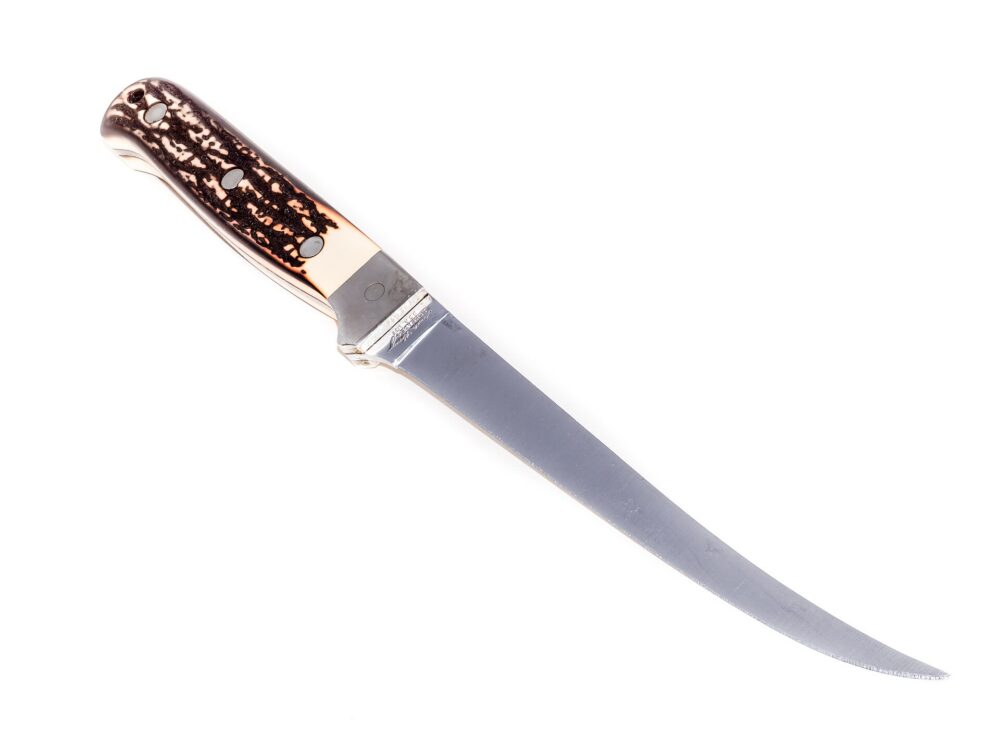
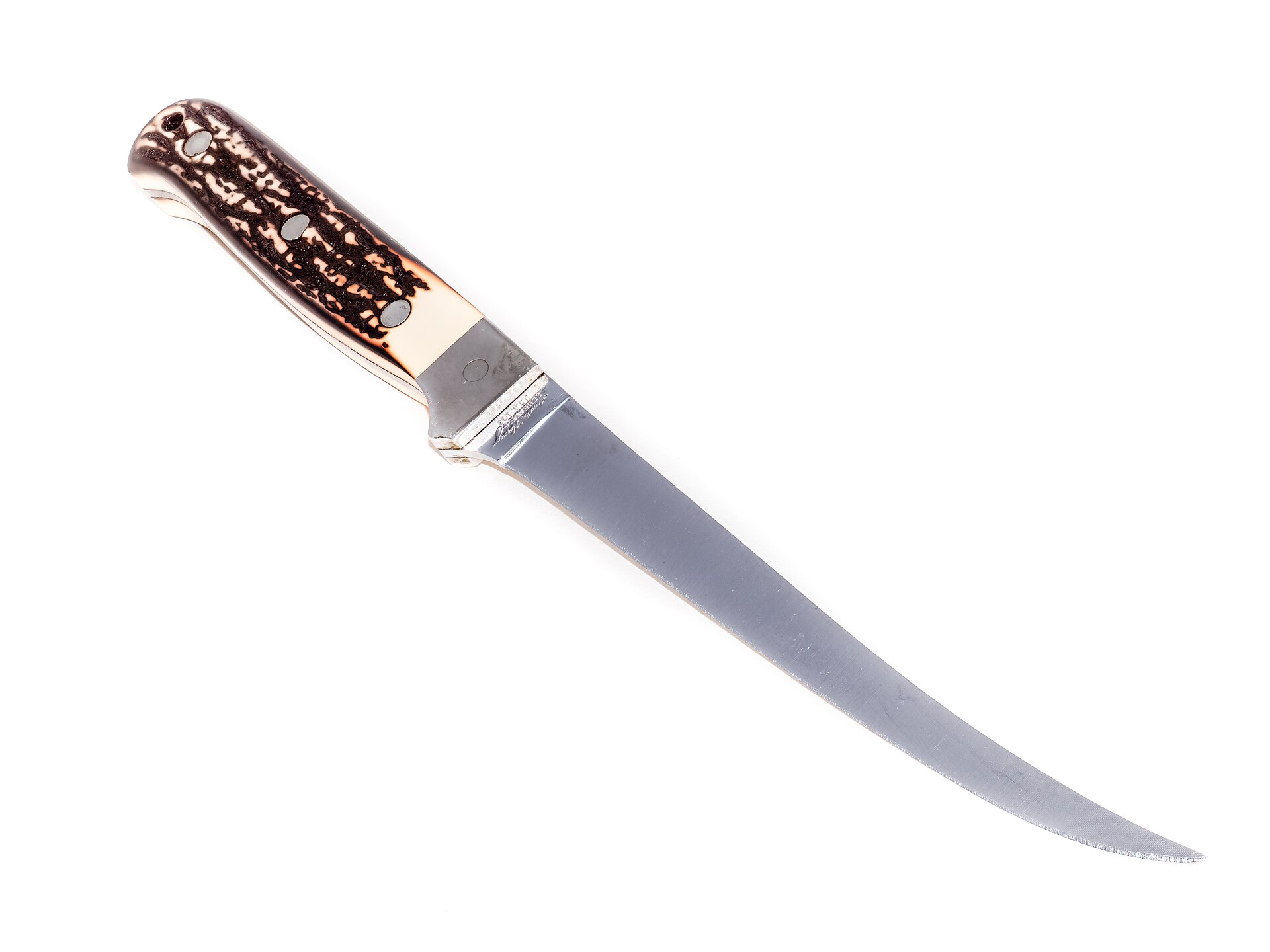
A fillet knife is a long, thin, flexible knife designed to follow fish bones and skin precisely. Typical blades run about 6-9 inches and are narrow enough to slide along the backbone and under the skin without tearing the meat, as described in Wikipedia’s fillet knife entry.
For comparing any fillet knife — Amazon or otherwise — you want to look at:
- Blade material. Common options are stainless steel and high-carbon stainless steel. Stainless is durable and corrosion-resistant; high-carbon stainless adds hardness and better edge retention, which matters if you’re filleting often.
- Blade flexibility and shape. A good fillet knife has a thin, moderately flexible blade. Too stiff and it’s hard to ride the bones; too floppy and you lose control. Some blades (like many Rapala and Wüsthof models highlighted in DHgate’s editorial) have a gentle curve that helps follow the fish’s contour.
- Handle grip when wet. Filleting happens around slime, water, and fish fat. Rubberized or textured polymer handles (like on many Bubba, KastKing, Dexter-Russell, and budget Kershaw fillet knives discussed in DHgate’s blog posts) help you hold the knife securely.
- Size and balance. Smaller blades around 6 inches are nimble for panfish or trout. Longer blades (8-9 inches) suit larger salmon or offshore species. The knife should feel balanced rather than tip-heavy.
- Value for money. A $30 mid-range knife with solid stainless steel and a good grip can be a better buy than a $100 knife you’ll barely use. Price only matters in context of how often and how hard you’ll work the blade.
Once you have those criteria in mind, marketplace comparisons start to make sense: you’re not asking “Is Amazon good?” in the abstract; you’re asking “Can Amazon reliably give me blades with these qualities and enough review signal to trust them?”
What Amazon, specialist retailers, big-box sites, and cross-border marketplaces offer
Amazon’s fillet knife landscape
Amazon’s Fishing Filet & Bait Knives section shows a wide spread:
- Budget generics and sets. You’ll see multi-piece sets like FLISSA fillet knife rolls and single knives from brands such as Golden Bird and ANTOWIN, often priced around the $20–$40 band and using steels like 5Cr15Mov or 8Cr13MoV.
- Mid-range workhorses. Independent tests from outlets like Food & Wine and Serious Eats call out Amazon-sold knives such as the Cutluxe fillet knife and Victorinox 8-inch fillet knife as top performers for fish, typically around $30–$40 for Cutluxe and higher for some Victorinox models (Food & Wine’s fish fillet roundup, Serious Eats fillet tests).
- Premium blades. Serious Eats’ tests highlight Wüsthof and Shun fillet knives sold via Amazon at roughly $135 and up. These use high-carbon stainless steel and refined grinds aimed at pro kitchens.
- Electric knives. Anglers see cordless models like Bubba’s electric fillet knife and KastKing’s Speed Demon Pro mentioned in listings and external pages such as this KastKing product page. These prioritize speed and convenience over classic blade feel.
On Amazon, many of these knives have hundreds or thousands of ratings. That dense review data is part of Amazon’s appeal: you can quickly see how the knife behaves on trout versus salmon, whether handles feel slippery, and how edge retention holds up.
Specialist brands and knife retailers
Specialist brands (Wüsthof, Victorinox, Rapala, Dexter-Russell, Shun) sell fillet knives through their own sites and knife-focused retailers:
- A Wüsthof Classic flexible fillet knife page, such as the one at wusthof.ca, details high-carbon stainless steel, blade length (7 inches), and specific handle materials.
- Victorinox semi-flex fillet knives are listed on sites like Alaska Butcher Equipment with clear specs on blade length and flexibility (Victorinox fillet knife example).
These channels generally have tighter curation and more technical detail. You won’t find dozens of unknown brands; you get fewer, better-documented options with consistent quality control.
Big-box sites and marketplaces: Walmart and eBay
Big-box sites and mixed marketplaces carry many of the same knives but with different strengths:
- Walmart listings for fillet knives often feature known fishing brands and budget sets. Pricing broadly overlaps Amazon’s mid-range segment, but review counts are typically lower, so you get less crowd feedback per SKU.
- eBay adds used knives, closeouts, and some new stock. A fillet knife listing on eBay may tell you more about the seller than the blade itself. This can be useful for hunting deals or discontinued models but is less straightforward if you’re buying your very first fillet knife.
Cross-border marketplaces like DHgate
Cross-border marketplaces aren’t mainly retail endpoints; they act more like sourcing platforms. On DHgate, a search for fillet and utility knives pulls a mix of kitchen and fish knives:
- Stainless steel fillet/kitchen knives in the mid-price band, such as “Stainless steel kitchen knife fillet knife chef sushi sashimi knives” (example listing) around USD 36.92-38.56 at the 2026-10-08 snapshot.
- Fish fillet knives for seafood markets, like “Fish fillet knife professional cooking tool kitchen knife seafood market” (example) priced roughly USD 65.53-69.39.
- Damascus-style utility fillet knives, such as “Damascus utility knife fish fillet knife Japanese Damascus steel” (example) in the USD 79.15-81.19 band.
- Folding fillet knives for fishing, like “Stainless Steel Folding-Knife Fillet Knife Fishing Boat Accessories” (example) at about USD 26.32-43.78.
Most of these listings in our 2026-10-08 snapshot show zero or single-digit review counts. Prices typically fall between ~USD 12 and 90 depending on style and finish, but you have much less aggregated consumer feedback than on Amazon. That matters a lot for quality prediction.
For a US buyer who just wants one fillet knife for home use, DHgate behaves more like a niche experiment than a default destination. For a small ecommerce seller looking for stock at sourcing prices, it’s one of several cross-border channels they might test — with careful supplier vetting and sampling.
Quick marketplace comparison
Here’s a simplified view of what each channel tends to offer:
| Channel | Typical price band for fillet knives (USD) | Brand mix | Review density (typical) |
|---|---|---|---|
| Amazon | ~20-40 mid-range, up to 135+ premium | Heavy mix of generic + big brands | High on popular SKUs |
| Specialist retailers | ~40-150+ | Mostly established knife brands | Moderate, more pro-focused |
| Walmart / eBay | ~20-80 | Mix of brands + generics + used | Moderate to low per SKU |
| DHgate | ~12-90 (sourcing snapshot) | Mostly generic / boutique makers | Often sparse or no product reviews |
Values are editorial bands based on observed listings, not hard guarantees, and prices can change.
When Amazon fillet knives make sense—and when another channel is smarter
For anglers and home fish cleaners
If you’re a US angler who wants a solid knife quickly, Amazon is usually a strong option:
- Go branded if you can: Rapala Fish ‘n Fillet, Victorinox, Wüsthof, Dexter-Russell, Bubba, KastKing. These show up both in independent tests and on Amazon with detailed specs and many reviews.
- Target the $30–$60 range for a first serious knife. It’s where many Cutluxe, Rapala, and mid-range Bubba blades sit, and you get a good balance of steel quality and handle ergonomics.
- If you stay under $30 with generics, use Amazon’s review filters aggressively. Look for clear mentions of actual filleting (not just “sharp out of the box”), comments on corrosion after saltwater use, and photos of spine-following cuts.
Specialist retailers become a smarter choice if you prioritize known metallurgy and long-term performance over convenience. A Wüsthof or Victorinox bought directly or through a dedicated knife shop may cost similar to Amazon’s price but gives you a tightly controlled catalog and pro-grade support.
For serious cooks and fish-forward kitchens
Pro cooks and serious home chefs often care more about edge feel, re-sharpening behavior, and lifetime consistency than about saving $20.
- In that profile, premium brands (Wüsthof, Shun, Dexter-Russell, high-end Victorinox) are the default, whether purchased through Amazon, a brand site, or a specialty retailer.
- Amazon’s role here is convenience and aggregated feedback; it doesn’t change the underlying quality of the knife. You might use Amazon to compare real-world reviews, then buy where the price and availability work best.
Big-box sites and eBay are less compelling for this group unless you’re chasing a specific deal or discontinued model.
For small ecommerce sellers and resellers
The calculus changes for small businesses.
- Amazon as a buying channel: If you’re reselling domestically or testing an FBA SKU, starting with retail or small wholesale purchases of branded knives via Amazon or authorized distributors can reduce early risk. You leverage brand recognition and Amazon’s existing review ecosystem.
- Cross-border sourcing (including DHgate): Once you know a fillet knife SKU type sells, you may look for upstream suppliers to improve margin. DHgate’s fillet and utility knife listings — from hand-forged stainless fillet knives in the USD ~18-28 range (example) to Damascus-style fish knives around USD 79-81 — illustrate what’s possible.
But DHgate and similar marketplaces demand more work:
- Many knives have no product reviews, so you must rely on supplier history, conversation, and sample orders.
- Specs may be less detailed than on a Wüsthof or Victorinox page, making it harder to predict exact edge retention or corrosion resistance.
As a reseller, a practical sequence is:
- Prove demand with a known branded knife bought through Amazon or a traditional distributor.
- Once you understand customer expectations and review themes, experiment with DHgate or other cross-border suppliers to source similar styles at lower per-unit cost.
- Invest in sample testing and honest product descriptions. If a sourced knife uses basic stainless rather than high-carbon stainless, own that in your listing to reduce returns and negative reviews.
Quick decision checklist
Use this as a shortcut:
- You care most about reviews and easy one-off purchasing: Amazon-sold fillet knives, focusing on known brands.
- You care most about pro-grade consistency and precise specs: Specialist brands via their sites or knife retailers (Amazon can still be your comparison tool).
- You care most about margin and SKU variety for resale: Cross-border marketplaces like DHgate, plus other sourcing channels — but only after you’ve vetted suppliers and tested samples.