
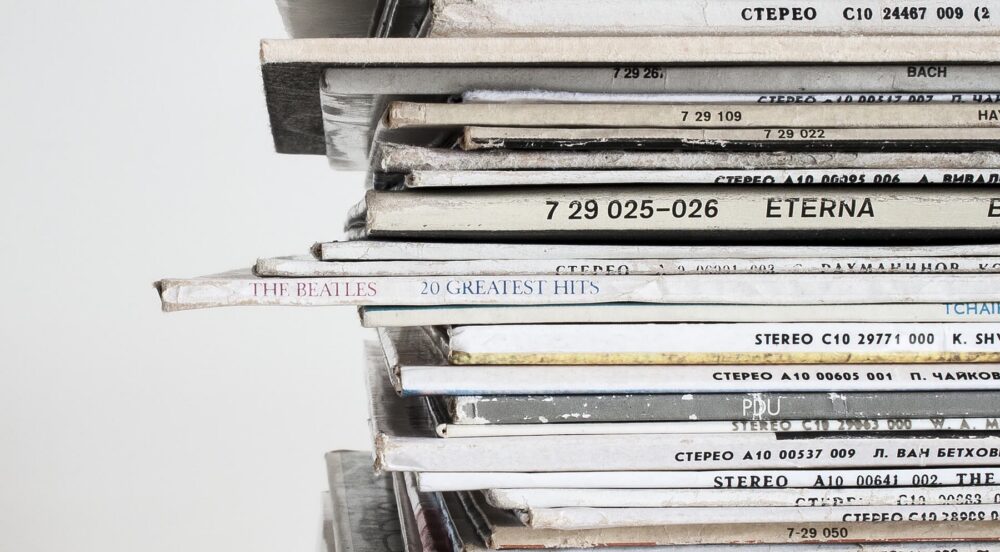
If you want to start a vintage vinyl collection—or test selling a few records online—without draining your bank account, think in terms of total cost per record, not just sticker price. Vintage vinyl usually means records from roughly the 1940s–1980s that people value for sound, history, and owning the physical object.VinylWorth and similar guides show that common titles in worn condition tend to stay cheap, while scarce, clean first pressings can move into serious‑money territory. On a budget, you build your ear and eye for condition using low‑cost sources first (thrift stores, bargain bins, garage sales), then only pay marketplace premiums when you’re sure a pressing and grade justify it.
What Vintage Vinyl Really Costs: From Single LPs to Starter Collections
Cost for any one record is more than the tag on the sleeve. For Canadian and U.S. buyers, you’re usually stacking four components:
- Purchase price – what the seller wants for the record.
- Shipping – postage, packaging materials, and sometimes insurance.
- Import‑related costs – possible customs, taxes, or brokerage on cross‑border buys.
- Platform and payment fees – marketplace, currency conversion, and payment processing margins (often baked into price).
For budget collecting, the biggest swing factor is purchase price, which is heavily tied to condition and rarity.
Collectors and dealers rely on condition grades from “Mint” down to “Poor,” as outlined in resources like the AntiqueSmart collection guide and DHgate’s own vinyl editorial. Mint or Near Mint copies are visually clean, play with minimal noise, and have crisp sleeves. Very Good and Good grades have more noise or visible wear but remain playable. Fair and Poor are typically for nostalgia or sampling, not hi‑fi listening.
For a budget view, it helps to think in bands rather than invented dollar figures:
| Record type | Mint/Near Mint pricing trend | VG/Good pricing trend | Fair/Poor pricing trend |
|---|---|---|---|
| Common mass‑market album | Moderate; often still affordable | Low; usually budget‑friendly | Very low; often dollar‑bin level |
| Scarce but not legendary title | Higher; can be collector territory | Moderate; within reach for dedicated buyers | Low; condition undermines value |
| Historically significant or cult | High; often premium collector pricing | Higher than average; demand stays strong | Moderate; value mostly in rarity |
These bands reflect how experts describe market behavior in guides like The Sound of Vinyl’s vintage overview: rarity and condition push value up; common, worn records tend to stay cheap.
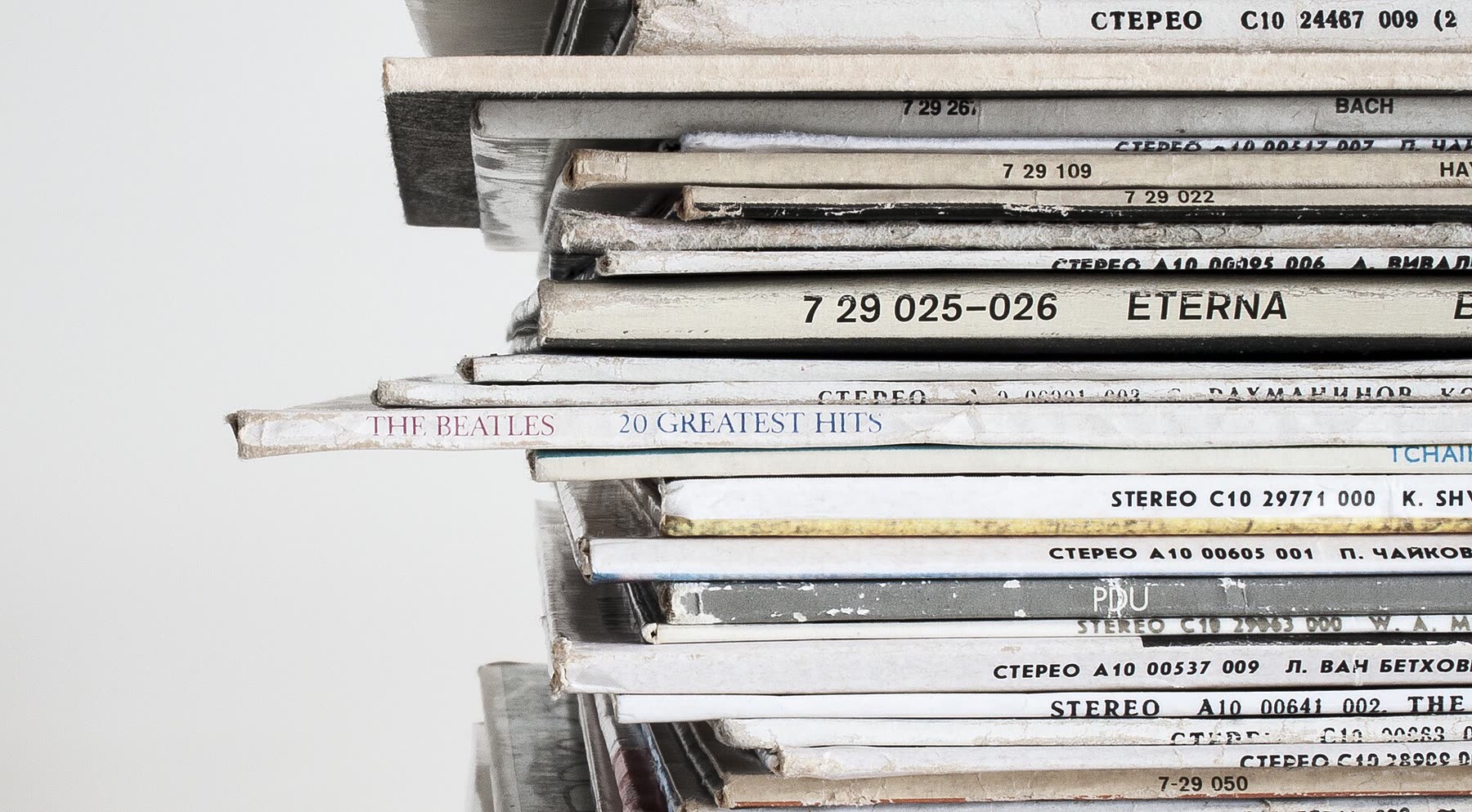
Why Some Records Cost More: Rarity, Condition, Pressings, and Timing
Three big levers explain most price differences:
Rarity and historical significance. Antique and collector guides emphasize that scarce pressings and historically important albums sit at the high end of value. Small original print runs, regional releases, and records withdrawn early all reduce supply. Titles that mark a turning point in a genre or a key moment in an artist’s career attract persistent demand.
Condition. AntiqueSmart’s guide and DHgate’s vinyl collecting editorial both stress that condition is non‑negotiable. A rare album with groove wear, warping, or heavy sleeve damage can drop into middling price ranges, while a clean copy of a relatively common but beloved record can outperform a trashed “rarity.” For budget buyers, learning to spot scratches, feel for warps, and grade sleeves is the single most cost‑saving skill you can build.
Pressing details. First pressings often command premiums over later reissues, a dynamic explained in DHgate’s editorial on LP value and echoed by collector resources. Collectors use:
- Label design – early labels often differ from later corporate rebrands.
- Matrix numbers – small codes in the dead wax that distinguish first runs from subsequent pressings.
These clues help you decide whether a copy is the sought‑after early press or a later budget issue.
A practical way to keep this from blowing your budget is to decide what you’re paying for:
- If you care most about sound, a clean reissue may be cheaper than a noisy first pressing.
- If you’re testing resale, you should only pay a premium where you can clearly document pressing, label variant, and grade—otherwise you’re gambling.
Seasonal demand also plays in: record fairs, holiday seasons, or big anniversaries around popular albums can temporarily push prices up. For budget buying, that’s when you focus on under‑the‑radar genres or shop locally instead of chasing hyped titles at peak marketplace pricing.
Quick pressing and condition check before paying a premium
Use this short checklist when someone asks above‑average money for a record:
- Confirm the pressing: label design and matrix numbers match known first or collectible variants.
- Inspect the vinyl under bright light: no warps, major scratches, or feelable gouges.
- Play‑test if possible: listen through a problem track for non‑fill, loud pops, or distortion.
- Check the sleeve: intact spine, no major water damage or seam splits.
If you can’t walk through those steps confidently, treat the record like a mid‑tier copy and negotiate the price down.
Choosing Sourcing Channels and Keeping Costs Down (Local, Online, Cross‑Border)
Your sourcing channel often matters as much as the record itself. Each route has a different cost profile and risk level for Canadian and U.S. buyers.
Local record shops, thrift stores, and fairs
Guides like VinylWorth and DHgate’s own vinyl editorials consistently highlight brick‑and‑mortar shops, thrift stores, garage sales, and record fairs as the best starting points. For budget collectors and small sellers, these offer:
- No shipping or import charges.
- Immediate condition inspection and sometimes play‑testing.
- Occasional bargain bins where common but desirable records are significantly cheaper than online.
Record fairs and conventions, described in DHgate’s editorial on rare vinyl, add volume: many dealers in one place, with room for negotiation and bulk deals if you’re buying inventory.
Specialist online platforms and auctions (Discogs, eBay, niche sites)
Online marketplaces and auction sites like Discogs, eBay, and specialist vinyl stores dramatically expand access to rare titles, as discussed by Evergreen Vinyl. The tradeoff is total cost and verification effort:
- Shipping and packaging fees, especially for overseas sellers.
- Possible import charges or taxes for cross‑border shipments.
- Time spent checking seller feedback, scrutinizing grading, and confirming pressing details.
These channels make sense once you’ve practiced grading and pressing identification on cheaper local finds. For resellers, they’re more appropriate after you can reliably spot under‑priced listings and have a clear audience for what you’re buying.
Cross‑border marketplaces (including DHgate)
Some general online marketplaces—including global platforms like Amazon, eBay, and in some cases DHgate—do list vinyl. For budget collectors, they are usually secondary channels, best reserved for specific situations:
- You’re targeting bulk lots or themed bundles where the per‑record cost stays low even with overseas shipping.
- You’re buying accessories (sleeves, mailers) rather than the records themselves.
For small ecommerce businesses considering vinyl as an inventory category, cross‑border marketplaces might only be competitive when you’re assembling large lots of inexpensive records or focusing on non‑music vinyl products. For higher‑value collectible titles, specialist platforms and local sourcing generally give you more reliable grading and buyer trust.
Inline example: the same LP from three channels
Imagine you’re hunting a moderately scarce jazz LP in solid playing condition:
- At a local shop, you might find it in a new arrivals bin, inspect it in person, and pay a mid‑range price with no extra fees.
- On Discogs or eBay, the same LP appears in your saved search. The listing price may be similar, but you now add shipping and need to trust the seller’s grading and pressing description.
- Via a cross‑border general marketplace, you see a bulk lot that includes this LP. The per‑record price in the lot looks low, but once you factor in international postage and potential import charges, your true cost per copy could jump above both other options.
For budget‑minded buyers and small resellers, a simple rule holds: use local and low‑cost channels to learn and stock common titles; step into specialist online and cross‑border markets only for records where rarity, pressing, and condition clearly justify the higher all‑in price.
If you later want to compare DHgate’s economics with other marketplaces for bulk sourcing, you can use our marketplace overview, Compare DHgate with AliExpress, Alibaba and Temu, to understand broader cross‑border tradeoffs before you commit.