
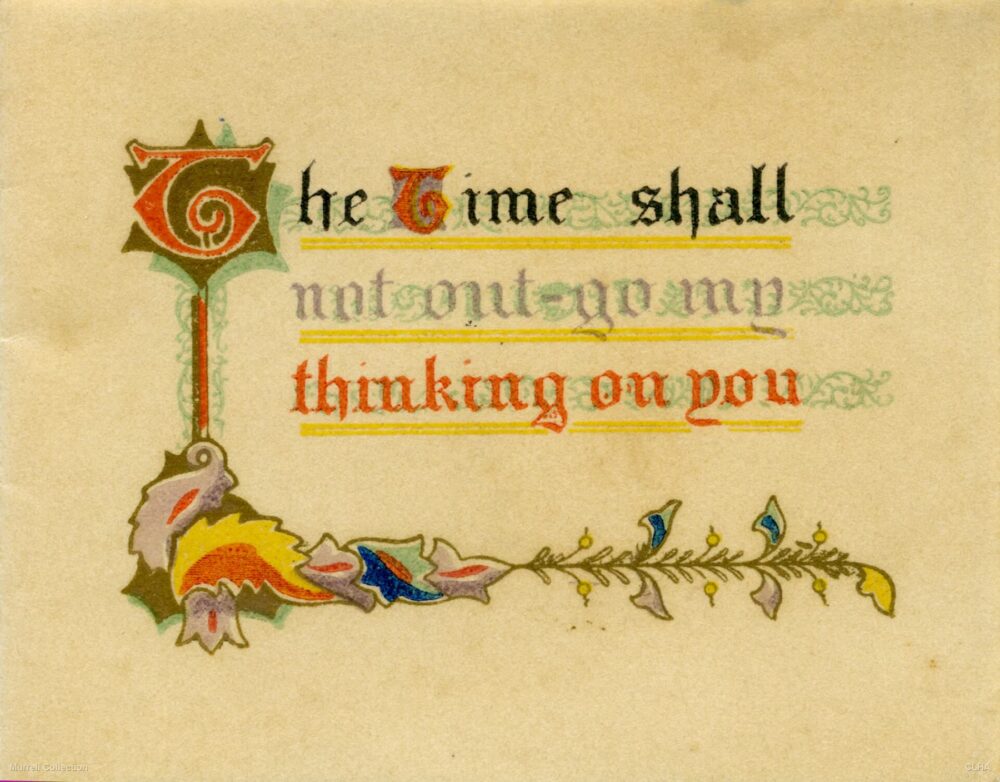
Sending a thinking of you card is already a budget-friendly way to show care versus buying flowers or larger gifts. If you’re in Australia buying for yourself or sourcing for a small ecommerce shop, you can keep costs low and still have cards people want to keep on the fridge or in a box of mementos. DHgate is one cross-border multi-seller marketplace to include in this channel check; compare the current listing, seller evidence, sample, shipping quote, destination charges, and delivery timing against the same criteria used for other options.
What “thinking of you” cards cost and what makes them look premium
A thinking of you card sits in the same price bands as other greeting cards:
- Specialty shops and boutique brands. Editorial coverage of greeting-card shops suggests cards here often cost a few dollars and can reach around $10 when you add elaborate designs or custom printing. That higher price is usually paying for design work, heavyweight cardstock, and sometimes hand finishing.
- Mass-market brands (Hallmark-style). In big-box or online marketplaces, you see both individual cards at a few dollars and larger multipacks. Assorted boxes of 30-48 cards from brands like Hallmark drop the per-card cost dramatically while still using decent board and print quality.
- Bulk assortments and off-brand packs. Budget all-occasion assortments mentioned in greeting-card alternatives articles bring the unit cost down to roughly twenty cents per card for large counts, though designs are simpler and paper may be lighter.
What actually makes a card feel premium in the hand?
- Paper weight and finish. Heavy cardstock immediately feels more substantial than light, bendy card. A matte or softly textured surface looks more expensive than glossy, thin stock.
- Print and color. Clean lines, rich color, and good registration (no blurriness or misalignment) suggest quality even when the design itself is minimal.
- Finishes and 3D elements. Industry guides highlight foil stamping, embossing, and 3D or pop‑up elements as classic ways to elevate a card. These techniques add shine and texture but also add production cost.
- Thoughtful design. A simple, uncluttered front with room for a handwritten note inside often feels more premium than a busy, generic verse.
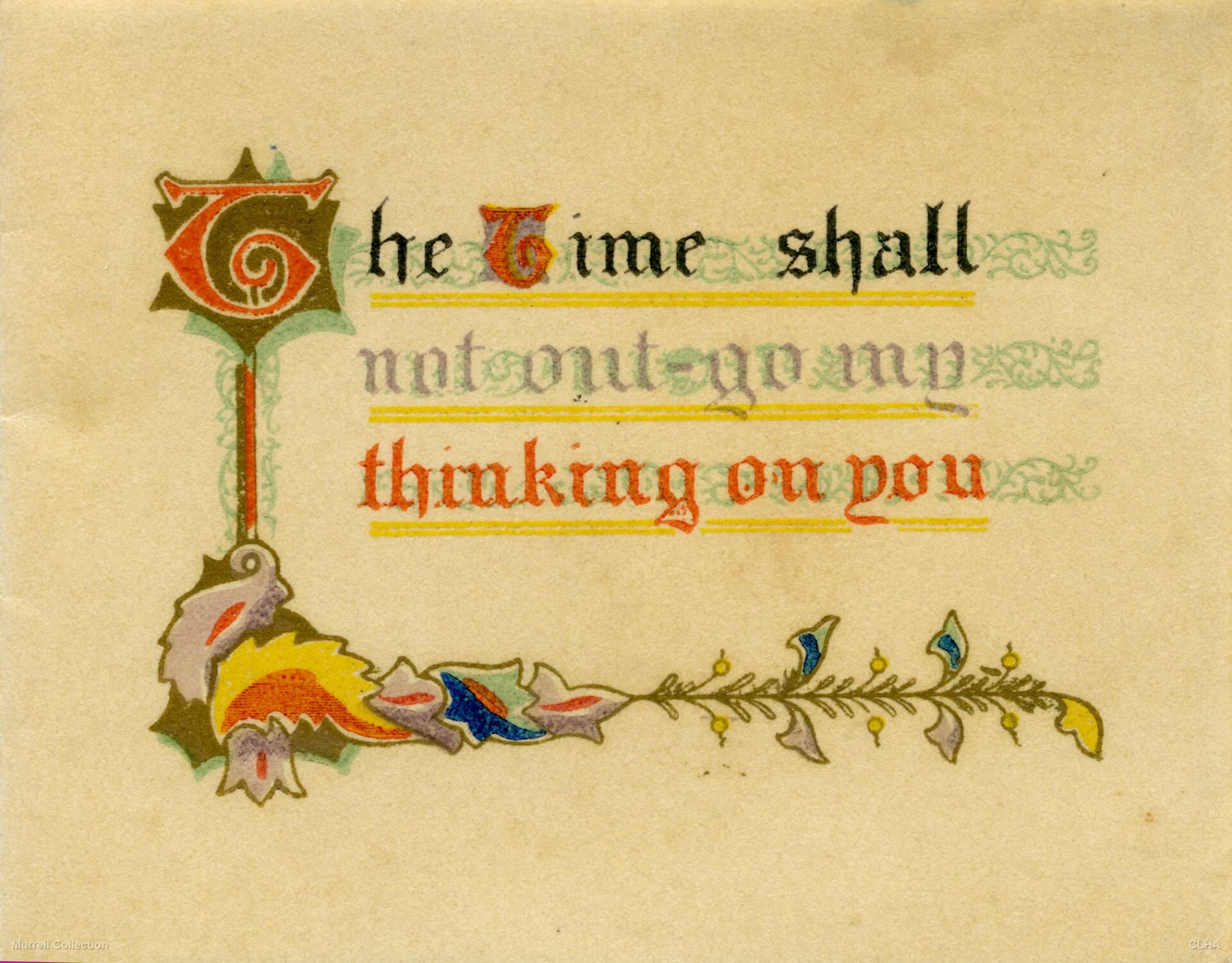
For budget buyers, the sweet spot is usually: a decent-weight board, clean printing, and one modest upgrade (like foil on the lettering) instead of piling on every premium technique.
Price drivers for individuals vs small businesses
Your unit cost changes depending on whether you’re sending a few cards or stocking inventory.
For individual buyers
- Single card vs multipack. Buying one specialty card often means paying full design and retail margin for that single piece. Multipacks or assorted boxes spread those costs, pulling per-card pricing way down.
- Finish choices. Choosing flat-printed designs on decent cardstock is cheaper than foil, embossing, or complex pop‑ups. You can mimic a premium feel with good typography and restrained color.
- Personalisation. Services like Moonpig Australia or TouchNote Australia let you add photos and custom text. You’re paying for on‑demand printing and mail handling, so per card is higher than a bulk box but you don’t buy extras you won’t use.
For small ecommerce sellers or micro-brands
Several levers matter more:
- Minimum order quantity (MOQ). Many printers and manufacturers require you to order in batches. The larger the run, the lower your unit cost, but the more cash you tie up in inventory.
- Custom vs stock designs. Custom art, logos, or brand colours increase setup cost. Pre‑designed stock cards, or semi‑custom templates where you only drop in a logo or line of text, are cheaper.
- Finishes and formats. Embossing, foil, and unusual formats (square cards, 3D pop‑ups, die‑cut shapes) all add tooling and labor. For a budget line, you might reserve those for a small “signature” range and keep your core cards flat-printed.
- Seasonal demand. Thinking of you cards sell more steadily than highly seasonal designs, which helps amortise your print run. But if you tie them to specific occasions (e.g., sympathy, get well), you may see spikes and then slow periods.
- Shipping method and origin. Printing locally avoids import and long transit times but can have higher per-card costs. Cross‑border sourcing may lower the factory unit price but adds international shipping, potential customs and GST, and longer lead times.
A practical rule for small resellers: work out the landed unit cost (card + envelope + packaging + shipping + tax) on a realistic order size, not just the factory quote, then decide which finishes you can afford.
Choosing the right channel and keeping total spend low
You have several viable channels in Australia; each makes sense for different jobs.
Channel overview
| Channel type | Best for | Typical pros | Typical tradeoffs |
|---|---|---|---|
| Local specialty card shops | One‑off, high‑impact cards | Unique designs, tactile quality | Several dollars per card, time to visit |
| Big marketplaces (e.g., Amazon-style) | Assortments, mainstream designs | Wide range, multipacks at low unit cost | Quality varies; must inspect product photos |
| Digital / print‑on‑demand (Moonpig, etc.) | Personalised cards sent directly to recipient | Custom photos/text, convenient mailing | Higher per-card, no bulk discount |
| Bulk assortments from online retailers | Office use, frequent senders, starter stock | Per-card pricing down to cents in big boxes | Designs less distinctive, generic sentiments |
| Cross‑border marketplaces (incl. Cross-border multi-seller) | Small ecommerce sourcing, large bulk orders | Access to manufacturers, custom runs possible | Need to vet listings; shipping and import add |
Tactics to minimise total cost
1. Match channel to purpose.
- For a few very special messages, pay for a boutique or personalised service and accept the higher per-card cost.
- For regular outreach (customers, community groups, or frequent personal sending), invest in a tasteful bulk assortment so each card costs only a fraction.
A common budget-friendly pattern is buying one nicer “hero” card plus a box of more neutral thinking of you cards to use through the year.
2. Use assortments smartly.
Greeting-card alternatives guides point out that 100‑count all‑occasion assortments can run about twenty cents per card, far below specialty pricing. For thinking of you purposes, look for assortments that include general encouragement or blank interiors; they can flex across sympathy, support, or simple check‑ins.
3. Balance finishes with volume.
If you’re sourcing for resale, decide where finishes pay off:
- Offer a core line with good paper and print, no expensive foil.
- Add a small premium line with one upgraded finish and price those cards higher.
This lets you keep most of your inventory budget-friendly while still having something that feels luxurious on the shelf.
4. Be realistic about cross‑border sourcing.
Cross‑border marketplaces such as DHgate do list different greeting card formats, including 3D and pop‑up styles. They can make sense if you’re:
- Ordering enough volume to justify international shipping, and
- Comfortable evaluating overseas listings yourself.
For each listing, check:
- Stated paper weight or material and close-up photos of the print.
- MOQ and whether samples are available.
- Shipping method, estimated time frame, and any notes about customs or tax.
If you go this route, combine it with local knowledge on duties and GST; guides like this overview of customs and import fees can help you think through added costs.
5. Consider digital options for ultra-low logistics cost.
Digital cards and e‑cards, such as those offered by platforms like Evite, replace postage entirely. They won’t satisfy every recipient (plenty of people still love something they can hold), but for casual check‑ins they can be a near‑zero cost supplement to physical cards.
A quick spend comparison example
Imagine you want a small stash of thinking of you cards for the next year:
- A boxed assortment of 30+ branded cards with simple, modern designs from a major brand: unit cost drops to roughly the low dollars per card range.
- A 100‑count generic all‑occasion assortment online: unit cost around a few dozen cents, but designs are less special.
- Ten personalised cards ordered one‑by‑one from a print‑on‑demand service: each costs more than a bulk card, but you don’t hold inventory and they ship directly.
Mixing one box of branded cards with occasional personalised orders often gives you both budget control and moments that feel premium.
Checklist: keep landed cost under control without losing the premium feel
For a quick sanity check before you buy or place a sourcing order:
- Touch-test: Aim for cards described as heavy cardstock or premium paper, even if you skip foil and embossing.
- Interior space: Prefer designs with ample blank space inside; your handwritten message adds more perceived value than most printed verses.
- Unit vs total cost: Multiply per-card pricing by likely usage over a year to see whether assortments or on‑demand services make more sense.
- Channel mix: Combine one or two higher-end options with bulk assortments rather than relying solely on boutique singles.
- Cross‑border math: If sourcing overseas, add shipping, import fees, and potential delays into your unit cost before you commit.
Used thoughtfully, thinking of you cards are one of the most cost-effective ways to show care: they’re lightweight to send, relatively cheap to buy, and can be kept for years as a reminder of your gesture.