
Truck and trailer snow scraper equipment spans a wide cost range. Simple handheld snow rakes or brushes for clearing a box truck or trailer roof can be under a hundred dollars, while commercial truck roof scraper systems that form a fixed installation in a yard can run into five figures once you include the structure, power, and professional install. Heavy road drag scrapers pulled behind tractors sit in between: they’re multi-foot implements whose price climbs with width, duty rating, and the horsepower they’re built to match.
For most US fleets and small operators, that means budgeting anywhere from a few hundred dollars for basic tools and light-duty drag scrapers, up to well over $10,000 for large, permanently installed or heavy-duty units, plus shipping, installation, and (for cross-border buys) import costs. The rest of this guide breaks down what drives those numbers and how to choose a sourcing channel that doesn’t turn a necessary safety purchase into a budget shock.
What truck and road scrapers cost: from handheld tools to installed systems
There are three very different “scraper” categories that show up when you shop:
- Handheld snow scrapers and roof rakes for vans, trailers, and smaller trucks.
- Truck roof scraper systems that live in your yard and clear snow from tall trailers in one pass.
- Road drag scrapers and land-levelers pulled by tractors for road/yard maintenance.
Handheld tools and small roof rakes sit at the low end. Retail listings for extendable truck snow brushes and ice scrapers often cluster under the $50 mark, with some roof foam rakes for RVs and trailers edging closer to the low hundreds because of longer poles and larger heads. These are consumable tools: you may replace them every few seasons.
Commercial truck roof scraper systems from manufacturers like Scraper Systems are a different animal. They’re substantial structures that mount on foundations or posts in your lot, with powered brush assemblies sized for semi trailers and box trucks. The cost isn’t just the hardware; it’s also the engineering, site prep, electrical work, and installation labor. While exact price tags vary by model and configuration, fleets should expect these systems to be a major capital purchase rather than a small accessory.
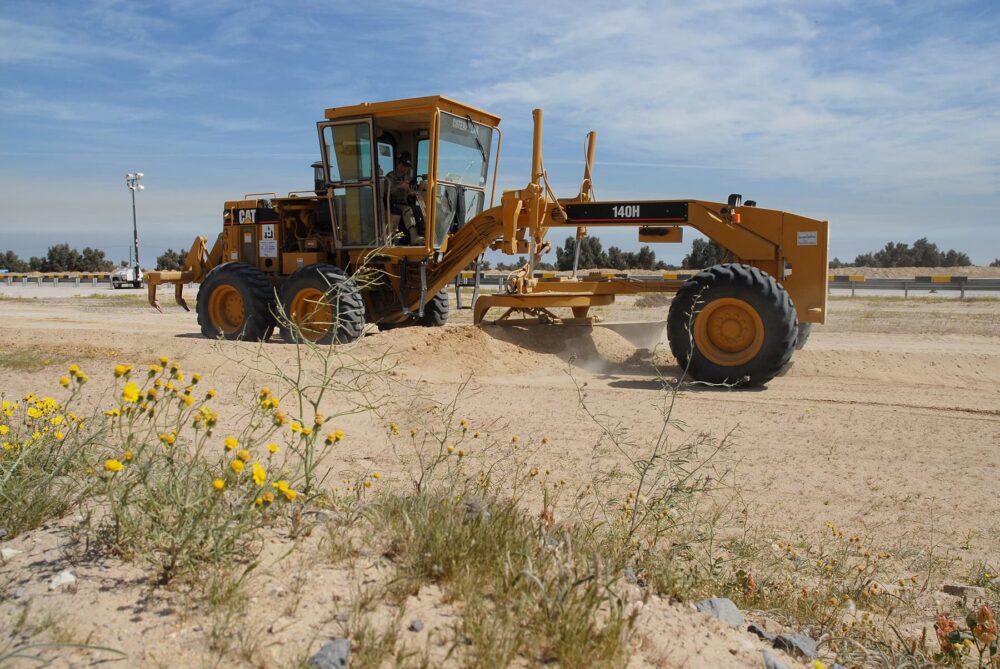
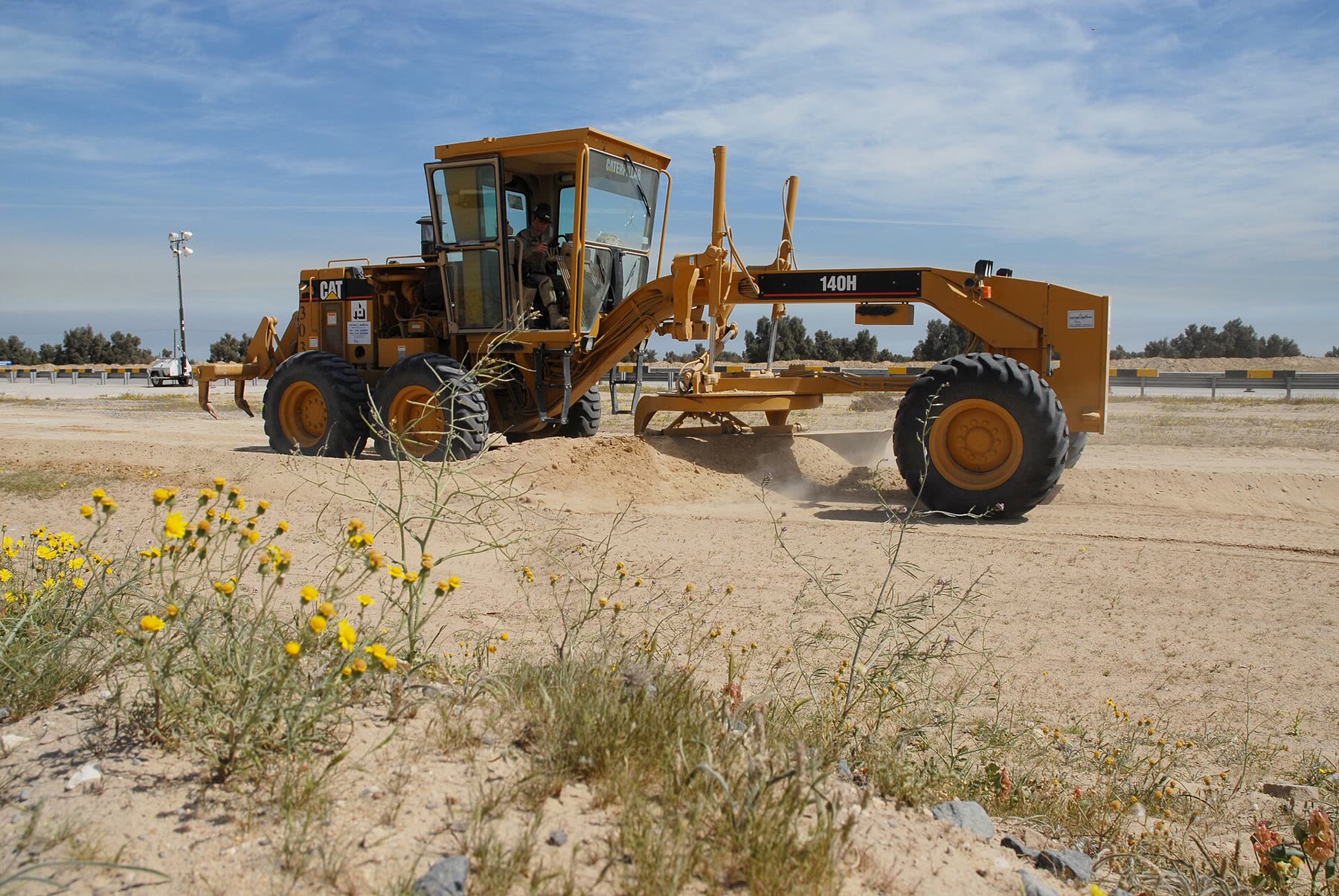
On the road side, drag scrapers such as a 12-foot Garfield drag scraper sold through Beaver Valley Supply show how specs drive cost. This unit is rated for around 75-100 tractor horsepower, built to move and level soil or gravel across a wide path. Wider versions, heavier-duty builds, and higher HP requirements push price significantly above basic compact-tractor attachments, and they often require freight shipping and possibly dealer setup.
You also see scraper-like snow gear in the ATV/UTV space. At ATVtracks.net’s snow removal section, plows, blowers, and various attachments range from relatively affordable consumer-grade units to commercial kits with much higher pricing. As with truck scrapers, capacity, duty cycle, and mounting complexity push you up the ladder.
Typical cost components you need to budget
Beyond the base equipment price, plan for:
- Freight shipping: Heavy scrapers, plows, and roof systems often ship by LTL or flatbed, not parcel.
- Installation and mounting: Fixed yard systems and underbody road scrapers usually need professional installation.
- Optional hydraulics or power: Controls, wiring, or hydraulic plumbing can add meaningfully to a quote.
- Import-related costs: For cross-border sourcing, you’ll have duties, customs brokerage, and taxes layered on top of the invoice and freight.
Why prices vary so much: equipment type, specs, and sourcing terms
One reason the search results look chaotic is that “scraper” covers everything from a $30 truck snow brush to a heavy steel implement behind a tractor. The main price drivers are consistent once you separate the categories.
1. Equipment design and duty cycle
- Handheld tools are simple plastic, foam, or aluminum designs intended for light use. They’re cheap and easy to replace.
- Roof scraper systems are engineered structures designed for daily commercial use in harsh conditions. They need durable frames, large motors, safety guards, and often compliance with workplace standards. This pushes them into large-capex territory.
- Road drag scrapers and box scrapers are designed to move tons of material and survive impacts with rocks and frozen soil. Structural steel and reinforcement drive material and manufacturing costs.
Truck plow and spreader catalogs like Falcon Equipment’s show the same pattern: light-duty gear for pickups sits at a modest price point, while municipal-class plows and spreaders designed for 10-20 years of service sit much higher. Scrapers follow that same curve.
2. Width, horsepower, and capacity
For road drag scrapers, three specs matter:
- Working width (e.g., 8′, 10′, 12′, 14′). Wider units cover more ground per pass but use more steel and heavier frames.
- Required tractor horsepower. A 12′ Garfield drag scraper, for example, is rated around 75-100 HP. Higher HP compatibility usually means thicker steel, stronger hitches, and higher cost.
- Duty rating. Implements marketed for industrial, construction, or municipal work tend to have heavier cutting edges and more robust hinges than hobby-farm gear.
Here’s how those factors tend to show up in a budget:
| Scraper type | Typical width / reach | Vehicle requirement | Relative price band* |
|---|---|---|---|
| Handheld truck roof rake | 10-16 ft reach | None | Low (double-/low triple-digit) |
| ATV/UTV snow scraper/plow | 48-72 in blade | ATV/UTV with mount kit | Low to mid |
| Tractor drag scraper (e.g. 12′) | 8-14 ft working width | 75-100 HP tractor | Mid to high |
| Fixed truck roof scraper system | Sized for semi trailer | Yard with power & foundations | High (five-figure potential) |
*Relative bands are editorial judgment based on category patterns, not specific price quotes.
3. Mounting and installation model
How the equipment attaches to your vehicle or site matters almost as much as the iron:
- Bolt-on or hitch-mounted units (ATV plows, small drag scrapers) can sometimes be DIY installs, reducing cost.
- Underbody scrapers and municipal road gear are usually integrated into truck frames by upfitters.
- Fixed yard systems require concrete work, electrical tie-in, and often permitting.
US truck equipment upfitters like Aspen Equipment commonly bundle plows, spreaders, and scrapers with mounting hardware and installation. That increases the invoice total but can reduce surprises versus piecemealing hardware, labor, and supplies.
4. Sourcing terms: new, used, and wholesale
Buying new from an equipment dealer means list price or modestly discounted quotes, but also predictable specs and local support. Used listings for drag scrapers or yard systems can dramatically cut acquisition cost, yet you take on condition risk and retrofit costs.
If you’re sourcing multiple units (say, outfitting several tractors or branches), minimum order quantities, custom paint or branding, and lead times can also change your effective per-unit price. A single fixed scraper system for one yard will have a very different budget profile than outfitting a fleet of small ATVs with light-duty snow attachments.
Choosing a sourcing channel and cutting total cost safely
The right place to buy depends on whether you’re talking about a simple roof rake or a permanent piece of infrastructure.
How channels typically stack up for scrapers
- Local or regional equipment dealers / upfitters. Best fit for roof scraper systems, underbody road scrapers, and heavy drag scrapers. You pay full freight for professional gear and labor, but you get correct sizing, mounting, and a single point of contact if something fails.
- Used heavy equipment marketplaces. Attractive for budget buyers willing to accept older gear, especially drag scrapers or yard structures being decommissioned. Factor in inspection trips, transport, and possible rebuilds.
- General online marketplaces. Good for handheld tools and light-duty attachments. You’ll see a huge range of truck snow brushes, ice scrapers, and basic roof rakes at consumer-friendly prices.
- Cross-border B2B marketplaces. These can be viable for lighter scraper gear and attachments if you’re comfortable managing import logistics.
For fleets looking at sizable cross-border purchases or custom scraper designs, it also makes sense to understand how customs, tariffs, and import fees stack up. DHgateWiki’s guide on customs, tariffs and import fees lays out the extra line items you’d need to plan for on top of equipment quotes.
Practical ways to control scraper spend
You can’t shrink the steel, but you can avoid avoidable costs:
- Right-size the gear. Use manufacturer HP and width charts for drag scrapers so you’re not over-buying for the tractors you actually own.
- Bundle with other snow equipment. Dealers often sharpen pricing when you order plows, spreaders, and scrapers together, because install work overlaps.
- Schedule installs off-peak. Getting a roof scraper system or road scraper installed in late spring or summer can reduce rush charges and give you time to sort site work.
- Compare channels by total cost, not sticker price. A cheaper drag scraper bought far away can end up more expensive after transport and modification than a correctly sized unit from a nearby dealer.
If you’re weighing marketplaces like DHgate against platforms focused on industrial equipment, a broader marketplace comparison such as DHgate vs. AliExpress, Alibaba and Temu can help you decide which channel fits each part of your scraper shopping list: consumable tools, light attachments, and heavy fixed systems rarely belong in the same sourcing bucket.