
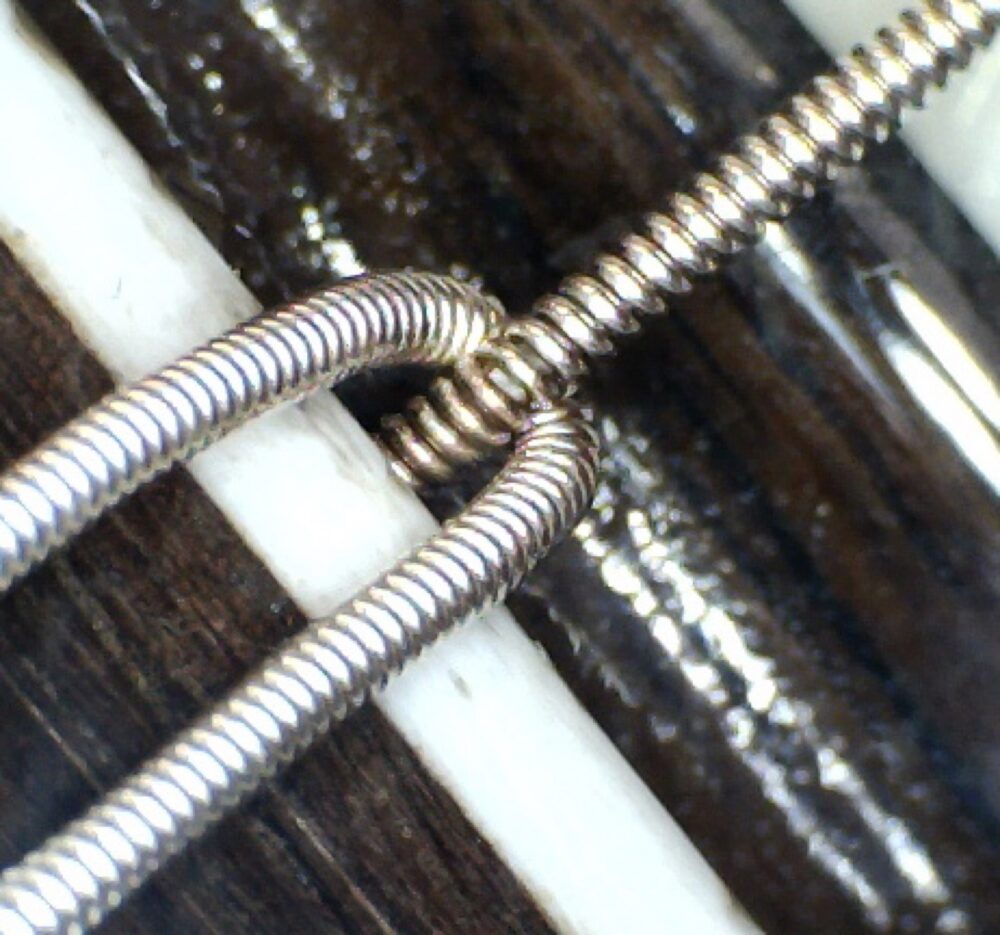
Silk and steel guitar strings are a softer, mellower take on acoustic strings. They use a steel core with a layer of silk or synthetic fibre under the metal winding, which lowers tension and takes the edge off the high end.Silk & Steel | D’Addario For Australian buyers, single sets from major brands generally sit in a mid-range price band similar to other branded acoustic strings—your total spend ends up being driven more by where you buy and shipping than by the material itself.
They’re a good fit if you want a warm, rounded tone and an easier feel under the fingers, or if you’re trying to tame an overly bright guitar. For small ecommerce sellers, they’re a niche line: slower to turn than phosphor bronze, but sometimes justifiable for higher per-unit pricing when marketed well.
What Are Silk and Steel Strings and How Much Do They Typically Cost?
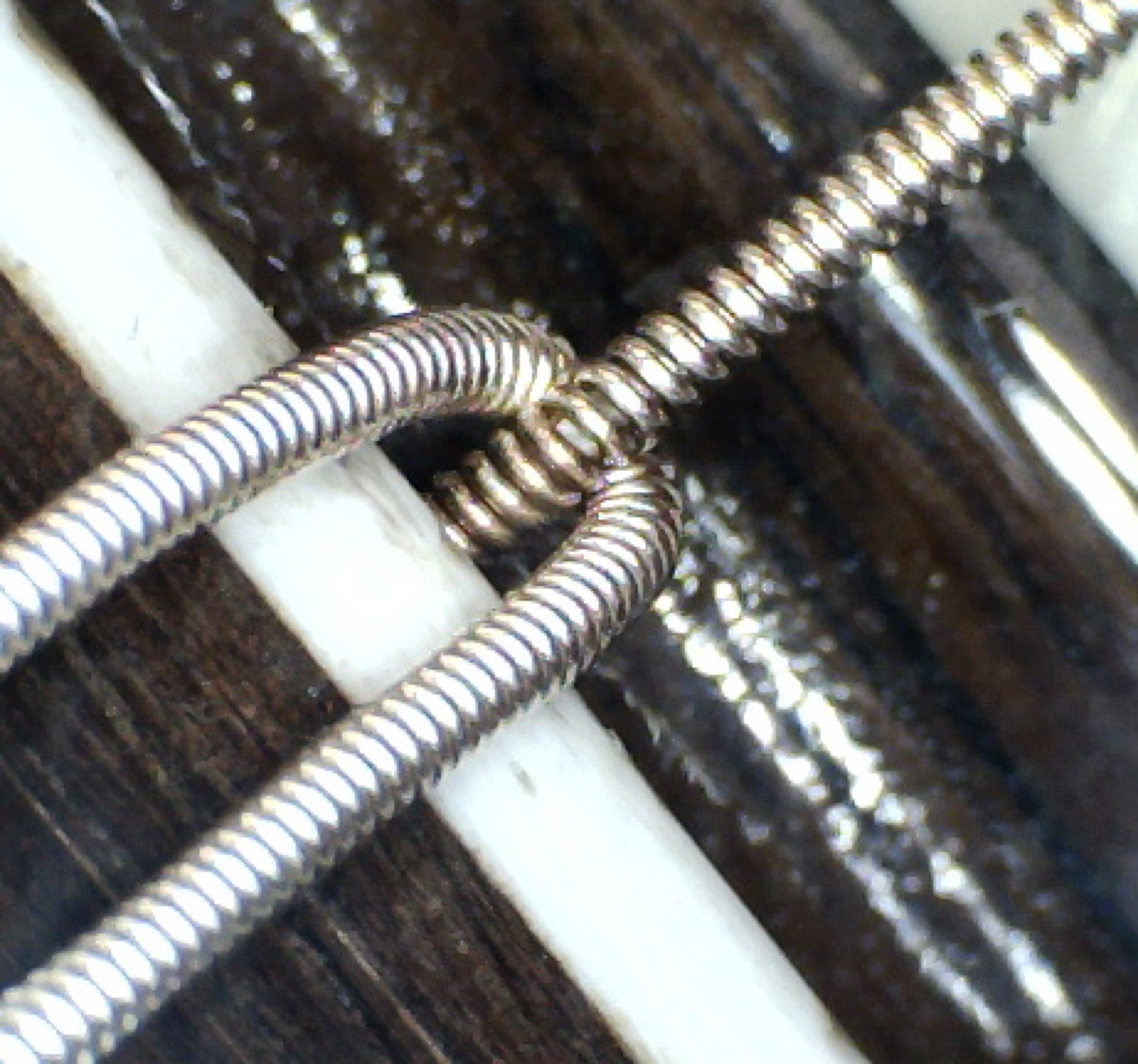
Silk and steel sets start with a steel core wire. Between that core and the outer winding—often silver-plated or another metal—manufacturers add a silk or synthetic layer. That layer softens the feel, lowers tension, and produces a more intimate, folk-leaning tone compared with standard phosphor bronze or 80/20 bronze sets.Silk & Steel | D’Addario
You’ll find silk and steel options from several established brands:
- D’Addario (folk-focused silk & steel sets)
- Ernie Ball (Earthwood silk and steel acoustics)
- GHS (silk and steel, plus related silk-and-bronze variants)
- La Bella (traditional silk & steel medium sets)
- Martin (silk & steel and silk/phosphor variants)
This isn’t an exhaustive list, but it covers most of what you’ll see in Australian and global retail search results.
On price, these branded silk and steel sets generally land around the same mid-tier area as quality phosphor bronze acoustic strings. Listings on multi-brand retailers like Best Buy Canada’s silk and steel page show them priced alongside mainstream acoustic sets rather than bargain basement or ultra-premium options. Local Australian retailers carrying, for example, D’Addario EJ40 silk & steel folk strings position them similarly—neither the cheapest string on the wall nor the most expensive specialty coated set.
In practice, for an Australian buyer you can think of silk and steel as a normal branded acoustic-string purchase rather than a luxury item. The shipping and tax situation will move the needle more than choosing between D’Addario or Ernie Ball.
Why Do Silk and Steel String Prices Vary So Much?
Even within that mid-range band, you’ll see a spread in silk and steel pricing. Some of the main drivers:
1. Wrap alloy and construction A basic silk and steel set might use a straightforward silver-plated wrap and uncoated construction. Others mix in different alloys or flexible-core designs, which can justify a higher ticket for players chasing specific feel or tone. Coated variants—where the outer winding gets a protective layer—tend to cost more and may last longer before sounding dull.
2. Gauge and tension goals Lighter gauges with reduced tension suit vintage parlour guitars and fingerstyle players but can be more niche. That niche status sometimes pushes prices up slightly, because they’re produced in smaller volumes than mass-market 12-53 phosphor bronze sets.
3. Brand positioning A heritage brand like La Bella or Martin might command a premium based on reputation and manufacturing location. A mid-market brand might compete on price, keeping their silk and steel sets close to regular bronze acoustics. Guitar-focused resources such as GuitarStringLab’s silk and steel explainer point out that the differences here are more about tone and feel than radical lifespan changes.
4. Coating and expected longevity Coated strings usually carry a higher per-set price because the extra step adds cost and promises slower corrosion and dirt build-up. For silk and steel, that can be appealing if you’re using them as your main set and don’t want to change strings constantly. However, they still may not match the lifespan claims of heavily marketed coated phosphor bronze lines.
For buyers on a tight budget, the tradeoff is simple: an uncoated silk and steel set typically costs less and gives you the core tonal character, but it may need replacing more often. Paying more for a coated or premium-branded version makes more sense if you gig regularly and need the mellow tone without frequent string swaps.
From a small seller’s angle, stocking one or two SKUs in the mid-price bracket lets you offer the category without tying up cash in slow-moving premium lines.
Sourcing Silk and Steel: Local Shops, Distributors, and Cross-Border Options
Your total cost for silk and steel strings is a mix of product price, shipping, and any taxes or import fees. For Australian buyers and small ecommerce businesses, the channel often matters more than the brand.
Local retail and online stores
Buying from Australian music shops or local online retailers is the simplest route. You pay the sticker price plus domestic shipping, and GST is baked into consumer pricing. That’s usually the least risky option for one or two sets and gives you clear returns if something arrives damaged.
For a small online shop that only needs a dozen sets to test demand, sourcing via local wholesalers or distributors keeps logistics straightforward, even if your per-unit cost is slightly higher than importing.
Importing from overseas retailers
Ordering direct from overseas retailers or brand webstores can make sense if:
- They run promotions on specific silk and steel lines.
- You’re bundling several sets or other accessories to spread the international shipping cost.
Marketplaces and cross-border sourcing
Global marketplaces can be attractive for bulk buying, unbranded strings, or finding lesser-known suppliers. Platforms that list guitar strings among many other goods include AliExpress, Amazon’s international sellers, and DHgate.
On a marketplace like DHgate, you may see:
- Bulk or unbranded silk and steel-style sets at aggressive unit prices.
- Suppliers offering OEM packaging for small brands.
Before you commit, make sure you verify the listing’s:
- Total landed cost to Australia (unit price plus shipping and any fees).
- Claimed brand and authenticity for any “D’Addario” or “Ernie Ball” style listing.
- Minimum order quantity and lead time relative to your cash flow.
If you’re weighing DHgate against other platforms for broader sourcing, DHgateWiki’s marketplace comparison piece, Compare DHgate with AliExpress, Alibaba and Temu, gives a broader look at how these channels differ for cross-border buyers.
For most individual players, a marketplace purchase only makes sense if you’re comfortable with generic or house-brand strings and are willing to trade convenience for price. For small resellers, cross-border marketplaces can be useful once you’ve validated supplier reliability—often after starting with smaller test orders from conventional retailers or distributors.
Quick budget tips for Australian buyers
| Scenario | Who it fits | Typical pros | Typical cons |
|---|---|---|---|
| Single set from local shop | Individual player | Fast delivery, clear returns, known brands | Higher per-set price than bulk import |
| Small batch from local distributor | Micro ecommerce shop | Simple GST handling, local support | Less room for margin vs direct import |
| Overseas retailer order | Player or shop bundling gear | Access to more gauges/brands | International shipping, currency risk |
| Marketplace bulk order (e.g. Cross-border multi-seller, AliExpress) | Price-focused reseller | Lowest unit prices, OEM options | Verification burden, slower turns for niche product |
If you’re experimenting with silk and steel for your own guitar, start with a single branded set locally. If you’re testing them as a product line, bring in a small batch via reliable retail or distribution first, then consider cross-border bulk once you’ve seen real demand.