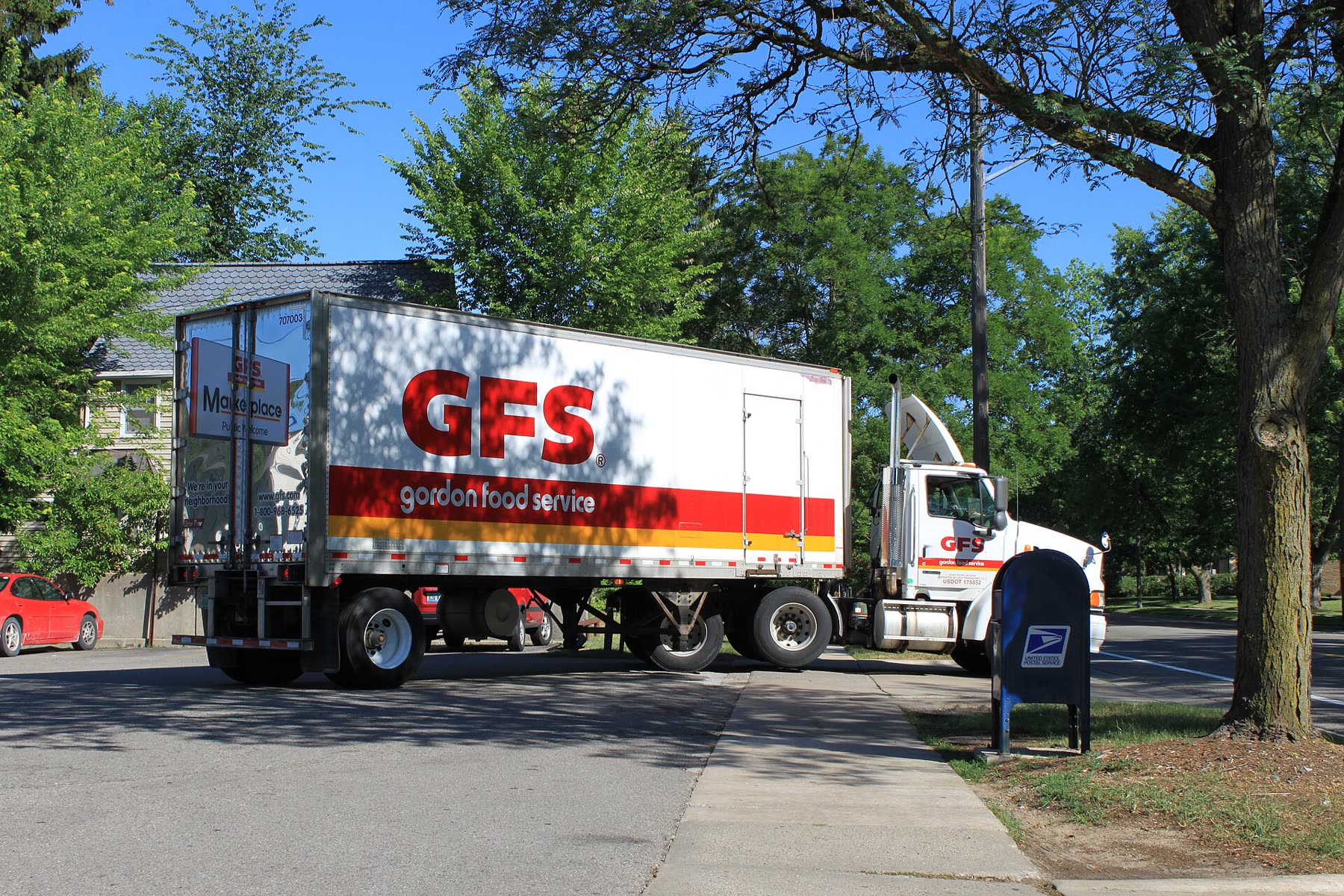
Outlet shipping can be affordable for a small ecommerce business if you treat delivery as a set of controllable cost parts, not a mysterious fee. The workable strategy is to price each component up front, choose carriers and service levels that match what your customers truly need, and use volume, packaging, and channel choices to push that bill down. That might mean USPS flat-rate boxes for routine orders, UPS for bigger parcels, a local courier for same‑day emergencies, and marketplace or outlet sourcing only where the landed cost still makes sense.
How Outlet Shipping and Delivery Services Actually Charge You
When you ship from an outlet store, local warehouse, or cross‑border supplier, you’re paying for more than a label. For most US small businesses, the total delivered cost looks like this:
Mini‑checklist: price every shipment against these items
- Product price – Whatever you pay the outlet or supplier for the goods.
- Carrier charges – Base postage or freight, plus surcharges (remote area, residential, fuel).
- Packaging – Boxes, mailers, padding, tape, and any labor or fulfillment fee.
- Customs and duties (for cross‑border orders) – Import duties, taxes, and brokerage fees if the shipment crosses borders.
- Payment and insurance fees – Card or platform payment fees; optional shipping insurance or third‑party coverage.

If you don’t assign a number (or at least a range) to each of these components before you choose a shipping method, “cheap” outlet shipping can surprise you once the package actually moves.
Budget Tradeoffs: Carriers, Speed, and Order Patterns
Several decisions move your outlet shipping bill more than anything else: which carrier you use, how fast you promise delivery, how you package, and whether you ship single orders or consolidated batches.
Carriers and service levels
- USPS tends to be competitive for small, dense packages, especially with flat‑rate boxes where you pay one price as long as it fits. Those can be a lifesaver if you ship many similar items and want predictable cost.
- UPS is often a better value for larger packages, making it attractive if your outlet or warehouse sends bulky goods. UPS Store locations can also arrange ground, air, or ocean freight for oversized items, as described on a Los Angeles UPS Store freight page.
- FedEx offers strong express options, but may not be the budget choice unless speed is critical.
Local courier and freight firms like Jet Delivery’s Sacramento operation sell same‑day courier and freight service. You pay more per shipment, but gain speed and oversized handling. These outlets are useful for emergency orders or local B2B deliveries, not for everyday low‑cost ecommerce fulfillment.
Here’s a simple comparison for typical small‑business use:
| Carrier/channel type | Where it’s usually cheaper | What you give up or gain |
|---|---|---|
| USPS (incl. flat‑rate) | Small, dense parcels; predictable cost | Slower than premium express; limited size |
| UPS/FedEx parcel | Larger boxes; multi‑package discounts | Higher base rates; more tracking options |
| Local courier/freight | Urgent or oversized local deliveries | High per‑job cost; same‑day speed |
Packaging and dimensional weight
Carrier editorial on cost control stresses dimensional weight: you’re sometimes billed based on how much space your package takes up, not just how heavy it is. If your box is big and mostly air, you pay for that air.
Using the smallest practical box, switching to lightweight but protective materials, and avoiding odd shapes can materially lower what you pay. Poly mailers or padded envelopes are often cheaper for soft goods than rigid boxes, and trimming just an inch from each dimension can shift you into a lower billed weight bracket.
Order patterns: one‑by‑one vs batch
Single outbound shipments from outlet stores or warehouses keep inventory lean but cost more per unit. Consolidating orders (e.g., shipping a weekly batch from a distribution outlet to your own micro‑warehouse, then fulfilling locally) trades some lead time for lower per‑unit freight.
Carriers may offer volume or loyalty discounts if you ship consistently and can show your data. Those discounts aren’t guaranteed, but if you can commit to a regular pattern, it’s worth asking about waived fees or better rates.
Choosing Channels and Cutting Costs Without Wrecking Delivery
To keep outlet shipping affordable, think in terms of channels: retail outlets, national carriers, regional couriers, freight services, and marketplaces.
1. Match the channel to the job
- Use USPS + flat‑rate for small, repeatable ecommerce orders where customers accept standard delivery times.
- Use UPS/FedEx parcel for larger boxes or when you need more precise tracking and delivery windows.
- Use local courier/freight outlets only for time‑critical or oversized shipments that normal parcel networks struggle with.
- For cross‑border sourcing, factor in duties and dimensional weight before you promise any delivery date.
A short example: if you sell discounted outlet clothing online, shipping each order from a mall outlet via premium express may erase your margin. Having the outlet ship a bulk carton to your home base via UPS (big‑box friendly), then sending individual orders via USPS flat‑rate often produces a lower landed cost per piece, with only a small delay.
2. Where marketplaces like DHgate may fit
Marketplaces such as DHgate connect retailers with suppliers worldwide, and some of those suppliers offer dropshipping, so you never touch the inventory. That can shrink your domestic shipping bill, but you’re trading it for supplier‑managed cross‑border shipping.
3. Practical cost‑control steps you can use immediately
- Standardize box sizes and materials around what fits USPS flat‑rate or your carrier’s best brackets; negotiate packaging purchases in bulk.
- Group shipments logically – big replenishment shipments via UPS or freight; individual customer orders via USPS or a budget parcel service.
- Track your actual shipping data for 2-3 months and use it to ask carriers about potential volume discounts or better service tiers.
- Avoid surprise cross‑border fees by checking who pays duties and taxes for every outlet or marketplace supplier.
If you build your shipping plan around those steps, outlet shipping and delivery services stop being an unpredictable hit to your margin and become another part of your business you can budget and tune.