
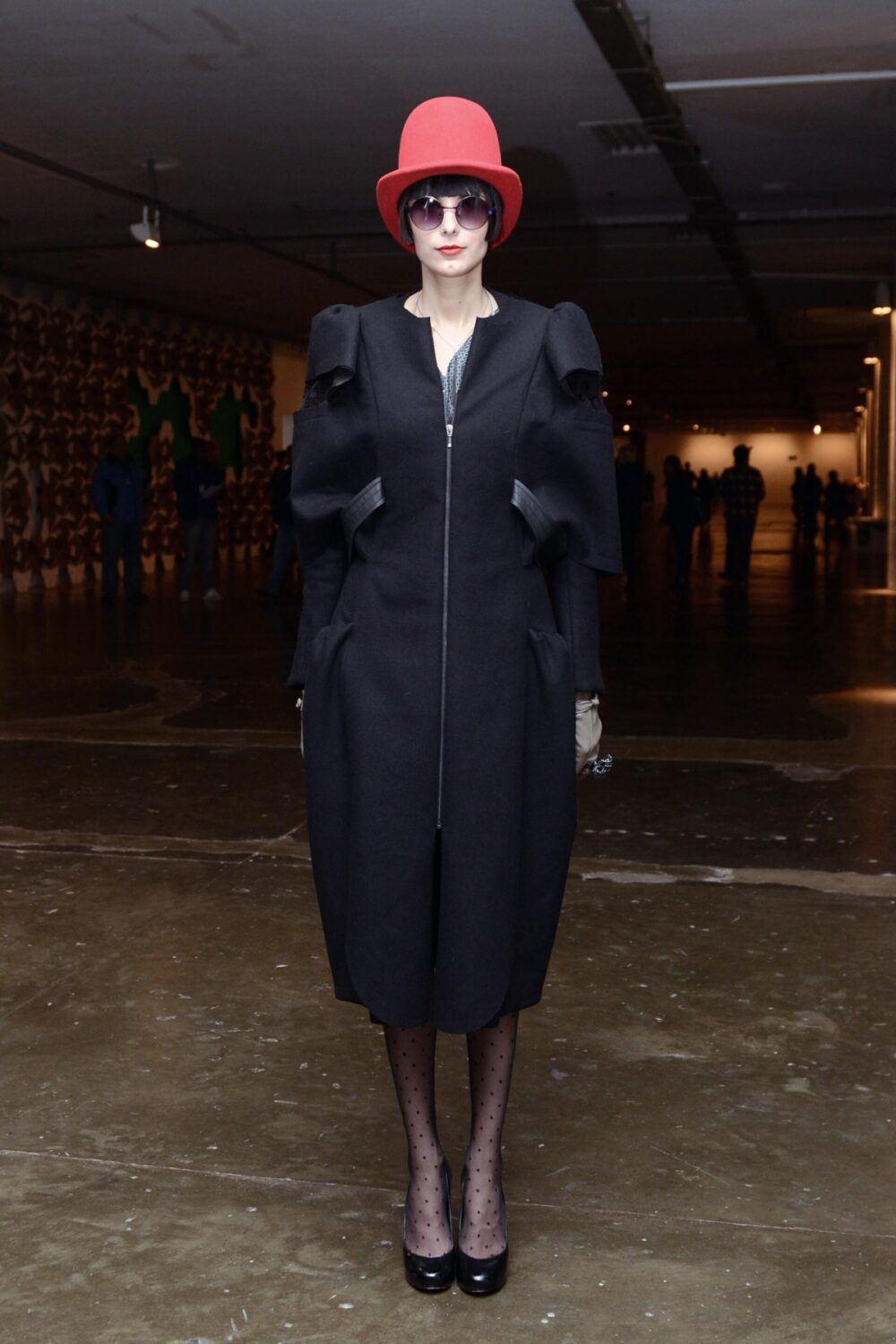
Naarmcore can be done on a budget if you treat it as inspiration rather than a label, focus on core silhouettes (cargos, fleeces, practical sneakers), and choose your buying channel based on total cost — including shipping and import fees — instead of just the sticker price. For most individual buyers and small resellers, the cheapest path is usually a mix of local basics and secondhand finds, with cross-border marketplaces only filling the gaps where you genuinely can’t get the look locally.
That’s the high-level decision: build a small, versatile, Naarmcore-adjacent wardrobe, keep the spend on everyday pieces you’ll wear often, and be selective about anything you import.
What Naarmcore Really Is—and Why That Matters for Budget Buyers
Naarmcore is a TikTok-born trend rooted in Melbourne. The term combines “Naarm” — an Aboriginal name used for the area now known as Melbourne — with the “-core” suffix used for aesthetics.
Australian fashion coverage describes the look as practical urban streetwear: think hoodies, fleeces, cargos, technical jackets, caps and sneakers worn for commuter life, not red carpet drama. Visually, it overlaps with utilitarian styles such as gorpcore, which lean into fleeces, cargo pants and outdoor-inspired layers rather than fragile, dressy pieces (ELLE’s gorpcore explainer).
However, First Nations commentators have criticised the way the “Naarmcore” hashtag turned an Indigenous place name into a fashion buzzword. Coverage from outlets like SBS and Indigenous labels has documented requests from Aboriginal people to stop commodifying the term and using it casually in trend content (SBS The Feed, Fashion Journal).
For non-local buyers and small ecommerce businesses, the safest approach is to:
- Use the aesthetic as inspiration (practical Melbourne streetwear) rather than marketing your own products directly as “Naarmcore”.
- Avoid slapping “Naarm” or “Naarmcore” on listings or branding unless you’re specifically collaborating with Indigenous creators or communities.
That way, you get the look — city-ready, functional outfits — without misusing language that has cultural significance.
How Much Does a Naarmcore-Inspired Wardrobe Cost?
You won’t find a single price tag for “Naarmcore,” because it’s just everyday clothes styled a certain way. What drives cost are the categories of items, their fabric and construction quality, and how many pieces you buy.
A typical Naarmcore-inspired capsule might include:
- 1-2 pairs of cargo or wide-leg pants
- 1 pair of everyday sneakers
- 1 fleece or zip jacket
- 1 technical-style shell or puffer
- 2-3 neutral sweats/hoodies or tees
- A cap or beanie and a functional tote/backpack
Cost components for buyers and small resellers
Even without exact prices, you can map what you’ll pay into a simple structure:
| Cost component | What it covers | How it shifts your budget |
|---|---|---|
| Garment base price | Pants, fleeces, jackets, sneakers | Biggest driver; quality fabrics and construction raise cost. |
| Shipping (domestic/import) | Postage, courier, cross-border freight | Local retail avoids imports; cross-border can be cheap or costly. |
| Customs & import fees | Duties, GST/VAT, brokerage on cross-border orders | Only applies on imports; can erase apparent savings on heavy items. |
| Order size/MOQ | Minimum quantity for wholesalers | Small buyers pay retail; resellers can spread costs across inventory. |
| Returns & exchange friction | Cost/time of dealing with mis-sized or poor-quality items | Harder across borders; easier with local/secondhand if you inspect. |
Budget fashion guides consistently recommend a few tactics that work well for this aesthetic:
- Focus on versatile basics. Neutral cargos, black/grey sweats, and plain fleeces can be worn in many outfits and seasons, which lowers cost per wear.
- Thrift first. Utility pants, fleeces and sneakers are common in thrift stores and online resale platforms. You often find higher-quality fabrics for less than new fast fashion.
- Mix high and low. If you splurge, do it on sneakers or a jacket you’ll wear daily, then keep tees and accessories budget-friendly.
- Use accessories to elevate basics. A good cap, bag or scarf can make inexpensive sweats look intentional.
These principles show up across budget style content, including editorial posts that encourage shopping secondhand, building capsule wardrobes and choosing quality staples over volume (general budget tips). They’re especially effective for a utilitarian look where silhouettes matter more than logos.
Choosing the Right Sourcing Channel (Local, Secondhand, Wholesale Marketplaces)
Your biggest cost decision isn’t which brand; it’s where you buy. Naarmcore-adjacent pieces exist in almost every channel. The trick is fitting the channel to your goals.
1. Local retail and Australian brands
If you’re in Australia or shipping into Australia, local chains and independent labels already cover the building blocks: cargos, fleeces, hoodies, sneakers and rain jackets.
Pros:
- You can try on for fit and fabric feel.
- No surprise import duties.
- Easier returns.
Cons:
- Higher unit prices than wholesale or some cross-border marketplaces.
- Trend-led brands may rotate styles quickly, which is bad if you’re trying to keep a consistent capsule.
For small ecommerce businesses, buying locally in-season often makes less sense unless you have a strong brand story or add value via styling/marketing.
2. Thrift and secondhand (offline and online)
Thrift is arguably the best budget channel for this aesthetic.
Pros:
- Cargos, fleeces and outdoor jackets are abundant in secondhand shops.
- You can find higher-quality outdoor brands at a fraction of retail.
- Lower environmental impact, which resonates with many Naarmcore-adjacent consumers.
Cons:
- Sizing and color options are inconsistent.
- Harder to scale for resellers; you can’t always restock the same item.
Online resale platforms and local Facebook groups work well if you’re patient and search broadly for “cargo pants,” “fleece jacket,” or “outdoor shell” rather than niche aesthetic tags.
3. Wholesale and cross-border marketplaces
If you’re a small ecommerce business or a buyer willing to wait for shipping, cross-border marketplaces can supply generic streetwear pieces in bulk: cargos, hoodies, fleeces, technical-looking jackets and accessories.
Common budget-style advice highlights marketplaces alongside thrift, discount retailers and off-season sales as ways to cut wardrobe costs. Platforms like DHgate, Alibaba or other wholesale-focused sites sit in this bucket.
For Naarmcore-adjacent sourcing, a marketplace such as DHgate is relevant when:
- You want unbranded or lightly branded utility pieces (e.g., bulk cargo pants or fleeces) to resell or wear.
- You’re prepared to manage longer shipping times and potential import taxes.
- You’re comparing total landed cost — item, shipping, customs — against local wholesale or surplus.
Because marketplace blogs position themselves as budget options (example of budget-fashion positioning), it’s easy to assume they’re always cheaper. In practice, you still need to vet each listing yourself:
- Check fabric composition and weight in the description; thin fleeces may look right but feel flimsy.
- Look at buyer photos and size feedback, not just star ratings.
- Estimate customs and import charges using an independent resource like this overview of customs, tariffs and import fees, then add that to the per-unit cost.
For very small orders, these extra frictions can cancel out headline price savings. For larger batches, you can spread fees across units and make the math work.
Smart Cost-Optimization for Naarmcore-Inspired Style
Once you understand the channel tradeoffs, you can make practical, budget-aware moves.
For individual buyers:
- Build a micro capsule: one pair of cargos, one pair of sneakers, one fleece, one shell, and two tops. Wear them heavily before expanding.
- Start with thrift and local sales for pants and outerwear; import only if you can’t find a silhouette locally.
- Keep logos minimal. Generic pieces are cheaper, and the aesthetic doesn’t require specific branding.
For small ecommerce businesses:
- Treat the look as “utilitarian Melbourne-inspired streetwear” rather than using the word “Naarm” in product titles.
- Use local or secondhand sources to test silhouettes and color palettes with your audience. Once you know what sells, consider cross-border marketplaces for bulk basics.
- Compare channels systematically. For wholesale marketplaces vs other options, you can use resources like this marketplace comparison overview to understand where each platform tends to fit.
- Time buys to off-season deals where possible; utility pieces like fleeces and shells often get discounted after winter in both local and online retail.
Naarmcore’s core appeal is practicality. If you keep that as your north star — durable fabrics, neutral colors, repeatable silhouettes — you can get the vibe for far less than trend-driven guides suggest, and you can make better sourcing decisions about when, and whether, cross-border marketplaces need to be part of your plan.