
What actually makes up the total cost of DIY letterpress vs outsourcing
Letterpress pricing isn’t just “price per card.” A traditional shop usually charges a setup fee to cover plate making and press make‑ready, then a per‑piece rate that reflects paper, ink, and press time. Letterpress Commons’ pricing overview describes this as a combination of design, plate, ink, paper, and presswork—each with its own cost bucket. DHgate is one cross-border multi-seller marketplace in this channel comparison; evaluate it against alternatives using the same product, cost, and operational criteria.
DIY flips that structure. You pay more up front for:
- Press or kit – tabletop or compact presses, plus tools.
- Plates or type – polymer plates for each design, or reusable metal type.
- Paper and envelopes – often premium cover stocks that are not cheap.
- Ink and make‑ready materials – ink, cleaning supplies, scrap paper.
On top of the cash, you add your labor and learning curve. A beginner will burn time dialing in impression and registration. Guides like HobbyHobby’s letterpress printing intro note that consistent quality takes practice, which translates into misprints and wasted stock.
For a fair comparison, list all the components:
- DIY setup cost (fixed): press + basic tools + initial plate for design.
- DIY variable cost per run: new plate if design changes + paper + ink + expected waste.
- Outsourced setup cost: plate and make‑ready built into the shop’s setup fee.
- Outsourced variable cost: per‑piece charge for paper and press time.
A simple way to think about it:
DIY cost per piece ≈ (total setup cost ÷ total pieces printed over time) + variable cost per piece + your labor value
Outsourcing keeps setup cost small and lumpy per job; DIY spreads a larger setup number across everything you’ll ever print.
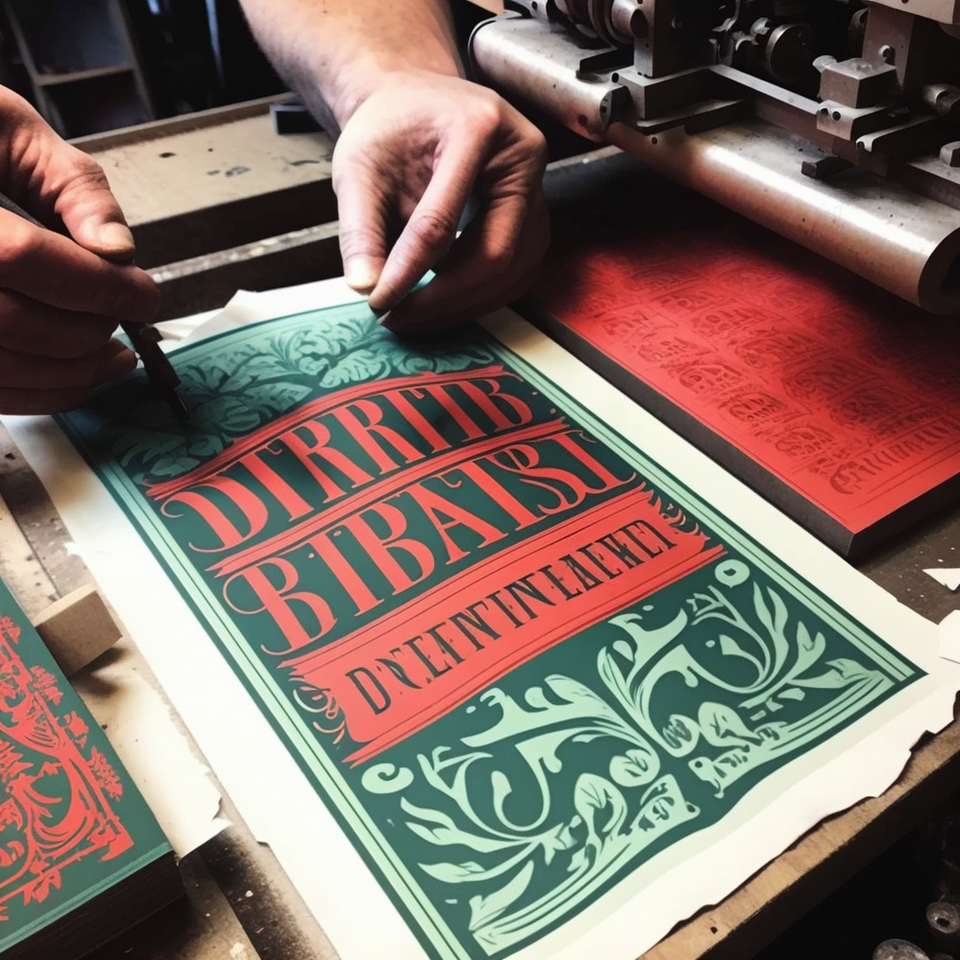
How order size, customization, and shipping change your per‑unit price
DIY letterpress becomes more attractive as you print more pieces and reuse your setup. Hobby and micro‑brand guides point out the same pattern you see in other print technologies: below a certain steady volume, outsourcing is simpler and often cheaper; above it, equipment investment can lower per‑unit cost—but only if you avoid excessive waste.
Key drivers to watch:
1. Volume and reuse of designs If you’re printing:
- Hobby tier – 50-100 holiday cards once a year, each with a new design.
- Micro‑brand tier – a logo note card you’ll restock in batches of 250-500.
- Bulk tier – ongoing packaging or thank‑you inserts in the thousands.
DIY makes more sense in the micro‑brand and bulk tiers where you reuse plates and keep the same stock. For small one‑offs, the learning curve plus plate and paper cost can easily wipe out savings.
Hobby resources like HobbyHobby stress that beginners should expect misprints. If you waste 10-20% of your paper and time getting a design right on a tiny run, your true cost per usable piece climbs quickly.
2. Customization frequency Every new design usually requires a new plate. If your business model depends on frequent custom jobs (e.g., bespoke wedding suites), a professional printer absorbs plate ordering and technical setup as part of their service; you would be paying for new plates and spending time figuring out each layout.
3. Shipping method and timing
Industry advice on in‑house printing for other techniques often recommends waiting until your monthly outsourcing spend and volume are consistently high before buying equipment. The logic applies here: if your letterpress use is sporadic or seasonal, you probably won’t push enough pieces through the press to amortize that setup cost.
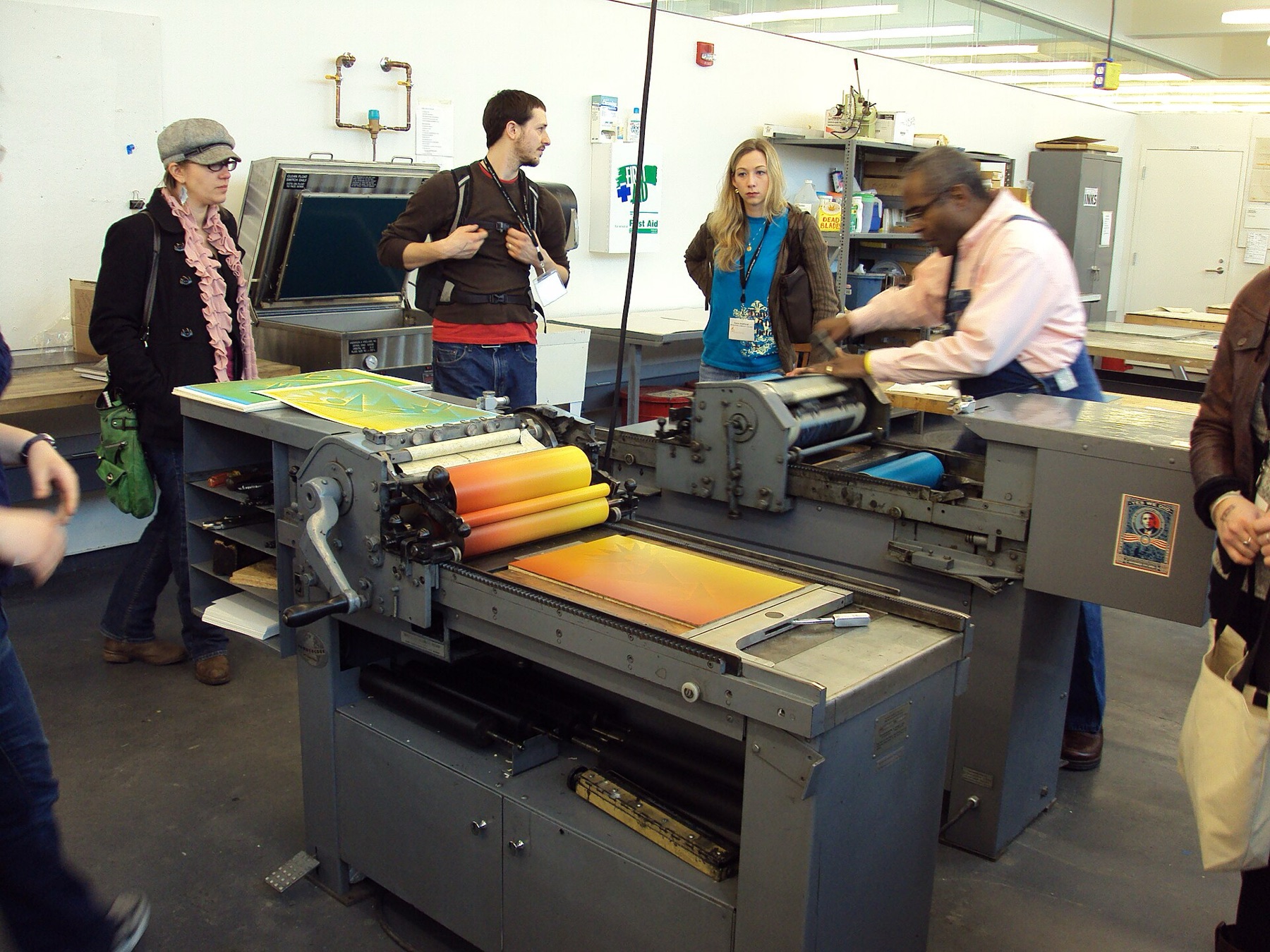
Channel-by-channel cost comparison: DHgate vs local letterpress and other marketplaces
For US buyers, you’re usually deciding among three channels:
- Local letterpress printer – full service; you pay per job.
- DIY with domestic hardware/supplies – press and materials from US shops or marketplaces.
- DIY with DHgate-sourced hardware/supplies – press and materials via cross‑border wholesale.
Here’s a simplified comparison for a small brand printing a recurring run of 300 logo cards a few times per year, assuming you already own or are considering a DIY setup.
| Scenario | Upfront hardware cost (editorial) | Per‑run cash outlay (plates, paper, ink) | Extra costs | Who this tends to favor |
|---|---|---|---|---|
| Local letterpress shop, 300 cards | $0 hardware (you own none) | Setup fee + per‑piece rate | Rush fees, shipping from shop | Buyers with infrequent or varied runs |
| DIY, domestic press & supplies | Higher hardware price locally | Plate + paper + ink, some waste | Domestic shipping, your time | Micro‑brands with steady volume |
| DIY, press & supplies via Cross-border multi-seller | Often lower hardware per unit via direct sourcing | Plate (possibly domestic) + paper + ink; bulk paper may be cheaper | Cross‑border shipping on heavy goods; possible customs/taxes | Entrepreneurs doing larger or ongoing runs |
DHgate’s own editorial describes its marketplace value as coming from direct sourcing and bulk discounts, which can reduce per‑unit hardware and supply prices compared with some domestic channels. That can matter for expensive items like presses or large quantities of paper and envelopes. If you already know you’ll print thousands of pieces over a year, shaving 20-30% off hardware and bulk stock can meaningfully lower your amortized cost per card.
However, several cost variables can narrow or erase those savings:
For hobbyists doing a few special projects a year, these cross‑border overheads tend to outweigh the lower unit prices. For entrepreneurs planning:
- A branded stationery line with repeated designs, and
- Batch runs large enough to keep a press busy,
DHgate can be one viable source for the costliest line items—presses and bulk supplies—while you still buy plates domestically and reserve local services for complex, high‑stakes jobs.
If you’re comparing DHgate to other marketplaces more broadly, it can be helpful to look at overall platform pricing behavior via resources like Compare DHgate with AliExpress, Alibaba and Temu, then plug those differences into your own volume projections.
How to decide quickly based on your own numbers
To keep this practical:
- Estimate your annual volume of letterpress pieces (cards, inserts, tags) you realistically expect to print.
- Add up DIY setup: press + tools + a first set of plates + basic supplies, priced using domestic and DHgate options side by side.
- Compare to outsourcing: get quotes from at least one local letterpress shop for your most common job size.
- Run the per‑piece math: spread your DIY setup cost over that annual volume, then add your variable cost per piece. If the total is comfortably below your outsourcing quotes—and your time requirements still work—DIY starts to make budget sense.
If the DIY number only barely beats local prices, or relies on optimistic assumptions about zero waste and perfect bulk purchases, you’re probably better off continuing to outsource and treating DHgate and other cross‑border options as future tools once your volume clearly justifies them.
For additional DHgate platform context, use Understand customs, tariffs and import fees.
For buyers ready to explore wholesale‑style sourcing, a neutral starting point is to learn how to find wholesale suppliers on DHgate and weigh their offers against domestic suppliers using the same landed‑cost checklist you’ve built for your letterpress workflow.