
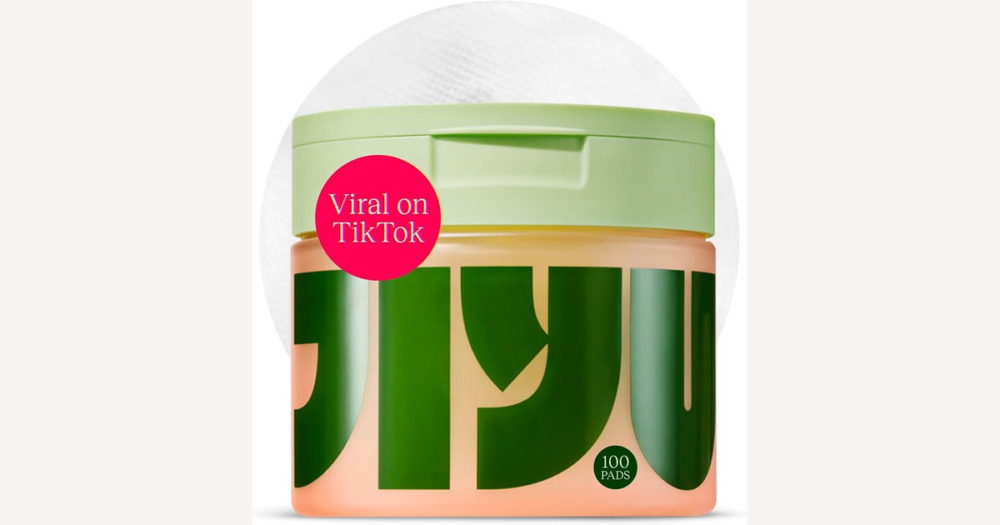
If you’re in Canada and keep seeing Jiyu toner pads promoted online, it’s reasonable to wonder whether any of the listings you find—on DHgate or elsewhere—are actually available, fairly priced and worth trusting. This guide can’t verify live stock, prices or seller quality on any platform, but it can show you how to judge the real landed cost to Canada and the trust signals around a DHgate listing so you can decide whether to walk away or proceed with clear eyes.
What can a Canadian buyer realistically know about Jiyu toner pad availability and pricing on DHgate and elsewhere?
On DHgate and other sites, you will sometimes see Jiyu toner pads promoted to Canadian buyers, but there is no reliable way within this guide to confirm which listings are actually in stock today, what any given seller is charging, or how good that seller really is. DHgateWiki does not access live DHgate inventory, prices or seller data, and we also cannot guarantee that a specific big‑box store, marketplace or boutique currently has Jiyu on the shelf at a particular price.
Search results and social‑media chatter suggest that Jiyu has been marketed through Canada‑facing channels, including campaign pages and marketplace‑style listings, yet that visibility does not mean stable availability or a consistent “normal” price. People report very different price points—for example, mentions of prices under roughly CAD $20 at mainstream retailers alongside complaints about offers closer to CAD $60 in other contexts—which signals volatile, marketing‑driven pricing rather than a clear benchmark for what Jiyu should cost.
Because of those gaps and contradictions, this article will not tell you which store, seller or platform is cheapest or has the best reviews, and it will not point you to a specific listing. Instead, it focuses on how to think about availability, total landed cost and trust signals wherever you choose to shop. DHgate is just one marketplace where independent sellers might list Jiyu toner pads, and the brand’s controversy and uneven international presence mean that no DHgate listing should be treated as automatically authentic or fairly priced simply because it exists.
My bias is to protect Canadian buyers from unnecessary risk: if a Jiyu listing on DHgate or anywhere else does not clearly explain shipping and import costs, comes from a seller with weak or confusing trust signals, or is supported mainly by oddly perfect marketing‑style reviews, the safer choice is to skip it rather than digging for a supposed hidden bargain in a murky situation.
How to estimate the real landed cost of Jiyu toner pads shipped to Canada from DHgate
- Start with the base item price on the DHgate listing, then look closely at the shipping options to your exact postal code: what each method costs, how long delivery is estimated to take, and whether there is any mention of duties, GST/HST or brokerage fees that might be charged when the parcel enters Canada.
- Watch for pricing tricks where “free” or very cheap shipping is paired with a noticeably higher item price, or where the item looks inexpensive at first but significant shipping, insurance or handling charges appear only at checkout. Your comparison should be based on the full combination, not the headline price.
- Check which currency the listing uses and mentally convert it to CAD, allowing for possible foreign transaction fees from your bank or card. A price that looks manageable in USD or another currency can turn into a surprisingly high charge once conversion and fees show up on your statement.
- Treat DHgate coupons, platform promotions and bundled discounts as a nice extra, not a reason to ignore vague or missing information about shipping, taxes or import‑related fees. A temporary discount does not fix opaque cost details that could leave you paying more later.
- Compare your best estimate of the total landed cost—including item price, shipping, taxes and any likely import or payment fees—against the broad price range you see from more transparent Canadian channels. If your calculation brings the DHgate total close to the higher figures people criticize elsewhere, rather than noticeably below the rough sub‑$20 ballpark reported at some mainstream outlets, the supposed deal may not be a deal at all.
- Given the extra risk, delay and uncertainty that come with an overseas marketplace purchase, I would walk away from a DHgate Jiyu listing unless its clearly disclosed landed cost is meaningfully lower or at least competitive with straightforward Canadian options. When the numbers don’t clearly favour DHgate, there is little reason to take on more risk for the same—or higher—overall price.
How to read DHgate seller and review signals for a Jiyu toner pad listing
- Check basic seller metrics on DHgate: overall rating score, how many reviews the seller has, total completed transactions and how long the account has been active. A long‑standing seller with solid ratings and steady order volume generally looks safer than a new account with almost no history.
- Treat Jiyu toner pad listings from sellers with very few orders, minimal or no reviews, or a history focused on unrelated products with little feedback as higher‑risk options. Those patterns suggest the seller has not yet demonstrated consistent performance to skincare buyers.
- Scrutinize product reviews, not just the star score. Look for specific, varied comments about delivery timelines, packaging, how the pads actually feel or perform, and any issues that came up. Reviews that repeat identical phrases, sound like generic ad copy, or appear in a tight time window can be a sign of manipulated or incentivized feedback.
- Keep the wider Jiyu controversy in mind: external chatter mentions unusually perfect reviews and heavy marketing around the brand. That makes it especially important not to take glowing feedback at face value on any platform, including DHgate, when the wording looks more like promotion than real user experience.
- Study the listing photos and description carefully for clarity about what is included (number of pads, jar or refill), volume, ingredients and claimed origin. Vague, interchangeable wording that could apply to any toner pad, or stock photos that do not clearly match the described product, are red flags.
- Remember that none of these checks can prove authenticity. What they can do is help you separate obviously weak, poorly documented listings from those that show more consistent activity, clearer product details and reviews that at least resemble organic buyer feedback.
- Given the extra uncertainty around Jiyu, I would skip any DHgate listing that doesn’t show strong, consistent trust signals across seller metrics, reviews and documentation, even if the headline price looks appealing. A cheap but opaque offer is not worth the risk compared with more transparent options or waiting altogether.
Risks Canadian buyers should weigh before chasing Jiyu toner pads on DHgate
Step-by-step checklist for evaluating a Jiyu toner pad listing on DHgate from Canada
- Confirm that the DHgate listing explicitly ships to Canada, shows your country in the destination options, and provides an estimated delivery window that looks realistic for international shipping.
- Add the item to your cart or run through checkout far enough to reveal the full cost: base item price, chosen shipping method, any taxes shown at checkout and any estimated import or brokerage fees.
- Convert the total charge into CAD, including any likely foreign transaction fee from your payment method, and compare that figure with rough price ranges you have seen from more transparent Canadian retailers for Jiyu or similar products.
- Review seller metrics such as overall rating score, number of completed sales and how long the account has been active, then read recent reviews for specific, detailed comments that sound like real use rather than short, generic praise repeated across multiple listings.
- Check product photos, description and packaging details carefully to see whether they match how Jiyu toner pads are marketed elsewhere, and confirm that they clearly state the pad count, product type and any key labelling rather than relying on vague beauty stock images.
- Look up DHgate’s buyer protection, dispute and refund terms for this listing or category, noting how long you have after delivery to open a case, what conditions qualify for a refund, and whether returns of skincare products are practically feasible from Canada.
- Pause and weigh the combined picture of cost, timing and trust signals. Ask yourself whether the price advantage, if any, genuinely compensates for slower shipping, international returns and provenance uncertainty, or whether you are being pushed by hype to accept risks you would normally avoid.
- Remind yourself that even a careful checklist cannot guarantee authenticity or satisfaction; it only reduces avoidable risk and helps you spot warning signs. If key information is missing, fees are unclear, reviews are thin or suspicious, or the description feels vague, the safer response is to walk away rather than gamble on a high‑uncertainty order.
How DHgate compares with big-box and major e-commerce sites for buying Jiyu
| Aspect | DHgate marketplace | Mainstream Canadian retailers |
|---|---|---|
| Listing structure | Many independent sellers each create their own listing, with separate photos, descriptions, shipping policies and review pools. Consistency across listings is not guaranteed. | Listings for Jiyu, when available, are more likely to be consolidated under a single product entry with standardized photos, descriptions and clear ownership of fulfillment. |
| Fulfillment and returns | Fulfillment depends on the individual seller; shipping methods, handling times and return instructions can vary widely, and international returns for skincare may be slow or impractical. | Big‑box chains and major e‑commerce platforms usually state who fulfills the order, offer clearer delivery expectations, and publish standardized return and refund policies that are easier for Canadian buyers to use. |
| Reviews and feedback | Reviews are fragmented across many small seller listings, so each listing may have only a handful of comments. That makes patterns harder to interpret and isolated generic praise easier to manipulate. | Reviews are typically grouped under a single product page, often with higher counts and more diverse buyers. While biased or fake reviews still exist, the volume and variety can give more context about typical experiences. |
| Price and perceived fairness | Headline prices can look low, but once you add shipping, potential duties and weaker recourse if something goes wrong, a small discount may not compensate for the extra uncertainty. | Displayed prices tend to include clearer shipping options and taxes, and are paired with better‑defined protections. A modestly higher price can feel fairer because total cost and recourse are easier to understand. |
| Fit for cautious buyers | Best suited only when DHgate is effectively the sole access route and a specific listing shows unusually strong trust signals across cost, reviews and protections; otherwise the risk profile is high. | Often preferable for risk‑averse buyers because transparency around fulfillment, returns and review context is stronger. I would usually lean toward these environments for Jiyu or comparable products unless DHgate offers a clearly better, well‑documented option. |
What’s verified about Jiyu—and what remains hype or allegation
Jiyu toner pads are surrounded by strong claims and mixed opinions. Marketing materials and some listings emphasize transformative skincare results, often paired with very high review counts and near‑perfect ratings. At the same time, some online discussions describe Jiyu as a possible scam or a brand built more on aggressive promotion than on clearly documented origins, and they note that prices can vary widely—from reports of sub‑$20 offers at certain big‑box outlets to around $60 or more elsewhere.
This guide does not confirm whether those performance promises are clinically valid, whether long‑term use is safe for every skin type, or whether any specific listing or seller is genuine or fraudulent. We do not assess medical trials, dermatological data or live seller verification; our focus is on marketplace structure and pricing context. Any price examples mentioned from big‑box or other retailers are snapshots based on reported observations and may change over time, so they provide context for relative cost, not guarantees of what you will see today in Canada.
The recommendations here lean on checks you can verify yourself: reading DHgate listing details carefully, computing the real landed cost to Canada, reviewing seller history and feedback patterns, and understanding DHgate’s dispute and refund protections before you decide whether to proceed. None of this is a judgment on Jiyu’s actual skincare performance. This article is not offering medical, dermatological or therapeutic advice, and anyone with skin conditions or concerns should speak with a qualified professional rather than relying on marketing language or anecdotal stories about Jiyu.
Some buyers say they are satisfied with Jiyu, while others are skeptical or feel misled by price, hype or results. That ambiguity is exactly why a cautious, process‑based approach to any DHgate listing makes sense: treat dramatic promises and polarized opinions as background noise, and base your decision on the more objective signals you can inspect—availability, total cost, seller transparency and platform protections.
If no DHgate option looks safe or available, what should a Canadian buyer do next?
Sometimes Jiyu simply will not be practically available to you on DHgate from Canada. You may find no listings at all, or only offers that do not ship to your address. In that situation, non‑commercial next steps are enough: you can periodically re‑check through general web search, watch mainstream Canadian retailers to see whether they add or remove Jiyu over time, or sign up for legitimate brand or retailer updates if those exist. Limited or inconsistent availability is itself a reason to be wary of urgency—if a product is hard to access, that does not make every promotion a must‑grab opportunity.
In other cases, listings do exist but fail basic checks: the total landed cost looks far higher than rough Canadian price ranges, descriptions are vague, seller history is thin, or reviews read like copied marketing rather than organic feedback. When that happens, it is not only acceptable but wise to abandon the purchase rather than trying to talk yourself into a listing that feels wrong. The time you have already spent researching is a sunk cost; it should not push you into a risky order or into chasing a fear of missing out created by countdown timers or social‑media buzz.
If Jiyu on DHgate does not pass your trust and cost thresholds, you can step back and look for comparable toner pads or skincare products from brands with clearer Canadian distribution, more robust third‑party reviews and well‑known return policies, without needing to fixate on this one name. Most skincare decisions are not emergencies, and waiting for a more transparent opportunity is safer than rushing into an opaque transaction.
My own stance is that avoiding unnecessary risk and inflated landed costs is a valid outcome in itself. If you cannot get enough trustworthy information about a DHgate Jiyu listing—or any alternative route to the product—“no purchase” is often the best decision. Walking away, watching for clearer options later, or choosing a better‑documented product is a reasonable, buyer‑protective response to uncertainty.