
Budget-focused buyers should think in tiers. Jelly/resin stones are plastic-based and less sparkly than Swarovski-type crystal, but much more cost-effective for high-coverage projects. If you’re covering a few tumblers, a 4,000-piece pack from a domestic marketplace can be inexpensive and fast. If you’re a micro-brand using tens of thousands of stones a month, wholesale sites and cross-border bulk listings can beat US retail by a wide margin—provided you’re disciplined about minimum order quantities (MOQs), shipping speed, and quality checks.
What Really Makes Jelly and Resin Rhinestones Expensive or Cheap?
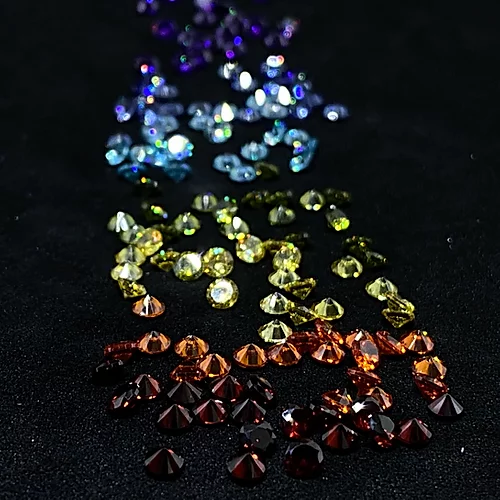
Jelly and resin rhinestones are molded plastic-like gems with flat backs, usually in AB (iridescent) or opaque finishes. They’re cheaper and less sparkly than glass or crystal rhinestones, which makes them attractive for budget crafts and high-coverage designs.
Several components roll up into your true cost:
1. Unit price vs pack size A listing that looks pricey can actually be cheaper per stone. For example, Amazon carries bulk resin jelly packs such as a ~4,000-piece 4 mm White AB flatback assortment for crafts and nails (Amazon example). If you divide the pack price by 4,000, you may find the cost per 1,000 stones is less than smaller craft-store bags, even before coupons.
Etsy hosts multiple independent sellers offering wholesale or bulk jelly resin rhinestones in jars and large bags—for instance, 4 oz mixed-size jelly resin jars aimed at craft and nail buyers (Etsy example). These listings often emphasize volume (10,000-piece bags, multi-ounce jars), which matters more than the sticker price when you’re calculating cost per project.
2. Material tier Resin and acrylic rhinestones are broadly considered the budget tier compared with Swarovski or Preciosa crystal. Editorial guides on rhinestones describe acrylic/plastic stones as much more cost-effective, with the tradeoff of lower brilliance and perceived quality. For jelly/resin, that tradeoff is usually fine for tumblers, kid crafts, or dense bling where each individual stone doesn’t need to look premium.
3. Volume discounts and bulk logic Bead and embellishment suppliers often structure pricing so that cost per piece drops as you buy more. A bulk-bead buying guide notes that buying in larger quantities typically triggers quantity discounts and much lower per-piece costs. Jelly/resin rhinestone sellers—especially wholesalers and cross-border vendors—follow similar logic. A 20,000-piece assortment will usually be cheaper per stone than four separate 5,000-piece bags, even if the total invoice is higher.
4. Shipping and customs risk Domestic channels like Amazon, Etsy sellers shipping from the US, or US craft chains may roll shipping into the product price or offer flat rates; you mainly care about speed. Cross-border bulk orders can look cheaper on the product page but may carry higher shipping charges, longer transit times, and possible import fees. That doesn’t mean they’re a bad deal, but you should plan for a buffer: compare “product + shipping” and factor in the chance of duties on larger cartons.
5. Payment and marketplace fees If you’re a small ecommerce business, your own payment processing, platform fees (on Etsy or your site), and packaging cost per finished item also matter. A slightly cheaper rhinestone source can be offset by more waste (bad batches, inconsistent sizing) that slows production.
How MOQ, Customization, and Shipping Choices Change Your Price Per Stone
For jelly and resin rhinestones, the way you structure the order can swing your cost per stone up or down.
Minimum order quantities (MOQs) Bulk suppliers of resin rhinestones often set MOQs in terms of bags, jars, or total weight. If a seller requires you to buy, say, multiple color bags at once, your invoice climbs—but the per-stone cost typically drops. That’s the same dynamic bead buyers see: quantity discounts kick in at higher tiers. If you’re a hobbyist, you might actually pay more per stone because you’re stuck in small-pack territory; a micro-brand can exploit MOQs to get wholesale pricing.
Color/size assortments vs single-color orders Mixed-size and mixed-color assortments tend to be priced aggressively, because they’re easier for suppliers to package and move. Dedicated single-color, single-size bags can cost more per stone but save you sorting time in production.
An example from cross-border listings: a “big pack” of wholesale resin rhinestones and jelly flatbacks for DIY crafts and nail decoration is offered with a wide size and color range, at a price band around the mid-double-digits in USD (DHgate big pack snapshot, observed 2026-10-08). The same seller or others may offer more specialized, narrower assortments at higher per-unit cost because they cater to specific design needs.
Shipping speed and method If you choose slower, economy shipping from a cross-border seller, you can often keep the per-stone cost lower because the freight charge is spread across a large quantity. Faster courier options can turn a cheap product into a mediocre overall deal, especially for heavy resin stones. For US-based marketplace or craft-store orders, upgrading shipping is less common; instead, you’ll optimize by timing purchases around free-shipping thresholds or promotions.
Worked cost snapshot: hobbyist vs micro-brand Think in simple ratios:
- Hobbyist: You buy a ~4,000-piece resin jelly pack via a domestic marketplace. Even with a moderate pack price, your cost per 1,000 stones is low enough that a few tumblers or nail sets feel affordable, and you don’t care about slightly higher per-unit cost because you avoid overbuying.
- Micro-brand: You source multiple bulk bags from a wholesaler or cross-border seller. A large pack (e.g., tens of thousands of stones) at a higher total invoice, but similar or slightly higher sticker price than the hobby pack, can drop your cost per 1,000 stones significantly—provided you actually use the volume and don’t lose money on damaged or off-color stock.
Choosing the Best Channel: US Craft Retail, Wholesale Sites, Marketplaces, and Cross-Border Options
You’ll see jelly and resin rhinestones across several channel types. Each has its own cost and effort profile.
| Channel type | Example sources | Typical strength for jelly/resin bulk | Main tradeoffs |
|---|---|---|---|
| US craft retail | Michaels, Joann (rhinestone sections mentioned in editorial guides) | Easy, walk-in access; good for small mixed-color packs or emergency top-ups | Higher per-stone cost, limited true bulk options; selection depends on store and current stock |
| Specialist wholesale rhinestone sites | RhinestonesU and similar US bulk suppliers | Designed for bulk buyers; wide range of rhinestone types and brands; positioned on overall value | You may need to meet higher MOQs; more upfront spend, but better per-stone economics for ongoing production |
| General marketplaces (domestic) | Amazon bulk example, Etsy wholesale jelly listings | Wide variety, including ~4,000-piece and 10,000-piece resin/jelly packs; easy price and review comparison | Quality varies by seller; pack sizes and color mixes can be inconsistent; limited platform-level quality guarantees |
| Cross-border marketplaces | Cross-border multi-seller jelly/resin listings such as an all-black series bulk pack (listing snapshot) or big multi-pack assortments (snapshot) | Potentially lower product price for wholesale-like quantities; more variety in 2-6 mm flatback jelly AB stones and mixed assortments | Need to factor in international shipping, longer lead times, and possible import fees; seller vetting is critical and you must treat listing prices as a snapshot, not a guarantee |
Avoiding False Economies on Ultra-Cheap Resin Rhinestones
For a budget category, the main risk isn’t overpaying—it’s buying stones so cheap or inconsistent that they cost you more in the long run.
Here’s a compact checklist of price drivers and quality signals to compare before you click “buy”:
- Per-stone math: Always divide the total price (product + shipping) by the approximate number of stones. Compare cost per 1,000 pieces across listings.
- Material description: Look for clear language like “resin”, “acrylic”, “jelly” and confirm that’s what you want. Resin is appropriate for budget sparkle; if a listing blurs resin and glass/crystal, be cautious.
- Size accuracy and mix: Check whether sizes are precisely stated (2-6 mm ranges vs “mixed” only). Inaccurate sizing can make a large cheap pack less usable for nail art or detailed patterns.
- Color and finish photos: Jelly AB stones can look very different in person. Compare buyer photos where available to the seller images, especially for iridescent or opaque whites.
- MOQ vs actual usage: Don’t buy twice the volume your brand can reasonably use within a year. Bulk discounts only help if you turn inventory into sales.
If you’re scaling up from hobbyist to small brand, consider starting with domestic marketplace packs to validate your designs, then moving into specialist wholesale or cross-border sourcing once you’ve modeled your real monthly stone usage. At that point, revisiting channels—via DHgate or rival marketplaces, US wholesalers, or Etsy sellers willing to negotiate bulk rates—can genuinely lower your per-stone cost without undermining quality.