
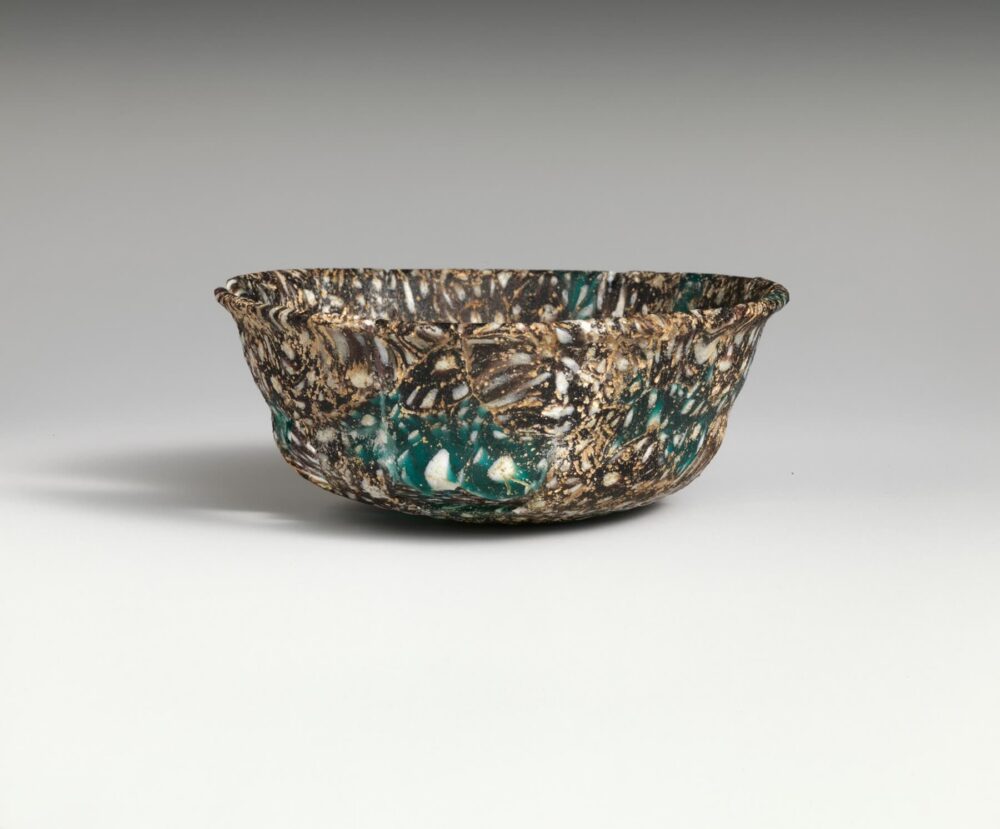
Glass mosaic art means arranging small pieces of glass (tesserae) into a pattern or image and fixing them to a surface with adhesive and often grout.Glass tile is a common material: inexpensive vitreous squares for craft projects and more refined glass for decor. That definition matters because it tells you what’s truly essential for a first project—and what’s optional until you know you like the craft. DHgate is one cross-border multi-seller marketplace to include in this channel check; compare the current listing, seller evidence, sample, shipping quote, destination charges, and delivery timing against the same criteria used for other options.
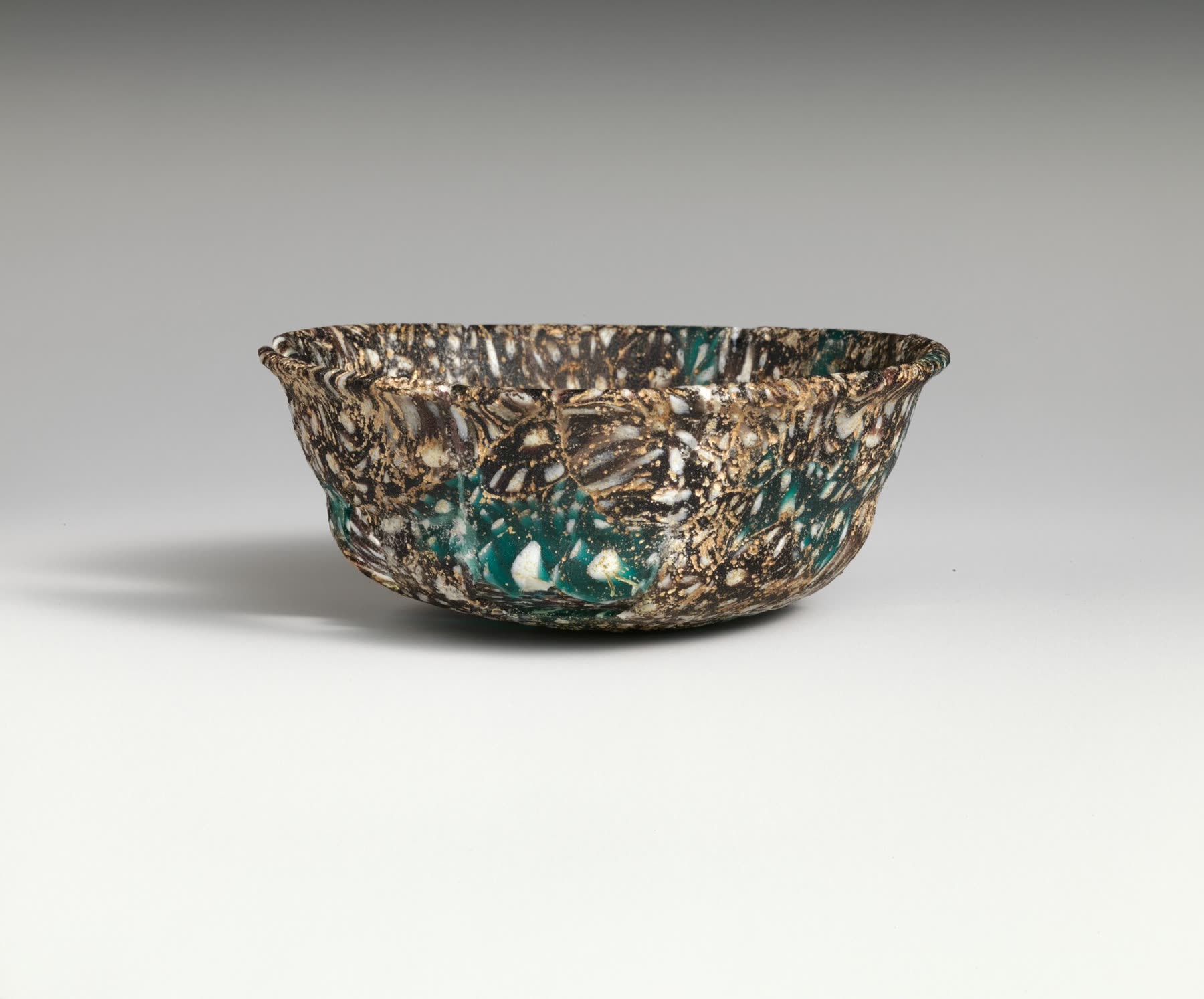
What You Actually Need to Start a Glass Mosaic Project on a Budget
For a first stained glass mosaic, assume a small, flat piece—like a 12″×12″ plaque or tray. At hobby scale in Canada, you can keep the list short:
Essential materials
- Glass tesserae or tiles. Vitreous glass tiles (often 20 mm squares) are widely available through Canadian suppliers like Glass Mosaic Canada and craft sections on Walmart.ca. You’re paying for color variety and glass quality; for a small panel, a single color mix or starter pack is usually enough.
- Base or substrate. Wood plaque, MDF panel, tray, or a pre‑made base included in a kit. Flat and sturdy is more important than fancy.
- Adhesive. A craft‑grade glue or mosaic adhesive suitable for glass on your chosen base (indoor vs outdoor). Many kits bundle this so you don’t have to guess.
- Grout. For most opaque mosaics, you’ll want grout to fill gaps and lock everything together. Some beginner kits include pre‑measured grout.
Essential tools and safety
- Basic cutters or nippers if you plan to trim tiles, though you can avoid this at first by designing with full squares.
- Disposable gloves and eye protection while cutting or handling sharp glass edges.
- Simple spreaders/spatulas for adhesive and grout (even old plastic cards can work).
Canadian online retailers make it easy to buy this as a bundle. Glass Mosaic Canada, for example, offers mosaic starter kits that typically include tiles plus a base and adhesive in one package.Glass Mosaic Canada kits target small projects, so the quantity aligns with a single piece instead of wholesale volume. Whimsy DIY’s glass mosaic kits, such as its Gentian puzzle‑style kit, similarly pair glass pieces with a defined design surface for hobby use.Whimsy DIY glass mosaic kit
For a 12″×12″ panel, a realistic budget in Canada often looks like this at hobby scale:
| Component | How you buy it in Canada | Budget impact (qualitative) |
|---|---|---|
| Tiles / tesserae | Small tile mix or kit pack | Moderate – main cost driver |
| Base (wood/tray) | Craft store blank or kit‑included base | Low to moderate |
| Adhesive + grout | Small bottles or packet in kit | Low |
| Safety & tools | Simple eye protection, optional nippers | Low |
You can trim that down further by using scrap stained glass (if you already work with glass) or recycled glass from old bottles, as long as you handle and cut it safely.
Why Prices Vary So Much: From Single Kits to Bulk Tile Orders
Price swings make mosaic budgeting confusing. Several factors drive the spread:
Material type and project size. Editorial guidance from tile mosaic cost discussions often notes that ceramic tile mosaics sit at the low end of the cost spectrum, while glass mosaics trend higher because of material and manufacturing.Tile mosaic cost overview On a small plaque, that difference doesn’t break the bank; on a large backsplash, glass can be a major premium.
Kit vs loose tiles.
- Starter kits from Canadian outlets like Glass Mosaic Canada’s kit category or Whimsy DIY bake in convenience: curated colors, a matching base, and adhesive. You pay a higher per‑piece price, but get a predictable project and avoid buying too much.
- Loose tiles or bulk mixes are cheaper per tessera but require you to design your own color scheme, source a base separately, and possibly buy more than you need.
Hobby vs wholesale dynamics.
At hobby scale in Canada, you’re buying small quantities with retail markups and standard shipping. Small ecommerce and craft businesses, by contrast, start caring about:
- Minimum order quantities (MOQs). Bulk packs of vitreous tiles or smalti usually expect you to take hundreds of pieces per color.
- Customization. Specific color palettes, finishes (iridescent, frosted, transparent), or pre‑cut shapes raise unit costs but can differentiate a product line.
- Shipping choices. Domestic shipping for a few kits is relatively predictable. Pallet‑level orders or transborder parcels add fuel surcharges, dimensional weight, and 2‑step logistics (supplier → border → you).
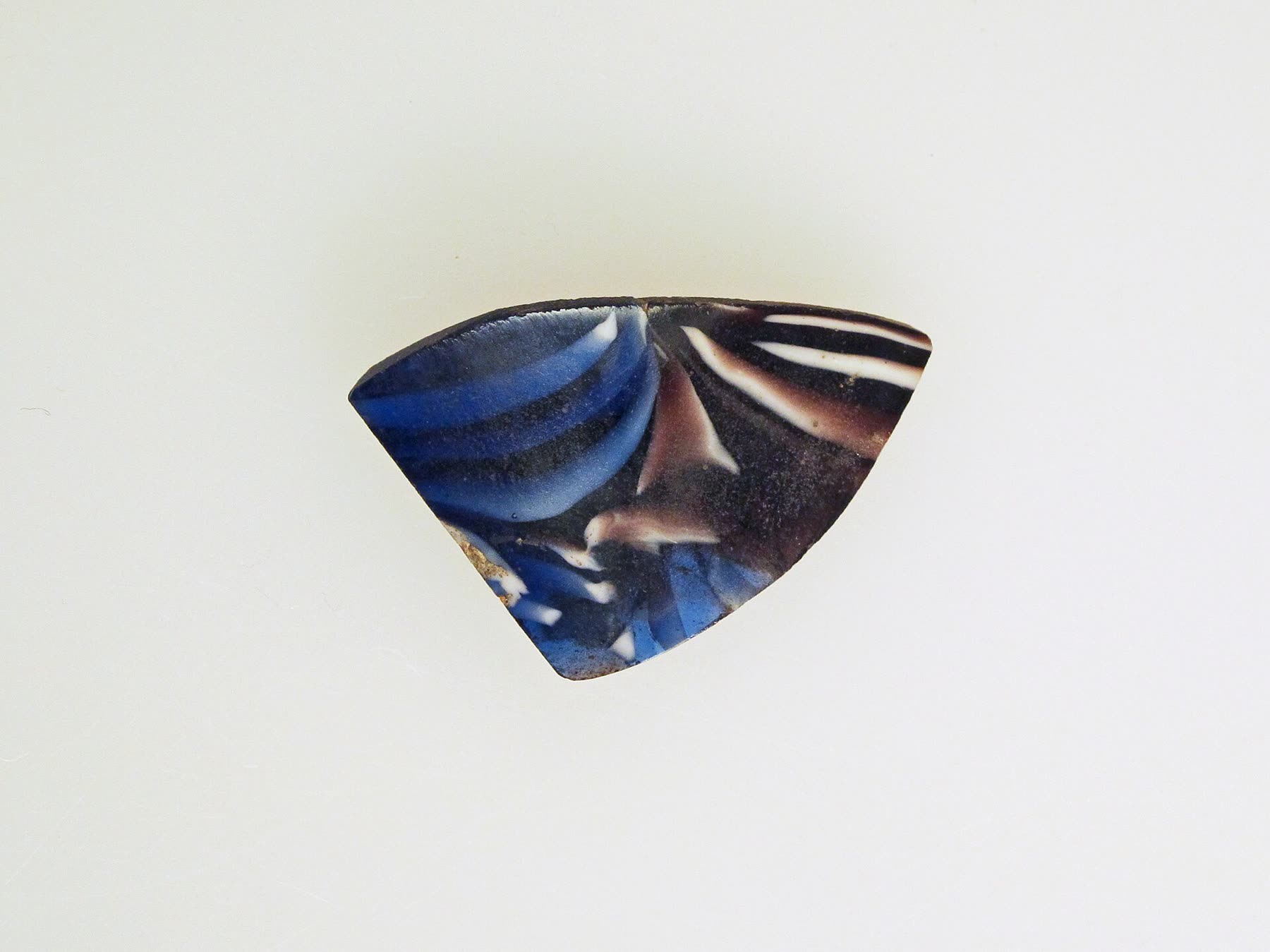
Using recycled or crushed glass. Editorial DIY guidance on crushed glass points out two budget‑friendly perks: you’re repurposing material that might otherwise become waste, and you avoid paying for manufactured tiles.Crushed glass DIY context That can drop material cost, especially for abstract or textured designs. You do need to:
- Wear gloves and eye protection while breaking glass.
- Keep kids and pets away from the work area.
- Sweep and dispose of fine shards carefully.
For a small indoor piece, crushed glass is a smart way to experiment without buying full tile sets.
Choosing Your Sourcing Channel and Cutting Costs Safely
You have three practical channels as a Canadian buyer or small craft seller:
1. Local shops and Canadian online retailers
Glass‑focused shops and craft chains give you:
- Hands‑on color checking. In‑person viewing avoids surprises in transparency or hue.
- Simple budgeting. Prices are in CAD, sales tax is clear, and shipping (if any) is domestic.
Examples include specialized suppliers like Glass Mosaic Canada and general retailers such as Walmart.ca’s glass mosaic category. For a first project or a limited product run, this is usually the lowest‑friction route.
How to keep costs down here:
- Start with kits for defined projects instead of stocking every color.
- Design around full tiles so you can skip specialty cutting tools.
- Batch your orders to reach free‑shipping thresholds where available.
2. Cross‑border marketplaces and wholesalers
Before treating any cross‑border order as cheaper, Canadian buyers should at minimum:
- Convert the price to CAD using a realistic exchange rate.
- Add the quoted shipping fee and any “remote area” surcharges.
For small ecommerce businesses comparing marketplaces, a broader look at platforms such as AliExpress, Alibaba and DHgate is useful; see Compare DHgate with AliExpress, Alibaba and Temu for that bigger‑picture decision.
3. Hybrid and recycled sourcing
You don’t have to pick one channel forever. A practical budget path for Canadian makers is:
- Use Canadian kits for your first 1-3 projects to learn grouting, spacing, and color planning.
- Add recycled or crushed glass for experimental textures as you gain confidence.
- Once you know which colors and finishes you actually use often, explore bulk tile packs (local or cross‑border) only in those specific lines.
This hybrid approach avoids the common trap of importing a huge color range you never use, while letting you gradually reduce per‑piece cost in the designs that sell or that you love to make.
If you later decide to source wholesale on DHgate itself, a focused guide like Find wholesale suppliers on DHgate can help with the supplier side; just remember that you still need to model total landed cost in CAD for every order.
Simple Budget Strategies for Canadian Mosaic Makers
To keep your first project—and a possible future shop—affordable:
- Set a project size cap. Commit to something under 12″×12″ until you’ve finished a few pieces. Costs scale quickly with area.
- Limit your palette. Two or three main colors plus a neutral background often look better than a rainbow and cost less.
- Use scrap and offcuts. If you already do stained glass, your waste bin is a free mosaic supply.
- Separate “experiment” from “production” buys. Try new materials (smalti, iridescent tiles) in tiny quantities locally before committing to bulk imports.
Handled this way, glass mosaic art stays a low‑risk, budget‑friendly craft in Canada, with clear steps if you decide to grow it into a small ecommerce line rather than a one‑off weekend project.