
You can get a gaming bedroom that feels immersive and comfortable without spending like a streamer. Focus your budget on a solid chair, a practical desk, and a decent display, then layer in inexpensive lighting and decor over time. Treat everything else—RGB, posters, collectibles—as optional upgrades you add as money allows.
A realistic budget-friendly gaming bedroom mixes everyday bedroom furniture with a compact gaming setup: a desk and chair, your console or PC and monitor, mood lighting, themed wall art, and some storage for games and gear.https://www.wrenkitchens.com/bedrooms/bedroom-ideas/bedroom-design-ideas/gaming-bedroom-ideas-and-inspiration The trick is deciding where to spend and where to save.
What a Budget Gaming Bedroom Really Costs
Think in cost buckets instead of a single number. That way you can scale each piece up or down.
| Cost bucket | What it includes | Typical budget approach (editorial) |
|---|---|---|
| Core gaming furniture | Desk, chair, basic monitor stand | Spend more here for comfort and durability |
| Gaming hardware | Console/PC, monitor/TV, controller, headset | Often owned already; upgrade slowly |
| Lighting | LED strips, smart bulbs, lamps, bias lighting | High impact, relatively low cost |
| Decor & theme | Posters, wall art, bedding, collectibles shelves | Easy to add in stages on a tight budget |
| Storage & organization | Shelves, drawers, cable management, baskets | Mix DIY and low-cost items |
Core furniture is your main non-negotiable spend. A chair and desk that keep your screen at a reasonable height and your wrists roughly level with the keyboard can deliver good comfort even if the rest of the room is bare.https://stealthygaming.com/modern-gaming-bedroom-ideas You don’t need a branded “gaming” chair; a basic ergonomic office chair plus a simple table-style desk usually beats a flashy but poorly built throne.
Lighting and decor are where budget setups shine. Common gaming decor elements—RGB LED strips around the desk, a consistent color scheme, posters, and small shelves for figures—create a strong gaming vibe without touching your hardware budget.https://www.dhgate.com/blog/?p=176404 You can start with one LED strip and one poster and build out as you go.
Storage is the sleeper cost. Wall shelves and under-bed bins keep clutter down so the room still feels like a bedroom, not a gear pile.https://www.dhgate.com/blog/?p=176404 Cheap cube shelves or simple boards with brackets are usually enough.
How Your Setup Choices Shape the Price
Several decisions move your budget up or down more than individual product picks.
1. Room size and layout
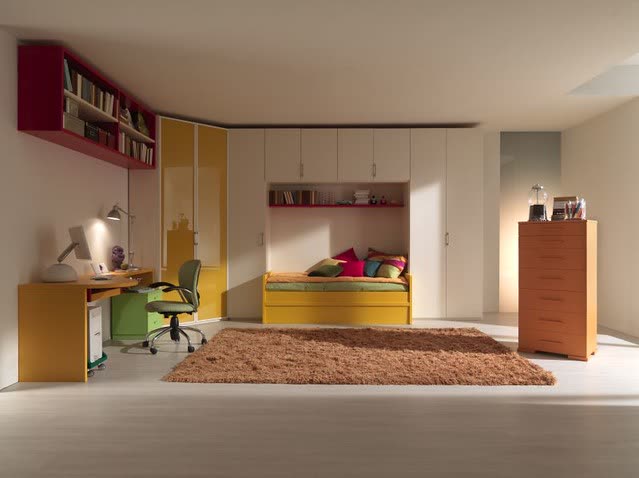
A small bedroom can actually save you money if you lean into a minimalist layout. One wall for the desk and display, the bed against the opposite wall, and vertical storage for games and collectibles means you don’t need extra seating or huge shelving. Guides for small gaming bedrooms often emphasize wall-mounted shelves and tight desk footprints to keep costs and clutter down.https://www.wrenkitchens.com/bedrooms/bedroom-ideas/small-bedroom-design-ideas/small-gaming-bedroom-ideas
If you have a larger room and want a sofa, secondary monitor, or friends’ seating, you’ll naturally add furniture costs.
2. Minimalist comfort vs themed showpiece
A minimalist gaming bedroom prioritizes ergonomics: chair, desk, monitor height, good lighting. You might keep walls mostly plain, add a single poster, and use one neutral RGB color. This delivers solid comfort and performance even with inexpensive decor.https://stealthygaming.com/modern-gaming-bedroom-ideas
A themed room—retro arcade, futuristic RGB-heavy, or nature/jungle—usually doesn’t change your hardware requirements. You still need a place to sit and a screen at a reasonable height. What changes is the decor budget: more LED strips, special wallpaper or paint, murals, and branded bedding.https://www.dhgate.com/blog/?p=179984 Plan your theme after you’ve priced core furniture so you don’t overshoot.
3. DIY vs pre-made decor
DIY and digital decor are powerful for budget gaming bedrooms. Printing digital posters locally, painting a simple accent wall, or building your own pixel-art canvas costs less than framed studio prints and designer wallpaper. DHgate’s editorial on gamer posters highlights DIY, digital posters, and smaller prints as especially budget-friendly options for tight spaces and wallets.https://www.dhgate.com/blog/?p=92093
Pre-made decor—licensed rugs, branded comforters, neon signs—looks great but adds up quickly. Use it sparingly, as a focal point, instead of covering every surface.
4. Customization and resale value (for small businesses)
If you’re a small ecommerce seller testing gaming bedroom products, customization pushes costs up but can justify higher pricing. Custom-printed posters, themed mousepads, or unique LED sign designs are harder to compare directly with big-box or marketplace items.
For a first wave of inventory, keep your risk low with inexpensive, non-electronic SKUs: small posters, sticker packs, and simple shelves. These let you learn which themes—retro, futuristic, anime, or franchise-specific—actually sell before you invest in higher-ticket chairs or desks that are bulkier and more expensive to ship.
Smart Sourcing: Local Retail, Marketplaces, and Cost-Saving Tactics
Sourcing choices matter as much as product choices, especially in Canada or cross-border buying.
Local big-box stores and office furniture outlets are still the most straightforward channel for desks and chairs. You can see build quality, check dimensions against your room, and avoid surprise import charges. For core furniture, that predictability often outweighs modest savings from cross-border listings.
For lighting and decor, the equation changes. LED strips, smart bulbs, small posters, and figurines are low-risk categories for cross-border marketplaces because they’re inexpensive per unit and relatively simple products.https://www.dhgate.com/blog/?p=92093 If one item arrives late or isn’t perfect, it usually doesn’t derail your entire setup.
Three practical cost-savvy moves for both individual buyers and resellers:
- Bundle decor themes, not random items. Choose one main color scheme (e.g., black plus blue, or gray plus neon green) and buy lighting, posters, and bedding that match. That lets you mix higher- and lower-cost pieces without the room feeling chaotic.https://www.dhgate.com/blog/?p=163087
- Start with small sizes. Small posters and compact LED kits cost less, ship more easily, and work better in typical bedrooms than oversized art.https://www.dhgate.com/blog/?p=92093
- Use vertical storage to delay furniture upgrades. Wall shelves for games and collectibles, hooks for headsets, and under-bed bins keep the room organized so you can postpone buying extra cabinets.https://www.dhgate.com/blog/?p=176404
Putting It Together: Two Quick Budget Scenarios
To make the decisions concrete, here are two lean scenarios you can adapt.
Solo gamer, small Canadian bedroom
- Use an existing bed and dresser.
- Buy a plain office chair and a simple 120-140 cm desk from local retail.
- Keep your current console/PC and display; add a monitor stand only if needed.
- Add one LED strip, one small poster, and a basic wall shelf for games and a few figures.
Small reseller testing gaming decor
- Skip furniture and electronics entirely at first.
- Source a small batch of digital or small-sized posters, sticker packs, and simple RGB strips across marketplaces (including cross-border), focusing on 2-3 themes.
- Track which themes sell and only then explore stocking bulkier items like chairs.
Both paths keep the budget anchored to comfort and simple decor rather than chasing every trend. You build a gaming bedroom—or gaming decor line—that feels intentional, not expensive.