
Fringe dress fashion can be affordable if you treat it like a design problem, not just a price hunt. You pay for three things: the dress itself, the movement and polish of the fringe (which drives construction cost), and the total landed cost if you’re buying cross‑border into Canada. For a single event, that means choosing simpler fringe and low‑friction shipping; for a boutique, it means balancing bulk discounts against duties and slow movers.
Right now fringe is having a 2026 revival focused on cleaner, more sophisticated looks and strong movement rather than just boho trim. Trend coverage from sites like Lumia Outfits and The Impression shows designers using long tiers of fringe, tailored silhouettes, and luxe fabrics—exactly the elements that push prices up. Understanding those levers lets you dial the look up or down to match your budget.
What Drives the Real Cost of Fringe Dress Fashion?
When you see fringe dresses from under $50 to several hundred dollars, you’re usually paying for four layers of cost:
1. Base dress price
Fast‑fashion and mid‑market retailers often carry stylish dresses under about $50, including special‑occasion pieces, as highlighted in budget dress roundups referencing H&M, Zara, ASOS, Mango, Boohoo, and Lulus. That price band typically covers synthetic fabrics (polyester blends, rayon), simple cuts, and either short fringe hems or lightweight decorative panels.
2. Fringe complexity and workmanship
Editorial trend coverage notes that heavier, more elaborate fringe and richer fabrics raise costs. A slip dress with a fringe hem is much cheaper to produce than a fully fringed flapper‑style dress with multiple tiers that all need to hang and move correctly. Each extra layer of fringe is extra yardage, sewing time, and pattern work.
3. Shipping and handling
Within Canada, local retailers or domestic e‑commerce keep shipping fairly straightforward: a single parcel, domestic taxes calculated at checkout, no customs paperwork. Cross‑border orders from US or international sellers add carrier fees, longer transit times, and the possibility of duty and import taxes.
4. Duties, taxes, and “surprise” fees
Importing dresses into Canada (for yourself or for resale) can trigger:
- GST/HST or provincial sales tax
- Customs duties based on fabric type and country of origin
- Brokerage or clearance fees charged by the courier
For a single $40–$60 fringe dress, these extras might add a modest amount but can still erase a small price advantage over buying locally. For a boutique importing 20+ dresses, they become a major line item that needs planning. If you’re in that camp, read up on cross‑border charges via resources like “Understand customs, tariffs and import fees” on DHgateWiki.
Style, Fabric and Order Size: How They Change the Price
Fringe is one of those details where slightly different choices can radically change cost. Think in three dimensions: how much fringe, what it’s made of, and how many dresses you’re buying.
Visual tiers: budget vs. premium fringe looks
Picture these three silhouettes:
- Budget party dress – A slim mini dress in polyester or jersey with a single fringe hem or one layer of fringe across the skirt. It has movement, but the fringe is light, often in one color, and attached in simple straight lines.
- Mid‑range event dress – A cocktail dress with multiple tiers of fringe from bust to hem, or a fitted bodice with a fully fringed skirt. The fringe may be denser, with more strands per inch, and the underlying fabric cut to support that weight.
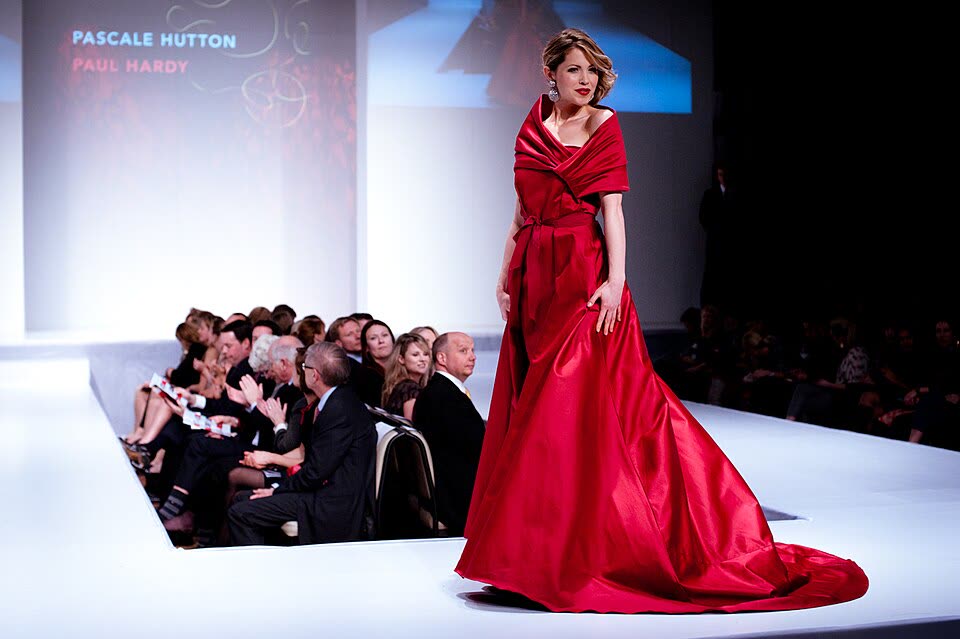
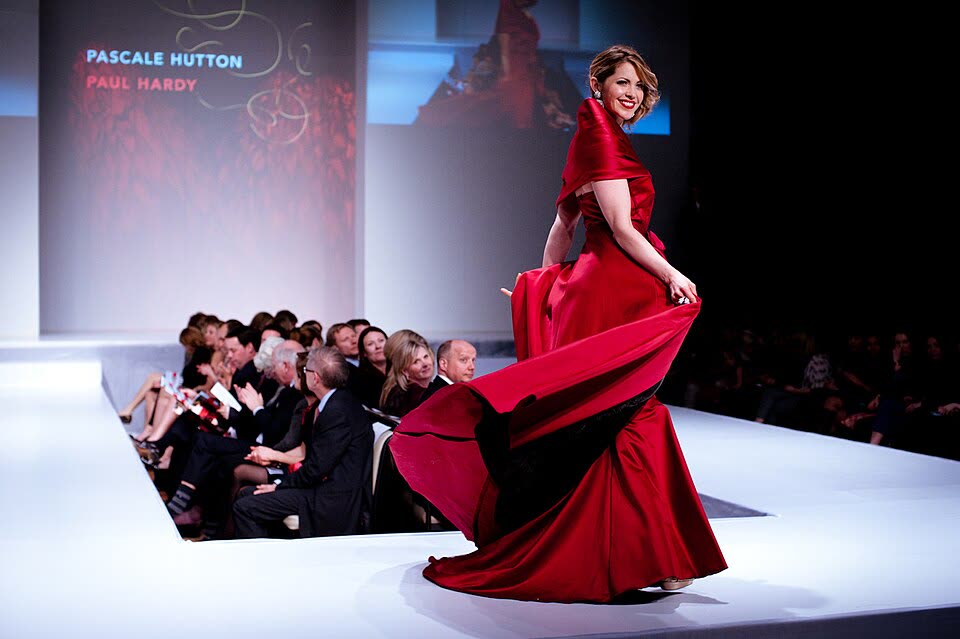
- Premium evening or runway piece – Tailored seams, placement fringe that breaks around the waist or hip to highlight movement, and richer fabrics like crepe, silk blends, or heavy satin. These are the polished pieces talked about in runway coverage, where fringe becomes sculptural.
The move from the first to the third category is why prices jump. Heavier fringe demands stronger fabric, more precise cutting, and more quality control so the dress doesn’t sag or twist.
Fabric trade‑offs that matter for your budget
Editorial coverage of fringe fashion trends points out a simple pattern:
- Synthetic fabrics (polyester, rayon, blends) keep costs low and can handle lighter fringe without warping the dress. They’re common in fast‑fashion and online budget stores.
- Luxe fabrics (silk blends, high‑quality crepe, specialty jacquards) immediately push the garment into a higher price tier, especially once you add long fringe.
If you’re dressing for one night—a party, bachelorette, or festival—synthetic fabric is usually fine. If you’re a boutique selling fringe for weddings or formal events, it’s often worth carrying a mix: budget synthetic options for volume and a smaller selection of luxe fringed dresses that match the 2026 elevated trend.
Order size and customization
Budget dress guides for online stores highlight two useful tendencies:
- Larger orders plus promos usually lower per‑dress cost. Online shops often run sales or multi‑buy offers, and bigger carts spread fixed shipping or clearance fees across more units.
- Customization and small runs raise costs. If you ask for custom fringe length, special colors, or unique sizing, you’re moving away from mass‑produced patterns. That means higher per‑dress prices, even if the base fabric is cheap.
For a single Canadian buyer, that’s a cue to stay close to standard sizes and colors, and time purchases around seasonal promos. For an e‑commerce micro‑brand buying 20 fringe dresses, it may be smarter to order standard designs in bulk (for margin) and reserve customization for a few hero pieces.
To keep the trade‑offs clear, here’s how these design choices typically affect cost:
| Fringe / fabric choice | Relative cost impact | What it looks/feels like | Best fit for… |
|---|---|---|---|
| Short fringe hem on synthetic dress | Low | Light movement at the hem, simple lines | One‑off partywear |
| Full skirt with dense synthetic fringe | Medium | Strong swish, heavier hand but still affordable | Festival and event stock |
| Placement fringe on luxe fabric | High | Sculptural movement, rich drape | Premium evening/wedding looks |
| Custom fringe length or color mix | High | Tailored to a concept or brand aesthetic | Limited‑run boutique capsules |
Choosing Channels and Cutting Fringe Dress Costs Safely
You have four main sourcing paths for fringe dresses: local Canadian retailers, fast‑fashion and mid‑market e‑commerce, open marketplaces, and wholesale suppliers. Each has its own cost profile.
How common channels compare
Here’s a compact view of typical trade‑offs (qualitative, not exact prices):
| Channel type | Typical price band* | Strengths for fringe | Budget watch‑outs |
|---|---|---|---|
| Canadian brick‑and‑mortar chains | Low to mid | Try‑on fit, easy returns | Limited selection in niche fringe styles |
| Fast‑fashion / mid‑market sites | Often under about $50 | Trend‑driven, many options | Quality can vary; shipping and return costs |
| Marketplaces (global & regional) | Wide range (very low–high) | Huge variety, including niche fringe designs | Must vet sellers; cross‑border fees and duties |
| Wholesale / bulk suppliers | Lower unit cost in volume | Better margins for resale | MOQs, customs paperwork, risk of slow‑moving stock |
*Price band descriptions are based on budget dress coverage that frequently features stylish dresses under about $50 at mass‑market retailers; they are not fixed or guaranteed.
For single‑event buyers, the first two channels tend to be easiest for budget control: you see the taxes upfront, shipping is predictable, and you’re not juggling customs. For boutiques and resellers, the last two channels can unlock margin but demand more homework on landed cost.
Where a marketplace like DHgate fits (and where it doesn’t)
Marketplaces aggregate many independent sellers, which can be useful if you’re hunting for specific fringe looks: flapper‑style dresses, festival pieces, or matching sets. DHgate is one example that appears in editorial coverage of fringe tops; its product pages typically include descriptions, sizing details, and user reviews you can read before buying.
That doesn’t make it automatically the cheapest or safest channel. Treat it as one option among others:
- Search specifically for fringe dresses and filter by material and length.
- Read descriptions and photos closely to understand how much fringe you’re actually getting.
- Check user reviews for comments on fabric feel, fringe density, and durability.
If you want to compare DHgate with other marketplaces for broader sourcing decisions, you can use internal comparisons such as “DHgate vs AliExpress, Alibaba and Temu” on DHgateWiki to understand platform styles and trade‑offs without turning this page into a marketplace breakdown.
Two quick scenarios: single event vs. small boutique
1. Single‑event Canadian buyer You want a fringe dress for a wedding or night out and don’t plan to rewear it often.
- Look at Canadian chains and major fast‑fashion sites first, targeting synthetic fabrics and simple fringe hems.
- Cap your dress budget and factor in tax and a basic shipping estimate; don’t chase a tiny cross‑border saving that could be wiped out by duties.
- Prioritize fit and comfort over complex fringe—photos can’t always show how heavy fringe feels in real life.
2. Small boutique ordering 20+ fringe dresses You’re stocking for a party season or festival run.
- Decide how many units will be budget synthetic fringe vs. premium fringed pieces that reflect the polished 2026 trend.
- Use promotions or bulk tiers from online fashion stores or wholesale suppliers to bring unit cost down.
- Model total landed cost: product price + shipping + customs/duty + potential clearance fees. Source from one region at a time to simplify paperwork.
If you later need to compare the detailed cost structure between DHgate and other sourcing routes for these scenarios, hand that decision off to the focused cost‑comparison pages on DHgateWiki.
Practical Ways to Save Without False Economy
Budget dress guides emphasize a few strategies that translate well to fringe:
- Shop discount retailers and off‑price chains. Stores that buy excess inventory from higher‑end labels can be a good place to find fringe dresses with better fabrics at lower prices—especially post‑season.
- Time your purchases. Holiday promos and end‑of‑season sales often include dress categories. Signing up for newsletters or alerts on your key retailers can net real savings.
- Inspect fabric and construction. Fringe magnifies quality issues: uneven stitching, sparse fringe that looks flat, or fabric so thin it warps under the trim. For in‑person buys, check how the fringe hangs and tug lightly at seams; online, zoom in on photos and look for reviews mentioning movement and durability.
- Skip “too good to be true” listings. Ultra‑cheap, fully fringed dresses with vague descriptions are a classic false economy: you end up paying again for a replacement.
Fringe dress fashion is fun and visually dramatic, but from a budget perspective it’s just a set of levers—fringe density, fabric, channel, and timing. If you choose synthetic fabrics, simpler fringe, and transparent channels for single purchases, and reserve more complex designs for occasions where the 2026 polished fringe trend truly matters, you can keep both your outfit and your margins moving beautifully.