
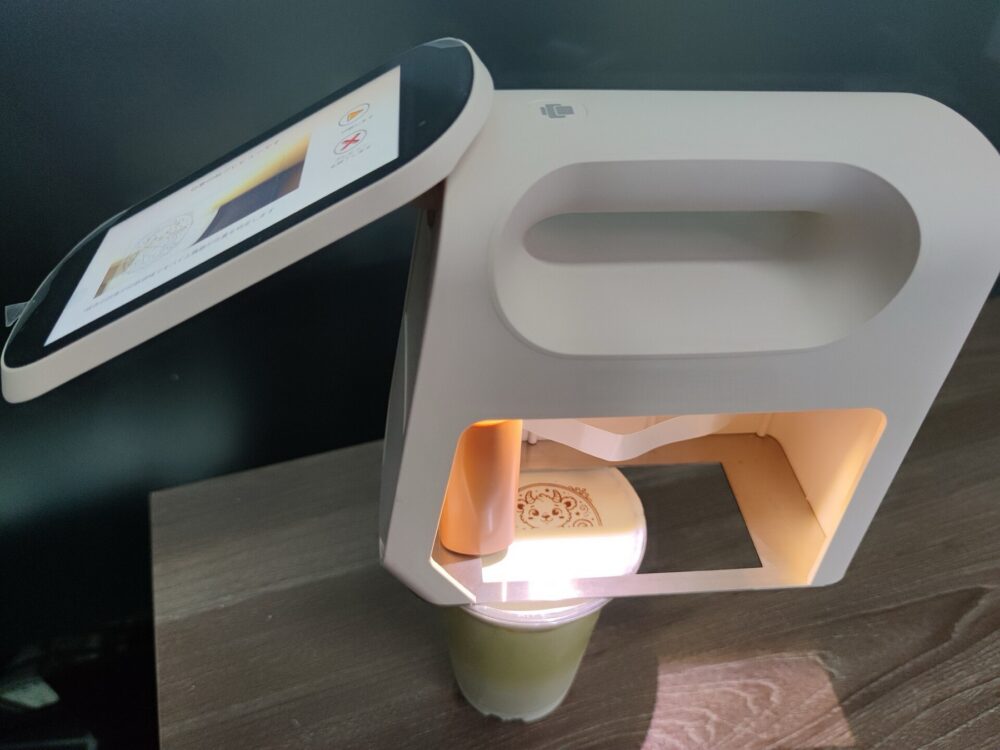
Edible ink printing for cakes isn’t just a fun upgrade; it’s a small equipment investment with ongoing supply costs. For a Canadian home baker, a starter setup usually means a few hundred dollars upfront for a compatible inkjet printer, edible ink cartridges, and frosting sheets, plus a steady trickle of refill costs. Whether that’s worth it depends on how often you print, how you source ink and sheets, and how carefully you manage maintenance.
What an Edible Ink Setup Really Costs for Home Bakers
Edible ink is food-grade color formulated to work in inkjet printers so you can print designs onto edible media like frosting sheets or wafer paper and then transfer them to cakes, cookies, or cupcakes. A basic home setup typically includes:
- A compatible inkjet printer (often a Canon Pixma-type model configured for edible use)
- A full set of edible ink cartridges or a refillable ink system
- Edible printing sheets (usually 8.5″×11″ frosting sheets for cake toppers)
- Cleaning supplies and occasional replacement parts
Beginner bundles from specialist retailers commonly pair a Canon Pixma-style printer with refillable edible cartridges and a starter pack of frosting sheets, so you get a workable system in one box rather than hunting for each piece separately.
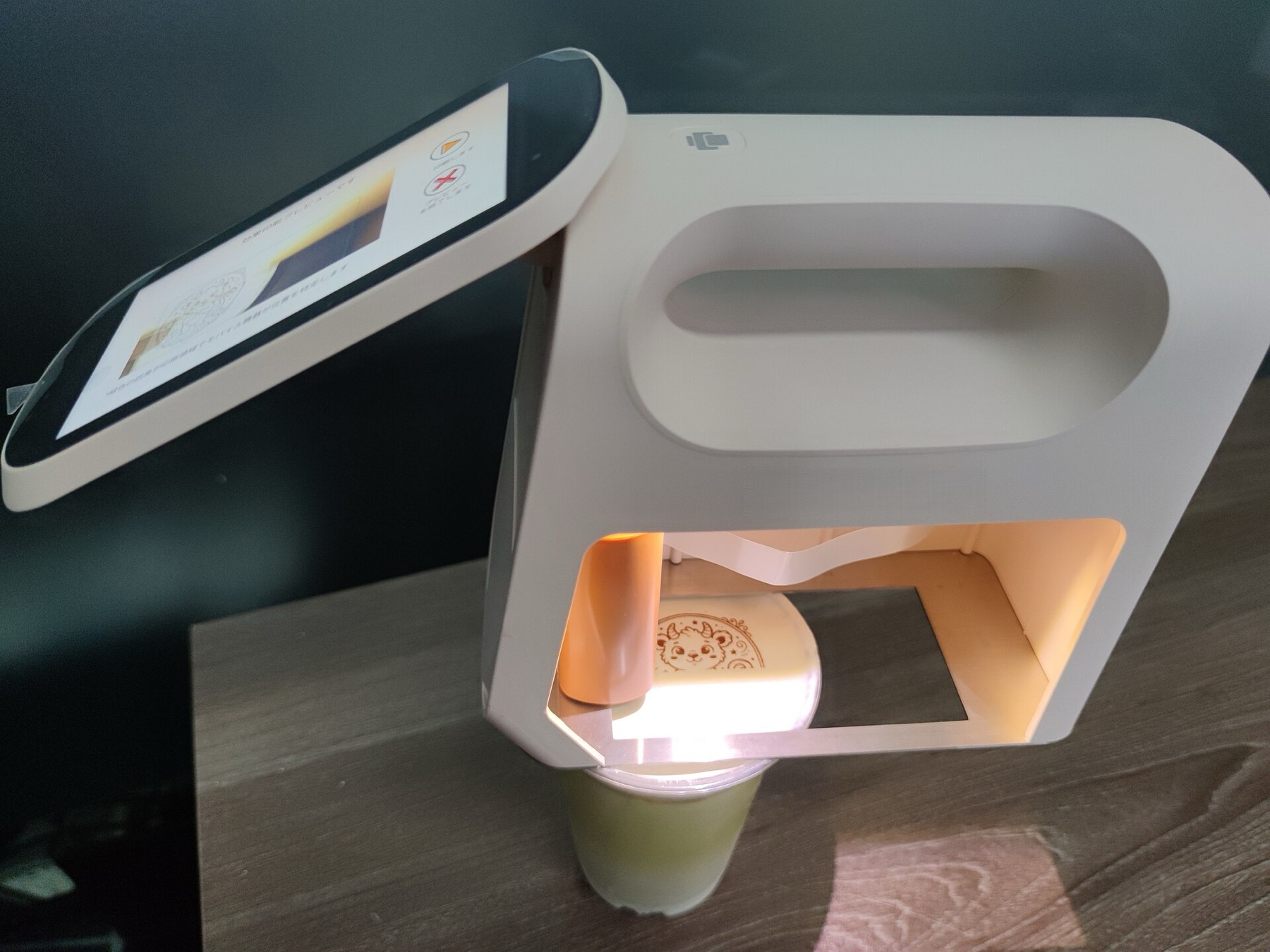
Because prices change frequently and vary by brand, it’s more useful to think in components and scenarios than in exact dollar figures:
- Printer body: A basic compatible inkjet is usually the single biggest upfront item. You pay once, but if you use non-standard inks, you should not expect manufacturer warranty support.
- Initial edible ink set: A full CMYK (and sometimes extra black) set of edible cartridges or bottles. Refills become a recurring expense.
- Starter sheets: Many bundles include 10-24 frosting sheets, which will cover your first run of cakes but won’t last long for a side business.
- Shipping and tax: For Canadian buyers, ordering from the U.S. or overseas adds shipping, HST/GST, and possible duties.
- Maintenance: Edible ink can clog printheads if the printer sits unused, which can lead to cleaning kits, replacement heads, or even a new printer over time.
For a low-volume home baker doing a few photo cakes a month, the main ongoing costs are ink and sheets. For a small ecommerce bakery, you’ll also feel the impact of maintenance and bulk sheet pricing.
Why Your Total Price Can Swing So Much
Two beginners can spend very different amounts on “the same” edible printing idea. The gap usually comes from five levers you control.
1. Print volume over a year
If you print occasionally for family birthdays, a modest setup with standard cartridges and small packs of sheets can make financial sense. A small bakery fulfilling weekly logo cakes or cookie toppers benefits more from:
- Larger ink refills instead of tiny cartridges
- Bulk frosting sheet packs
- A robust printer that tolerates frequent cleaning
The more you print, the more your cost-per-print matters. That cost is driven by how much ink each cartridge yields, the price of each sheet, how efficiently your printer lays down ink, and how often you have to run cleaning cycles.
2. Printer type and cartridge system
Many edible systems use Canon Pixma-style printers because compatible edible cartridges and refillable tanks exist for them. A basic office inkjet might be cheaper at the store, but if no reliable edible cartridges fit it, you’ll lose money (and possibly food safety) trying to hack it.
Refillable edible cartridge bundles often have higher upfront pricing but lower ongoing ink cost, while prefilled single-use cartridges push more of your spend into refills.
3. Bundles vs piecemeal buying
Specialist sites like EdibleInkStore group the printer, cartridges, and sheets into beginner and bakery-focused bundles rather than selling only individual parts. In practice:
- Bundles simplify compatibility and setup.
- Buying piecemeal lets you cherry-pick cheaper components but increases the chance of mismatched ink, chips, or sheet sizes.
4. Maintenance and clogging
Edible ink behaves more like thick food coloring than thin office ink. If you go weeks without printing, the printhead can clog. Guides from edible-printing suppliers such as Ink4Cakes highlight nozzle checks, cleaning cycles, and manual printhead removal as normal maintenance.
Every deep clean uses ink and time; in worst cases you may need a new printhead or printer. For very low volume, those hidden costs can outweigh the savings of owning a system versus outsourcing prints.
5. Seasonal demand
If your ecommerce bakery does most of its custom work around holidays, you’ll buy supplies in bursts. That can mean:
- Larger, more efficient orders before peak season
- More storage space for sheets and ink
- Conscious planning so you don’t tie up cash in consumables you won’t use for months
Sourcing Channels and How to Cut Costs Without Cutting Safety
Your total budget is shaped as much by where you buy as by what you buy, especially in Canada where cross-border shipping and duties can bite. Here’s how the main channels compare in practice.
Local Canadian and domestic specialty suppliers
Canadian specialty shops like Inkedibles.ca and 123refills.ca sell edible ink and cartridges domestically. You’ll typically see:
- Printer-specific edible cartridges (for Canon Pixma and other models)
- Bottled edible ink for refillable systems
- Frosting and wafer sheets
Buying inside Canada often reduces customs paperwork and delivery lag. You still need to budget for shipping and tax, but you avoid currency conversion surprises.
Edible-printing specialists (mostly U.S.-based)
Retailers focused entirely on edible printing, such as EdibleInkStore or Ink4Cakes, tend to:
- Offer curated bundles matched to a particular use case (home baker vs commercial bakery)
- Provide more detailed guidance on cost-per-print and maintenance routines
Cross-border buyers pay in foreign currency and may face duties on larger orders, so the apparent bundle price isn’t the whole story. If you’re in Canada, factor in:
- Exchange rate at checkout
- International shipping tier
- Potential import fees once the parcel arrives
General marketplaces and cross-border sourcing
General marketplaces can be useful if you already know what you’re looking for:
- Domestic marketplaces (Canadian Amazon, local classifieds) can be good for printers and, occasionally, edible sheets.
- Global platforms like DHgate can be a source for compatible printers or generic supplies used around your edible-printing workflow (racks, tools, packaging). For anything that touches food directly—ink, cartridges, sheets—you should treat them with extra caution: verify product descriptions, materials, and any food-contact claims, and be prepared to walk away if information is thin.
If you decide cross-border sourcing is worth exploring, resources like this customs and import fees explainer can help you understand duties and taxes before you commit.
Here’s how these channels stack up at a high level for a Canadian buyer:
| Channel type | Best for | Budget impact (editorial view) |
|---|---|---|
| Canadian specialty sites | Ongoing ink and cartridge refills | Higher unit prices, lower cross-border frictions |
| Edible-printing specialists | Bundles, guidance, maintenance know-how | Strong value for full setups; watch currency and shipping |
| Global marketplaces | Printers, non-food accessories | Often cheaper hardware; verification needed for food-contact use |
A Simple Budget Checklist for Beginners
To keep your edible printing budget under control without gambling on safety, walk through these steps before you buy:
- Decide your volume scenario. Are you printing 5-10 cakes a year, or weekly for paying clients? Low-volume users might be better off outsourcing prints to a local bakery or photo-cake service instead of owning a printer.
- Pick a supported printer family. Look up your region’s edible ink suppliers (for example, compatible cartridge listings on Inkedibles.ca) and confirm which printer models they support. Buy within that ecosystem.
- Compare bundle vs DIY totals. Put real numbers on one complete bundle and a DIY mix of printer + separate cartridges + sheets + shipping. If the DIY path only saves a small amount and increases risk of incompatibility, the bundle usually wins.
- Budget for maintenance. Assume you’ll need cleaning supplies and that occasional clogs will burn ink. For sporadic personal use, plan to print a test sheet every week or two to keep ink flowing.
- Plan cross-border costs explicitly. If you source from the U.S. or overseas, list currency conversion, shipping, and potential duties alongside product prices so you’re not surprised later.
If you’re a home baker testing the waters, it’s reasonable to start small—perhaps with a well-supported Canon Pixma-style beginner bundle and a clear idea of your per-print cost—then scale up only once you see steady demand. For a Canadian micro-bakery or ecommerce business, investing a bit more in predictable supply chains and solid maintenance practices usually beats chasing the absolute lowest ink price.