
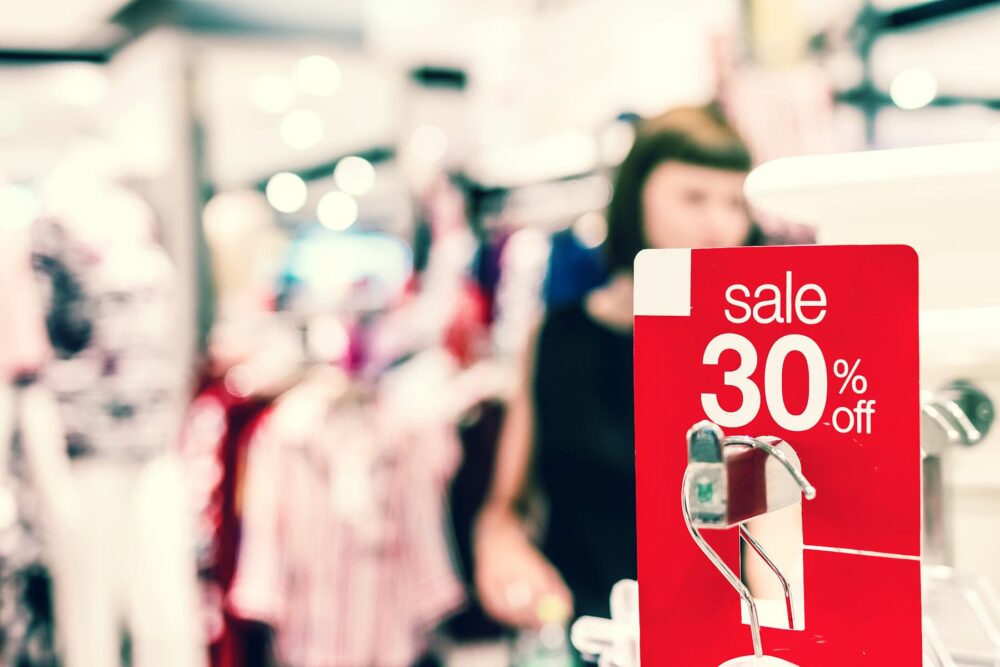
Discounted earrings are only truly cheap if the total cost stays low and the materials don’t irritate your skin or crumble after a few wears. To get real value, you need to look past the headline “70% off” and add up product price, shipping, tax, and any import fees, then weigh that against what you’re actually getting (solid gold vs plated, branded vs generic, new vs secondhand). For both personal buyers and small resellers, the most reliable savings come from timing purchases around deep sale periods, using clearance and promo codes, and being flexible about brand and season while staying firm on material standards.
Major US department stores illustrate how deep discounts can go. On the earrings sale and clearance pages at stores like Bloomingdale’s, you often see selected styles marked down heavily, sometimes reaching into the 50-80% off range on specific items. Seasonal events such as Black Friday and similar holiday promotions at chains like Macy’s and Zales tend to bring some of the steepest markdowns on earrings for short windows, as you can see in Black Friday deal roundups for brands such as Zales.
What Really Makes Discounted Earrings Cheap—or Expensive
When you see “earrings sale and discounts” plastered across a page, price is being influenced by several layers at once:
- Product price – The sale or clearance tag on the earrings themselves.
- Shipping – Free, flat-rate, or variable; faster methods usually cost more.
- Sales tax – Applied at checkout for US buyers based on your state.
- Cross-border costs – If you import earrings, you may face duties, brokerage, or handling fees in addition to the store’s shipping charge.
Together, these pieces create your real total. For example, a $20 pair of plated hoops with free domestic shipping and normal sales tax might beat a $12 pair shipped from overseas if that lower sticker price is offset by a higher international shipping fee and a customs handling charge.
On the discount side, US retailers generally structure earrings deals in a few ways:
- Standard sale – Temporary promotions during events like Friends & Family or weekend flash sales.
- Clearance – Deeper markdowns on last-season or slow-moving inventory. On clearance pages at department stores like Bloomingdale’s, earrings often fall into very high discount bands on selected items.
- Event sales (Black Friday, holiday) – Limited-time offers where jewelers and department stores push aggressive earrings pricing. Deal trackers covering events at brands such as Macy’s and Zales show this period typically concentrates some of the steepest advertised discounts on diamond and fashion earrings, even though future discount levels can’t be guaranteed.
Quick cost checklist before you checkout
- Sticker price after sale or clearance
- Shipping type and fee
- Estimated sales tax
- If cross-border: any duties or handling fees your carrier or customs may add
Run that total in your head (or phone calculator) to see if a “great” discount is actually cheaper than a different channel with a smaller headline markdown.
Why the Same Earrings Cost Different Amounts: Key Price Drivers
Two pairs of simple studs can look almost identical in a thumbnail and be priced very differently. The main drivers:
Materials
Solid gold, sterling silver, and natural gemstones carry higher base costs than plated metals and synthetic stones, even when everything is on sale. A sterling silver stud with natural gemstone accents, like the kind shown alongside stainless steel options in product listings such as the Little Jewellery Stories earrings from the Magic Moment Concept Store (example), is inherently more costly to produce than a stainless-steel or brass version with cubic zirconia.
If you see a “70% off” deal on solid gold or genuine stones, that’s a different value proposition than 70% off a plated fashion piece.
Brand and design
Branded designer earrings and highly detailed or custom designs bake brand identity and craftsmanship into the price. Unbranded fashion earrings or mass-produced stud sets are easier to mark down heavily because their margins start higher and the perceived uniqueness is lower.
Season and trend
Jewelers cycle earrings with holiday motifs, specific colors, or short-lived trends into clearance once the season passes. Those pieces can be deeply discounted without being low quality; you just have to be okay wearing “last season” designs.
Order size and customization for resellers
If you’re a small ecommerce seller sourcing earrings, minimum order quantities (MOQs), packaging customization, and lead times impact unit cost. Larger bulk orders usually drop your per-pair cost but tie up more capital.
Imagine you can source 100 pairs of fashion studs for a total of $300 from one supplier and 40 pairs for $160 from another. The bigger order brings the notional per-pair cost down to about $3 versus $4 in the smaller order, but you’re committing to more inventory in one style. If that style doesn’t match your customers’ taste, a slightly higher per-unit cost on a smaller batch can still be the better overall decision.
Custom logo cards or branded boxes add cost but may be worth it if you’re building a recognizable line and can charge more per pair.
Choosing the Best Channel for Earrings Deals—and How to Push Prices Lower
Different buying channels balance price, uniqueness, and the effort you put into verification.
Here’s a compact view of how common US channels tend to compare for earrings on sale:
| Channel type | Typical deal strengths (editorial judgment) | Verification effort |
|---|---|---|
| Department stores | Big seasonal and clearance discounts on branded/new earrings | Low–medium |
| Big marketplaces | Huge range, many price points; frequent promos on fashion earrings | Medium–high |
| Outlet/off-price | Past-season brand names at sustained markdowns | Low–medium |
| Secondhand/vintage | Potentially deep discounts on higher-end pieces; unique styles | High |
Department stores and jewelers
Retailers like Macy’s, Kay, Zales, and Nordstrom often run structured sales with clear percentage-off messaging. Clearance sections can quietly match or beat big event pricing without the crowds. For personal buyers, this is a good low-effort option: materials and brands are usually well labeled, and you can filter for sterling silver, gold, or hypoallergenic metals.
Online marketplaces and fashion sites
Platforms such as Amazon and Etsy, and fashion jewelry brands like BaubleBar, offer enormous variety. In DHgate’s editorial overview of top online earring stores (comparison), Amazon and BaubleBar are described as tending to stand out for affordable, trend-focused earrings, while Etsy leans toward handmade and unique pieces and jewelers like Zales skew higher-end.
Deals here are often a mix of everyday low prices, promo codes, and store-specific loyalty discounts. The tradeoff is that you spend more time reading listings and reviews to verify materials and quality.
Outlets and off-price retailers
Brand outlets and off-price stores carry prior-season or overstock earrings. Discounts tend to be baked into everyday pricing instead of limited-time blowouts, which can match what you’d see in a “70% off” banner without waiting for Black Friday.
Secondhand and vintage
Platforms for pre-owned jewelry can deliver significant savings on fine earrings, especially solid gold or gemstone pieces that already depreciated once. You’ll spend more time verifying condition and authenticity, but the cost-per-wear can be excellent if you’re comfortable with pre-owned items.
Practical Ways to Cut Earrings Costs Without Sacrificing Quality
For both personal use and small ecommerce sourcing, these tactics usually move the needle most:
- Shop off-season. Holiday, themed, and color-specific earrings are often cheapest right after their peak season. That’s when retailers are clearing space for new lines.
- Live in the clearance section. Department-store clearance and outlet pages hide some of the biggest percentage discounts, especially on earrings that just rotated out of front-page promotion. Competitor clearance pages for earrings (for example, those surfaced in search like “Clearance Earrings, Jewelry” and “Earrings Sets Jewelry Sale & Clearance”) show how many styles move quietly into high markdown territory after initial sales periods.
- Stack promos carefully. Many online stores layer percentage-off events with sitewide promo codes or loyalty credits. Waiting for a double-stack moment can make mid-range materials (sterling silver, stainless steel, well-made plated pieces) very affordable.
- Consider secondhand for fine materials. If you want solid gold or natural gemstones but have a tight budget, pre-owned channels often price these far below brand-new equivalents.
- For resellers: balance MOQ and variety. Ordering one large batch of a single style may minimize cost per unit but increase your risk if that style doesn’t sell. Smaller batches across a few proven styles can keep your per-unit cost slightly higher but improve sell-through.
If you do go cross-border for sourcing, remember that your real cost per pair includes potential import fees, not just what the marketplace shows at checkout. It’s worth reading up on how customs and tariffs work for small US importers; DHgateWiki’s guide on customs, tariffs and import fees is designed as an informational explainer to help you understand those extra charges.
The goal isn’t just to find the lowest price, but to buy earrings that won’t irritate customers’ skin or fall apart. Decide upfront which materials are non-negotiable for you, then use timing (sales, clearance, off-season), smart channel choice, and total-cost math to make those standards fit your budget.