
DHgate can still be a strong budget tool if you understand those cost components and buy in the right quantity. Below, we’ll walk through how to estimate landed cost for Canadian buyers, why prices move so much, and when DHgate financially beats simpler local options.
Breaking Down the Real Cost of a DHgate Portable Bluetooth Speaker
Think of your total landed cost to Canada as a stack:
| Cost component | What it includes | Why it matters for budget speakers |
|---|---|---|
| Product price | Per‑unit price on the DHgate listing (often tiered by quantity) | Sets the baseline; ranges from low single digits up to ~$50 |
| Shipping | Seller’s chosen method and fee (postal, courier, etc.) | Can double the cost for tiny orders |
| Currency & payment fees | USD→CAD conversion, card or gateway fees | Adds a few percent on top of the subtotal |
| Duties & taxes (Canada) | Customs duty, GST/HST, possibly provincial tax | Can add 5-30%+ depending on classification and province |
| Misc. handling | Occasional brokerage or handling charges on courier shipments | Shows up as surprise line items if not anticipated |
Product price: what “budget” looks like on DHgate
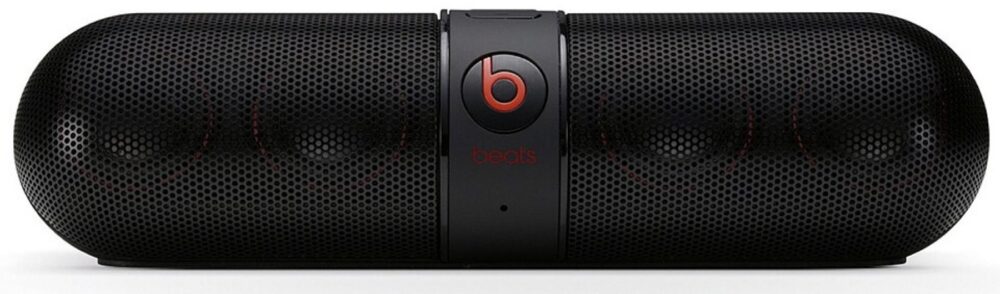
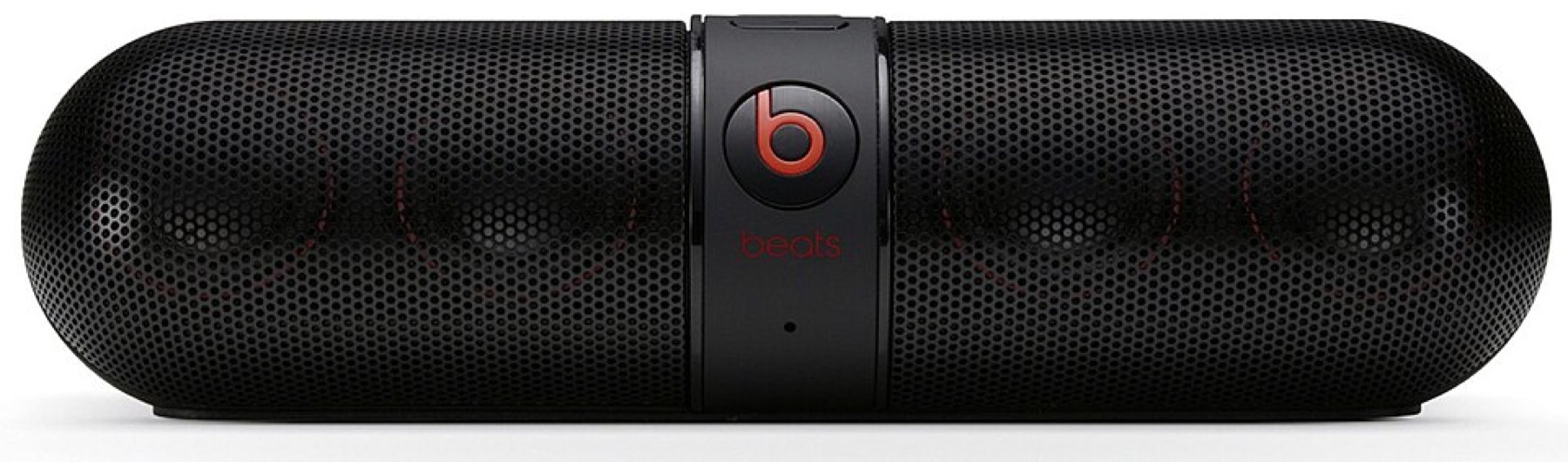
Portable Bluetooth speakers on DHgate span a wide range. DHgate editorial content positions smart and environment‑control speakers as more affordable than many other channels, while still offering better sound or deeper smart‑home integration.Source On the low end, mini card‑style speakers and simple portable units in DHgate‑linked catalog pages via imall.com show per‑piece prices in the low single‑digit USD range. On the upper end of “budget,” a Pulse‑style mini Bluetooth speaker listing sits close to US$50.Source
For Canadian buyers targeting under CA$50 retail, your sourcing sweet spot is usually:
- Simple portable speakers in the ~US$3–$12 range for resale or gifting.
- Feature‑rich, branded or smart speakers closer to US$20–$40 if you plan to sell around CA$60–$90.
Shipping, currency, and DHgate’s order breakdown
Import charges: the big wild card for Canadian buyers
Bluetooth audio devices often fall under customs codes similar to the U.S. HTS 8518.30.20, a category that DHgate’s tariff blog uses in a worked example for Bluetooth headphones with a 25% tariff.Source Canada has its own HS code system and duty rates; they can be lower, higher, or exempt depending on classification and trade agreements.
Two key points:
- Your cost isn’t just product + shipping; it’s product + shipping + duty (if any) + GST/HST + possible courier handling.
- You must confirm the correct HS code and applicable Canadian duty rate using the CBSA tariff schedule or a customs broker; the DHgate example is U.S.‑focused and illustrative, not Canadian law.
DHgate’s duty‑paid fee guidance stresses correct product classification and proactive checking of duty and tax calculations to avoid ugly surprises.Source That’s especially relevant if you’re importing a carton of speakers rather than a single gift.
Why the Price Moves: Order Size, Features, and Shipping Choices
On DHgate, the same speaker style can show very different effective per‑unit costs depending on how you buy.
1. Quantity and MOQ
Many DHgate sellers offer tiered pricing: a mini portable speaker might show one price for a single piece and a lower price per unit if you buy 10, 20, or 50 pieces. DHgate’s blog on selecting suppliers encourages buyers to discuss quantity with the seller and confirm they can meet the order size, especially for bulk purchases.Source
For Canadian resellers, that means:
- Tiny orders (1-3 units) have high shipping and no volume discount. They work for testing, but not for margins.
- Small wholesale lots (e.g., 20-50 pieces) usually unlock lower per‑unit product prices and spread shipping over more units.
Many buyers also use DHgate coupon codes to reduce their purchase amounts, which effectively shaves a bit off the per‑unit cost.Source
2. Features and build quality
Feature sets move price more than many people expect. Budget speakers at the low end of DHgate’s range tend to be:
- Single‑driver units with basic Bluetooth and simple controls.
- Limited battery life and modest output.
Speakers closer to US$30–$50 often add:
- Better drivers or stereo pairing.
- RGB lighting, TWS pairing, water resistance, or smart‑assistant integration.
DHgate’s smart speaker coverage shows environment‑control speakers with voice control, deeper smart‑home integration, and more polished build quality, while still marketed as affordable compared with buying the same type of device elsewhere.Source
For resale, paying more for features only makes sense if your Canadian customers will pay for them.
3. Shipping methods and timing
Sellers may offer cheaper but slower postal shipping, or faster courier options. The trade‑offs:
- Postal: Lower cost, longer transit, sometimes more predictable total because duties can be collected via mail notice.
- Courier: Faster, but brokerage and handling fees can inflate your landed cost, especially on low‑value shipments.
For budget speakers under CA$50 resale, fast courier shipping on tiny test orders can destroy your margins. It’s usually better to:
- Use the cheapest tracked method for samples.
- Move to economical bulk shipping for larger lots once you’re confident in the product.
When DHgate Is the Budget‑Smart Channel for Portable Speakers
DHgate doesn’t automatically beat Canadian retail or other marketplaces such as Amazon or AliExpress on total cost. It shines in specific scenarios where its low per‑unit prices survive the extra friction of cross‑border importing.
Scenario A: Single speaker for personal use
- Subtotal: US$14 ≈ CA$19.
- Assume modest tax/duty and card fees push the landed cost to roughly CA$22–$25.
In Canadian retail, comparable budget speakers often sit in the CA$25–$40 range. DHgate might save you a few dollars, but you’ll wait longer, handle any customs paperwork, and accept more uncertainty. For one‑off personal buys under CA$50, DHgate is only marginally compelling unless you want a very specific style you can’t find locally.
Scenario B: Testing a model for small ecommerce resale
You’re a small seller considering a 20‑piece lot of a US$6 mini Bluetooth speaker, with US$25 shipping on the carton.
- Product: 20 × US$6 = US$120.
- Shipping: US$25.
- Subtotal: US$145.
- Rough per‑unit before import charges: US$7.25.
Convert to CAD and add Canadian duty/GST/HST using a customs calculator once you know the right HS code. Even after, you’re likely landing near the mid‑teens per unit in CAD. If you can sell at CA$29–$39, DHgate’s economics start to work: you’ve moved from barely saving money to earning a workable margin on a budget product.
This is the zone where DHgate’s “affordable” positioning for speakers matters: you’re trading extra effort in customs and sourcing for a meaningful margin, instead of tiny savings.
For this kind of scenario, it’s worth reading a deeper explainer on tariffs and import fees so you don’t guess; DHgateWiki has a Canada‑focused guide at Understand customs, tariffs and import fees.
Scenario C: Smart or feature‑rich speakers
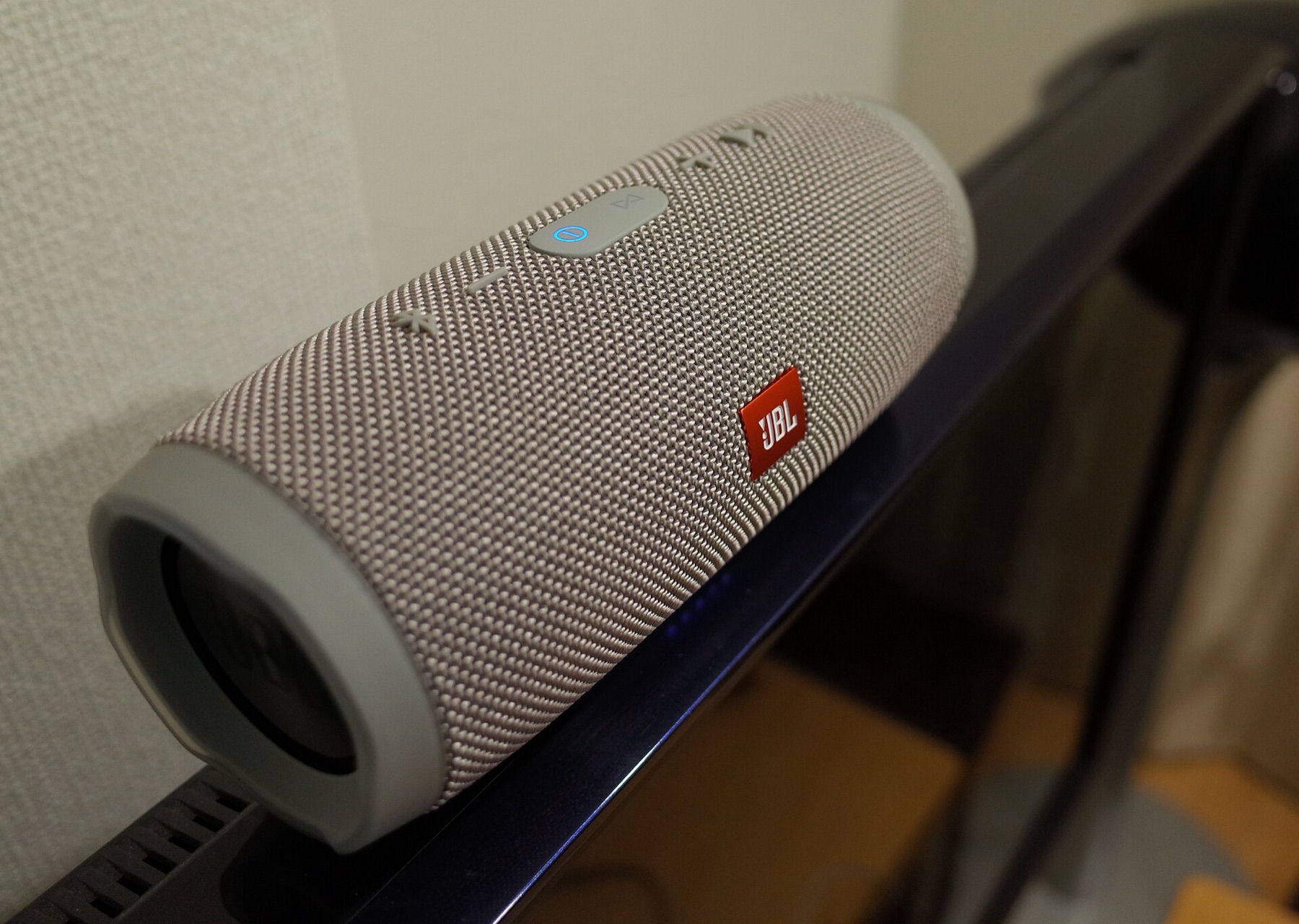
Smart portable speakers with environment control or voice assistants feel expensive in Canadian retail. DHgate’s blog suggests that buying such speakers through DHgate can significantly lower the device cost while still offering solid sound and integration options.Source
If you’re importing these as a small ecommerce business:
- Higher unit prices (say US$30–$50) give more room for tariffs, duty, and fees while still leaving margin.
- Your resale price in Canada can sit at CA$80–$150, which better absorbs cross‑border friction than an ultra‑budget CA$25 speaker.
DHgate starts to look like a “budget‑smart” channel in this tier: you’re not chasing rock‑bottom prices, you’re using the marketplace to access feature‑rich models at a lower wholesale cost than Canadian distributors often offer.
Scenario D: When another route is simpler
DHgate is a poor fit when:
- You only need one speaker and local prices are close to DHgate’s landed cost.
- You’re uncomfortable classifying products for customs or dealing with duty calculations.
- You want guaranteed fast delivery on a tight deadline.
If you’re weighing DHgate against marketplaces like AliExpress or Alibaba for speaker sourcing, DHgateWiki has a broader comparison at Compare DHgate with AliExpress, Alibaba and Temu. And if you decide DHgate is the right channel, see Find wholesale suppliers on DHgate for seller‑specific vetting and negotiation tactics.