
Breaking Down the Real Cost of Medieval Armor Sourced on DHgate to Canada
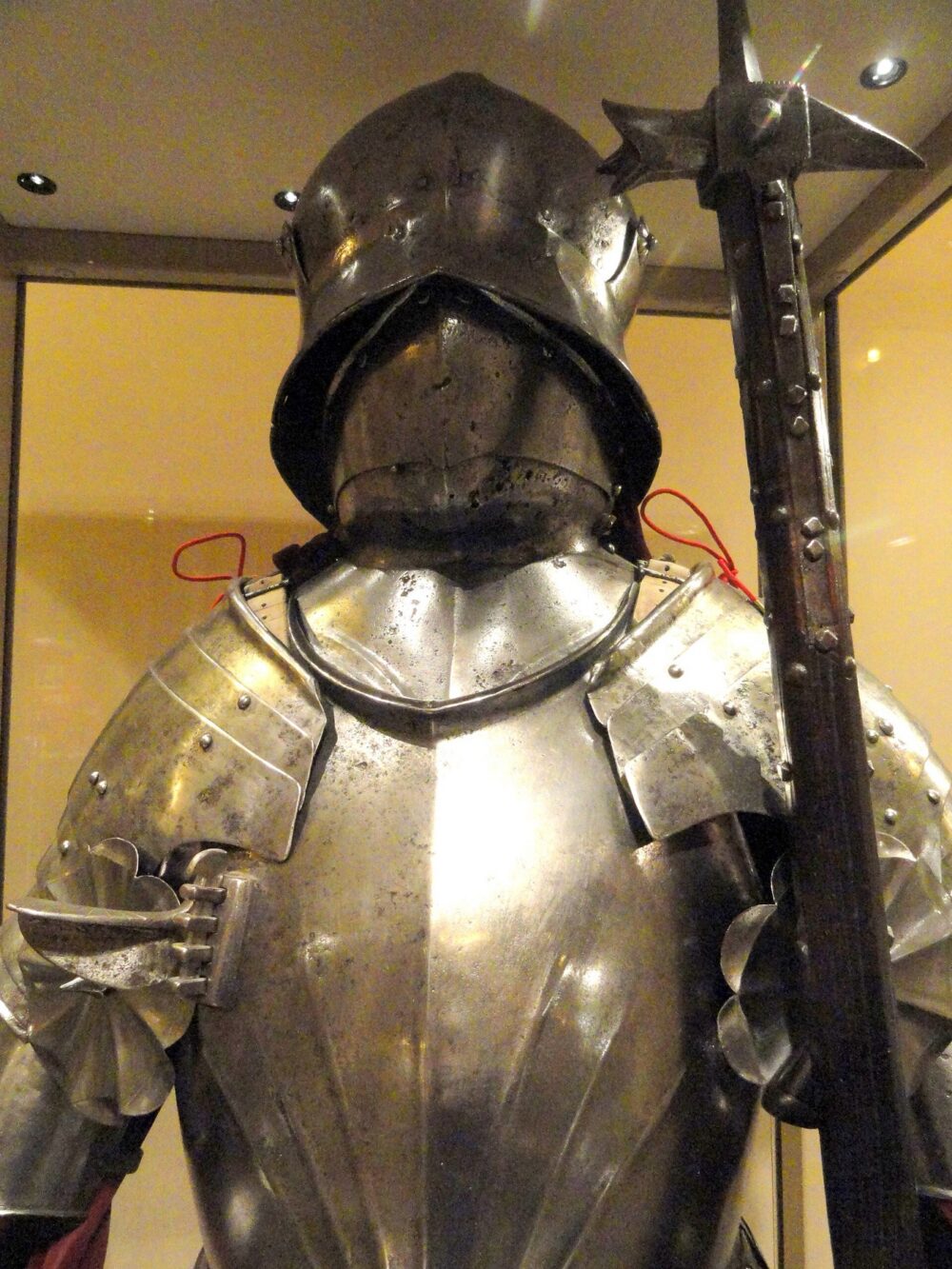
On DHgate, you’ll see medieval-style pieces (including frog‑mouth helmets and full suits) offered across a wide price range, from lightweight decorative replicas to heavier functional-looking items.How to Find Frog‑Mouth Helmet Armor on DHgate shows how broad this spread can be. That list price is only one input.
- Item price – The per-piece or per-set cost shown on the listing. Decorative helmets and prop breastplates are usually the cheapest tier; anything marketed as thicker steel or more historically accurate tends to sit higher.
- Duties, taxes, and import fees – DHgate’s duty-paid fee article urges buyers to confirm the correct product classification and check their own country’s customs laws and potential exemptions before estimating charges.Dhgate Duty Paid Fee Calculation For Canada, that means:
- Looking up how CBSA might classify metal costume armor or replicas.
- Expecting brokerage or handling fees from the carrier on top of government charges.
- Payment and currency costs – If you pay in USD to a Chinese seller, your card issuer or payment service may add FX spread or international transaction fees. DHgate’s blog stresses reviewing order totals and payment info carefully before confirming.Dhgate Payment Process
Why Armor Prices Swing: Decorative vs Functional Gear and Order Setup
The big budget lever on DHgate is intended use. Decorative armor and cosplay pieces are in a different economic universe from combat-ready equipment.
DHgateWiki’s frog‑helmet research notes how listings range from simple display pieces to more robust constructions that look closer to reenactment gear.How to Find Frog‑Mouth Helmet Armor on DHgate That same pattern shows up across cuirasses, gauntlets, and full suits.
Here’s a compact way to think about the price bands:
| Armor type | Typical DHgate positioning* | What you trade off |
|---|---|---|
| Lightweight decorative helmet | Lower-cost tier | Thin metal or non-metal, display-only |
| Cosplay set (helmet + breastplate) | Still relatively budget-friendly | Comfort over realism, limited durability |
| “Functional” replica pieces | Mid to higher tier | Unknown steel spec, no tested protection |
| Full suit marketed as battle-ready | Often much higher and closer to niche | You pay more, but still lack third-party testing |
\*Qualitative tiers based on DHgateWiki’s observed ranges, not exact prices.
Beyond the type of armor, how you set up the order matters:
- Customization – Asking for custom sizes, finishes, or logo engraving can nudge prices up and extend lead times. For cosplay shops or small e‑commerce brands, that may still be cheaper than local custom work, but only if you cost it in advance.
- Quantity and sampling – DHgate’s editorial content encourages buyers to review seller profiles and order samples before committing to larger runs.Payment Fraud Prevention Tips For armor, a single test piece is your chance to check fit, metal thickness, sharp edges, and paint quality before you import a batch for resale.
- Suspiciously low prices – DHgate’s blog, discussing shoes, warns that extremely low prices compared with similar products can signal counterfeit or low-quality goods.How to Identify Trusted Shoe Sellers on DHgate The same risk logic applies to medieval armor: if one “steel full suit” costs far less than comparable listings, assume corners are being cut.
A safety note for your budget: Treat most DHgate armor as decorative or cosplay unless independently proven otherwise. Budget savings disappear quickly if a cheap set fails under impact and you have to replace it with certified gear.
DHgate vs Specialist Armor Vendors: Where Budget Value Usually Lives
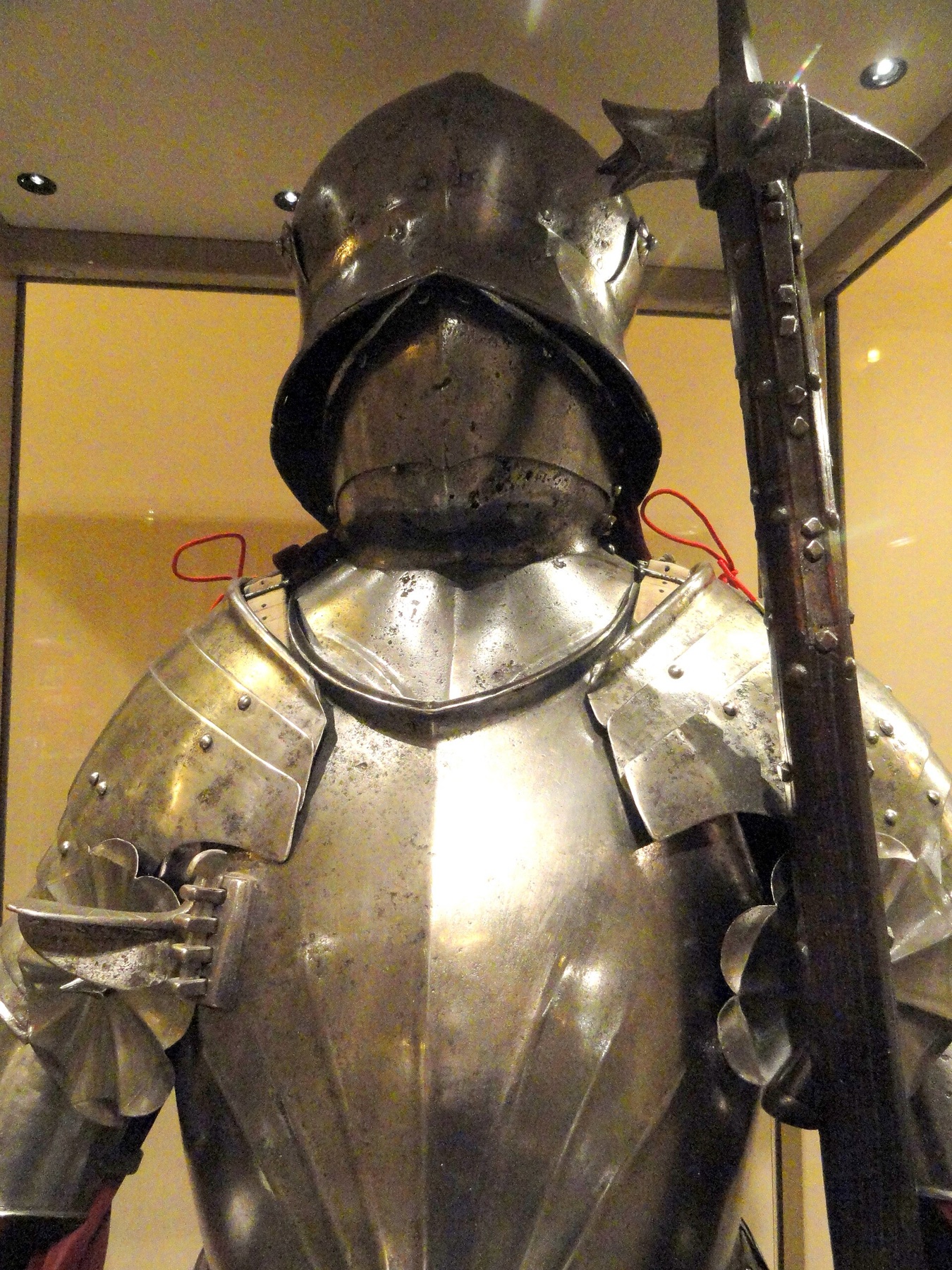
Specialist medieval armor retailers that focus on reenactment and combat gear typically price their body armor and suits significantly higher than mass‑produced replicas on general marketplaces.Medieval Armor | Knight Armor | Medieval Helmets & Shields – Armory.net Sites like Armory.net and Armory Replicas sit in that higher, more niche tier.
From a Canadian budget perspective, DHgate tends to make financial sense in a few specific scenarios:
- Small-batch resale of costume armor – A Canadian online shop that sells costume pieces might use DHgate to source a limited run of eye‑catching helmets or chest pieces, then price them with a clear margin after estimating landed costs. In this case, the focus is on looks, margin, and clear disclosure to buyers that these are decorative.
- Experimenting with new designs – Because DHgate hosts many small manufacturers, it can be a lower‑entry way to test a design concept (for example, a fantasy-style “epic” set) by ordering a sample before deciding whether to invest in specialist production.
By contrast, DHgate is often not the best budget route when:
- You need armor for full‑contact combat (HEMA, SCA, jousting, etc.). The relative premium at specialist shops is paying for experience, materials, and sometimes adherence to rule sets – and you avoid buying multiple unsafe sets.
- Your event or organization requires specific certifications or historical standards. Marketplace listings almost never come with independent testing data.
If you’re weighing DHgate against other marketplaces or wholesale channels, it may help to zoom out beyond armor and compare platforms on their overall sourcing fit. For broader marketplace cost and structure decisions, you can look at Compare DHgate with AliExpress, Alibaba and Temu and, for supply-side planning, Find wholesale suppliers on DHgate.
For any cross‑border armor order into Canada, whether from DHgate or a specialist, do a final landed‑cost sanity check using your own customs research. DHgate’s blog stresses researching classification codes and local exceptions before relying on duty‑paid fee estimates,Dhgate Duty Paid Fee Calculation and you can find Canada-focused guidance at Understand customs, tariffs and import fees. That extra half‑hour of homework often determines whether a dramatic “epic” armor set is a clever budget choice or an expensive misstep.