
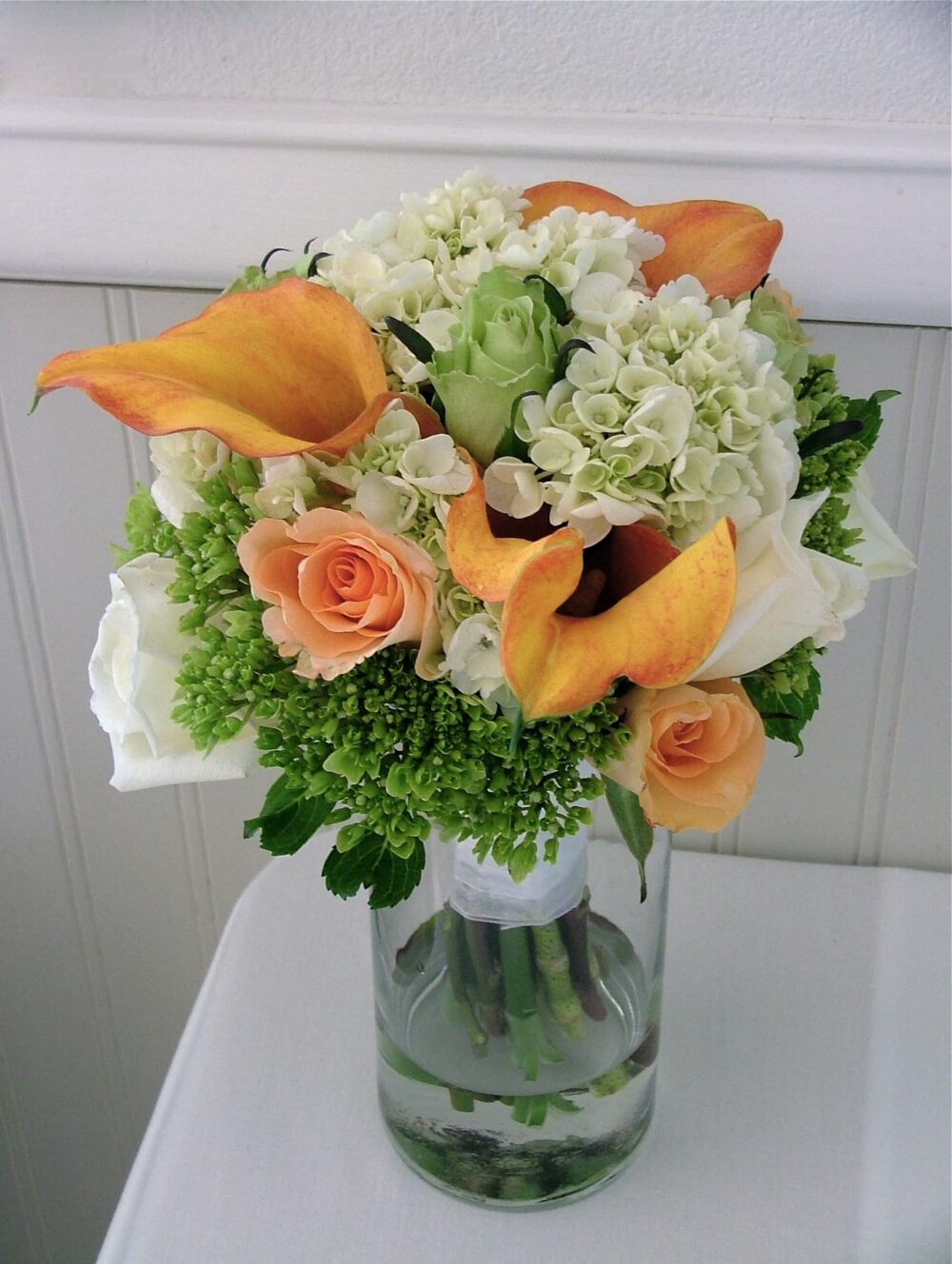
Spring wedding flowers in Canada don’t have to blow up your budget. If you keep flowers to roughly 6-10% of your total wedding spend, focus on a few high-impact arrangements, and choose seasonal or faux blooms for the rest, you can get a romantic spring look without financial regret.
For a modest spring ceremony, that might mean paying full price for your bridal bouquet and a simple ceremony arrangement, then dialing back reception centerpieces and using greenery or faux stems for filler. The smarter move is deciding which pieces really matter in photos and guest experience, and then matching your sourcing channel—local florist, DIY wholesale, or cross‑border—to the amount of work and customization each one needs.
How Much Do Spring Wedding Flowers and Bouquets Really Cost in Canada?
Most planning guides suggest flowers and decor take about 10% of the overall wedding budget, with 6-7% workable if you stay disciplined and make some tradeoffs. That guideline lines up with what Canadian florists show in their wedding pages: personal flowers, basic ceremony decor, and a simplified set of centerpieces can fit into a small but focused floral budget.
To ground this, consider a 60-70 guest spring wedding in a Canadian city:
- Overall budget: CAD$15,000–$20,000 (common for smaller urban weddings)
- Flowers at ~7%: roughly CAD$1,050–$1,400 to cover bouquets plus decor
Within that slice, typical ranges often look like:
- Bridal bouquet: roughly CAD$100–$250 equivalent, depending on flower choice and design complexity
- Bridesmaid bouquets: often simpler, so a bit lower per bouquet
- Centerpieces: about CAD$50–$150 each at a florist for medium arrangements
Prices swing based on city (Toronto vs a smaller town), the florist’s style, and how premium your flower choices are. A peony-heavy, loose garden bouquet from a boutique studio will land at the higher end; a tighter design with roses, carnations, and baby’s breath from a more value‑oriented shop will be lower.
Here’s how that might break down for a budget‑conscious spring ceremony:
| Item | Quantity | Approx. CAD allocation (editorial estimate) |
|---|---|---|
| Bridal bouquet | 1 | $150–$220 |
| Bridesmaid bouquets | 2-3 | $240–$360 total |
| Boutonnieres & corsages | 6-8 | $120–$200 |
| Ceremony focal arrangement | 1-2 | $150–$250 |
| Reception centerpieces | 6-8 | $300–$480 (mix of floral + greenery) |
This keeps you in the CAD$1,000–$1,500 range while still feeling fully “decorated.” The key is that not every table or corner needs dense blooms.
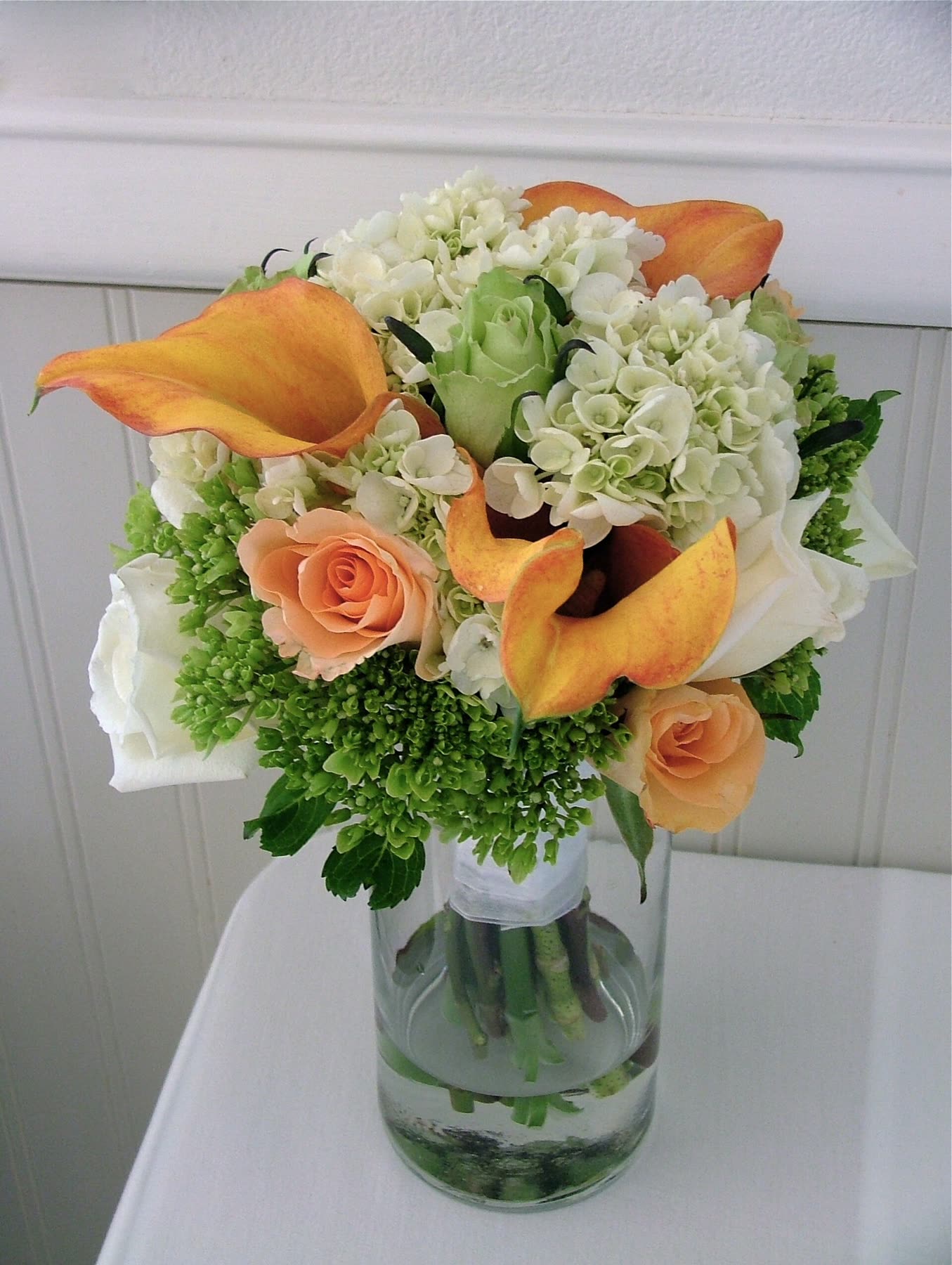
What Makes Some Spring Wedding Arrangements Cheaper Than Others?
Some spring looks cost half of what others do, even with similar guest counts. The differences usually come down to flower choice, how much greenery you use, whether you mix in faux or dried pieces, and how much labor is involved.
Seasonal vs out‑of‑season flowers
Spring gives you natural access to showy blooms like tulips, ranunculus, sweet peas, anemones, and peonies. When these are in season locally or regionally, they tend to be more affordable because they’re readily available and don’t require expensive importing. Out‑of‑season imports (say, trying to get autumn dahlias in April) add shipping and handling costs, which you’ll see reflected in the stem price and your final invoice.
A practical move: build your palette around what’s abundant in spring—tulips, peonies, and fragrant stock or lilac—then use premium roses or orchids just in the bridal bouquet. The bouquet gets the hero flowers; the rest of your arrangements lean into seasonal workhorses.
Budget-friendly blooms and fillers
Certain flowers are consistently lower‑cost relative to premium garden roses or peonies:
- Baby’s breath (gypsophila): airy filler that can bulk up bouquets, aisle arrangements, or cloud‑style installations for far less than dense hydrangea.
- Carnations: long‑lasting, available in many colors, and surprisingly pretty in modern, mono‑flower arrangements or mixed into centerpieces.
- Daisies and similar field flowers: friendly, casual, and ideal for rustic or garden themes.
Using these as fillers—or even as the main flower—can significantly cut costs while still giving volume and texture. A centerpiece that’s 60% carnations and baby’s breath and 40% roses will look lush but land more softly on your bill.
Greenery, faux, and dried: strategic mixing
Greenery like eucalyptus and ferns often costs less per stem than large blooms and can fill out arrangements beautifully. A greenery‑heavy tablescape with a few focal flowers per arrangement may run cheaper than full floral centerpieces on every table.
Faux and dried options are another lever:
- Faux (silk or soft‑touch) stems are useful for arch decor, chair markers, or installations that need to be assembled far in advance or reused.
- Dried flowers can create a boho or rustic feel and are often less expensive than fresh equivalents, especially in bulk.
One workable mix for a budget Canadian spring wedding could be:
- Fresh bouquet and boutonnieres (for scent and photos)
- Fresh ceremony arrangement that later moves to the reception
- Faux or dried stems in secondary decor: bar arrangements, guest book table, washroom baskets
You keep fresh flowers where guests interact most and cut spend where they’re mainly background visuals.
DIY and labor tradeoffs
Buying loose stems in bulk from wholesalers or online retailers and arranging them yourself generally lowers the per‑stem cost. The tradeoff is labor, skill, and risk.
DIY makes more sense if:
- You’re comfortable with basic arranging
- You have a small wedding or only a few centerpieces
- You can set aside a prep day close to the ceremony and have chilled storage
The bigger the event and the more complex the designs (cascading bouquet, hanging installations), the more a professional florist’s labor and logistics become worth paying for.
Choosing a Sourcing Channel and Stretching Your Flower Budget
Once you know what you want and roughly what it costs, the next decision is where to buy: a local florist, Canadian wholesale or online sources, or cross‑border marketplaces.
Local Canadian florists
A full‑service wedding florist in Canada typically offers design consultation, on‑site setup, and sometimes teardown. Sites like Floret and Flower Company’s wedding page show the standard mix: bridal bouquet, bridal party florals, ceremony pieces, and reception decor.
Local florists are usually the best fit if:
- You want cohesive design and minimal stress
- Your ceremony and reception need on‑site installation (arches, hanging arrangements)
- You have room in your budget for labor as well as stems
To save with a florist, prioritize: splurge on your bouquet and one ceremony focal point, then request simpler centerpieces (more greenery, fewer premium blooms) and repurpose ceremony pieces into the reception.
Canadian wholesale and online flower retailers
Wholesale flower markets and online bulk retailers suit couples willing to DIY or semi‑DIY. You might buy buckets of seasonal stems and then hire a freelancer or enlist friends to do the arranging.
This route can:
- Lower per‑stem costs, especially for standard roses, carnations, and greenery
- Work well for simple centerpieces or bud vases
But you take on:
- Timing risk (delivery delays close to the wedding are stressful)
- Storage and conditioning (flowers need water, trimming, and cool temperature)
A hybrid model is popular: you order bulk stems for centerpieces and bar decor, and you still commission a professional bridal bouquet and key ceremony pieces from a florist.
Cross-border marketplaces and decor sourcing
For Canadian buyers, cross‑border platforms matter more for decor than for fresh flowers, because shipping times and customs can be unpredictable for perishable goods.
Marketplaces like DHgate are more relevant if you’re sourcing bulk faux flowers, greenery garlands, or decorative elements (chair sashes, ribbon, vases) rather than fresh stems. In that case, they can help you:
- Access a wide variety of artificial blooms and garlands at lower unit costs
- Buy in large quantities for arches, backdrops, or photo booth decor
If you go this route, keep it careful:
- Check seller reviews and photos closely
- Read material descriptions (polyester vs higher‑quality silk, UV‑resistant, etc.)
Use cross‑border sourcing where delays or variation won’t ruin the day—backdrops, ceiling decor, or faux garlands—while leaving time‑sensitive, high‑impact pieces to local florists or Canadian suppliers.
For small ecommerce businesses that sell wedding decor, this split is similar: source fresh florals locally or through domestic wholesalers, and consider cross‑border platforms only for faux stems and non‑perishable accessories. If you’re comparing marketplaces, this overview of DHgate vs AliExpress, Alibaba and Temu is useful context.
Quick budget levers to keep a spring look affordable
If you need to pull the budget down without losing the spring vibe:
- Lock flowers at 6-7% of the wedding spend and design to that number instead of letting add‑ons creep.
- Anchor everything in seasonal spring blooms (tulips, peonies, ranunculus) and avoid chasing out‑of‑season imports.
- Use budget flowers and greenery—baby’s breath, carnations, daisies, eucalyptus—to add volume in centerpieces and aisle decor.
- Mix fresh and faux strategically, with fresh for personal flowers and ceremony focal points, faux/dried for far‑view decor.
- Choose the right channel per item: local florist for high‑touch, visible pieces; DIY or bulk for simple tables; cross‑border only for non‑perishable decor.
Handled this way, wedding flowers and bouquets stay a highlight of your spring ceremony rather than the line item that forces you to cut guests—or skip the honeymoon.