
Indian men’s sandals can be very cheap or surprisingly expensive once you ship them into Australia. A mass-market synthetic pair from brands like Walkaroo or Uniteds will usually sit at the budget end, while a handcrafted leather Kolhapuri chappal or Jutti-style sandal can cost several times more before you even add freight or duties. For personal buyers and small ecommerce sellers, the real budget question is: what style do you want, and which channel keeps the total landed cost under control?
Indian men’s sandals span traditional heritage designs such as Kolhapuri chappals and Juttis, often handcrafted in leather, and modern comfort lines from brands including Walkaroo, Neeman’s, Uniteds and Liberty.Kolhapuri overview and Jutti overview show the typical leather, handwork and cultural roots of these styles. Modern brands list synthetic and leather sandals for men on their own sites, like Walkaroo’s men’s sandals, Neeman’s, Uniteds and Liberty, generally positioned at budget and mid-range price points.
What actually drives the total cost of Indian men’s sandals for Australian buyers
Your landed cost is more than the price tag on Flipkart or a brand site. For Australia-bound orders, it typically breaks into four buckets:
- Product price tier – heritage vs mass-market vs comfort brands.
- International shipping – courier vs postal; single-pair vs carton.
- Customs, duties and GST – triggered by value thresholds and product type.
- Currency and platform fees – FX spread, payment processing, marketplace charges.
Traditional Indian sandals like Kolhapuri chappals are usually made from genuine leather with hand-cut and braided straps and stitched soles.Kolhapuri overview That craftsmanship commands more labor and often more leather per pair than a molded synthetic sandal. Heritage-focused shops such as Juttiesmaker’s men’s Kolhapuri collection and listings for GI-certified leather Kolhapuris on sites like Umedmart illustrate the kind of detail and materials that push base prices up.
Modern Indian brands vary widely. Walkaroo and Uniteds lean into synthetic uppers and EVA-type soles in many men’s sandals, keeping costs lower. Neeman’s and Liberty add cushioned footbeds, leather straps or more structured designs for everyday wear.Neeman’s men’s sandals and Uniteds men’s sandals show this mix of materials. Those differences in materials and construction sit at the core of your starting price before you touch shipping.
Why some Indian men’s sandals cost more: product, MOQ, and timing
Two sandals that look vaguely “Indian” can sit in very different cost brackets. The reasons usually come down to materials, brand positioning and how they’re made.
Handcrafted heritage sandals typically:
- Use genuine leather for uppers and soles.
- Rely on hand cutting, punching and stitching rather than factory automation.
- Are produced in smaller workshops with limited daily output.
This combination means more labor per pair and more raw material, which usually pushes the unit price up versus mass-produced synthetic sandals.Juttiesmaker’s Kolhapuri range and Umedmart’s genuine leather Kolhapuri listing show how “genuine leather” and “handcrafted” are part of the core pitch.
Modern brands play across tiers. On Walkaroo’s men’s sandals, you’ll see molded soles and synthetic straps aimed at affordable daily wear. Liberty’s Sprint254 adds more structure and styling, nudging into mid-range pricing. Neeman’s markets cushioned, everyday sandals with comfort and discounts highlighted on their men’s sandals page, again reflecting a slightly higher positioning.
For small ecommerce buyers, MOQ (minimum order quantity) and seasonality quietly change your per-pair economics:
- If a workshop insists on small-batch runs (for example, 20-30 pairs in mixed sizes) for heritage leather styles, your upfront cash outlay jumps, but your per-pair shipping cost drops when you ship them together.
- Mass-market synthetics from retail platforms can be bought one pair at a time for testing, but freight per pair is high and margins thin.
- Demand spikes around Indian festive seasons can limit workshop capacity, lengthen lead times, or nudge prices up as artisans get busy.
A practical approach is to test consumer appetite with cheaper synthetics or mid-range comfort brands, then layer in a small, curated line of handcrafted Kolhapuris or Juttis once you know they will sell through in Australia.
Visual example: heritage construction vs budget molded soles
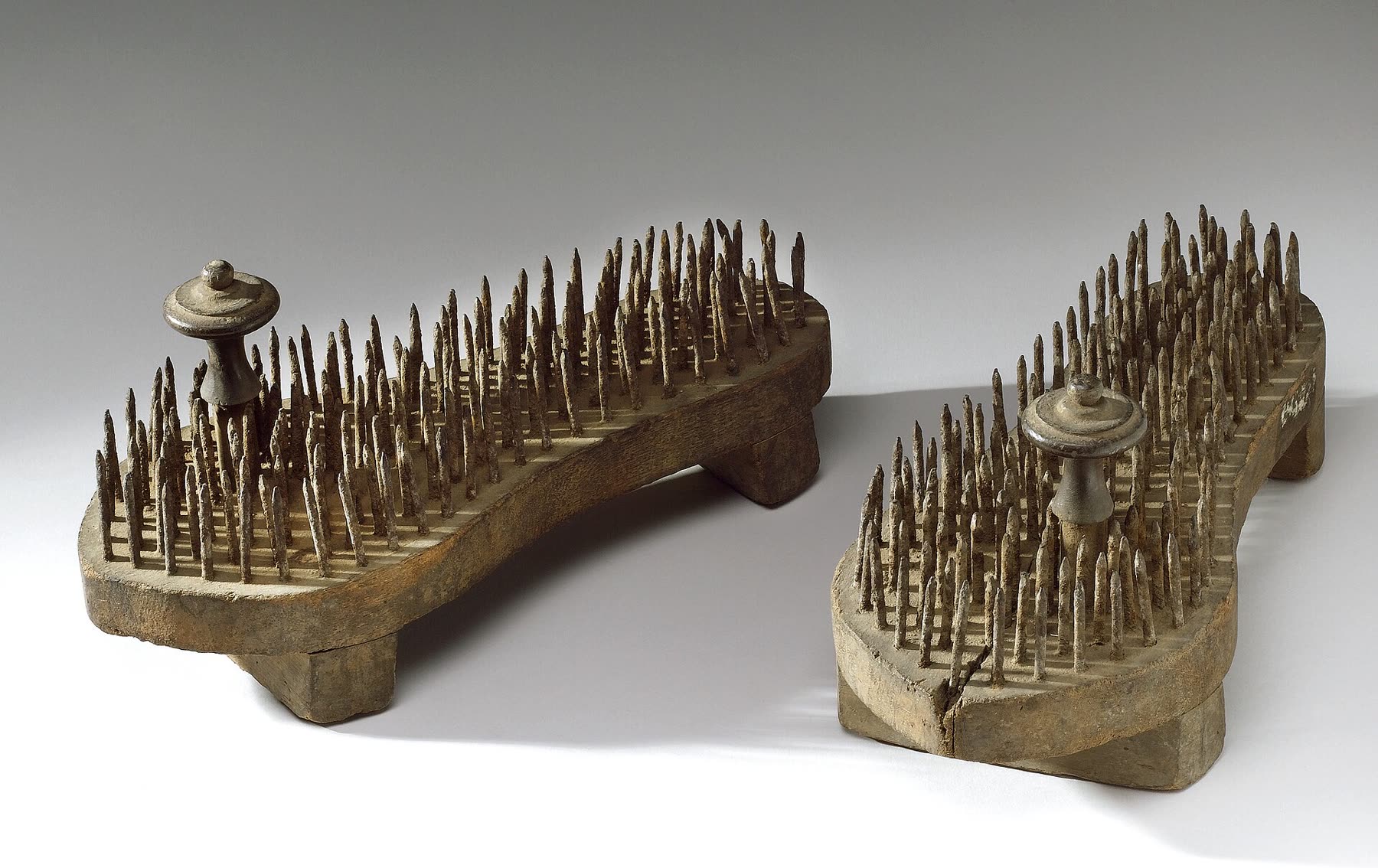
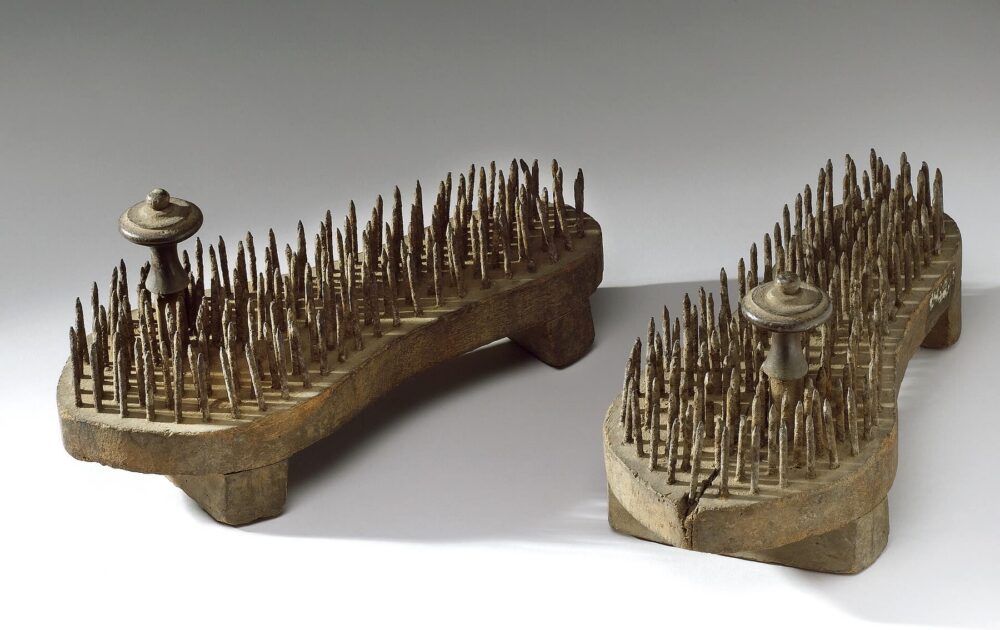
The image above shows historic Indian sandals with intricate construction. While not a commercial Kolhapuri, it gives you a sense of how artisanal, non-molded footwear can be more labor-intensive than modern synthetic sandals from brands like Walkaroo or Uniteds.
Choosing the right sourcing channel and cutting costs without killing quality
Once you know the style tier you want, the next decision is channel. Indian men’s sandals appear across several platform types, and each handles cost and convenience differently.
- Indian retail marketplaces – Sites such as Flipkart’s Peshawari/ethnic sandal listings and Myntra’s men’s slip-on sandals category offer huge variety, from budget synthetic sandals to fashion-forward designs. They’re ideal for browsing and spotting brands, but they’re primarily tuned to Indian domestic shipping. Many sellers don’t quote export freight or understand Australian import needs, so you may need a freight forwarder.
- Direct brand and boutique sites – Brands like Walkaroo, Neeman’s, Uniteds and Liberty sell men’s sandals directly on their own sites.Walkaroo, Neeman’s, Uniteds, Liberty This route gives you predictable product quality and clear materials information. Some will ship internationally; others will require you to arrange your own logistics. For a small reseller, starting with one or two brands via their sites can simplify sizing and returns, but you’ll still need to budget for international freight and potential import duties.
- Global marketplaces for Indian-style sandals – Indian-style men’s sandals, including heritage and fashion interpretations, show up on platforms like Etsy’s Indian men’s sandal category. Many sellers already ship worldwide, so rates and options are clearer. Prices often reflect both craftsmanship and export-friendly shipping baked into the listing.
Here’s a compact way to think about your options:
| Channel type | Typical strengths for Indian men’s sandals | Budget watch-outs for Australia-bound orders |
|---|---|---|
| Indian retail marketplaces | Huge variety, low domestic prices, good for brand discovery | Many sellers domestic-only; export shipping and duties unclear |
| Direct brand/boutique sites | Clear materials and brand quality; good for repeat sourcing | International shipping may be limited or pricey |
| Global craft marketplaces | Ready-to-export heritage and fashion styles (e.g., Etsy) | Higher base prices; artisan markups plus shipping |
| Cross-border marketplaces | Budget-friendly sandals listings across global sellers (e.g., DHgate) | Quality and origin vary; per-seller checks needed |
Practical ways to keep your sandal budget under control
You can’t change Australian tax rules, but you can control how you buy. These tactics help small orders and micro-brands avoid nasty surprises:
- Pick your hero styles carefully. Use platforms like Flipkart and Myntra for research to see which styles (Peshawari, Kolhapuri, casual slip-ons) get traction, then source a narrow range from one or two brands or workshops to keep complexity down.
- Balance heritage and volume. Make handcrafted leather sandals a premium line with limited SKUs, and build your main business on more forgiving synthetics or comfort brands like Walkaroo, Neeman’s, Uniteds or Liberty. This keeps average unit cost and risk manageable.
- Bundle shipments. For resale, avoid drip-feeding single pairs. Consolidating 20-50 pairs into one carton usually reduces per-pair freight compared with lots of small parcels, even if the overall invoice is higher.
- Check shipping and duties before you commit. Before placing a big order, price out courier vs postal options and ask the seller to confirm packaging weight and dimensions. Then review Australian import rules or talk to your broker; don’t assume “cheap sandals” stay cheap after customs.
- Watch FX and platform fees. Paying in rupees or US dollars from Australia adds currency spread and sometimes payment-processor fees. A slightly higher list price from a seller that offers transparent international shipping can beat a domestic-only listing once you add these costs.
For some buyers, the right answer is a single pair of Kolhapuri sandals bought through an export-ready seller on Etsy. For others, it’s a carton of Walkaroo or Uniteds sandals sourced directly from the brand and freight-forwarded into Australia. The best value comes from matching the style tier to your market, picking a channel that genuinely supports cross-border orders, and counting every cost between the Indian price tag and your Australian doorstep.