
You’ll spend very differently on bonnet vents versus a full carbon fibre hood. Compact vents are relatively cheap to ship and simple to fit; the real bill lives in paint and minor cutting. A complete carbon bonnet is a large, fragile panel: the part itself costs far more, international freight can rival the item price, and professional installation is almost mandatory. If you’re in Australia and working to a budget—whether that’s a single street car or a small online store—start by deciding if you genuinely need a whole hood, or if well‑placed vents give you most of the airflow and styling for a fraction of the landed cost.
In Australian English the engine cover is the bonnet; US sources call it a hood.Source Bonnet vents are openings or scoops in that panel, usually designed to improve airflow through the engine bay and add a more aggressive front‑end look.Source Carbon fibre bonnets often integrate vents and save weight compared with steel, but they sit in a different price and risk bracket than simple drop‑in vent pieces.
How Cost Breaks Down for Bonnet Vents vs Carbon Fibre Hoods
For Australian buyers, the total cost isn’t just the part price—it’s part + freight + customs + installation. The split looks very different for vents vs full bonnets.
Typical cost structure
| Cost component | Bonnet vents (hood vents) | Carbon fibre bonnet / hood |
|---|---|---|
| Part itself | Small, often sold as pair or kit; mid‑range pricing from tuning shops | Large, premium panel; positioned as high‑end upgradeSource |
| Shipping | Relatively light and compact; fits in parcel networks easilySource | Bulky freight; needs careful packing, higher risk and cost |
| Customs & import | Duty/GST still apply, but on a lower customs value | Higher declared value; duties/GST add noticeably to budget |
| Installation | Cutting and fastening; usually cheaper labour | Alignment, latch/strut setup, sometimes painting; bodyshop labour adds significantly |
Vent kits from Australian retailers like CT AutoParts or global shops such as DriftShop illustrate this compact profile: the parts are small enough to go by regular parcel and are often marketed as straightforward styling and airflow upgrades.SourceSource Full carbon bonnets from specialists such as EU‑Tuned are treated as premium, high‑value items, typically aimed at performance models from BMW, Audi or Porsche and priced accordingly.Source
From a budget perspective in Australia, that means:
- Individual buyer: vents keep your total landed cost mostly under control. Even with international shipping, you’re rarely paying more freight than the parts are worth. A carbon bonnet, by contrast, can leave you paying close to the part value again in freight and fitment.
- Small ecommerce business: vents are viable as repeat inventory—you can stock multiple part numbers without blowing out storage or freight. Full bonnets quickly tie up capital, demand more careful warehousing, and are harder to ship domestically once sold.
What Actually Drives the Price: Materials, MOQ, Fitment and Shipping Choices
Bodywork is one of those categories where material choice and fitment complexity swing the budget massively.
Materials and how they affect your spend
Industry guides on custom bodywork stress three common materials: fiberglass, polyurethane, and carbon fibre.Source
- Fiberglass: Usually the budget option for larger panels. Cheaper to produce, reasonably light, but more prone to cracking if stressed. Good for price‑sensitive bonnets, less common for small vents where weight isn’t critical.
- Polyurethane or similar plastics: Flexible and durable, often used for styling vents and scoops. Middle‑of‑the‑road pricing, easy to ship.
- Carbon fibre: Light and strong and typically marketed as the premium choice. Carbon vents and bonnets command higher prices; the material cost and finish quality drive this. CT AutoParts’ carbon bonnet vent range is a local example of that premium positioning.Source
If you’re budget‑constrained, a smart compromise is polyurethane or ABS vents on a factory bonnet, reserving carbon fibre for high‑value builds or hero cars where the weight saving and look justify the extra cost.
Model‑specific vs universal parts
Shops like DriftShop list a mix of model‑specific and universal vents.Source Model‑specific parts tend to sit higher in price because the tooling and patterns are designed around one bonnet stamping. Universal vents can be cheaper and easier to carry as inventory, but they push more fitment work onto the installer—cutting, trimming and sealing.
For a small Australian store, that trade‑off matters:
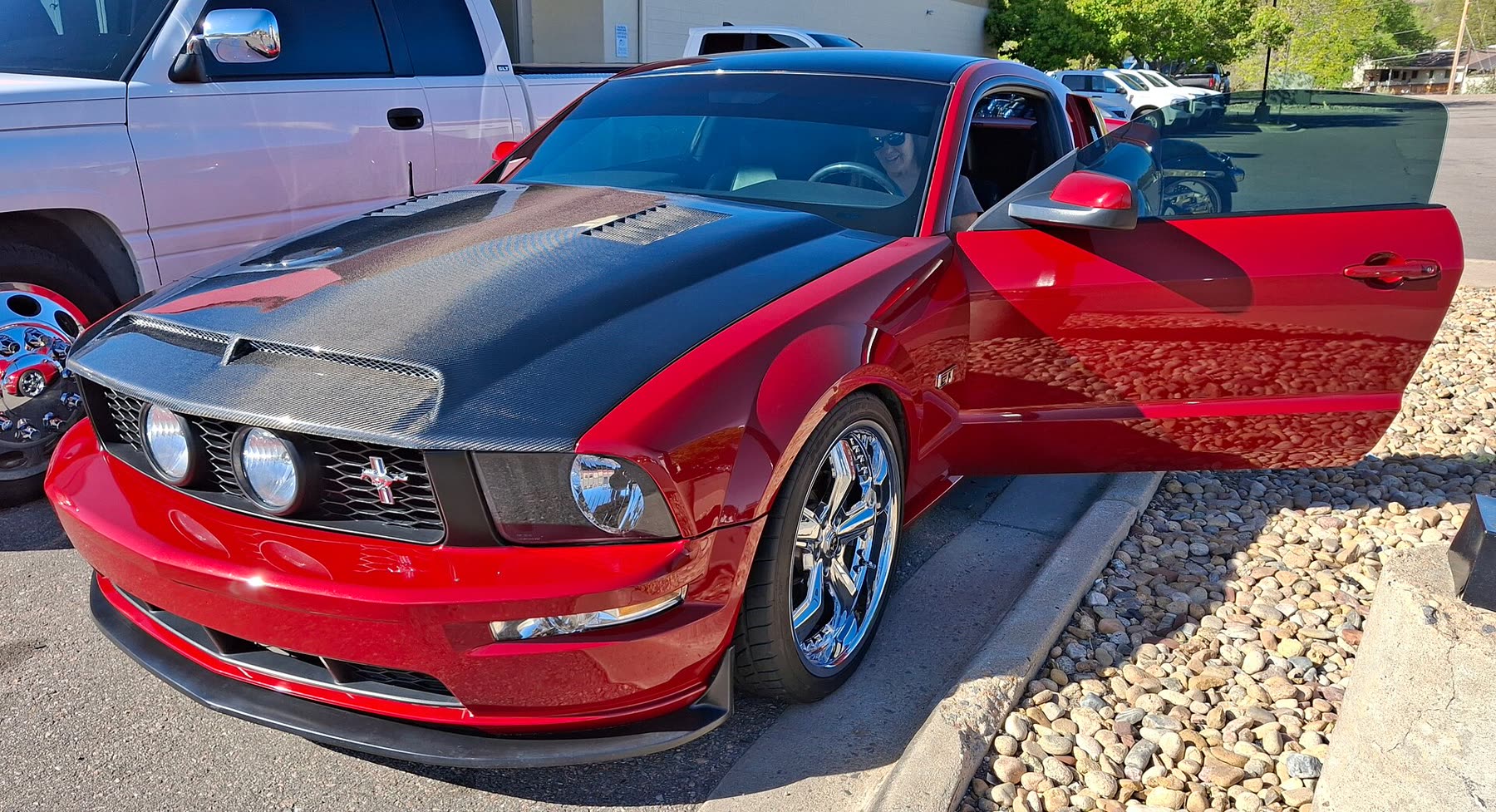
- Stock model‑specific vents for common local platforms (WRX, Hilux, Mustang, Commodore), where buyers expect clean fitment.
- Use universal designs for broad styling appeal at lower cost, but be clear in your product copy that professional installation or custom cutting is likely.
Shipping method choices
Global accessories sites such as CARiD’s hood vents section underline that vents ship much more practically than full hoods: they fit into standard cartons, work with mainstream couriers and need less protective packaging.Source
For Australian buyers, the practical choices are:
- Small parcels (vents): cheaper, faster, and less paperwork. Works well for cross‑border orders.
- Freight for bonnets: pallet or oversize freight, higher risk of transit damage, stricter delivery windows. The extra packaging and insurance add to your landed cost.
If you’re on the fence between another cosmetic mod and a bonnet upgrade, treat shipping as part of the performance decision: a light carbon vent kit can deliver some airflow benefits without forcing you into high‑stakes freight.
Choosing a Sourcing Channel and Trimming Total Landed Cost
You’ve roughly decided between vents and a bonnet; the next question is where to buy from. For Australian shoppers and small ecommerce operators, three broad channels make sense: local tuners, global retailers, and marketplaces.
Local and regional performance shops
Australian‑based stores (for example CT AutoParts for vents or Mustang‑focused shops for bonnets) give you:
- Pricing already in AUD with GST visible.
- Stock curated for cars that are actually common here.
- Faster shipping and easier returns than most cross‑border paths.
You’ll often pay a bit more per part than the cheapest overseas listing, but for a large, fragile bonnet that local price can actually be cheaper in total once you factor in avoided freight drama.
Global tuning retailers
European and Japanese specialist retailers like EU‑Tuned or DriftShop’s vents catalogue are useful when you’re chasing specific styles or platforms that AU shops don’t cover.SourceSource
Here, the cost control moves are:
- Favour vents and smaller parts for cross‑border orders; they’re far more forgiving on shipping.
- Avoid speculative bonnet imports unless you’re confident in fitment patterns, willing to pay professional installation, and clear on customs and GST. If you’re unsure on import charges, read a neutral guide such as Understand customs, tariffs and import fees and apply the same logic to any overseas tuning purchase.
Marketplaces (including DHgate) for smaller items
For compact items like bonnet vents, generic scoops and trim pieces, large marketplaces can be useful price‑discovery tools. DHgate is one example among others: it aggregates many independent sellers offering vents in plastic or carbon fibre, often at aggressive prices.
If you explore that path, treat it as a parts‑only channel and keep your checks seller‑specific:
- For each listing, look closely at material description, photos, and any mention of model‑specific vs universal fit.
- Compare several offers and be realistic that customs, GST and local installation will still apply.
For full bonnets and high‑ticket panels, most Australian buyers are better served by specialist tuners or local shops, even if the sticker price looks higher, because the overall risk and freight equation is kinder.
Practical Ways to Keep Your Bonnet Upgrade on Budget
Whether you’re buying for yourself or planning stock for a small store, a few grounded tactics help keep the numbers sane.
1. Decide on performance vs styling upfront. If you mainly want the look, a vent kit on the stock bonnet or a fiberglass panel can free up budget for other mods. If you genuinely need weight savings and heat management, that’s where carbon fibre earns its keep—but be honest about the gain you’ll actually use.
2. Treat installation as part of the price. Cutting a bonnet for universal vents or aligning a new hood isn’t trivial. Get ballpark labour quotes from a local bodyshop before you commit; sometimes a slightly more expensive, model‑specific vent set saves you installation hours.
3. Batch purchases for reselling. As a small ecommerce business, importing multiple vent kits in one shipment can spread freight and customs across more units. Bonnet panels are harder to batch because of size and storage needs, so they often make more sense as occasional, pre‑sold specials rather than everyday inventory.
4. Time upgrades around other paint/bodywork. If your car already needs front‑end respray or panel work, that’s the cheapest moment to add a bonnet or vents—paint and labour are already in play. The same logic applies to customer cars if you’re running a shop.
Finally, keep one simple rule in mind: vents are a low‑risk way into bonnet upgrades; full carbon hoods are a high‑commitment choice. Build your budget, channel, and installation plan around that reality and you’ll avoid the classic mistake of chasing the cheapest part price while ignoring the costs that actually bite in Australia.