
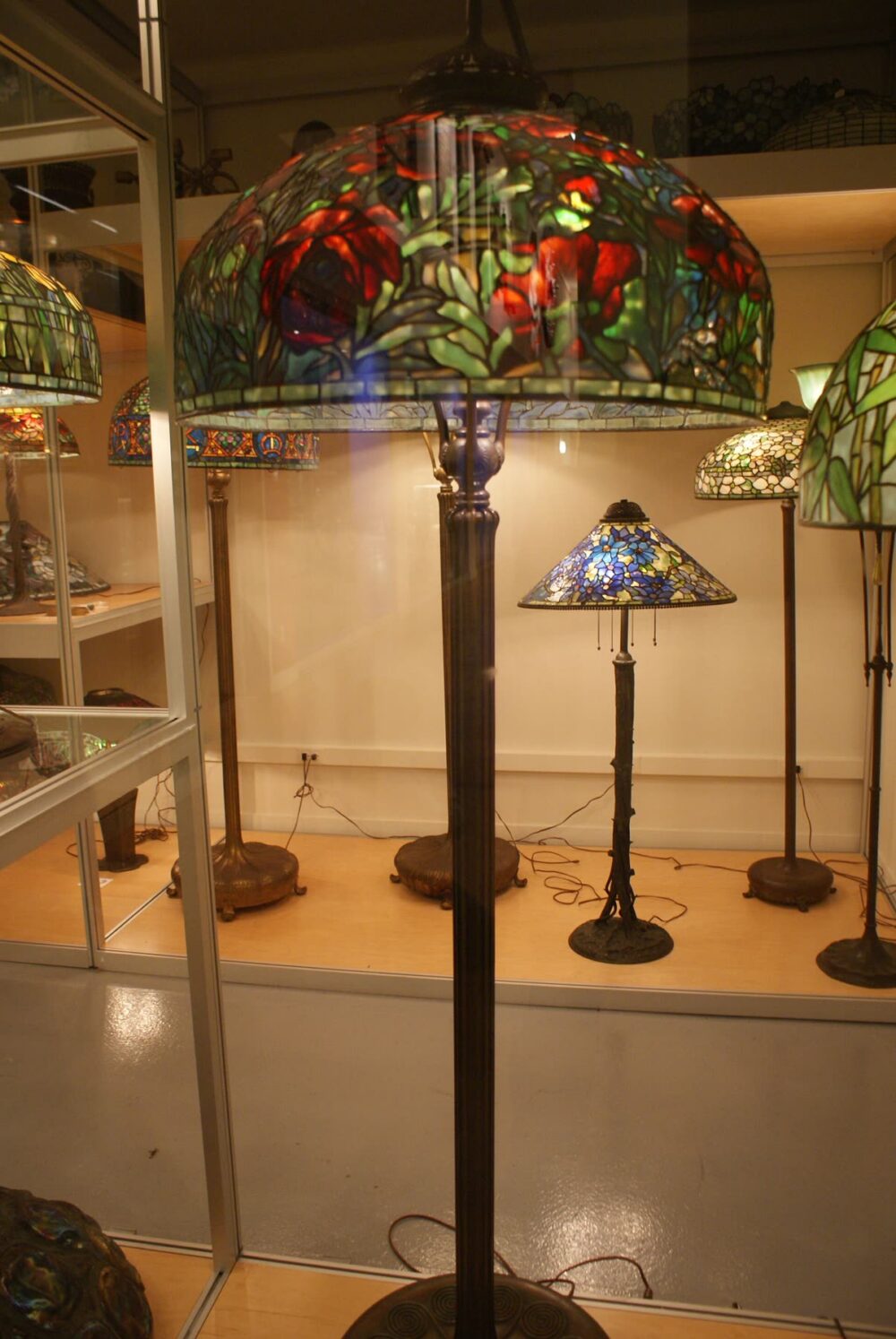
Whimsical lamps and floor lamps absolutely can be affordable online. Simple novelty table lamps, galaxy projectors, and many stained glass styles are often in the roughly $20–$100 range, while more elaborate statement pieces climb into the hundreds. The total you pay depends far less on the “fun” factor and far more on size, materials, complexity of the design, and how you source them (domestic retail vs cross-border marketplaces vs handmade or vintage).
This guide focuses on keeping that playful look while staying on budget—whether you’re buying one lamp for your living room or stocking a small online shop.
What Do Whimsical Lamps and Floor Lamps Really Cost?
For budget planning, it helps to think in bands rather than a single “average” price.
Common table-top whimsical lamps These include animal-shaped bedside lamps, cartoon or game-themed desk lamps, galaxy lamps, and small stained-glass pieces.
- Mass-market novelty and galaxy lamps sold online often sit around the $20–$100 band, with mid-range pieces using better LEDs and sturdier bases. Some can be higher, but that range covers a lot of options.
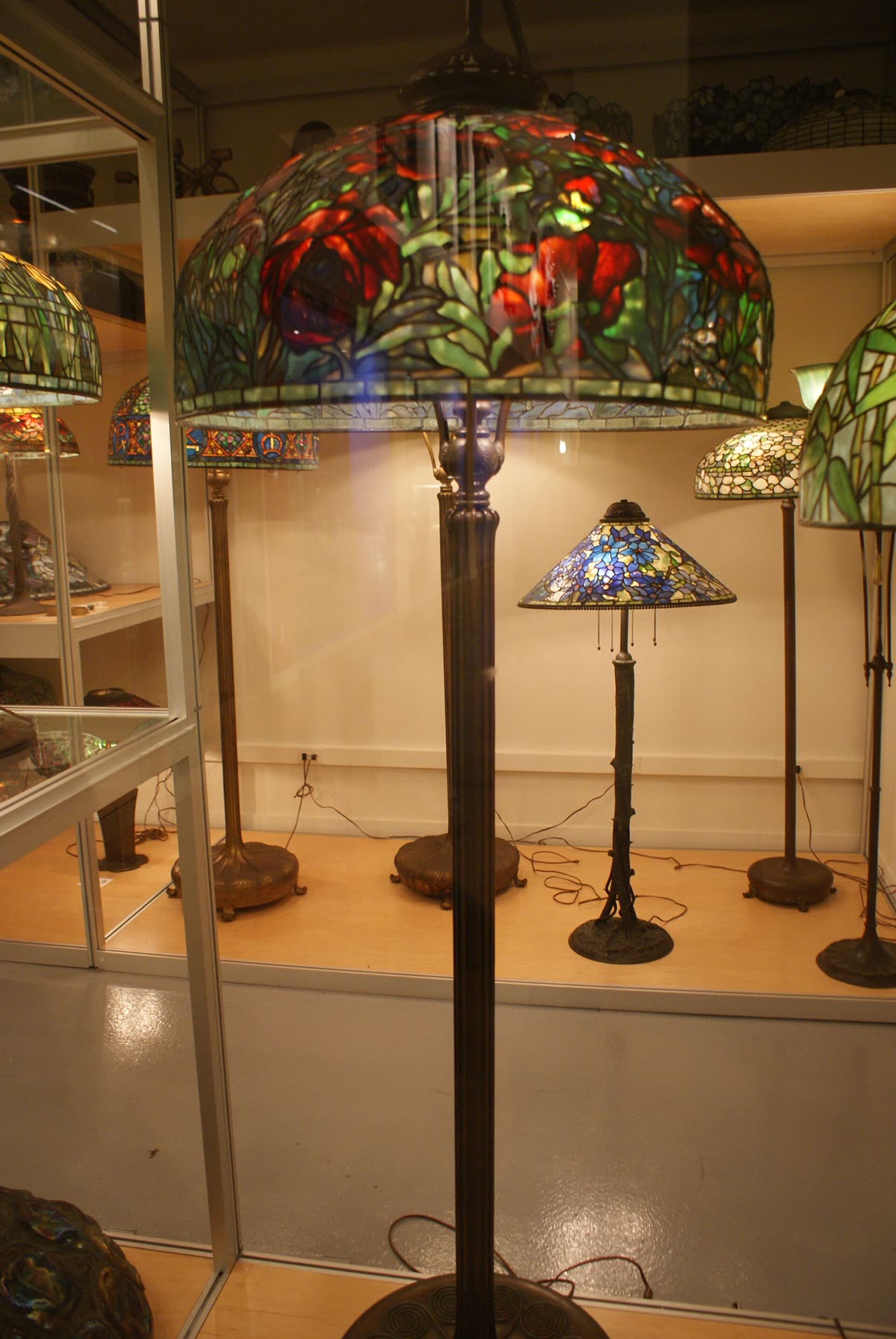
- Stained glass lamps can be more accessible than many buyers assume. One editorial overview on stained glass lighting explains that many stained-glass lamps are available for about $50 or less, while high-end or large floor models reach into the hundreds or more, mainly because of their size and complexity (DHgate stained glass lamps guide).
Whimsical floor lamps Floor lamps cost more because they use more material and have to be structurally stable.
- Decorative glass floor lamps from home decor chains and lighting retailers appear across several tiers: budget-friendly styles, mid-range designer looks, and high-end art pieces. An editorial guide to glass floor lamps illustrates this spread, noting example products for tight, mid-range, and statement budgets without claiming exact store-wide prices (DHgate glass floor lamp overview).
- Hand-crafted, one-of-a-kind floor lamps with stained glass, sculptural bases, or artisan shades can easily reach the “several hundred dollars and up” territory.
Where online listings cluster Guides to galaxy and novelty lamps point out that large marketplaces and specialty shops list many playful designs from around $20 up to $100+ for table lamps and decorative pieces, with bigger or more elaborate floor models stretching higher (galaxy lamp shopping guide). That gives a realistic sense of where most budget shoppers and small resellers will be competing.
Why Some Whimsical Lamps Are Cheap and Others Cost a Fortune
A whimsical look doesn’t automatically mean high cost. These drivers matter more:
1. Size and Design Complexity
Smaller table lamps with straightforward shapes—say a simple mushroom, a single animal, or a basic galaxy projector—generally stay cheaper than tall floor lamps or multi-part designs.
Stained glass is a good example: editorial guides note that a compact lamp with fewer glass pieces and a simple pattern tends to be much more affordable than a large, multi-color design that uses many cut panes (stained glass lamp affordability discussion). The same logic applies to ceramic and resin lamps—sculptures with lots of detail take more labor.
2. Materials and Durability Tradeoffs
Materials change both price and how long the lamp will hold up:
- Glass and stained glass: Visually striking and often used in whimsical floral or underwater scenes. Higher-quality glass and complex patterns typically push prices up, but there are budget options that use simpler designs or alternative materials that mimic glass.
- Ceramic: Common for animal and character lamps. It feels substantial and tends to hold detail well, but complex sculpting and glazing can add cost.
- Resin: Often cheaper than ceramic while still allowing lots of detail—good for budget-friendly animal or fantasy themes. Some resins may yellow or chip more easily over time, so there’s a durability tradeoff.
- Plush/fabric: Used for cute animal lamps and kids’ designs. These may be lower-cost and emotionally appealing but are more vulnerable to stains and wear.
An editorial feature on animal-inspired lamps highlights exactly this spread, describing plush, ceramic, and resin bodies as different ways to balance whimsy, feel, and price (animal-themed lamp materials overview). You’re basically choosing where you want to spend: materials that look premium, or materials that keep the price—and the risk—lower.
3. Handmade, Vintage, or Designer Status
Handmade or branded lamps add labor and scarcity costs.
- Independent makers on craft platforms offering bespoke stained glass, sculptural resin, or intricate fabric shades will price higher than mass-market factories.
- Vintage or antique whimsical lamps—like old figurative floor lamps or art-glass shades—may be more expensive because they’re collectible, even if the materials aren’t exotic.
- Designer labels from specialty lighting retailers often push whimsical styles into mid- and high-end budgets, particularly for glass floor lamps that double as art objects.
4. Quantity and Cross-Border Shipping (For Resellers)
If you’re a small ecommerce seller, total cost isn’t just the sticker price.
You’ll need to think about:
- Order quantity: Per-lamp pricing usually gets better in bulk, but tying up cash in inventory increases risk if the design doesn’t sell.
- Shipping method: Ocean freight vs air, domestic ground vs international courier—each changes your per-unit landed cost.
- Import duties and taxes: These vary by product type and destination. Lamps made largely of glass or ceramic may fall under different tariff lines than plastic novelty pieces; you’ll want to model “all-in” costs before you commit.
If you’re new to cross-border buying, it can help to read general explanations of customs, tariffs, and import fees so you’re not surprised by charges that arrive after checkout.
Choosing the Right Channel and Keeping Your Lamp Budget on Track
You have several realistic buying channels. Each suits a different budget and risk profile.
Quick Cost Comparison by Channel
Here’s a high-level view of how cost components differ for a US-based buyer or small reseller:
| Channel type | Typical price range behavior | Main cost drivers beyond sticker price |
|---|---|---|
| Big-box / home decor chains | Multiple tiers: budget to high-end glass floor lamps, including whimsical designs | Local sales tax, store markup, limited negotiability |
| Online marketplaces (Amazon, Etsy, etc.) | Wide spread: about $20–$100+ for many whimsical table lamps; higher for artisan floor lamps | Shipping fees, platform commissions (for sellers) |
| Specialty lighting & designer shops | Skews mid- to high-end, especially glass/art lamps | Brand premium, design exclusivity |
| Vintage/antique stores & markets | Highly variable; bargains plus very expensive rarities | Time spent sourcing, possible restoration or rewiring costs |
| Cross-border marketplaces (wholesale) | Per-unit pricing can be lower at volume; depends heavily on supplier and design | International shipping, duties, currency conversion, minimum order quantities |
Where Each Channel Makes Sense
Big-box and home decor chains Retailers that specialize in home goods often carry whimsical and glass floor lamps at several budget levels—think entry styles in simple glass or metal up through more elaborate, art-like designs (glass floor lamp budget tiers overview). If you want to see the lamp in person, this is a good way to avoid surprises, though you’ll pay local retail margins.
Large online marketplaces Platforms like Amazon, Etsy, Wayfair, and eBay host wide assortments of whimsical lamps: galaxy projectors, fish-themed lamps, animal figures, and stained-glass styles. A shopping guide for fish lamps, for instance, notes that online marketplaces such as Amazon, Wayfair, and Etsy carry many designs and price points alongside reviews to compare quality (fish lamp marketplace summary). The main budget win here is comparison shopping—sorting by price and reviews lets you quickly spot designs that look special without crossing your price ceiling.
Specialty lighting retailers Specialty sites and boutiques focus on design. You’ll see whimsical floor lamps categorized as “designer” or “art” lighting, including colored-glass models and sculptural bases. These skew towards mid-range and high-end budgets and suit buyers who want a statement piece more than a bargain.
Vintage and antique sourcing For truly unique whimsical lamps—old figurative floor lamps, art deco animals, vintage stained glass—flea markets, antique stores, and estate sales are still valuable. You might find a deal, but condition issues (rewiring, cracks, shade damage) can add hidden costs.
Cross-border marketplaces and wholesale
If you need to compare the overall economics of cross-border marketplaces against other sourcing options, you can look for more detailed cost-comparison guidance specifically focused on those channels.
Practical Ways to Keep Your Lamp Budget on Track
Whether you’re buying one lamp or a small batch to resell, use these levers:
1. Scale Your Ambition to Your Budget
For tight budgets, favor smaller table lamps over floor lamps and simpler patterns over intricate stained or sculpted designs. The stained-glass overview mentioned earlier shows that size and pattern complexity alone can swing a lamp from “around $50 or less” into “hundreds of dollars,” just by adding more glass pieces or height.
2. Pick Materials That Match Your Price Ceiling
Resin or simpler glass designs tend to be friendlier to budget than hand-blown glass or detailed ceramics. For kids’ rooms, plush or fabric-based whimsical lamps can be inexpensive but plan for wear and tear and the possibility of replacement sooner.
3. Use Channel Strengths, Not Just Prices
- Need one fun lamp fast? A domestic retailer or major marketplace is usually simpler, even if you pay a bit more. You get clearer return options and faster delivery.
- Building an inventory of 20+ units to resell? Model your per-unit cost including shipping and import fees before exploring cross-border suppliers, and consider how quickly you need stock to arrive.
4. Test Styles in Small Quantities
Resellers should treat whimsical lamps as trend-driven. Start with a small batch across a few themes—galaxy, animals, stained glass—then scale only the designs that actually move. That protects your cash if a “quirky” design doesn’t resonate with customers.
5. Budget for Bulbs and Safety
Some low-cost lamps ship with weak bulbs or none at all, and whimsical housings can trap heat. Factor in the cost of good LED bulbs and check that any lamp you buy has appropriate ratings and ventilation. For vintage lamps, consider the cost of professional rewiring to meet current safety expectations.
If you treat whimsical lamps as a mix of art and hardware—balancing playful design with concrete cost drivers—you can find pieces that feel special without straining your wallet or your margins.