
Australian buyers—both hobbyists and small ecommerce sellers—can keep watch repair costs down by matching opener type to the watches they actually handle and choosing sourcing channels that balance price with durability. DHgate is one cross-border marketplace that may list low-cost kits including case openers, but you still need to evaluate each listing’s specs, seller track record, and total landed cost the same way you would on other marketplaces.
What Watch Case Opener Tools Cost by Type and Use Case
Different watches need different opener styles. Buying the wrong type is the quickest way to waste money or damage a case.
Common opener types
- Knife-style case opener (snap-on backs)
- Thin, sharpened edge slips under the lip of a snap‑back case.
- Common in budget kits and fine for inexpensive quartz watches.
- Lowest cost option, but soft metal blades bend or chip easily.
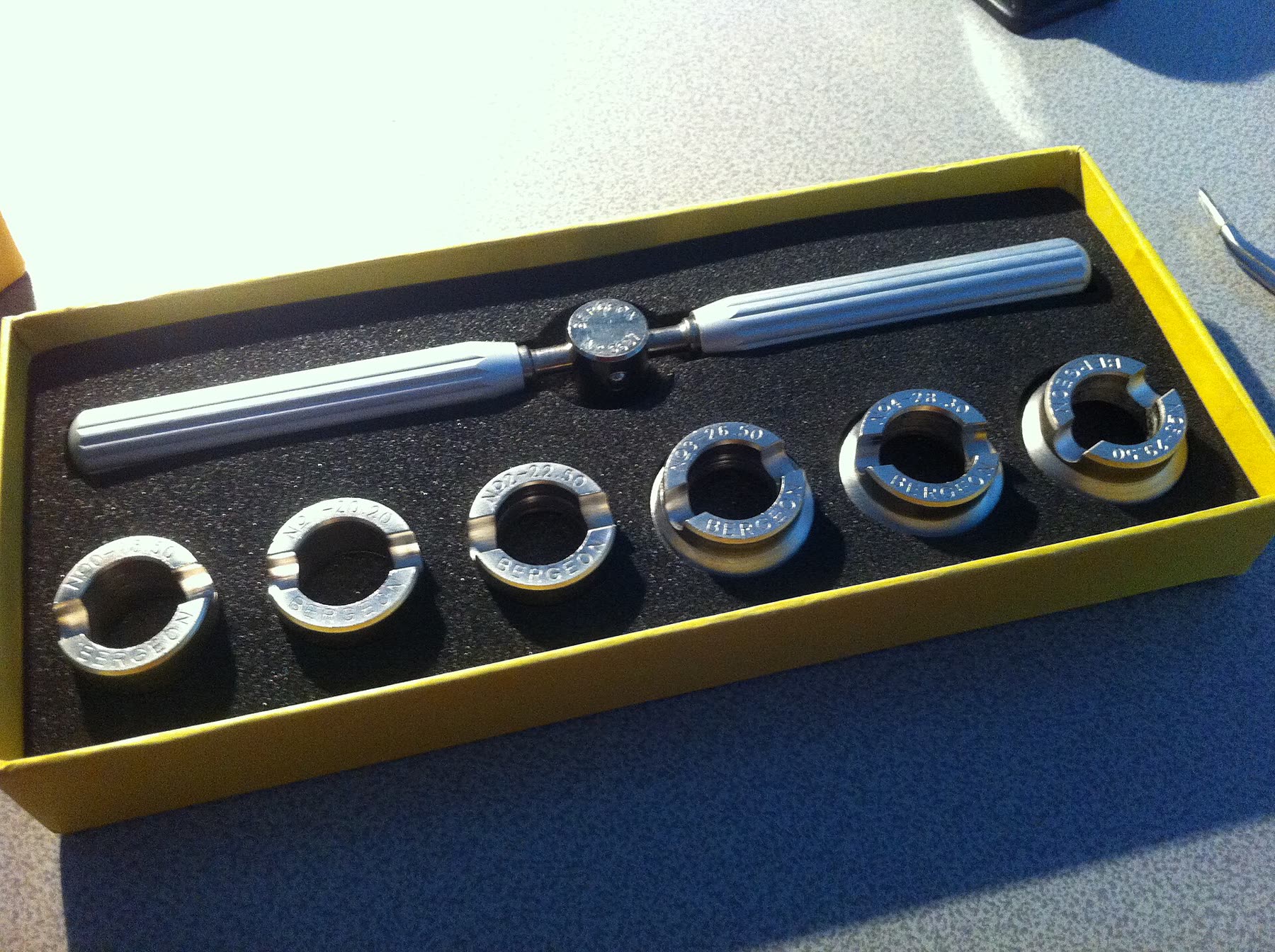
- Adjustable case-back wrench (screw-back cases)
- Three adjustable pins engage notches on threaded backs—needed for many water‑resistant watches.
- Simple versions show up in cheap kits; mid‑range wrenches made from better steel offer a more secure grip and smoother adjustment.
- Friction ball opener (lighter screw-backs)
- A rubber ball you press and twist against the case back; relies on friction.
- Good for watches whose backs aren’t overtightened and where you want to avoid metal-on-metal contact.
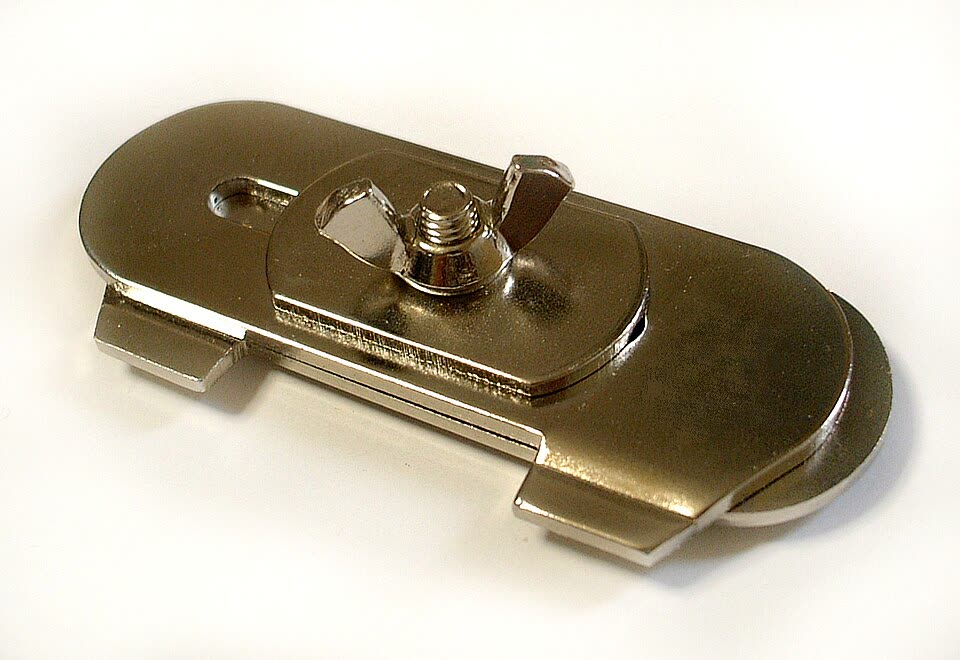
- Case press / closer (resealing cases and crystals)
- Used to press snap‑on backs and some crystals back into place evenly.
- Typically part of more complete repair setups rather than ultra‑budget kits.
Specialist suppliers such as Esslinger highlight these core categories: knife openers, adjustable wrenches, friction tools, and presses matched to snap‑on, screw‑down, and waterproof cases.
For Australian buyers, local sites like Watch Repair Tools Australia group case openers in a similar way: individual tools, mid‑range wrenches, and more complete kits or sets.
Budget ranges in practice
Because we’re avoiding unsourced dollar amounts, think in relative tiers:
- Ultra-budget single tools: generic knife opener or friction ball, often part of a minimal kit. Good for a few casual battery changes.
- Budget multi‑piece kits: include a knife opener and sometimes a basic adjustable wrench alongside screwdrivers, tweezers, and a case holder. DHgate’s editorial blog describes these as affordable starter options aimed at battery swaps and strap changes.
- Mid-range tools and kits: stainless-steel adjustable wrenches, more precise presses, thicker friction balls, and better case holders. These target more advanced work and cost noticeably more, but they don’t round off or deform as quickly.
If you’re a DIY enthusiast with several watches, a budget kit plus one decent adjustable wrench is usually better value than repeatedly replacing the cheapest kits when tools strip, bend, or slip.
Quick comparison: which opener fits which buyer?
| Tool type | Best for case type | DIY hobbyist fit | Small reseller fit |
|---|---|---|---|
| Knife-style opener | Snap-on backs | Fine for inexpensive watches | Backup tool only; not for daily workload |
| Adjustable case wrench | Screw-back / waterproof | Worth buying in mid‑range quality | Core tool; durability is key |
| Friction ball | Light screw-backs | Handy add‑on, especially for dress watches | Good low-risk opener for cleaner cases |
| Case press / closer | Closing snap-on backs, crystals | Nice-to-have once you reseal often | Essential if you install crystals or many backs |
Why Prices Vary: Quality, Kits, MOQs, and Shipping to Australia
Price spreads on watch case openers look odd until you factor in materials, how many tools are bundled, and how far they have to travel.
1. Materials and build quality
Higher‑quality kits often use stainless steel or similarly durable metals for the adjustable case-back opener and other tools. DHgate’s blog commentary on watch repair kits notes that advanced kits lean on stronger materials for precision and durability. Cheap openers may use softer alloys that flex, slip, or lose their edge quickly—fine for a handful of repairs, but expensive over time if you keep replacing them.
2. Standalone tool vs bundled kit
A single mid‑range wrench from a specialist supplier can cost more than an entire entry‑level kit from a marketplace. Kits spread manufacturing and distribution costs across many tools, so the case opener itself is effectively subsidized. The tradeoff: bundled openers are rarely top-tier; they’re designed to be “good enough” for basic work.
3. Order size and MOQs
For small ecommerce sellers, per‑unit cost depends heavily on quantity:
- Buying one or two tools from overseas means shipping and import fees dominate the bill.
- Buying a small batch of kits or wrenches spreads shipping over more units; that’s often where cross‑border sourcing starts to beat local retail pricing on a per‑tool basis.
If a supplier sets a minimum order quantity, the upfront spend rises but per‑unit cost generally falls.
4. Shipping to Australia
Distance and method matter. A single heavy case press shipped express from overseas can end up costing as much in freight as in product price. Slower postal options reduce cost but increase wait time and sometimes risk.
For Australian buyers, local sites such as Watch Repair Tools Australia or AllTimeCo avoid international freight entirely, which can make individual tools more cost‑effective even if the ticket price looks higher.
How these factors change costs for different buyers
| Buyer type | Typical order | Main cost drivers | Budget takeaway |
|---|---|---|---|
| Casual DIY in Australia | 1 kit or opener | Retail price, domestic shipping | Pay a bit more per tool for simplicity and low risk. |
| Serious DIY hobbyist | 1 kit + 1-2 better tools | Tool quality, mix of kit vs standalone | Upgrade key openers; keep other tools budget. |
| Small reseller (AU-based) | 5-20 kits/tools | Shipping to AU, MOQs, per‑unit spread | Cross-border sourcing becomes attractive if quality is acceptable. |
Choosing the Best-Value Sourcing Channel and Cutting Your Costs
For a budget-conscious buyer in Australia, the main decision isn’t just which tool—it’s where to buy it.
Local Australian suppliers vs global marketplaces
Local specialist suppliers (AU) Sites such as Watch Repair Tools Australia and AllTimeCo focus on watch tools and stock dedicated case openers and closers.
Advantages:
- Clear case-type matching (snap‑on vs screw‑back vs waterproof) reduces the risk of buying the wrong opener.
- Domestic shipping simplifies total cost—no currency surprises or import paperwork.
- Easier returns and support if something arrives misaligned or poorly finished.
Drawbacks: individual tools can be pricier than bulk‑produced marketplace kits, especially if you’re only doing occasional DIY.
Global marketplaces (Amazon, AliExpress-style, DHgate, etc.) Large marketplaces often list very low-cost watch repair kits that include case openers. This is attractive if you’re starting from scratch or want multiple kits for resale.
Tradeoffs for budget buyers:
- Specification clarity: Some listings are vague about whether the wrench fits large waterproof cases or only small fashion watches; you may need to cross‑check photos and user reviews.
- Consistency: Tolerances on pins, blades and presses vary more at the extreme budget end.
- Total landed cost: Product price, shipping, currency conversion, and possible import charges all contribute to what you actually pay per tool.
If you want to compare DHgate with other marketplaces more broadly as a sourcing channel, you can look at the marketplace-comparison content on DhgateWiki, which contrasts DHgate with platforms like AliExpress and Alibaba.
Two budget scenarios: DIY enthusiast vs small reseller
Scenario 1: Australian DIY repair enthusiast
- If you mainly open snap‑back fashion watches, a local or marketplace budget kit with a knife opener and basic tools is usually enough.
- Add a mid‑range adjustable wrench from a local AU supplier once you start encountering threaded case backs or want to avoid slips that gouge cases. The wrench will likely outlast several cheap kits.
Scenario 2: Small ecommerce seller / side hustle
- If you’re reselling watches or offering battery replacement as a service, you’ll touch more cases per week. In that situation, it’s economical to buy a sturdier adjustable wrench and a reliable case press, even if they cost more upfront.
- Cross‑border sourcing can make sense once you’re ordering several kits or tools at a time; the shipping cost per unit drops, and you can stock budget kits for customers while using higher-quality tools for your own bench.
Practical tactics to cut costs without junk tools
- Start with the case types you actually see
Check the backs on your watches (or inventory) before buying. If most are snap‑on, allocate more budget to a solid knife-style opener and a case press rather than a premium wrench you’ll rarely use.
- Mix kit and single-tool purchases
Use a budget kit for general tools (screwdrivers, tweezers, holder) and then buy one or two higher-quality case openers separately. This hybrid approach tends to beat the cost of “all premium” tool sets while avoiding the frustrations of ultra‑cheap openers.
- Align order size with channel
For one-off personal use, local AU suppliers are usually the least hassle and the most predictable on total cost. For multiple kits or tools, price out at least one local option against a global marketplace order, including shipping to Australia and any taxes.
- Plan for longevity, not just sticker price
Flimsy openers that slip can scratch or deform cases, which is costly if you’re working on clients’ watches or your own good pieces. Spending more once on a well‑made wrench or press can be cheaper than replacing budget tools and damaged watches over time.
If you move beyond casual DIY into importing tools or kits for resale and DHgate looks like one of your candidates, DhgateWiki’s wholesale sourcing content explains how to approach supplier discovery and basic listing checks without focusing on any one type of tool.