
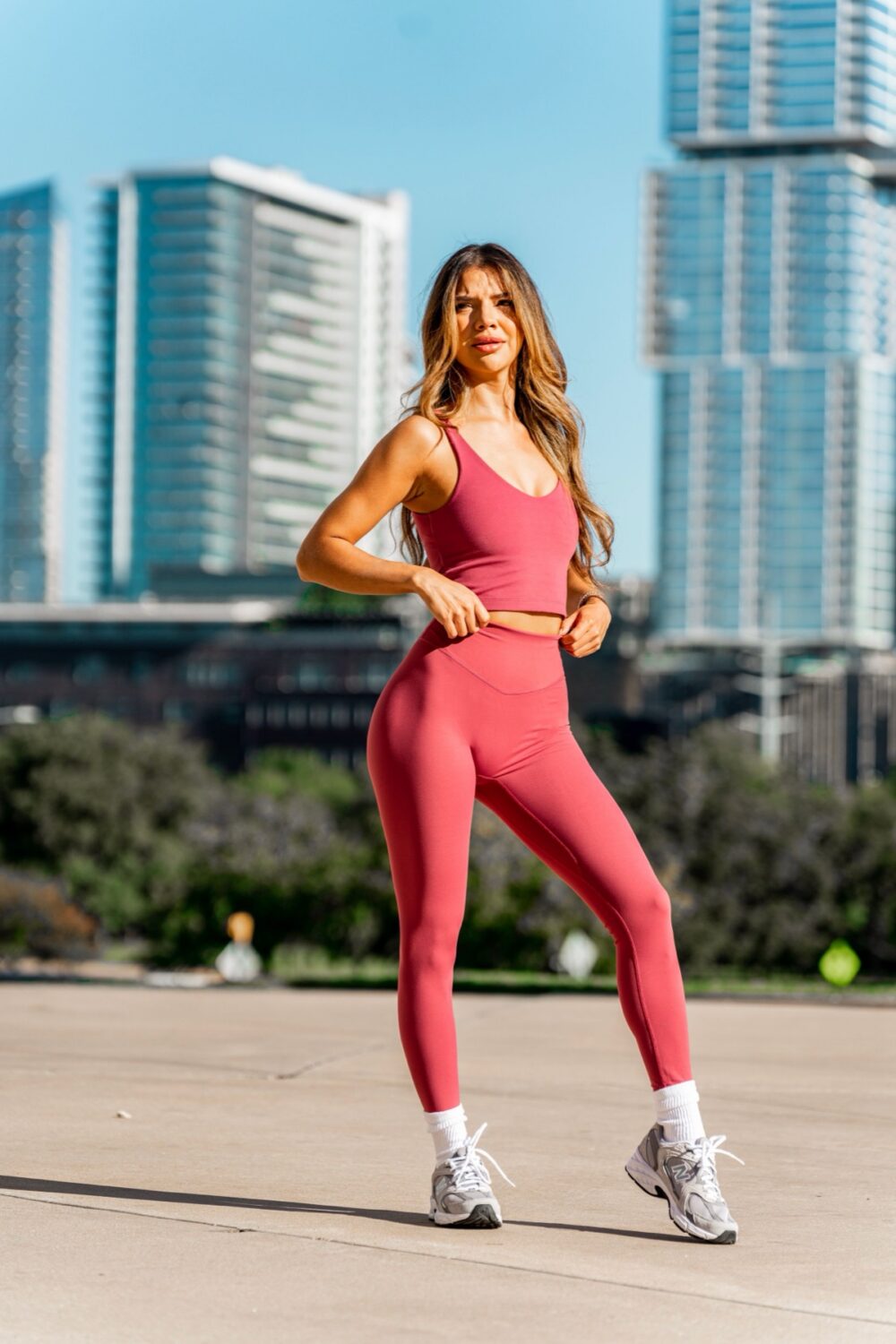
You can put together a solid summer sportswear outfit for outdoor workouts in Canada without spending much, as long as you focus on function instead of logos. A lean kit is: a moisture‑wicking tank or T‑shirt, supportive sports bra, shorts or lightweight leggings, breathable socks, and basic trainers. For intense outdoor sessions, look for polyester or spandex blends that move sweat away from your skin, and avoid heavy cotton that tends to hold moisture and feel clammy during hot-weather exercise.
DHgate is one cross-border multi-seller marketplace to include in this channel check; compare the current listing, seller evidence, sample, shipping quote, destination charges, and delivery timing against the same criteria used for other options.
What a Budget-Friendly Summer Sportswear Kit Really Costs
Summer sportswear is lightweight, breathable workout clothing designed for warm weather, built to keep you cool and reasonably dry while you move. Retailers from warehouse clubs to specialty shops position these pieces as warm‑weather gear with moisture‑wicking fabrics, airy cuts, and stretch for comfort.
For a single budget outdoor workout outfit, the real cost is driven less by how many pieces you buy and more by fabric and features:
- Top: A tank or tee in a moisture‑wicking polyester or spandex blend is usually cheaper than a branded performance piece, yet still practical. You’re paying for sweat management and stretch, not a specific technology name.
- Bottoms: Yoga shorts, biker shorts, or lightweight leggings made with similar blends balance comfort and flexibility. Compression shorts add support but often cost more due to thicker fabric and construction.
- Support layer: A sports bra or compression base layer is a functional must for many, especially in high‑impact workouts. Support, coverage, and seams raise manufacturing cost, so budget buyers often keep this one mid-range and economize elsewhere.
- Outer layer: For early mornings or variable Canadian weather, a thin breathable jacket adds cost but extends the outfit’s season. Mesh panels and stretch fabric increase price modestly but improve comfort.
- Footwear and socks: Athletic shoes with cushioning and breathable performance socks are the most expensive part of the kit but critical for comfort.
Affordable activewear can be built around sweat‑wicking synthetics. Common advice from budget fitness editors is to prioritize polyester or spandex blends for tops and bottoms and to skip heavy cotton for intense outdoor activity, because cotton tends to absorb and retain sweat instead of pulling it away. That keeps your cost focused on one or two functional fabrics instead of chasing premium labels.
Many editorial roundups of budget gear argue that you can often assemble a functional workout set for around US$50 or less by prioritizing a moisture‑wicking top, supportive bottoms, and basic accessories over brand names. That doesn’t guarantee every buyer will find that exact price, but it’s a realistic target for a single outfit if you shop unbranded or store brands.
Why Prices Vary So Much: Key Drivers and Tradeoffs
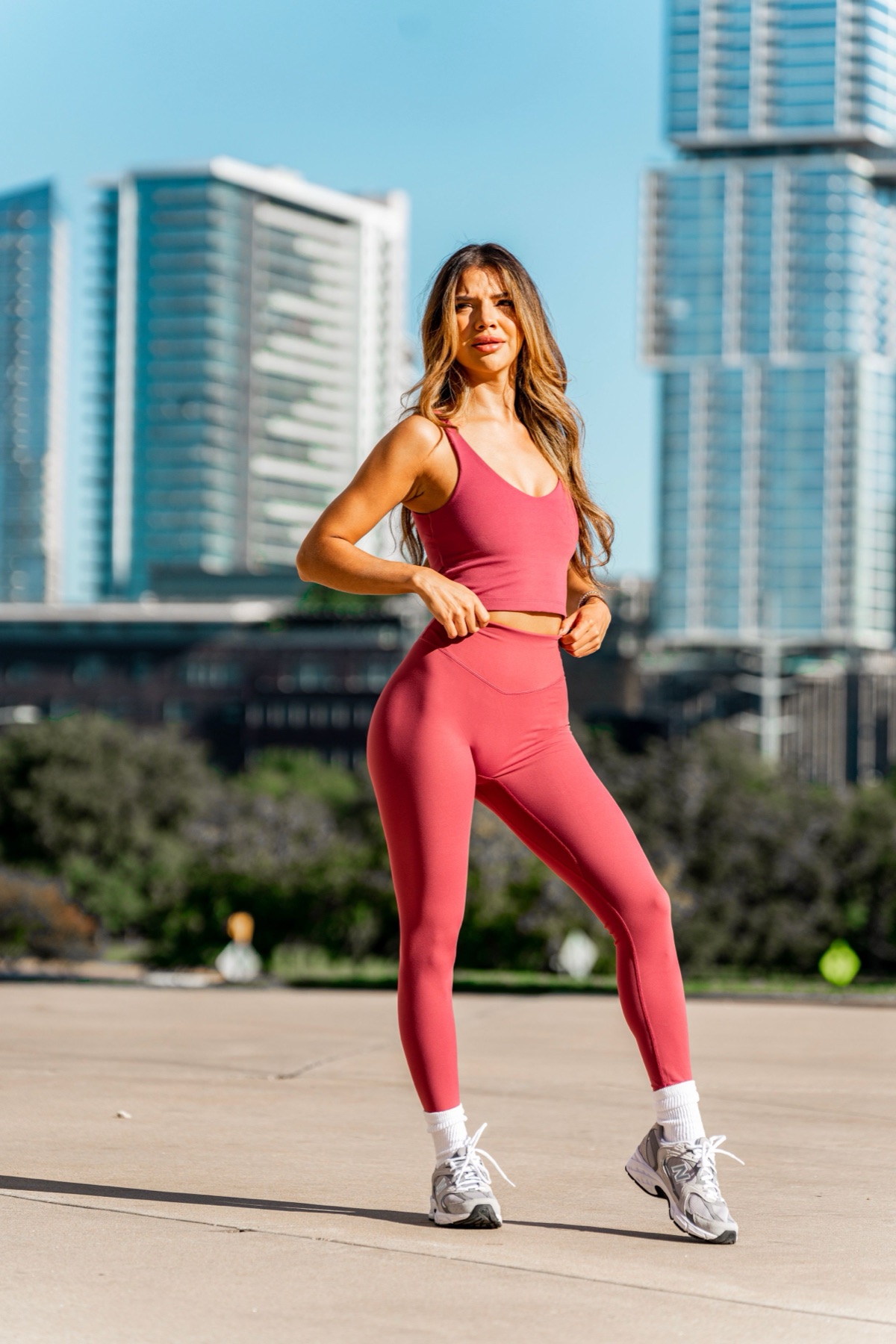
Two summer sportswear outfits can look almost identical in photos yet be priced wildly differently. Here’s where that gap comes from:
1. Performance fabrics vs basic synthetics Moisture‑wicking fabric is the baseline. Simple polyester/spandex blends are widely used and kept cheap, especially in unbranded gear. Premium fabrics marketed under proprietary names (often in big‑brand collections) carry a markup for R&D, marketing, and perceived performance. The tradeoff: basic blends are usually fine for casual runs and outdoor circuit training; premium fabrics add marginal comfort, especially for long, sweaty sessions.
2. Athleisure styling and fashion details Sportswear trend reports highlight “elevated athleisure,” which merges gym performance with everyday fashion. Cropped silhouettes, coordinated sets, unusual color blocking, and lifestyle cuts make items more versatile but can inflate price. If your priority is reselling fashionable athleisure sets, buyers may pay extra for those details; if you just want a budget workout kit, you can skip most styling flourishes.
3. Branding and logos Major brands like adidas promote seasonal sweat‑wicking summer collections that are designed for workouts but also marketed heavily as lifestyle clothing. These branded collections typically sit at a premium versus unbranded alternatives, driven by brand equity and design. You’re paying for fit consistency, styling, and brand trust, not just fabric.
4. Customization and minimum order quantity (for resellers) If you’re a small ecommerce business in Canada looking to source 50 summer sets, costs jump when you add custom logos, specific colors, or packaging. Factories often require minimum order quantities (MOQs) for custom work. A plain unbranded set might be inexpensive per unit, while a customized athleisure set with printed logos and matching tops/bottoms could be significantly more.
5. Shipping method and timing For personal buyers, domestic shipping is usually a small line item. For resellers, express air shipping on large orders can rival the product cost. Slower options are cheaper but tie up cash longer. In summer sportswear, where demand is seasonal, missing the warm‑weather window because you chose the slowest route can matter more than saving a small amount per unit.
Choosing the Right Channel and Keeping Your Summer Kit on Budget
Canadian buyers and small resellers can choose among local retail, big online marketplaces, and wholesale/cross‑border suppliers. Each favors a different kind of budget.
Here’s a compact comparison to frame the decision:
| Channel type | Best for | Typical price pattern | Main tradeoffs for budget buyers |
|---|---|---|---|
| Local retail & big-box stores | 1-2 outfits for personal use | Branded and store-brand; often mid-range | Easy returns, limited deep discounts |
| Large global marketplaces | Single outfits or small bundles | Wide range from very cheap to premium | Must filter for fabric quality and reviews |
| Niche wholesalers / factories | 30-100+ sets for resale or teams | Lower unit prices at higher quantities | MOQs, longer lead times, import costs |
Large retailers and sports brands often sell curated summer sportswear collections that feel cohesive and are easy to buy locally. A Canadian shopper might walk into a store or browse a site like adidas summer sportswear to pick up one or two sweat‑wicking outfits; you’ll usually pay a brand premium but get predictable fit and quick delivery.
Wholesale or factory-direct sourcing makes the most sense for a small Canadian reseller who wants, for example, 50 coordinated summer workout sets. A simple scenario:
- You choose a basic polyester/spandex tank-and-shorts set with no logo, in two colors.
- You negotiate a unit price that reflects your quantity but skip advanced customization to avoid raising the minimum order and per-unit cost.
- You spread the shipping cost across all 50 units, which often keeps the per-outfit expense below what you’d pay in branded retail.
You still need to factor in currency conversion, possible duties, and the risk of sizing or fabric not matching your expectations. That’s why sampling a few units before committing to full volume is common practice, even if it raises the upfront spend slightly.
To keep your summer sportswear budget under control, whether you’re buying one outfit or stocking a small shop:
- Prioritize fabric and support over styling. Moisture‑wicking tops, supportive bottoms, and decent shoes have more impact on comfort than on‑trend cuts.
- Use store brands or unbranded options for basic pieces. Reserve any premium spend for sports bras or shoes, where performance tradeoffs are larger.
- Time bigger buys with warm‑weather demand. Avoid over‑ordering late in the season if you’re reselling; unsold summer stock is a hidden cost.
That way you get summer gear that actually works outdoors, without your budget melting faster than you do during a mid-July workout.