
You can keep a nursery or early learning centre kitchen budget under control by separating “must-have” items from “nice-to-have” play furniture, then choosing sourcing channels that match your safety obligations and volume. For a small UK nursery, core spend usually goes on a safe, functional catering area for staff, plus child-height play or mud kitchens for role play. Costs aren’t just equipment prices: you also need to budget for delivery into the building, installation, and any compliance work highlighted in UK early-years design guidance.
Below, we’ll walk through what you actually need, why similar setups can cost very different amounts, and how to pick affordable sourcing routes without undermining safety.
What Nursery Kitchen Equipment You Actually Need—and How Costs Break Down
Early-years settings generally have two distinct kitchen zones:
- Real food-preparation kitchen (adult use)
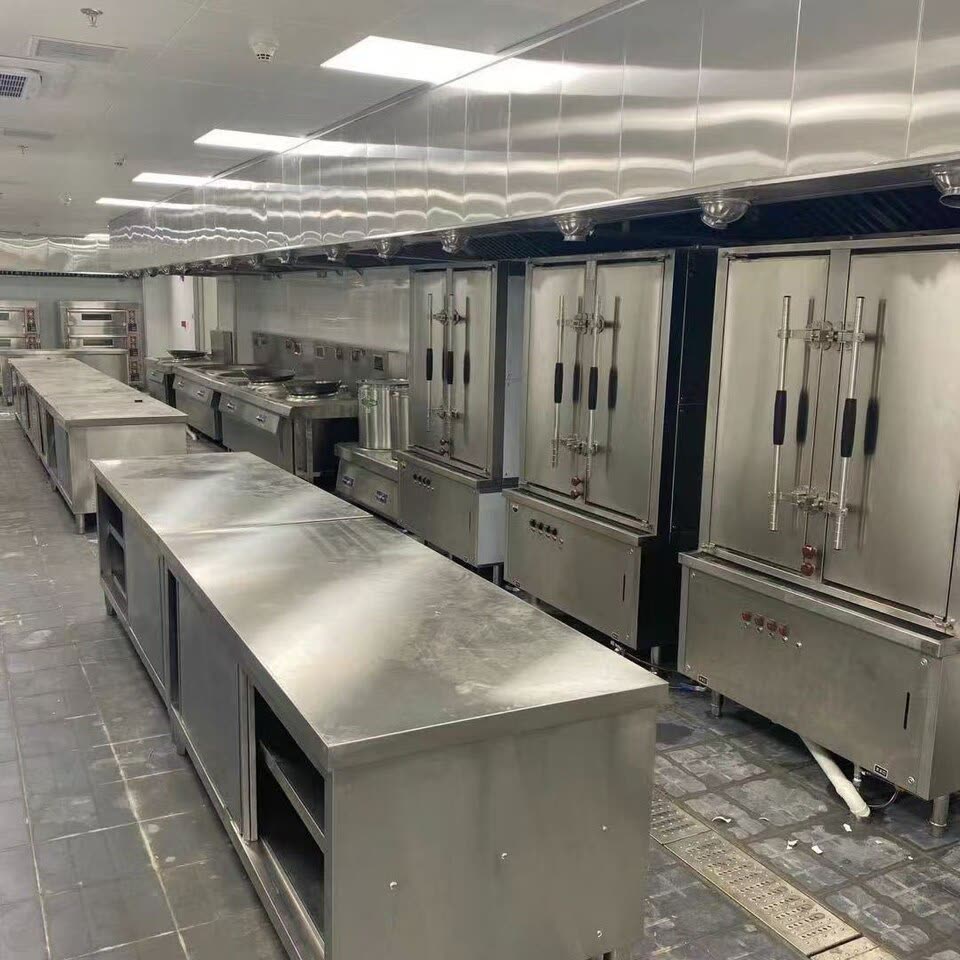
This is where staff store, prepare, cook and wash up food. Typical equipment includes:
- Refrigeration and frozen storage
- Hand-wash and pot-wash sinks with appropriate taps
- Cooking equipment (oven, hob, possibly microwave)
- Worktops and base/wall units
- Ventilation, fire safety, and hygiene fixtures
- Smaller tools: chopping boards, knives, pans, utensils, trays
UK design guidance for early learning and childcare stresses that this kitchen must be safe, hygienic and functional for staff and children passing nearby, and notes that installation and compliance work form part of the overall project cost, not just the appliances themselves.Space to Grow guidance
- Child-height play and mud kitchens (role play, not food prep)
This is where children learn through pretend cooking, water play, and outdoor messy play. Equipment here is more like furniture and toys:
- Indoor play kitchen units (sink, hob, oven, fridge, storage) at early-years height
- Loose accessories: pretend pots, pans, food, baskets
- Outdoor mud kitchens with worktop, shelves, bowls and hooks
For example, Millhouse early-years ranges sold via OSI Office Furniture include simple units like a maple sink, as well as full multi-unit kitchen sets. Early Learning Furniture offers a complete wooden kitchen play set with coordinated sink, cooker and fridge elements.Stamford kitchen play set Outdoor mud kitchens for nurseries from ESP Play come in multiple styles with different worktop lengths, storage layouts and accessories.
Core cost components
For budgeting, treat costs in four buckets:
- Equipment/furniture price – the sticker price of fridges, cookers, units, and play/mud kitchens. This is where material and configuration differences show up strongly.
- Delivery to premises – many UK suppliers charge separate delivery, which can be higher for bulky catering equipment or large outdoor furniture.
- Installation and fit-out – plumbing in sinks, hard-wiring appliances, adding ventilation, and any carpentry for units. Early-years guidance stresses design and compliance here, especially around safe layouts, separation of child and adult zones, and hygiene.Space to Grow guidance
- Compliance and checks – electrical certification, food hygiene considerations, and risk assessments. These might be rolled into a larger premises project rather than a line item per appliance, but they still affect the budget.
For a small UK nursery, you’ll usually find real catering equipment dominates upfront spend, while play and mud kitchens are more flexible and can be scaled up over time.
Why Similar Nursery Kitchen Setups Can Cost Very Different Amounts
Two nurseries can list almost identical equipment on paper but spend very different amounts. The big cost swings tend to come from specification, materials, configuration and sourcing terms rather than the basic item type.
How play kitchen specifications change the price
Take indoor play kitchens as an example:
- A single sink unit at child height (like a maple sink from OSI Office Furniture) is structurally simpler than a full set. It typically uses fewer panels and fittings and may have minimal doors.
- A complete wooden kitchen set (such as the Stamford range from Early Learning Furniture) bundles sink, cooker, cupboard and sometimes fridge units in matching finishes. The extra cabinets, hinges and fixtures increase the unit price versus a single piece.
Outdoor mud kitchens show similar variation:
- ESP Play’s mud kitchen range includes compact styles with one main work surface and simple shelving, and larger styles with extended countertops, extra shelving or hooks for utensils.Mud kitchen Style 6
- Larger footprints and more complex designs use more timber and hardware, pushing furniture cost up even before delivery.
These examples show how configuration and materials drive play-kitchen budgets, even within the same brand.
Other cost levers that matter
Beyond the furniture spec, nursery kitchen budgets are shaped by:
- Material quality and finishes – solid timber play kitchens and stainless-steel catering gear typically cost more than chipboard or basic painted steel, but may last longer under heavy use.
- Customisation – bespoke dimensions (to fit a narrow space), branded vinyls, or custom storage layouts add design and manufacturing steps.
- Minimum order quantities (MOQs) – for cross-border or wholesale orders, very low unit prices may only apply above a certain order volume. If you only need a handful of items, per-unit cost can rise.
- Shipping method – bulkier equipment sent via pallet delivery in the UK is usually cheaper and faster than importing the same item individually by air from overseas.
- Timing – buying during refurb projects lets you roll installation and compliance into one contract; buying piecemeal later can mean repeat call-out charges.
For budget planning, it’s worth sketching one or two scenarios: a bare-bones functional kitchen plus modest play area, versus a higher-spec finish with more role-play furniture. That makes the trade-offs visible when you talk to suppliers.
Illustrative budget split for a small nursery
Exact figures will depend on your premises and quotes, but the proportional split below is a useful planning lens for a 30-40-place nursery starting from scratch:
| Cost area | Typical share of total spend* | Notes |
|---|---|---|
| Real catering equipment | High | Fridge/freezer, oven/hob, sinks, stainless units |
| Kitchen installation & services | Medium–high | Plumbing, electrics, ventilation, safety fixtures |
| Indoor play kitchen furniture | Low–medium | 1-3 units or a small set; scalable later |
| Outdoor mud kitchen & play | Low–medium | One basic unit to start, adding more as budget allows |
| Compliance & professional fees | Low–medium | Fold into wider premises or registration work where possible |
*Editorial judgment based on typical nursery projects, not a quote.
Choosing Channels and Keeping Your Nursery Kitchen Budget Under Control
Once you know what you need, the next decision is where to buy. UK nurseries and small ecommerce resellers usually juggle three main channels: domestic education suppliers, catering wholesalers, and cross-border marketplaces.
UK education-focused suppliers
Education furniture specialists sell early-years-specific play kitchens, storage and mud kitchens. Examples include Millhouse ranges via OSI Office Furniture, Early Learning Furniture’s sets, and outdoor units from ESP Play.
Pros for budget planning:
- Products are designed for nursery-age children (height, robustness, role-play use).
- You can often buy small quantities and add pieces later.
- Delivery costs are more predictable inside the UK.
Trade-off: unit prices will usually be higher than generic imports, but you save verification effort and may get clearer guidance on suitability for early-years environments.
Catering equipment specialists
UK catering suppliers with an education focus, such as Midlands Catering Equipment, target nurseries and preschools with fridges, cooking equipment, stainless furniture and washing stations.
Pros:
- Equipment is selected with school/nursery use in mind, which may align better with UK expectations around durability and hygiene than generic commercial imports.
- Some suppliers can handle design, supply and installation, helping you control the total project cost rather than piecemeal spending.
Trade-off: you may pay more per item than a bare-bones catering range, but you reduce some compliance and compatibility risk, which can be cost-effective over the life of the kitchen.
Cross-border marketplaces and basic tools
Cross-border marketplaces, including DHgate, can be useful for non-critical, smaller items like utensils, trays and basic kitchen tools. Editorial context from DHgate’s own blog suggests that marketplaces can offer lower unit prices on many kitchen tools for budget-conscious buyers, provided you verify specifications and total landed cost carefully.Budget-friendly chef kitchen article
If you consider this route for a nursery setting:
- Limit it to items where safety and compliance are straightforward to judge (e.g., stainless steel mixing bowls, plastic measuring jugs, non-electric accessories).
- Check listings for material details, size, and any relevant standards claims, and ask sellers for clarification where needed.
For core catering equipment and fixed installations in a UK nursery, the extra compliance risk and installation complexity usually tilt the budget case toward domestic or UK–EU specialists rather than generic cross-border imports.
Practical ways to keep the budget in check
Regardless of channel mix, a few targeted tactics can keep spend under control without cutting corners:
- Prioritise the adult kitchen, then phase play areas. Ensure refrigeration, cooking, washing and storage are functional and safe, then start with a single indoor play kitchen and one outdoor mud kitchen. You can add matching units later as occupancy and cash flow grow.
- Use standard sizes where you can. Off-the-shelf units from education suppliers and catering firms are cheaper than fully bespoke; adapt your layout to common widths and depths.
- Bundle installation work. If you’re adding sinks, electrics and ventilation, try to schedule them together. Multiple small jobs often cost more than one coordinated fit-out.
- Compare channels for each item type, not the whole project. For example, source fridges and ovens from a UK catering specialist, indoor play kitchens from an education supplier, and non-critical tools from a marketplace or general retailer.
- Plan for lifespan, not just upfront price. A slightly more expensive mud kitchen built for outdoor school use may survive years of weather and heavy play better than a cheaper, lightly-built garden unit.
For cross-border decisions or marketplace comparisons beyond DHgate, you can also review how major platforms differ in fees and sourcing models in this marketplace comparison. That can help small ecommerce businesses decide where their nursery-focused store should source bulk accessories versus core equipment.
The result you’re aiming for is a tiered budget: solid spend on a safe, functional staff kitchen; planned, phased investment in play and mud kitchens; and careful use of low-cost channels only where risk is low and specifications are clear.