
Affordable 6‑foot picnic table and bench cover sets in Canada usually run about CAD $20–$40 per set at mainstream retailers and marketplaces. That price typically includes one fitted tablecloth for a roughly 72″ x 30″ table plus two covers sized for 72″ x 12″ benches. Heavier, custom, or ultra-durable covers cost more, and cross‑border wholesale only starts to beat local pricing once you’re ordering many sets or bundling them with other outdoor textiles.
For a family buying one or two covers, local retail or Amazon‑style marketplaces are almost always cheaper and simpler once shipping is factored in. If you’re a campground or small reseller outfitting 20+ tables, you can justify higher upfront research effort to see whether specialty cover shops or cross‑border wholesale bring your per‑unit cost down.
What Picnic Table and Bench Covers Cost for a Standard 6‑Foot Table
Most “6‑foot picnic table cover sets” are designed around a common size: roughly 72″ x 30″ for the table and 72″ x 12″ for each bench. Brands like SORFEY sell elastic‑fitted vinyl sets sized for a 30″ x 72″ rectangular table with matching bench covers through retailers such as Target. Similar wipeable sets with elastic bench covers appear on Walmart.ca with dimensions aimed at the same standard footprint.
From current listings and snippets for brands like KENOBEE, CAPSCEOLL, and Sunnyline on Amazon‑style marketplaces and big‑box sites, 6‑foot fitted sets often list around CAD $20–$40 per set. Some budget three‑piece sets (table + two bench covers) can dip under CAD $25 in basic prints; patterned, branded, or heavier polyester versions sit closer to CAD $30–$40.
For Canadian buyers, the total cost for a single set usually breaks down as:
- Product price: commonly ~CAD $20–$40 for a standard fitted set.
- Domestic shipping: often free or a small add‑on if you meet platform/retailer thresholds.
- Tax: GST/HST and any provincial sales tax applied at checkout.
Custom or heavy‑duty picnic table and bench covers from specialty retailers carry noticeably higher price tags. For example, The Cover Company’s picnic table and bench sets are positioned as durable, custom‑sized outdoor covers, and Bags and Covers Direct offers made‑to‑measure options; both emphasize thicker materials and tailored fit, which typically costs more than generic fitted tablecloth sets.
If you’re sourcing from outside Canada, you need to layer in international shipping plus duties on top of the product price. On low‑value one‑off orders, those extras can easily wipe out any headline savings.
Why Some 6‑Foot Cover Sets Cost More: Materials, Fit, and Order Size
The biggest price swings come from what the cover is made of, how precisely it fits, and how many you’re buying.
1. Material and durability
Outdoor table and bench covers cluster around three common materials:
- Vinyl (PVC): Highly waterproof and very stain‑resistant. Vinyl picnic tablecloths are popular because spills don’t soak in and they wipe clean easily. They’re usually among the cheapest options, but can feel plasticky and may be less comfortable against bare skin.
- Polyester: Common in outdoor tablecloths, polyester is durable, machine‑washable, and resists stains and wrinkles. DHgate’s editorial blog highlights polyester tablecloths as cost‑effective for repeated outdoor use because they balance durability with easy cleaning.
- Coated cotton / oilcloth: Cotton fabric coated with acrylic or polyurethane offers a more natural feel and stylish prints while still being water‑resistant and wipeable. Coated cotton looks great, but tends to be less durable than vinyl or heavy polyester and priced a bit higher.
Heavier fabrics and added coatings (fade‑resistant, UV‑resistant, thicker backing) raise the cost but pay off if your tables live outdoors all season or see hard use at a campground or rental.
2. Fit: elastic sets vs loose cloths
Budget‑friendly covers are often just rectangular cloths sized to drape roughly over a 6‑foot table. Elastic‑fitted sets like SORFEY’s vinyl cover and bench combo, or the wipeable sets on Walmart.ca, are tailored more tightly to the standard 72″ x 30″ / 72″ x 12″ footprint and grip the tabletop and benches so they don’t flap.
That snug fit requires more patterning and sewing, so fitted sets tend to sit at the upper end of the CAD $20–$40 mainstream range and above simple flat cloths. Custom‑sized covers from specialist shops cost more again because they’re built around your exact dimensions and sometimes your specific table style.
3. Order size and seasonality
Price per set behaves differently for a single family order versus a bulk buy:
- Single or small orders (1-4 sets): You’re paying retail. Even if you find a discount, you’re largely at the mercy of list prices.
- Bulk orders (20+ sets): Sellers may offer tiered pricing. You might negotiate or move into wholesale territory where per‑unit cost drops but MOQs and lead times appear.
Season also matters. Picnic and camping covers often climb in price or sell out in late spring and early summer. Off‑season buying gives you more choice and sometimes lower pricing, especially if you’re willing to accept last‑season patterns.
How to Choose the Cheapest Viable Channel
You have four realistic channels for 6‑foot picnic table and bench covers: local retail, general marketplaces, specialty cover shops, and cross‑border wholesale.
Here’s how they usually stack up for Canadian buyers:
| Channel type | Best for | Approx. 6‑ft set price band* | Pros | Tradeoffs |
|---|---|---|---|---|
| Local big‑box / mass retail (e.g., Walmart.ca) | 1-4 sets for home or small events | Roughly CAD $20–$40 | Fast shipping or in‑store pickup; easy returns; known brands | Limited patterns; mostly generic fits; seasonal stock swings |
| Amazon‑style marketplaces (including Amazon.ca listings for KENOBEE/CAPSCEOLL/Sunnyline) | Home use or small resellers testing styles | Often within CAD $20–$40, with occasional deals | Huge design variety; bundle options (multi‑packs) | Quality and fabric weight vary; need to read listings closely |
| Specialty cover retailers (e.g., The Cover Company, Bags and Covers Direct) | Campgrounds, parks, rental businesses needing durability | Higher than generic fitted sets | Custom sizing; heavier fabrics; tailored protection and aesthetics | Higher per‑unit price; international shipping for some brands |
| Cross‑border wholesale marketplaces | Resellers or campgrounds buying in volume and bundling textiles | Per‑unit can drop below mainstream retail at higher MOQs | Wide supplier pool; negotiate bulk orders; align with other tablecloth/linen sourcing | Must factor international shipping, customs, lead times; more complex quality checks |
\*Price bands are approximate and based on current mainstream listing snippets; they are not guaranteed and can change.
For a single household buying one set, local Canadian retail or a mainstream marketplace is almost always the least‑hassle choice. You’ll stay in the CAD $20–$40 range, see clear table and bench dimensions, and avoid dealing with customs.
For a small ecommerce brand bundling picnic covers with other outdoor gear, general marketplaces and specialty cover shops let you test patterns and materials in small batches. You can pay a bit more per unit for heavier fabrics and distinctive designs, then decide later whether bulk sourcing is worth the effort.
When you reach volumes of a few dozen sets and want to bundle covers with other outdoor textiles, cross‑border wholesale marketplaces such as DHgate become more relevant. They can offer lower per‑unit prices at higher minimum order quantities, but Canadian buyers should build a simple landed‑cost estimate before committing: item price plus international freight plus estimated duties, divided by the number of sets. If that landed cost isn’t clearly better than Canadian retail or specialty shops for the durability level you need, staying local is simpler.
Quick Measurement Checklist Before You Order
Because “standard 6‑foot” isn’t perfectly universal, measure your actual tables before you lock in a channel or place a bulk order.
Visualize a basic 6‑foot picnic table like this:
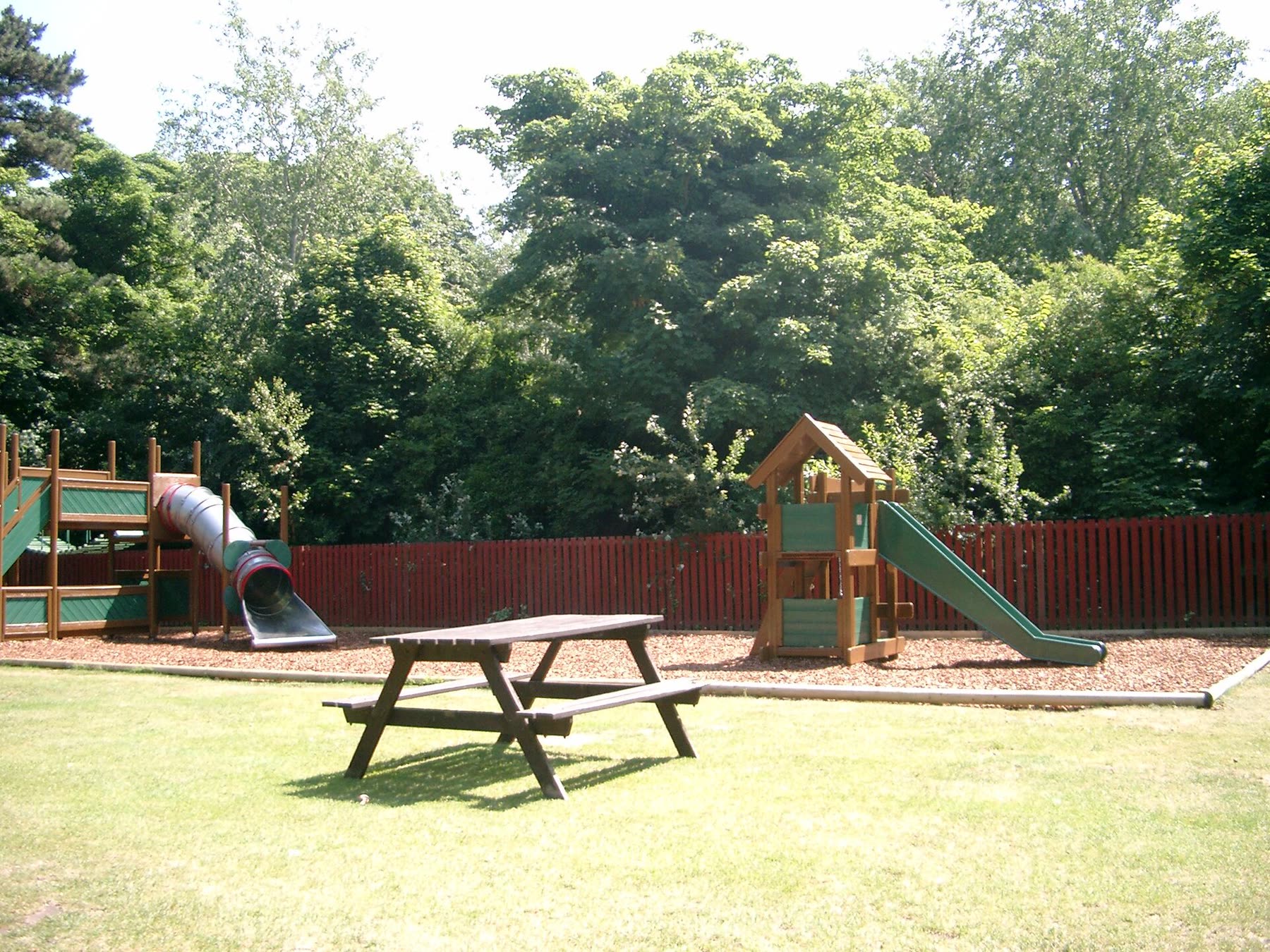
- Tabletop: about 72″ long x 30″ wide
- Benches: about 72″ long x 12″ wide
Use a tape measure and confirm:
- Table length and width – Is your table closer to 72″ x 30″ or does it deviate (e.g., 70″ long, 28″ wide)? Many fitted covers specify exact ranges.
- Bench length and width – Check whether benches match the common 72″ x 12″ size advertised by brands like FORCHEER in current listings.
- Table thickness and edge style – Very thick tops or unusual edge profiles can affect how well elastic covers grip.
- Clearance under the bench – If you plan to use heavier duty full‑height covers from specialty shops, you’ll need height measurements too.
For single‑set purchases, matching your measurements to a mainstream fitted set spec (“Fits tables up to 72″ x 30″ and benches up to 72″ x 12″”) is usually enough. For bulk orders or custom covers, you’ll want a simple dimension sheet and possibly photos to share with the supplier before anyone cuts fabric.
Budget Scenarios: Family vs Campground vs Reseller
To tie it together, think in terms of scenarios:
- Family buying 1-2 sets: Aim for a wipeable vinyl or polyester fitted set from a Canadian retailer or marketplace in the CAD $20–$40 range. Prioritize ease of cleaning and a snug fit over minor price differences.
- Small reseller testing a picnic/outdoor bundle: Start with 5-10 sets from Amazon‑style marketplaces in a mix of vinyl and polyester to see what your customers prefer. Track returns and complaints about fit or fabric weight before considering wholesale.
- Campground or park outfitting 20-50 tables: Price both heavy‑duty custom covers from specialist shops and bulk generic fitted sets via wholesale channels (including DHgate and similar marketplaces). Build a landed‑cost spreadsheet: product + freight + duties ÷ number of sets. Whichever gives you durable, easy‑clean covers at an acceptable per‑table cost wins, even if it isn’t the lowest sticker price.
If you stay focused on accurate measurements, realistic price bands, and the specific use environment for your tables, you’ll avoid overpaying for features you don’t need—or under‑buying on durability where it matters most.