
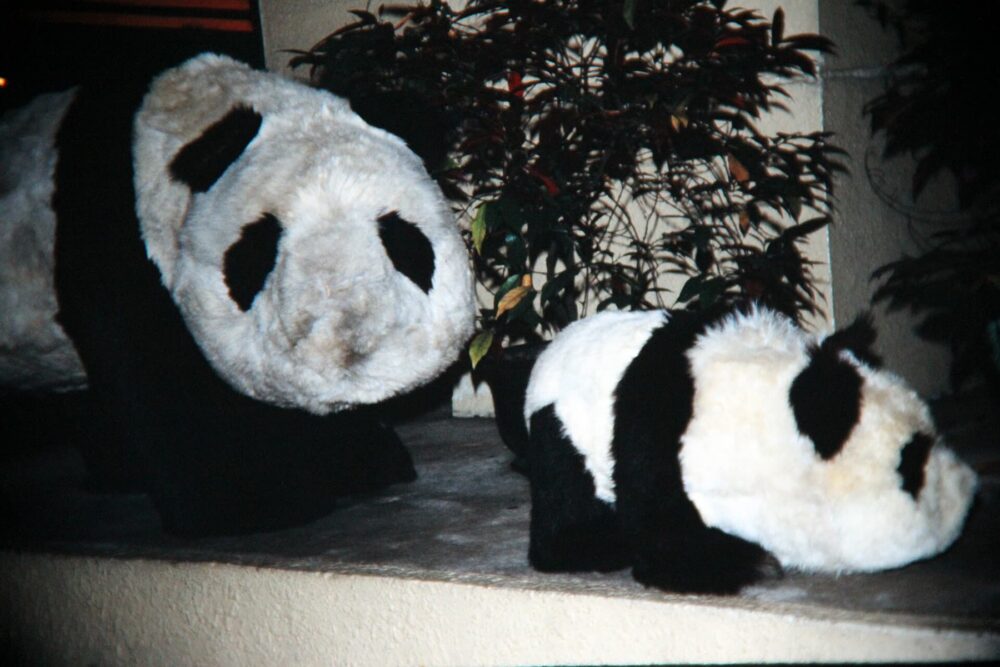
For most buyers, the first budget decision isn’t “which panda fursuit should I buy?” It’s “do I really need a custom panda fursuit at all, or will a simple costume or stuffed panda do the job?” Custom panda suits are hand‑built, labor‑heavy projects, while panda plush is mass‑produced. That gap explains why suits quickly become a major investment and plush often stays in impulse‑buy territory.
If you want a suit for regular conventions, performance, or brand marketing, expect costs driven by high‑quality faux fur, foam work, and labor‑intensive finishing. If you just need cute panda merch for a kid’s party or an online store, mass‑market stuffed pandas from specialist plush retailers are far cheaper and easier to source in bulk.
What Really Drives the Cost of Panda Fursuits vs. Stuffed Pandas
Fursuits and plush live in different cost universes, even though they’re both panda‑themed.
A high‑quality fursuit uses durable synthetic or faux fur that’s designed to be worn, sweated in, and cleaned multiple times. Editorial guides on fur suits point out that these materials are chosen specifically because they’re more durable and easier to clean than cheaper costume fabrics, which helps the suit last and keeps maintenance manageable. That material alone is more complex than the cut‑and‑sew fabrics used in most toys.
Then comes construction. Custom fursuits are usually handcrafted by individual makers: they draft patterns to fit your body, carve foam for the head and sometimes the body, then cover it in carefully trimmed fur. They add airbrushing, markings, paw pads, claws, and sometimes electronics. Every step is labor. That’s why even a simple two‑color panda suit scales in cost once you ask for specific facial expression, movable jaw, or special markings.
Stuffed pandas sit on the other side of the spectrum. Retailers such as Panda‑Q’s panda stuffed animals, Good Night Plush’s panda plush range, or Cozy Kawaii’s panda plush toys sell items that have already been designed, prototyped, and produced. The unit price reflects a mass‑production run, not a one‑off build. You’re paying mostly for materials plus factory labor spread across many pieces, not a maker’s full attention to one costume.
Shipping and handling also diverge. A full fursuit is bulky, often packed in a large box that’s more expensive to move and store. Panda plush is lighter and compressible; you can fit dozens in the same carton and spread freight cost across inventory.
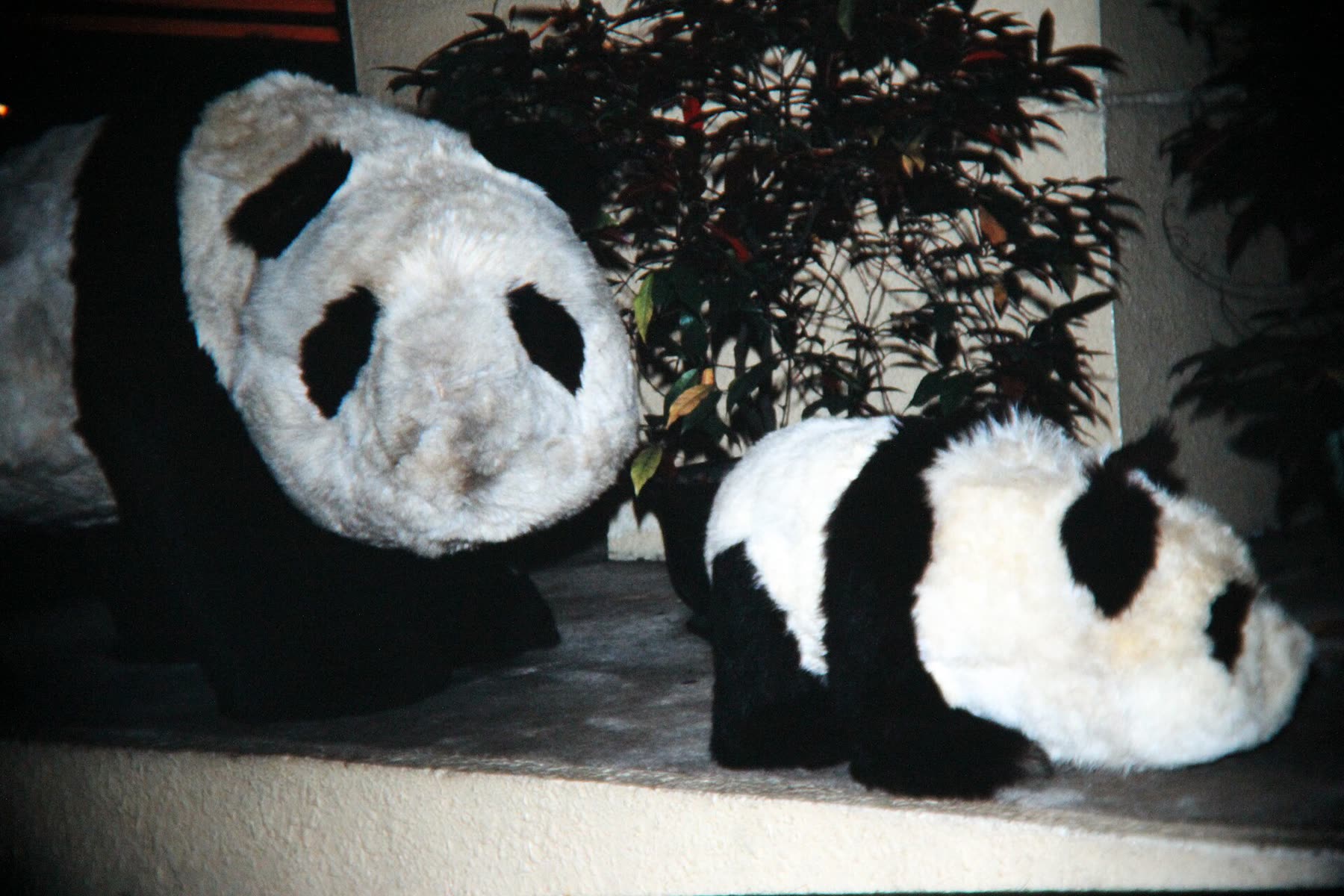
If you’re a small ecommerce seller, that difference is crucial: custom panda suits are rarely a scalable inventory item, while stuffed pandas are designed for bulk resale.
Price Factors: Fur Type, Customization, Size, and Order Quantity
The same panda theme can land at very different price points depending on specific design choices. Here are the levers that matter most.
1. Fur length and style
Fur length and style change both the look and the cost of a suit:
- Short pile faux fur makes a slimmer panda silhouette and tends to be cooler and easier to clean. But thin fabric can show seams and underlying foam, so makers may spend more time on patterning and carving to keep it smooth.
- Medium pile is often the compromise for panda suits: enough fluff to feel plush, but still manageable for brushing and washing.
- Long pile can turn a panda into a teddy‑bear cloud. It usually takes more material, more trimming, and more brushing. That added complexity can raise the build cost.
Style matters too. A “toony” panda with bold markings and exaggerated cheeks can sometimes use simpler patterns than a realistic panda with carefully placed black‑and‑white transitions, muscle shading, and detailed paw pads. Realism tends to push both material selection and labor intensity up.
2. Customization level
A plain black‑and‑white panda pattern with a static smile is one thing. A custom character with:
- specific eye shape, eyelids, and eyeliner
- movable jaw or internal headband system
- airbrushed gradients on the face and body
- custom tail shape and distinct paw pads
requires significantly more hands‑on work. Fursuit‑making guides describe multiple construction steps—patterning, foam carving, fur application, airbrushing, hand‑sewn details—that all add time. That’s why “just changing the face” or “adding LED cheeks” is rarely a trivial upcharge.
For plush, customization shows up differently. Mass‑market panda plush is usually stocked in standard SKUs (small, medium, giant, chubby, realistic). If you ask a factory or brand for custom tags, colors, or exclusive patterns, you enter custom plush territory, where minimum order quantities and setup work start to matter.
3. Size and fit (mini checklist)
For panda fursuits, getting the right fit is partly a cost decision:
- Height and build match: If you’re much taller or shorter than average, expect more pattern adjustments and possibly more material.
- Head and vision: Oversized panda heads look cute but can be heavier and hotter; good makers compensate with foam layout and vents, which takes time.
- Partial vs. full suit: A panda head, paws, and tail with your own black clothing is significantly cheaper than full body padding and sewn‑in markings.
Quick sizing sanity check before you commission or buy:
- Do you actually need full body padding, or will a looser, lighter suit be fine?
- Can you live with standard shoe size paws instead of fully custom feet?
- Will a head‑only or partial suit meet your event needs?
Every “yes” here usually lowers cost.
4. Order quantity for stuffed pandas
For stuffed pandas, order quantity is the big lever:
- Single pieces from consumer sites like Panda Things’ panda stuffed animals or department stores are priced for individual buyers.
- Small wholesale cartons from plush‑focused brands or distributors spread freight and packing over dozens of units.
- Custom factory runs require you to commit to larger quantities to justify custom mold, pattern, and tooling.
If you’re a small store testing demand, starting with standard SKUs from an established plush catalog is usually safer than jumping straight into custom panda plush that locks you into a big minimum order.
Choosing a Sourcing Channel and Stretching Your Budget
Once you know what you want to buy—a full panda fursuit, a partial, or just stuffed pandas—the channel choice defines how your budget behaves. Here’s a compact, budget‑focused comparison for typical use cases.
| Need / Scenario | Typical sourcing channel | Cost dynamics for panda items |
|---|---|---|
| One-off high-quality panda suit | Independent fursuit maker or small studio | Highest per-unit cost; tailored fit and design |
| Simple panda costume for events | Retail costume sites, general marketplaces | Midrange price; limited sizing, generic designs |
| Bulk panda plush for resale | Plush-focused brands, toy distributors, marketplaces | Lower per-unit in cartons; mass-market SKUs |
| DIY budget panda suit | Fabric stores, online fur/foam suppliers, marketplaces | Material-only spend; high time investment |
DHgate fits into the “general marketplaces” and “materials” lanes rather than the true custom artisan lane. Editorial context from its own blog describes it as a broad marketplace where you can find retail furry costumes, oversized cartoon shoes, and components like fur fabric, plastic canvas, and glue. That variety can help if you’re assembling a budget DIY panda costume or looking for simple retail suits, but it’s not the most direct route to commissioning a highly specific, maker‑designed panda fursuit.
If you do look at marketplaces such as DHgate or similar platforms for panda costumes or plush, keep your checks focused on the listing itself:
- Compare product photos and descriptions carefully across sellers—does the panda pattern and fur length actually match what you need?
- Look for clear measurements (height of the plush, suit size range) so you aren’t guessing fit.
- For larger orders, ask the seller directly about packaging, mixed sizes, and whether designs are standard production or custom.
For broader marketplace trade‑offs—including how DHgate compares with options like AliExpress or Alibaba on sourcing style rather than specific products—see Compare DHgate with AliExpress, Alibaba and Temu.
Practical Budget Strategies for Panda Suits and Plush
You don’t have to overspend to get effective panda gear. You do need to be specific.
For panda fursuits
- Start with a partial (head, paws, tail) and use black clothing underneath if your budget is tight. You can add a full body later.
- Choose mid‑length faux fur for most of the suit; it balances upkeep and visual impact and avoids the highest material complexity.
- Prioritize comfort over extras. Good ventilation, manageable weight, and secure feet paws matter more than LED eyes or hyper‑realistic claws.
- Consider DIY for simple designs. Online guides highlight that key parts—fur fabric, foam, plastic canvas, even shoes—can now be bought online, so building a very simple panda yourself is feasible if you have time and patience.
For stuffed pandas and resale
- Decide on a clear product tier. Are you selling budget carnival‑style pandas or premium gift‑shop plush? Mixing tiers in one store can confuse buyers.
- Bundle sizes for perceived value. Selling small and medium pandas together as a family set can justify a better margin without changing your sourcing cost much.
- Test demand with existing SKUs. Use established panda plush ranges from specialist retailers as your first inventory before committing to custom factory designs.
If you’re importing pandas or suits from overseas suppliers, remember that the product price isn’t the whole story. Tariffs and customs handling can affect your real landed cost; the import‑focused explanation at Understand customs, tariffs and import fees is a useful reference before you lock in a cross‑border deal.
The more clearly you separate “I need a performance‑ready panda fursuit” from “I just need panda plush that sells,” the easier it is to align channel, sizing, and design with the budget you actually have.