
For a new rider in Canada on a budget, start by funding a certified full-face helmet and a protective jacket with real impact armor. Then add gloves, boots, and riding pants as money allows. Canadian safety guidance treats the helmet and protective outerwear as essentials, not extras, because proper gear reduces both injury risk and long-term costs from crashes and bad weather.
A realistic starter plan for a street rider is: buy a safe helmet and armored textile jacket first, pair them with basic full-finger gloves and sturdy boots you already own, then upgrade to motorcycle-specific gloves, boots, and pants over the first season.
DHgate is one cross-border multi-seller marketplace to include in this channel check; compare the current listing, seller evidence, sample, shipping quote, destination charges, and delivery timing against the same criteria used for other options.
What Budget Motorcycle Gear & Jackets Include and How Costs Add Up
Motorcycle gear is specialized clothing and equipment designed to improve safety, comfort, and performance for riders, including helmets, jackets, pants, gloves, and boots.Source A practical beginner set for Canadian conditions usually looks like this:
- Helmet (non-negotiable): full-face or modular, meeting DOT, ECE, or Snell standards.
- Jacket: textile or leather with abrasion-resistant shell and armor at shoulders, elbows, and ideally the back.
- Pants: textile or Kevlar-reinforced jeans with knee and hip padding.
- Gloves: full-finger, with reinforced palms and knuckles.
- Boots: over-the-ankle, sturdy sole, reinforced toe/heel.
Canadian sources like Alberta’s motorcycle safety guidance stress that the helmet and protective outerwear are essential, not optional, for every ride.Source Rider information pages such as MotoCanada’s gear overview note that this kit is a significant upfront expense but can reduce injury risk and downstream costs like medical bills and lost work.
From a budget perspective, your total cost isn’t just the sticker price:
- Product price: what you pay for the helmet, jacket, etc.
- Sales tax: GST/HST and possibly provincial taxes on Canadian purchases.
- Shipping: for online orders—cheaper ground vs. faster air.
- Import duties and fees: if you buy cross-border, especially from US or Asian marketplaces.
- Payment fees: currency conversion or card foreign transaction fees.
Here’s a simple way to think about cost components by gear item (ranges are deliberately non-precise editorial bands, not quotes):
| Gear item | Where most of your budget should go | What can add hidden cost |
|---|---|---|
| Helmet | Safety certification, shell design, comfort liner | Cross-border duties, return shipping if fit is wrong |
| Jacket | Abrasion-resistant shell, CE armor, fit | Heavier shipping, import tax on higher-value leather |
| Pants | Reinforced fabric, knee/hip padding | Sizing exchanges, customs on textiles |
| Gloves | Protective materials, secure closure | Small orders from overseas with minimum shipping fees |
| Boots | Ankle support, non-slip sole, reinforcement | Weight-based shipping, import charges |
For a single new rider, these costs stack quickly—but you can stagger purchases and reuse some existing items (warm base layers, non-moto rain gear) while you build out the full set.
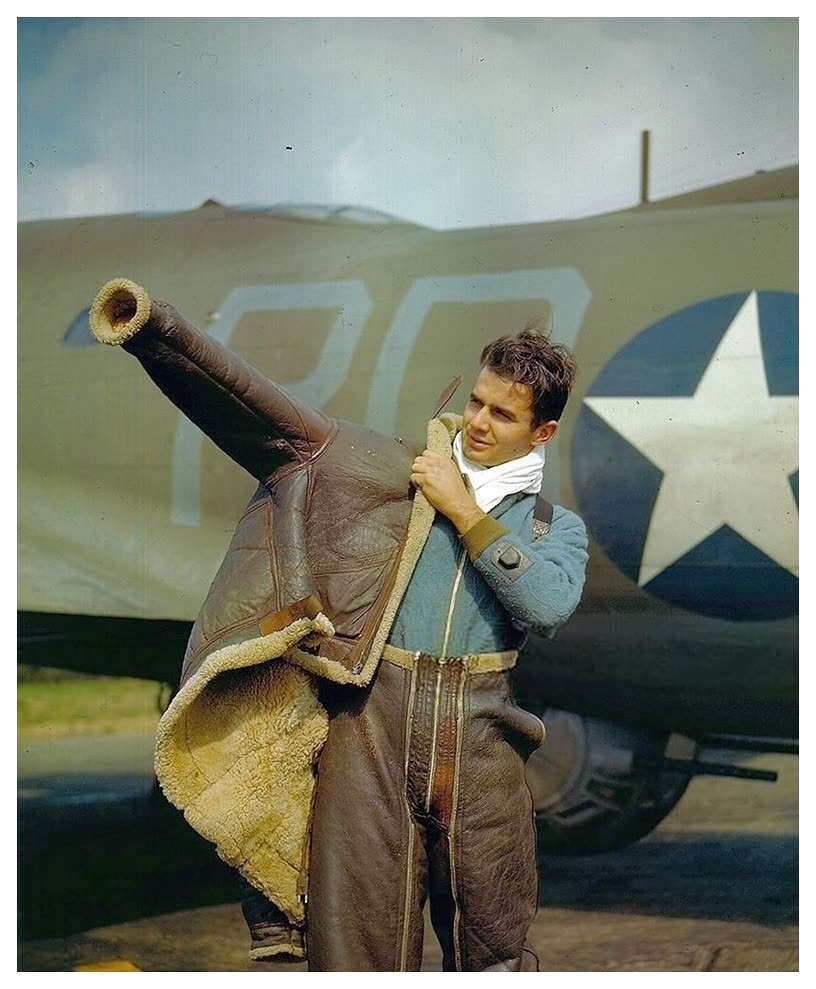
Why Some Jackets and Gear Cost More
Prices vary widely, and knowing why helps you avoid paying for the wrong things.
Materials: textile vs. leather. Leather jackets tend to cost more because quality hides and construction are expensive, and they offer strong abrasion resistance. Textile jackets can be cheaper while still protective, and often add better weather versatility for Canadian spring/fall riding. Budget textile and Kevlar-reinforced pants can still include useful knee and hip padding for impact protection.
Armor level and certification. Jackets with CE-rated armor in shoulders, elbows, and back typically cost more than unarmored fashion jackets, because the inserts and testing add cost. The same applies to pants with CE knee and hip protectors and boots with built-in ankle armor.
Ventilation and weather design. Mesh jackets and pants built for hot weather, or multi-layer touring gear with waterproof membranes, insulation, and removable liners, are more complex to manufacture. Canadian riders who want one kit for cold rain, hot city commuting, and shoulder seasons will pay more than someone buying a single summer mesh jacket.
Order size and MOQ (for small ecommerce buyers). If you’re sourcing inventory for a small online shop, minimum order quantities and bulk discounts change per-unit economics. A factory-level textile jacket might be inexpensive per piece at high volumes, but small runs or sample lots often carry higher unit pricing.
Customization and branding. Adding shop logos, club patches, or custom colors usually costs extra. For resellers, this can lock you into one supplier and increase risk if demand doesn’t match your custom inventory.
Seasonal timing. In Canada, gear demand spikes ahead of peak riding season. Buying right before spring can mean fewer discounts; off-season purchasing (late fall or winter) often yields better pricing, especially on last year’s colors.
Short example for a single rider: you might choose a mid-range textile jacket with CE armor and multiple liners instead of a premium leather jacket, then put the saved money into a higher-spec helmet. For a small reseller, you might stock one solid-value textile jacket line for most customers and special-order leather only when requested.
Choosing a Buying Channel and Trimming Costs Without Cutting Safety Corners
You can source budget gear and jackets through several channels in Canada:
- Local brick-and-mortar shops (independent or brand-aligned): best for trying on helmets and jackets, checking fit and armor placement, and getting advice tailored to Canadian weather.
- Canadian online retailers (for example, multi-brand gear sites): wide selection, local shipping options, and clearer visibility on taxes and returns.Source
- Brand-direct websites: higher chance of consistent sizing and warranty support, often at mid-to-high price points.
- Global marketplaces: cross-border platforms where many sellers list budget-friendly gear, including textile jackets, armored jeans, and gloves.
Practical cost-saving tactics that keep safety intact
Independent Canadian guides suggest prioritizing helmet and jacket first, then adding gloves, boots, and pants as budget allows.Source That sequence keeps critical protection in place while spreading expenses. To further trim costs without cutting corners:
- Buy the helmet locally, where you can test fit. Poor fit can undermine safety, and cross-border returns on helmets are expensive.
- Choose a textile jacket with CE armor as your first major outerwear. It usually offers the best balance of price, protection, and weather range for Canadian riders.
- Start with budget textile or Kevlar-reinforced pants that at least include knee and hip padding. You can upgrade to more specialized touring pants later.
- Use your existing sturdy boots temporarily. As long as they cover the ankle and have non-slip soles, they are a step up from sneakers while you save for dedicated moto boots.
- Time larger purchases for off-season or clearance. Many Canadian retailers discount prior-year gear once the peak season passes.
- For small ecommerce buyers, consolidate orders to hit reasonable MOQs and choose slower but cheaper shipping methods, especially for heavy items like jackets and boots, while keeping a safety-first product mix (certified helmets, armored jackets, reinforced pants).
Two quick scenarios
- New rider in Toronto on a tight budget: Buys a mid-range, certified full-face helmet and armored textile jacket from a local shop; picks up budget gloves online from a Canadian retailer; rides initially with hiking boots and regular jeans, then upgrades to Kevlar-reinforced pants with knee/hip padding once finances recover.
- Small online shop in Vancouver: Stocks one line of mid-priced textile jackets and Kevlar-reinforced pants with armor, ordered in bulk from a vetted overseas supplier; sources helmets from a Canadian distributor to avoid complex certification issues; uses marketplaces selectively for accessories, always calculating per-unit costs including shipping, currency conversion, and import tax before listing retail prices.
In both cases, the pattern is the same: pay for proven protection where it matters most—helmet and jacket—and treat price-driven choices like materials, brand, and channel as levers for savings, not reasons to compromise basic safety.