
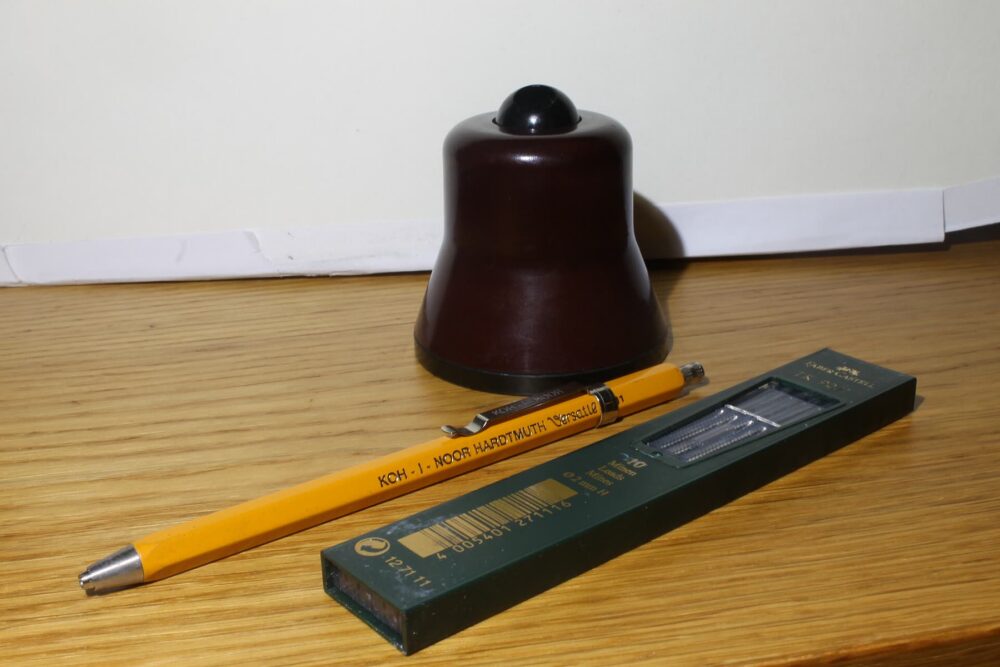
Good budget drawing setup in practice: one or two mid-range mechanical pencils (often around the $10–$20 band) as your main tools, plus a handful of cheaper plastic pencils for class, clients or resale. Leads are inexpensive enough that over a year, the pencil body often matters more than the graphite cost. From Australia, that usually means buying daily-use pencils from local retailers and only considering bulk cross-border orders when you’ve checked the total landed cost and quality. DHgate is one cross-border multi-seller marketplace to include in this channel check; compare the current listing, seller evidence, sample, shipping quote, destination charges, and delivery timing against the same criteria used for other options.
How Much Do Good Drawing Mechanical Pencils Really Cost?
Mechanical pencils broadly fall into low-cost (~$5–$10), mid-range (~$10–$20) and high-end (~$20–$50+). Those are bands, not guarantees, but they map well to how artists actually use them:
- Low-cost (~$5–$10) – Plastic or simple metal/plastic hybrids. Fine for casual sketching, backup tools, classroom stock or resale as budget stationery. Mechanisms and grips are basic.
- Mid-range (~$10–$20) – Where a lot of serious drawing happens. Typical upgrades include metal barrels, more substantial grips, and more precise mechanisms that feel better in long sessions.
- High-end (~$20–$50+) – Precision drafting tools or design-focused models. Often full metal, more complex mechanisms and distinctive ergonomics. Great, but overkill for many people’s first drawing pencil.
Leads are the quiet cost. A tube of 0.5 mm HB or B leads is usually a small fraction of the pencil price, and a single tube can last weeks of daily sketching. From a budget point of view, you can think in simple terms:
- Pay once for a body you enjoy holding.
- Expect to keep that pencil for years.
- Plan on topping up leads regularly; they’re consumables, but they won’t dominate your spend.
For Australian buyers, those bands normally show up as higher sticker prices in local retail for mid-range and high-end branded models, with the possibility of lower per-unit prices if you import generic or OEM pencils in bulk. Because freight and import charges quickly eat into any savings, most individual artists accept local pricing for one or two good pencils and focus their cost-cutting on where they buy low-cost backups and how they source lead refills.
What Drives the Price of Mechanical Pencils for Drawing?
Two artists can draw equally well with very different pencils, but several specific factors push price up or down – and they actually matter at the desk.
Materials and build
Low-cost pencils are usually plastic-bodied. They’re light, fine to throw in a bag, and ideal if you’re buying dozens. As you move into the mid-range and high-end, you start seeing metal barrels and components.
Models like the Rotring 600 use a brass or full-metal body with a knurled grip. That weight and rigidity are part of what you’re paying for – the pencil feels planted and stable, which many artists like for controlled line work.
Mechanism and lead handling
Cheaper pencils tend to have simple push mechanisms and longer, wobblier lead sleeves. They work, but you may feel play in the tip or occasional jams.
Mid/high-range pencils often offer:
- Fixed or retractable lead guidance sleeves that keep the lead straighter and reduce breakage.
- Smoother, more predictable click actions.
- Occasionally, special mechanisms such as the Uni Kuru Toga Roulette, which rotates the lead as you draw to keep the point consistently sharp.
These details change how often your line thickness surprises you and whether you’re stopping mid-sketch to clear a jam.
Ergonomics: grip, weight, balance
Comfort is one of the big reasons artists spend more.
Independent reviews like Creative Bloq’s guide to mechanical pencils repeatedly highlight grip texture, balance and weight as core reasons people prefer models such as Pentel drafting pencils or Rotring 600 for drawing.
Key comfort aspects:
- Grip texture – Knurled metal, rubberized, or contoured plastic. A good grip feels secure without cutting into your fingers.
- Weight – Heavy metal pencils give strong feedback; some people find them fatiguing, others find them precise. Light plastic pencils are easier to flick around but can feel less stable.
- Balance – A well-balanced pencil feels like an extension of your hand. Weight bunched at the back or tip can make fine control harder.
Lead size and drawing style
Common sizes:
- 0.3 mm – Very fine, good for hairline detail and technical work.
- 0.5 mm – The all-rounder: precise enough for detail, forgiving enough for everyday sketching.
- 0.7-0.9 mm – Chunkier, nice for bold lines and rough thumbnailing.
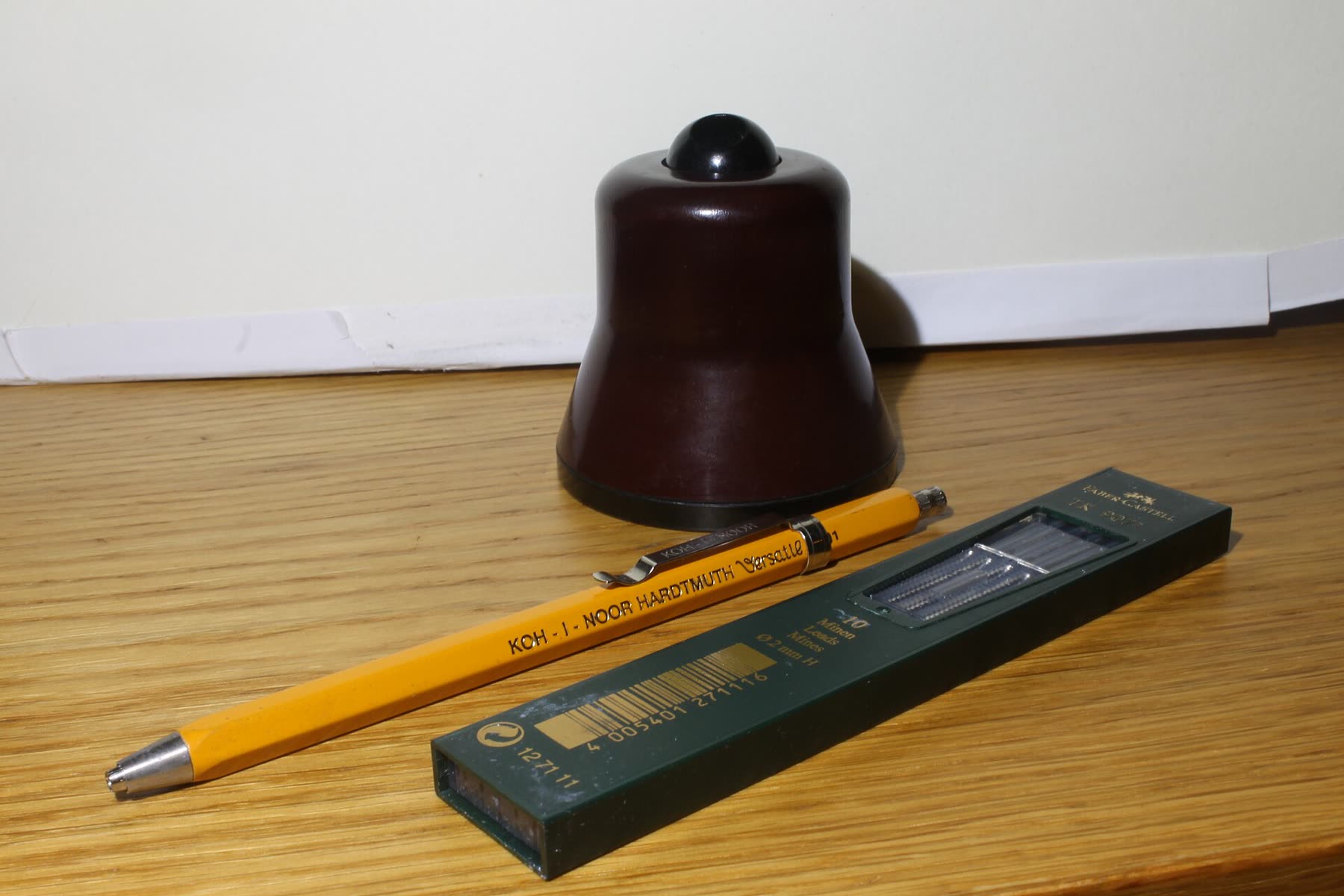
- 2.0 mm clutch/mechanical – Feels close to a traditional wood pencil; great for expressive shading.
Price isn’t strictly tied to size, but drafting-style pencils with multiple size options (like Pentel GraphGear series or Staedtler technical pencils) tend to sit mid-range and above.
Named examples in the budget context
A few models commonly recommended for artists and technical users help illustrate the bands:
| Model (editorial example) | Approximate band* | Why artists use it for drawing |
|---|---|---|
| Uni Kuru Toga Roulette | Mid-range | Rotating lead keeps points sharp and lines even |
| Rotring 600 | Mid/high-range | Full metal body, knurled grip, precise feel |
| Staedtler 925/Mars drafting | Mid-range | Fixed sleeve, controlled lines, solid balance |
| Pentel GraphGear 1000 | High-end | Drafting-grade mechanism, multi-size options |
| Pentel GraphGear 500 | Low/mid-range | Lightweight body, comfortable grip for sketching |
\*Bands are approximate and depend on region and retailer; they’re not guarantees of current pricing.
For many Australian artists, the sweet spot is owning something like a Uni Kuru Toga or a Staedtler drafting model for daily work and keeping cheaper plastic pencils for travel and quick sketches, with the higher-end models reserved for specialist technical or design tasks.
Which Sourcing Channels Give the Best Value from Australia?
If you’re buying one pencil for yourself, the math is simple: a mid-range model from a local art or stationery retailer often gives you the best ratio of performance to hassle. For bulk orders or resale, though, the channel choice is a real decision.
Local Australian retailers and specialists
Australia has good coverage of the main brands – Pentel, Uni, Staedtler, Rotring and others – through office chains and art specialists. Guides such as MechanicalPencil.com.au’s comparison of mechanical pencils in Australia show that many popular drafting and drawing pencils are already stocked domestically.
Pros:
- Within-country shipping times and returns.
- Recognizable brand models and clear codes.
- Easy to test a single pencil before committing to larger numbers.
Cons:
- Per-unit prices may be higher than bulk imports.
- Less access to unbranded or OEM mechanical pencils that might suit very tight budgets.
For an individual artist, these pros usually win. For a small seller, local wholesale or distributor relationships can still be attractive: you get stable stock and support, even if your margins per unit are modest.
Cross-border marketplaces and wholesale imports
Cross-border marketplaces and overseas wholesalers can offer lower headline prices, especially if you’re willing to buy larger quantities or accept unbranded pencils.
That potential saving has to be weighed against:
- International freight (including any surcharges for weight or remote areas).
- Customs, tariffs and GST, which affect your real landed cost. If you’re new to importing, it’s worth reading through an overview of customs, tariffs and import fees before committing.
- Quality variance – unbranded mechanical pencils can range from excellent to frustrating.
Global multi-seller marketplaces such as DHgate do list mechanical pencils and related stationery; they can be useful when you’re sourcing bulk quantities for resale or classroom packs and have time to compare listings. Model availability, quality and shipping terms vary by seller, so you have to treat each listing as its own mini-due-diligence project: check photos, specs (lead size, materials), minimum order quantities, and total delivered cost to your Australian address rather than assuming uniform standards.
Practical cost scenarios
To make the decision tangible, think in simple scenarios.
Scenario 1: Individual artist in Sydney
You draw most days and want one reliable main pencil:
- Buy a mid-range brand-name mechanical pencil locally (for example, a Uni or Staedtler drafting model) plus a tube of HB or B leads.
- Total outlay is a single two-item purchase; there’s no customs paperwork, and you can return or exchange easily if the pencil feels wrong.
In this case, chasing a slightly cheaper price via overseas marketplaces rarely outweighs the hassle.
Scenario 2: Small online shop selling stationery starter kits
You want 100+ pencils to bundle into “drawing kits” for students:
- Compare local wholesale/distributor pricing for simple plastic 0.5 mm pencils and a mid-range option.
- Price out cross-border options for generic mechanical pencils in bulk, including international shipping and estimated import charges.
- Decide whether your brand positioning supports selling unknown pencils or whether you want the recognizability of Pentel/Staedtler branding.
Here, cross-border sourcing might make sense, but only if your total landed cost per pencil stays safely below what you’d pay domestically and your quality checks don’t reveal deal-breaking flaws.
Cost structure at a glance
A simple way to keep the budget picture clear is to look at where your money actually goes:
| Cost component | Individual artist (1-3 pencils) | Small reseller (50-200 pencils) |
|---|---|---|
| Pencil body | Main cost; usually mid-range branded | Major cost; mix of low-cost and mid-range |
| Lead refills | Minor ongoing spend | Upsell item with decent margin |
| Domestic shipping | Often a small parcel fee | Significant if ordering multiple cartons |
| International freight | Usually avoided as not worth the hassle | Key variable when importing bulk |
| Customs/GST on imports | Not usually triggered on tiny orders | Important part of total landed cost |
Making Budget Choices That Still Feel Good to Draw With
You don’t need a drawer full of premium drafting tools to produce strong drawings. A clear, cost-aware setup for an Australian artist or small seller looks roughly like this:
- Spend where it matters most – one or two mid-range mechanical pencils with ergonomics you genuinely enjoy.
- Choose lead sizes that match your style – 0.5 mm for general work, plus a second pencil in 0.3 mm or 0.7/2.0 mm if you alternate between detail and loose shading.
- Use low-cost pencils strategically – as backups, classroom tools, or budget offerings in your store.
- Treat cross-border sourcing as a margin tool, not a default – only pursue it after you’ve modelled freight, taxes and realistic failure rates on quality.
If you keep your focus on ergonomics, lead size and total landed cost rather than just chasing the lowest sticker price, you’ll end up with mechanical pencils that feel good in the hand and still fit a budget-conscious drawing practice.