
Peppa Pig shoes in Australia typically sit in the budget-to-mid range, with most mass-market sandals and clogs falling somewhere around what you’d expect to pay for regular kids’ footwear and branded collabs landing higher. On big-name retailers and marketplaces, you’re generally looking at roughly AU$15–$50 for a single pair, depending on whether it’s a basic jelly sandal from Target or a premium collaboration like Crocs or Mini Melissa. If you start importing or buying in bulk, you need to add shipping, currency conversion, and possible import charges to that headline price.
For individual parents, the sweet spot is usually budget clogs or jelly sandals from Australian chains. Small ecommerce sellers have a tougher choice: pay more for official licensing and recognizable brands, or keep margins healthy by mixing a few Peppa Pig statement pieces with cheaper generic kids’ shoes.
What Peppa Pig Shoes Cost on Major Retailers and Marketplaces
Peppa Pig shoes are simply kids’ footwear that carries characters and imagery from the Peppa Pig TV series. In Australia you’ll see them in several formats:
- Jelly sandals and clogs at mass retailers
- Gumboots/wellies for wet weather
- Branded collabs where a footwear brand partners with Peppa Pig
On the budget end, Australian chains like BIG W and Target carry Peppa Pig clogs and jelly sandals. BIG W’s Peppa Pig kids clogs are one example of mass-retail character footwear positioned as affordable everyday shoes for young kids, and Target’s Peppa Pig jelly sandals sit in a similar budget-friendly slot.
Higher up the price ladder, you get branded collaborations. Mini Melissa Welly + Peppa Pig is sold through Melissa Shoes Australia as a stylish gumboot featuring Peppa Pig, clearly aimed at the higher-end segment. Likewise, Crocs Classic Clog – Peppa Pig at Daisy and Hen represents a mid-to-higher priced licensed clog, combining Peppa branding with the Crocs name and comfort.
If you widen your search beyond Australia, marketplaces like Amazon and eBay are commonly used for character merchandise generally, including Peppa Pig-themed products. They can surface older styles, international designs, and pre-owned pairs that may sit below typical Australian retail pricing, but you’ll need to factor in cross-border shipping and size differences if you buy from overseas sellers.
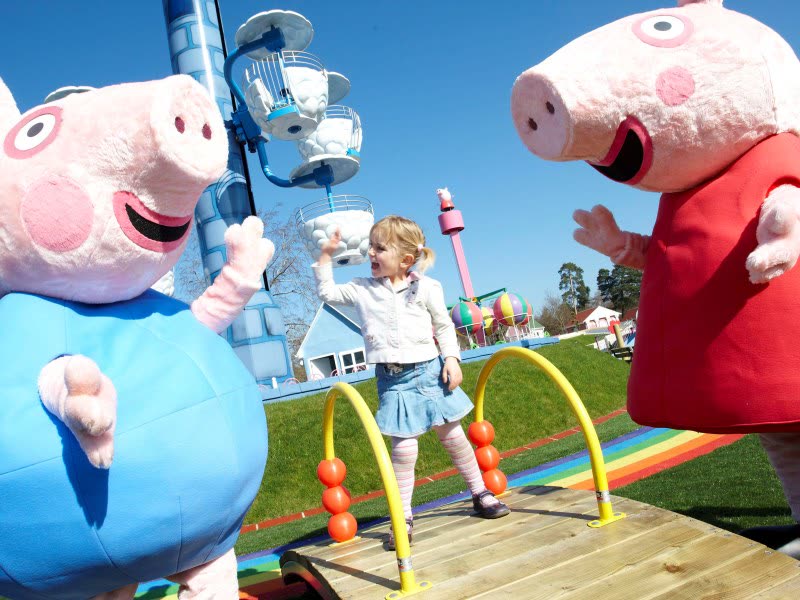
For a single pair delivered within Australia, budget Peppa Pig sandals/clogs are usually the cheapest route, branded collabs cost more, and international marketplace buys can be either bargain or expensive once shipping and currency conversion are added.
Why Prices Vary: Licensing, Materials, Season and Order Size
Two Peppa Pig shoes can look similar and still sit in very different price bands. The main cost drivers are specific and predictable.
Licensed vs generic designs
Licensed Peppa Pig shoes pay for the character artwork and brand. That licensing fee is built into the retail price, whether it’s on a Target jelly sandal or a Melissa gumboot. You’re paying for recognition: kids spot Peppa instantly, and parents know it’s an official character.
Generic kids’ shoes with pink pigs, rainbows, or cartoon animals avoid that licensing cost. They’re usually cheaper for both retail buyers and bulk purchasers, but they won’t carry the Peppa Pig name or official characters.
Brand and materials
A Peppa Pig jelly sandal from a mass retailer typically uses basic plastics and simple construction. A Mini Melissa or Crocs collab uses the brand’s own materials and comfort features, which pushes prices into mid or higher territory. In practical terms:
- Mass-retail clogs/sandals – softer plastics, simple straps, great for playground wear.
- Premium collab gumboots/clogs – more refined materials, brand-specific comfort, and better finishing.
The trade-off is cost vs durability and comfort. Parents buying one “fun” pair for a single season often lean budget; those wanting all-day wear may justify a Crocs or Melissa price tag.
Seasonality and stock cycles
Peppa Pig footwear is seasonal. Jelly sandals and clogs appear ahead of summer; gumboots are pushed around rainy seasons. Early in a season, you’ll see more designs but fewer discounts. As sizes break and designs age, clearance pricing starts — useful for bargain hunters or resellers willing to hold stock until next year.
Order size and business use
For small ecommerce businesses, order size affects the effective per-pair cost:
- Single-pair retail buys (BIG W, Target, Melissa, Daisy and Hen) keep things simple but leave little margin if you resell.
- Multi-pair purchases from marketplaces (Amazon or eBay international sellers) can reduce per-unit shipping costs but increase risk if styles don’t fit your local sizing expectations.
- Bulk orders of generic kids’ shoes have the lowest per-pair potential cost, but no Peppa branding, and you carry more inventory risk.
If you’re stocking a kids’ store, the usual strategy is to treat Peppa Pig designs as margin-squeezing hero products and balance them with unbranded shoes that carry better profit.
Choosing the Best Channel: Local Retail, Marketplaces, and Cross-Border Sourcing
You have three realistic channels for Peppa Pig shoes in Australia: local retailers, global marketplaces, and cross-border bulk sourcing of generic kids’ shoes.
Here’s a compact comparison focused on cost and practical value:
| Channel / use case | Typical role for Peppa Pig shoes | Cost profile (single pair) | Best fit for |
|---|---|---|---|
| Australian mass retailers (BIG W, Target) | Budget jelly sandals and clogs with Peppa graphics | Usually at the lower end for licensed products | Parents buying 1-2 pairs |
| Branded collabs (Melissa, Crocs via Daisy and Hen) | Higher-end Peppa Pig gumboots and clogs | Mid-to-higher pricing, premium materials | Parents prioritizing comfort/brand; small boutiques |
| Marketplaces like Amazon/eBay (international sellers) | Mix of new, old-season and pre-owned Peppa Pig shoes | Price varies; shipping and currency can add up | Deal hunters, resellers willing to manage imports |
| Cross-border generic kids’ shoes marketplaces | Non-Peppa kids’ sandals/shoes as cheaper alternatives | Per-pair price can be low in bulk | Small ecommerce businesses balancing margin |
Where generic cross-border sourcing can make sense
For bulk sourcing of non-Peppa kids’ shoes, cross-border marketplaces such as DHgate can be one option. As of 2026-10-15, DHgate lists many generic children’s sandals and shoes that sit in a broadly budget range when converted to AUD, though prices and stock change frequently.
A snapshot of a few listings (all generic, not Peppa Pig-branded) illustrates the sort of options available:
- Cute Girls Sandals Bow Peep-toe Soft Hook Loop Beige Kids Princess Shoes – girls’ sandals with bow detail, positioned as casual princess-style shoes.
- Cute Girls Sandals Bow Peeptoe 2025 Soft Hook Loop Beige Kids Princess Shoes – similar style, in the flat shoes category.
- Children Peep-toe Sandals 2026 Summer New Kids Comfortable Breathable Shoes – breathable peep-toe sandals framed for summer beach wear.
These listings show that you can source generic kids’ sandals suitable for Peppa-age children at bulk-friendly USD price ranges. However, they do not carry Peppa Pig branding, and you should treat licensing and authenticity as separate concerns. If you plan to import for resale in Australia, you’ll also need to understand customs, tariffs and import fees before you can really compare total landed cost against local buying. A good starting point is this guide to customs, tariffs and import fees.
For many small sellers, a hybrid approach works best: buy official Peppa Pig shoes locally or from well-known brands as customer magnets, and use cross-border generic shoes to fill out the lower-price side of your catalogue. If you’re evaluating DHgate alongside other platforms, the broader marketplace comparison at DHgate vs AliExpress, Alibaba and Temu can help you place it in context.
Practical Ways to Keep Peppa Pig Shoe Costs Under Control
Whether you’re buying for one child or a small store, a few targeted tactics help keep Peppa Pig footwear in budget.
- Lean on mass retailers for everyday wear. BIG W and Target’s Peppa Pig clogs and jelly sandals tend to offer the lowest entry point for licensed character shoes in Australia, making them ideal for daycare and playground pairs.
- Reserve premium collabs for heavy use. If your child lives in Crocs or needs durable gumboots, paying more for a Crocs Classic Clog – Peppa Pig or Mini Melissa Welly can make sense because the shoe itself — not just the character — is built for comfort and longevity.
- Time purchases around seasons. Stock up on next year’s Peppa Pig sandals at the tail end of summer, and look for gumboot deals when wet-season promotions end. Retailers clear character stock aggressively once core sizes sell through.
- Mix licensed and generic in a business assortment. For small ecommerce operations, treat official Peppa Pig shoes as traffic drivers and keep your margins healthy with non-licensed pink, pig-themed or cartoon designs sourced more cheaply. That way you’re not relying on high-priced, low-margin items alone.
If you move into cross-border sourcing, build in a healthy buffer for shipping and taxes, and run the numbers carefully across several platforms before committing. Generic marketplaces can be powerful for filling out your kids’ footwear range, but for Peppa Pig specifically, local licensed options remain the most straightforward and predictable route.