
You can absolutely find affordable nail polish bundles and gel polish sets online, both as a casual buyer and as a small salon or ecommerce business. The real savings come from buying coordinated multi‑bottle sets instead of singles, and from choosing the right channel: U.S. drugstores and beauty retailers, professional wholesale suppliers, or cross‑border marketplaces. Your total cost isn’t just the sticker price on the bundle; it’s also shaped by brand tier, bundle size, minimum order quantities, and how the products actually reach you.
Below is a budget‑first look at how these bundles are priced and when each sourcing option makes sense.
How Nail Polish Bundles and Gel Sets Are Priced
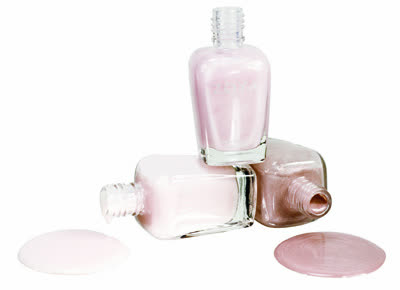
Nail polish and gel bundles are essentially curated sets: several shades sold together, often grouped by theme (seasonal colors, nudes, glitters) or effect. Brands that specialize in polish frequently organize collections into bundles so you get multiple bottles at a lower per‑bottle cost than buying each shade individually. You can see this model in practice at brands that sell coordinated sets of shades as full “collections,” where the appeal is both the color story and the value.
Professional suppliers take the same idea and scale it up for salons. For example, DTK Nail Supply’s bulk OPI sets and salon gel bundles are built around stocking a full or near‑full line. You’re paying for breadth of color and brand recognition, but the pricing is structured to make sense per bottle for a business that will actually use the inventory.
On the gel side, you’ll also see specialized bundles built around a particular look or texture. Themed sets like cat eye gels, coordinated color bundles, or effect bundles are common at niche gel brands; a good example is the cat eye and effect bundle sets at M CatEye Nail. These give you multiple coordinated gels in one purchase, again with a built‑in per‑shade discount.
For a U.S. buyer, regular polish bundles tend to be priced lower per bottle than salon‑grade gel sets from established professional brands, reflecting the higher material and brand cost of gel lines. Budget‑friendly brands such as Essie, OPI’s mass‑market ranges, Sally Hansen, Revlon, and Wet n Wild are widely sold through drugstores and supermarkets, and their multi‑packs and seasonal sets are positioned as affordable options for consumers.
What Really Drives the Price: From MOQ to Shipping Method
Once you move beyond buying a single gift set, the drivers of your total cost shift quickly. These are the big levers to watch.
1. Bundle size and minimum order quantity (MOQ)
For personal use, you’re usually looking at sets of roughly 3-12 bottles. For salons or resellers, suppliers may set MOQs that push you into much larger quantities or full lines. Those bigger bundles drive your per‑unit cost down, but only if you can realistically use or sell the inventory before it sits and separates on a shelf.
Bulk OPI sets and full salon gel lines at professional suppliers like DTK Nail Supply are designed with this tradeoff in mind: strong per‑bottle value, but a lot of capital tied up in stock that needs proper storage.
2. Brand tier and product type
Traditional polish is generally cheaper to produce and ship than gel systems that require curing lamps and more complex formulations. A curated set of mainstream polishes from budget‑friendly brands will typically cost less than a salon‑grade gel bundle from a pro line, even at the same piece count.
You’ll see even within gels that themed bundles (for example, cat eye or glitter effects) can command a premium over basic solid colors because you’re paying for the specialized finish and visual impact.
3. Customization and curation
Pre‑built bundles—seasonal collections, nude sets, or effect kits—benefit from standardized packaging and pricing. If you start asking suppliers to swap colors or build custom assortments for resale, they may loosen the discount or require a higher MOQ. For a small ecommerce business, sticking to existing bundles often keeps your cost basis simpler and lower.
4. Shipping method and distance
Domestic retail and U.S. wholesalers ship nail polish as standard consumer goods; costs scale mainly with weight and distance. Cross‑border sourcing introduces longer transit times and more variables: international shipping rates, potential customs handling, and different packaging standards.
Liquid products like polish and gel also have storage and handling considerations. Large bulk orders can be cheaper per bottle but may require more space and care on your end, which is a real cost for a small salon working out of a compact back room.
5. Promotions, coupons, and timing
Buying in bulk and watching for deals or coupons is a recognized way to cut nail supply costs, especially if you purchase frequently. Editorial guides to cheap nail supplies point to strategies like:
- Stocking up when brands or suppliers run bundle promotions.
- Using coupon codes and loyalty program rewards at retailers and beauty chains.
- Combining several items in a single order to hit thresholds for extra discounts.
These tactics don’t change the base price of a bundle but materially change what you actually pay.
Choosing a Sourcing Channel and Cutting Your Total Spend
For U.S. buyers and small businesses, the budget decision is less “Is there a cheap bundle?” and more “Which channel fits how I buy?” Here’s how the main options stack up from a cost perspective.
U.S. retail and drugstores
If you’re a consumer or very small reseller, drugstores, supermarkets, discount chains, and big online retailers are the simplest channel. They carry brands like Essie, OPI (consumer lines), Sally Hansen, Revlon, and Wet n Wild, often in gift sets, seasonal bundles, or multi‑packs.
Pros: low commitment, fast delivery or in‑store pickup, straightforward returns. Cons: per‑bottle pricing is usually higher than professional wholesale, and the selection may skew toward trend colors rather than full lines.
Professional beauty wholesalers and salon suppliers
Suppliers such as DTK Nail Supply and gel‑focused sites like Nail Mart USA’s gel color bundles offer bulk sets, full lines, and themed bundles aimed squarely at salons.
Pros: strong per‑unit pricing on recognized pro brands, bundles designed around salon usage (for example, full gel color ranges). Cons: higher MOQs, more capital tied up in stock, and you’ll need to manage storage and product rotation.
This channel makes sense if you:
- Have regular client traffic or steady ecommerce sales.
- Need brand consistency across services or listings.
- Can handle a rolling inventory of dozens or hundreds of bottles.
Cross‑border marketplaces (including DHgate)
China‑based marketplaces list thousands of cheap wholesale nail supplies, including polishes, gels, and decorations, for global buyers. DHgate is one example of a marketplace where many different suppliers offer low‑cost nail products alongside other categories.
In practice, this route is best suited to small businesses that:
- Want very low per‑unit costs and are comfortable sorting through many suppliers.
- Are ready to check individual listings carefully and factor in possible import handling.
If you’re comparing DHgate with other China‑based marketplaces more broadly, a resource like Compare DHgate with AliExpress, Alibaba and Temu can help you decide whether this route fits your buying style.
Cost-focused channel snapshot for a small U.S. salon
To make this concrete, here’s how a small U.S. salon might think through a gel bundle purchase with cost in mind:
| Scenario goal | Likely best‑fit channel (cost view) | Budget upside | Main tradeoff |
|---|---|---|---|
| Add a few trendy cat eye gels | U.S. retail / niche gel sites | Low commitment; buy small themed bundles | Higher per‑bottle price |
| Refresh full gel color range | Pro wholesalers (DTK, Nail Mart USA) | Strong per‑unit savings on full gel lines | Larger upfront spend, storage needed |
| Launch a budget nail art side biz | Cross‑border marketplaces (e.g., Cross-border multi-seller) | Very low unit cost on large assortments | More verification effort, longer shipping |
The right choice depends on how quickly you expect to use or sell the polish, and how much administrative friction you’re willing to accept to save money.
Practical Ways to Keep Your Nail Bundle Spend in Check
Whether you’re buying for yourself or for a business, a few targeted moves help keep costs under control without sliding into generic “buy the cheapest” territory:
- Match bundle size to realistic usage. A large gel bundle from a themed site looks like a deal until half the colors sit unused. For home use, smaller curated sets from consumer brands are often a better value.
- Favor existing curated bundles over loose singles. Buying an established collection or themed set from a polish or gel brand typically carries a lower per‑shade cost and saves time versus hand‑picking singles.
- Use deals when you already plan to restock. Instead of chasing every promo, time your salon or resale stock‑ups around known sale periods and apply coupon codes or loyalty rewards from beauty retailers.
- Compare channels with your actual basket. Build the same color mix in a U.S. wholesaler cart and, separately, as a bundle or assortment from a cross‑border seller, then compare the full totals—including shipping and any expected import‑related costs—before deciding.
For small ecommerce businesses eyeing DHgate or similar marketplaces, it can be helpful to first learn how to vet suppliers in that ecosystem using a focused guide like Find wholesale suppliers on DHgate. That way, any bundle savings are less likely to be offset by misaligned inventory or avoidable issues.
If you stay honest about how much polish you can actually move and choose channels accordingly, nail polish bundles and gel sets can be a solid budget play rather than just more bottles on the shelf.